
Folliculitis in Dogs: Guide to Causes and Care
Discover how to spot, treat, and prevent folliculitis in dogs for healthier skin and happier pets.
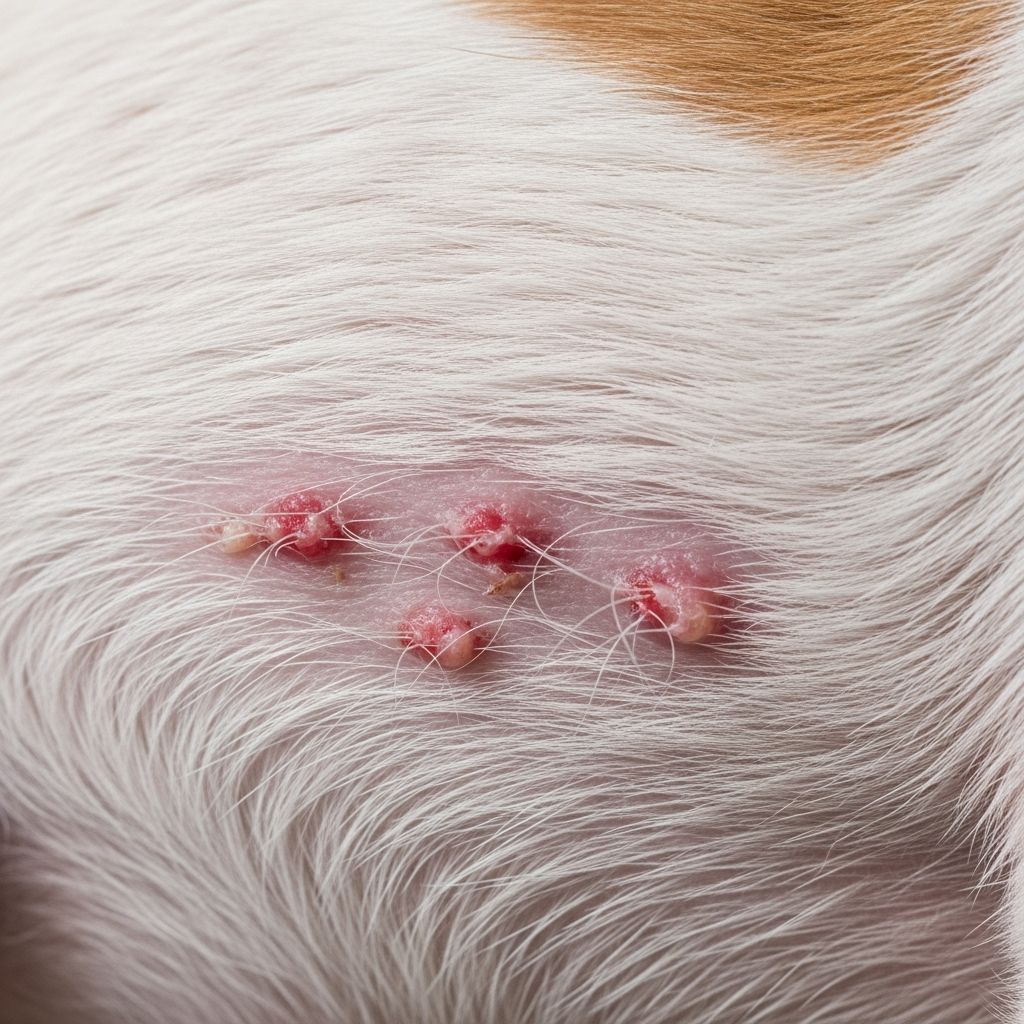
Folliculitis represents inflammation of the hair follicles in dogs, often manifesting as red bumps, pustules, and hair loss on the skin. This condition frequently signals bacterial overgrowth but can stem from various underlying issues requiring targeted veterinary intervention.
Understanding the Basics of Canine Folliculitis
Hair follicles are small pockets in a dog’s skin where hair grows and oils are produced to maintain coat health. When these structures become irritated or infected, folliculitis develops, leading to discomfort and visible skin changes. Bacterial folliculitis is the predominant form, triggered when normal skin bacteria, like Staphylococcus, invade compromised follicles. Unlike healthy skin where bacteria coexist harmlessly, disruptions allow proliferation, resulting in infection.
This issue affects dogs of all ages and breeds, though certain predispositions exist. Short-haired breeds may show symptoms more prominently due to less fur coverage. Early detection is crucial as untreated cases can escalate to deeper infections or chronic problems.
Common Symptoms Owners Should Watch For
Recognizing folliculitis early helps prevent worsening. Key signs include:
- Red, inflamed bumps around hair follicles resembling pimples or pustules filled with pus.
- Patchy hair loss, often in circular or irregular patterns, exposing irritated skin.
- Intense itching leading to scratching, chewing, or rubbing affected areas.
- Crusty scabs, scaling, or darkening of the skin (hyperpigmentation).
- Unpleasant odor from secondary yeast overgrowth or bacterial buildup.
- Swelling, pain, or tenderness when touching the area.
Symptoms often appear on the back, flanks, abdomen, or limbs, but can occur anywhere. In mild cases, dogs may seem unbothered, but progression brings restlessness and self-trauma.
Primary Causes Behind Folliculitis Development
Folliculitis rarely occurs in isolation; it’s typically secondary to other factors weakening the skin barrier. Bacterial infections dominate, but parasites, fungi, and systemic diseases play roles.
| Cause Category | Examples | How It Leads to Folliculitis |
|---|---|---|
| Bacterial | Staphylococcus overgrowth | Compromised follicles allow normal skin bacteria to invade. |
| Allergic | Atopy, food allergies | Itching damages skin, inviting bacteria; most common trigger. |
| Parasitic | Demodex mites, fleas | Mites proliferate in follicles, especially in puppies or immunocompromised dogs. |
| Fungal | Dermatophytes, Malassezia | Fungi infect follicles, causing ringworm-like lesions. |
| Endocrine | Hypothyroidism, Cushing’s | Hormonal imbalances thin skin and impair immunity. |
| Trauma/Other | Lick granulomas, skin folds | Moisture and friction breed bacteria in folds or licked areas. |
Allergies top the list, with dogs scratching excessively and breaking the skin surface. Breeds like German Shepherds face breed-specific risks, such as idiopathic furunculosis. Environmental allergens, fleas, or poor grooming exacerbate issues.
Diagnostic Process for Accurate Identification
Veterinarians diagnose folliculitis through a multi-step approach. A physical exam reveals lesions, followed by skin scrapings to detect mites or fungi. Cytology involves examining pus under a microscope for bacteria or yeast. Biopsies confirm deeper infections or allergies. Blood tests screen for endocrine disorders like hypothyroidism.
Culture and sensitivity tests identify specific bacteria and effective antibiotics, vital for resistant cases. Ruling out allergies may require intradermal testing or elimination diets. This thorough evaluation ensures treatments address root causes, not just symptoms.
Effective Treatment Strategies
Treatment combines addressing the infection, underlying cause, and symptom relief. A three-pronged method includes topical care, systemic medications, and cause-specific therapies.
- Topical Therapies: Medicated shampoos with chlorhexidine or benzoyl peroxide bathe the skin 2-3 times weekly to reduce bacteria. Leave-on rinses, sprays, or ointments deliver antibiotics or antifungals directly.
- Systemic Antibiotics: Oral drugs like cephalexin or clindamycin for 3-12 weeks, based on culture results. Long courses prevent recurrence.
- Antifungals: For Malassezia or ringworm, topical creams or oral itraconazole if severe.
- Allergy Management: Apoquel, Cytopoint injections, or steroids control itching; hypoallergenic diets help.
- Parasite Control: Ivermectin or milbemycin for Demodex; flea preventives year-round.
Endocrine treatments involve hormone replacement. Elizabethan collars prevent licking during healing. Improvement typically shows in 1-2 weeks, but full resolution takes months.
Prevention Tips for Long-Term Skin Health
While not always preventable, proactive steps minimize risks:
- Maintain regular flea, tick, and mite preventives.
- Bathe with gentle shampoos monthly; more if oily skin.
- Monitor for allergies: note seasonal itching or food reactions.
- Trim hair in skin folds; dry thoroughly after baths/swimming.
- Balanced diet supports immune and skin health; omega-3 supplements aid.
- Annual vet checkups catch issues early.
Breed-specific care, like gentle grooming for short-coated dogs, helps. Avoid overbathing, which dries skin and invites bacteria.
When to Seek Professional Veterinary Help
Consult a vet if you notice persistent redness, pustules, hair loss, or odor. Rapid spread, lethargy, or fever signals deeper issues. Delaying risks chronicity or spread to joints/bloodstream. Board-certified dermatologists handle complex cases.
Home remedies like oatmeal baths soothe mildly but don’t replace antibiotics. Misuse risks resistance.
Frequently Asked Questions (FAQs)
Is folliculitis contagious to humans or other pets?
Rarely; bacterial forms aren’t typically zoonotic, but fungal like ringworm can spread. Isolate affected dogs and treat promptly.
How long does treatment last?
Bacterial cases need 3-12 weeks of meds; recurrence common without addressing causes.
Can diet influence folliculitis?
Yes, allergies to food proteins trigger it. Novel protein diets often resolve secondary infections.
Are natural remedies effective?
Supportive like coconut oil or apple cider rinses ease symptoms but lack evidence against infections. Use under vet guidance.
Which breeds are prone?
Boxers, Cocker Spaniels for allergies; German Shepherds for furunculosis; Bulldogs for folds.
Holistic Approaches and Ongoing Management
Integrate probiotics for gut-skin axis health and herbal antifungals like tea tree oil (diluted). Stress reduction via exercise prevents flare-ups. Track progress with photos and vet follow-ups every 4-6 weeks.
Long-term, allergy immunotherapy desensitizes dogs to triggers, reducing antibiotic needs. Weight management aids endocrine balance.
References
- Folliculitis in Dogs: Causes, Treatment & Prevention — Animal Friends Dermatology. 2024-03-29. https://www.animalfriendsdermatology.com/site/blog/2024/03/29/folliculitis-dogs
- Folliculitis in Dogs & Cats | Symptoms, Treatment & Prevention — Embrace Pet Insurance. N/A. https://www.embracepetinsurance.com/health/folliculitis
- Common Skin Conditions in Dogs — My Best Friend Vet. N/A. https://www.mybestfriendvet.com/common-skin-conditions-in-dogs/
- Folliculitis In Dogs: Symptoms, Treatment & Prevention — PetLab Co. N/A. https://thepetlabco.com/learn/dog/health-wellness/folliculitis-in-dogs
- Folliculitis in dogs — Animal Wellness Magazine. N/A. https://animalwellnessmagazine.com/folliculitis-in-dogs/
- Treatment of the big three causes of folliculitis (Proceedings) — dvm360. N/A. https://www.dvm360.com/view/treatment-big-three-causes-folliculitis-proceedings
Similar Articles








Read full bio of Sneha Tete




