
Follicular Cysts In Dairy Cows: Causes, Diagnosis, Treatment
Understanding causes, detection, and effective treatments for follicular cystic ovary disease to boost dairy herd fertility.
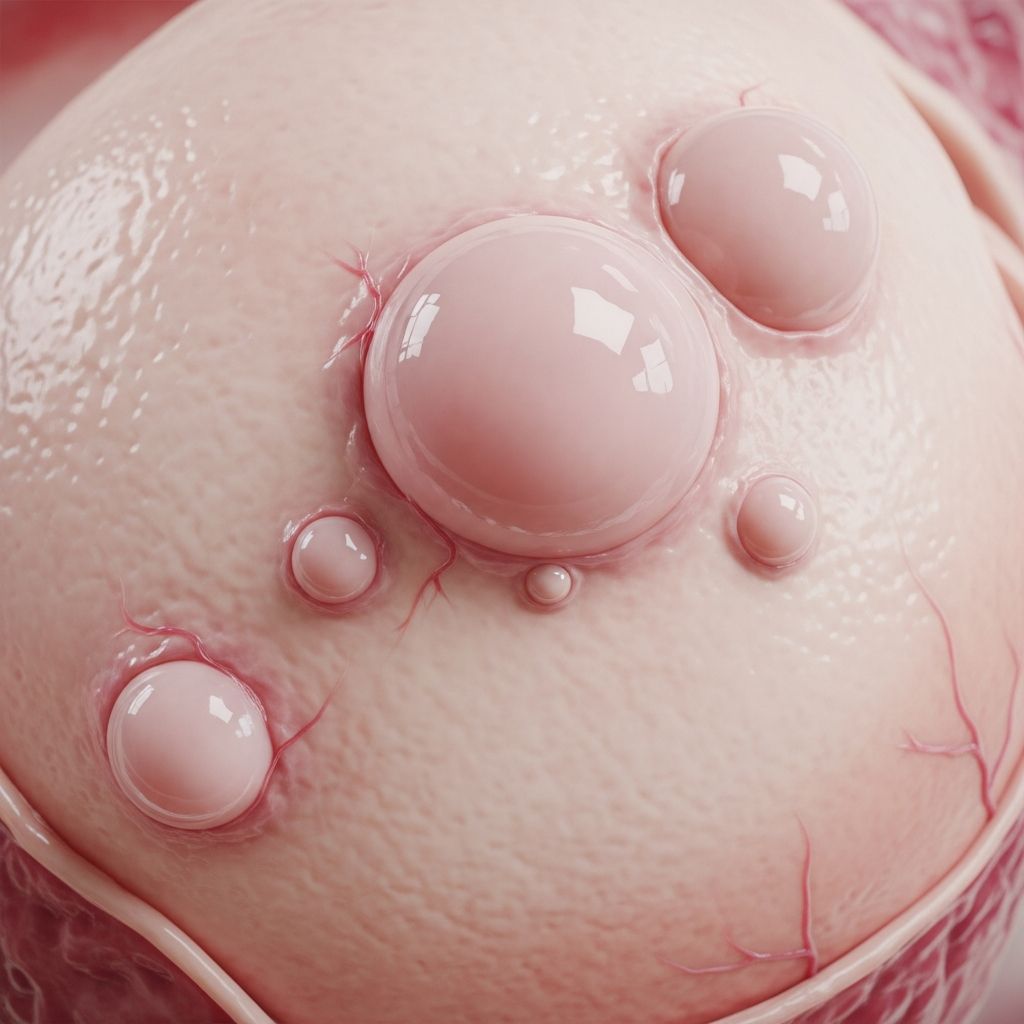
Follicular cystic ovary disease represents a significant hurdle in dairy cattle reproduction, where oversized follicles fail to ovulate, disrupting normal estrous cycles and delaying conception. This condition leads to extended calving intervals, increased services per conception, and higher culling rates, imposing substantial economic burdens on dairy operations.
Recognizing the Condition in Dairy Herds
In dairy cows, follicular cysts manifest as fluid-filled structures exceeding 25 mm in diameter that linger on the ovaries for over 10 days without ovulating. Unlike normal follicles that rupture to release eggs at 13-17 mm, these persist, often in the absence of a corpus luteum, halting progesterone production and estrus expression.
Affected cows typically exhibit irregular or absent heat signs, though some may display nymphomania with frequent, unproductive heats. This variability complicates early detection, as cysts can extend days open by 13-33 days on average.
- Prevalence: Incidence rises with parity; first-lactation heifers face 40-80% lower risk than multiparous cows.
- Types: Primarily follicular (thin-walled, non-luteinized) versus luteal (with luteal tissue), each demanding tailored interventions.
Risk Factors Driving Cyst Formation
Multiple stressors around calving predispose cows to follicular cysts. High milk yield, negative energy balance, and metabolic disruptions post-partum elevate risk.
| Risk Factor | Description | Impact |
|---|---|---|
| Twinning/Dystocia | Difficult births strain hormonal balance | Increases odds by 2-3x |
| Retained Placenta | Delays uterine recovery | Linked to 20-30% higher incidence |
| Over-Conditioning | Excess fat mobilization | Promotes low progesterone environments |
| High Parity | Older cows more susceptible | Up to 80% elevated risk |
Transition period management is crucial; balanced rations prevent over-conditioning, while vigilant monitoring of periparturient health minimizes complications.
Diagnostic Approaches for Accurate Identification
Transrectal palpation remains the cornerstone, feeling for structures >25 mm soft and fluctuant (follicular) or firm (luteal). Ultrasonography enhances precision, distinguishing cyst types by wall thickness, luteinization, and aspirate cellularity.
- Palpation: Quick farm-side check; cysts feel grape-like.
- Ultrasound: Confirms size (>17 mm persisting >6-10 days), rules out corpora lutea.
- Differentiation: Essential, as follicular cysts show lower estrus response to prostaglandins.
Early diagnosis around 30-50 days in milk (DIM) prevents delays; rechecks before breeding confirm resolution.
Treatment Strategies: Protocols and Outcomes
Treatment hinges on cyst type. GnRH analogs like buserelin induce ovulation effectively across types, yielding 72-77% estrus rates.
| Treatment | Cyst Type | Estrus Rate | Conception Rate | Notes |
|---|---|---|---|---|
| GnRH (e.g., Buserelin) | Follicular | 77.5% | 67.7% | Preferred; shortest time to fertility |
| GnRH | Luteal | 72.4% | 47.5% | Viable but lower conception |
| PGF2α (Dinoprost) | Follicular | 55.1% | 60% | Poor estrus induction |
| PGF2α | Luteal | 77.2% | 56.9% | Best for luteal; lyses CL |
Ovsynch Protocols: For timed AI, combine GnRH + PGF2α + GnRH; add CIDR for progesterone support in low-prog environments, boosting cycling resumption.
Post-treatment, monitor TFEI (time to first estrus insemination): GnRH equalizes at ~18 days regardless of type.
Effects on Reproductive Tract and Fertility
Beyond ovaries, cysts alter fallopian tube morphology: disrupted ampulla folds, shifted epithelial ratios, and aberrant mucopolysaccharide synthesis impair transport and early embryo viability.
- Oviduct Changes: Cyst-specific; follicular cysts yield thinner walls, variable glycosylation.
- Long-term: More services/conception (1.5-2x), 15-20% lower pregnancies, elevated culling.
Prevention Through Herd Management
Proactive strategies curb incidence:
- Optimize dry cow nutrition to avoid obesity.
- Minimize calving issues via skilled assistance.
- Monitor fresh cows closely; treat early cysts.
- Use balanced transition rations.
Avoiding chronic cases via culling repeat offenders maintains herd fertility.
FAQs on Follicular Cysts in Cows
What causes follicular cysts in dairy cows?
Primarily periparturient stress like dystocia, twins, or energy deficits disrupting ovulation.
How do you differentiate follicular from luteal cysts?
Ultrasound assesses wall thickness and luteinization; palpation notes texture.
Is GnRH always the best treatment?
Yes for follicular; PGF2α suits luteal better. Type-specific choice optimizes outcomes.
Can cysts resolve without treatment?
Rarely; most persist >10 days, requiring intervention for fertility.
How much do cysts cost dairy farms?
Extended intervals (13-33 days), extra breedings, culling losses.
References
- Reproductive performance in dairy cows with cystic ovarian disease — Garverick HA et al. 2018-07-20. https://pmc.ncbi.nlm.nih.gov/articles/PMC6068299/
- Cystic ovary disease (COD) alters structure and function of the Fallopian tube in the cow — Augustin J et al. 2018-12. https://onlinelibrary.wiley.com/doi/full/10.1002/mrd.23725
- Cystic Ovary Disease and Cystic Corpus Luteum in Cows — MSD Veterinary Manual. 2023. https://www.msdvetmanual.com/reproductive-system/cystic-ovary-disease/cystic-ovary-disease-and-cystic-corpus-luteum-in-cows
- Bovine – Cystic Ovaries in Dairy Cattle — MW Veterinary Services. 2023. https://www.mwvets.com/bovine-cystic-ovaries
- Cystic Ovarian Disease in Cows — Partners in Reproduction. 2022. https://www.partners-in-reproduction.com/diseases-disorders/estrus-disorders/cystic-ovarian-disease/
- Cystic Ovarian Disorders: Diagnosis, Cause and Treatment — Penn State Extension. 2021-05-27. https://extension.psu.edu/cystic-ovarian-disorders-diagnosis-cause-and-treatment
Similar Articles








Read full bio of medha deb


