

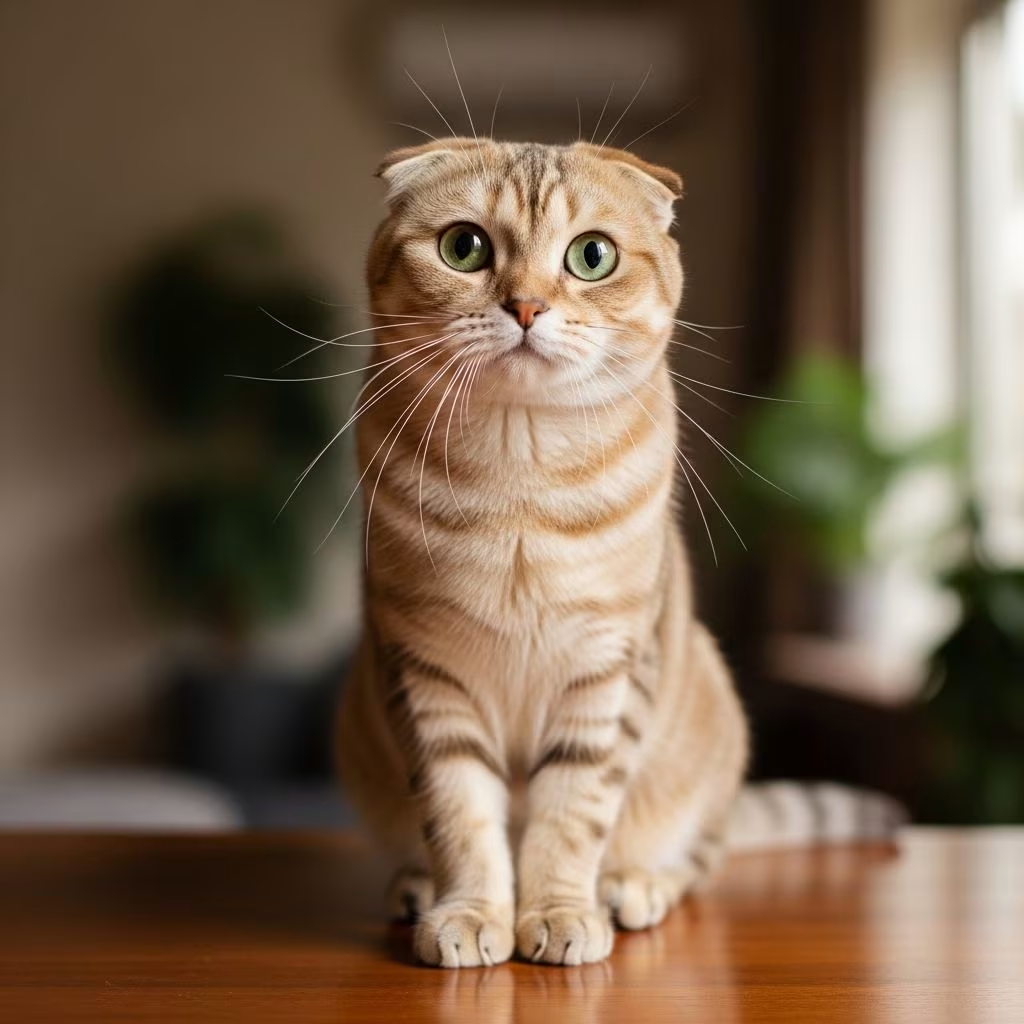
The Foldex cat, also recognized as the Exotic Fold, represents one of the most distinctive and charming cat breeds to emerge in recent decades. Originating in Quebec, Canada, this captivating feline combines the endearing qualities of two well-established breeds to create a companion that captures hearts with its teddy bear-like appearance and gentle disposition. Whether you’re considering adding a Foldex to your family or simply curious about this rare breed, understanding its background, physical attributes, and care needs will help you appreciate what makes these cats truly special.
The Origin Story and Development of the Foldex Breed
The Foldex breed emerged during the early 1990s in Quebec, Canada, representing an intentional crossing between the Scottish Fold and the Exotic Shorthair cat. This selective breeding program was motivated by a desire to create a feline with the most appealing characteristics of both parent breeds while minimizing potential health concerns associated with either lineage. The breed was first publicly exhibited in 1995 at a cat show in Quebec, where its unique appearance immediately captured the attention and affection of feline enthusiasts.
Jeanne Barrette, a dedicated breeder, became instrumental in the Foldex’s development and recognition. Her unwavering commitment to establishing breed standards and promoting the Foldex led to significant milestones in the breed’s official acceptance. In November 1998, the Canadian Cat Association granted the Foldex status as an Experimental Breed, acknowledging its legitimacy as a developing feline variety. The breed continued to gain recognition, achieving New Breed status in August 2006, and ultimately obtaining full Championship status in March 2010.
Physical Characteristics That Define the Foldex
Foldex cats possess a distinctive appearance that immediately sets them apart from other feline breeds. These medium-sized cats display a sturdy, muscular build despite their compact proportions. Their most recognizable feature is undoubtedly their small, folded ears with rounded tips that fold forward and downward, creating an endearing expression that many describe as owl-like or reminiscent of a cuddly teddy bear.
Facial Features and Body Structure
- Head Shape: Round and proportionate with a pronounced rounded appearance
- Eyes: Large, wide-set, and characteristically open with a gentle, sweet expression
- Nose: Shortened with a visible break between the eyes
- Neck: Short and sturdy, supporting the rounded head
- Legs: Proportionally short relative to body length, creating a compact silhouette
- Build: Solid and muscular despite the small frame, weighing approximately 5.9 to 13.2 pounds
Coat Characteristics
Interestingly, Foldex cats can inherit either short or long coats, as the breed accepts both varieties. Their coat typically appears plush and dense, available in a wide range of colors and patterns including solids, tabbies, and bi-color combinations. Regular grooming helps maintain the coat’s health and appearance, particularly for those individuals with longer hair.
The Genetics Behind Folded Ears
The folded ear characteristic in Foldex cats results from a single dominant or incomplete dominant gene inherited from their Scottish Fold ancestry. This genetic factor represents one of the most striking visual elements of the breed, though it comes with important breeding considerations.
A critical aspect of responsible Foldex breeding involves never pairing two folded-ear cats together. This practice prevents the potential doubling of the folded-ear gene, which could result in serious bone deformities and skeletal complications. Instead, breeders consistently mate folded-ear individuals with straight-ear cats, ensuring genetic diversity and health protection.
Due to this breeding protocol, statistically only 50% of Foldex kittens will inherit the folded-ear gene and display the characteristic ear fold. Those without the fold are called “Straights” and possess normal, upright ears similar to other domestic cat breeds. Both Folded and Straight variations are recognized within the breed standard, with folded-ear kittens typically showing the distinctive ear fold between 21 and 28 days of age.
Temperament and Behavioral Traits
Beyond their physical appeal, Foldex cats are celebrated for their exceptional temperament and behavioral characteristics. These felines exhibit intelligence combined with a calm, patient demeanor that makes them excellent family companions. They genuinely enjoy human interaction and seek affection from family members while remaining gentle and non-aggressive even when encountering strangers.
Social and Interactive Qualities
- Highly affectionate and loyal to family members
- Enjoy cuddling and being held, making them excellent lap cats
- Friendly toward unfamiliar people when properly socialized
- Playful and curious with a strong desire to explore their environment
- Intelligent enough to learn basic commands and tricks
- Good-natured with children and other household pets
- Relatively quiet vocalization, making them suitable for apartment living
Foldex cats demonstrate remarkable patience during frustrating or challenging situations, rarely becoming aggressive or destructive. Their easy-going nature combined with their intelligence makes them responsive to training and environmental enrichment. Many owners report that Foldex cats enjoy interactive play with toys and puzzle feeders, providing mental stimulation that keeps them engaged and content.
Living Arrangements and Environmental Needs
One significant advantage of the Foldex breed is their adaptability to various living situations. These cats are well-suited for apartment living, as they are not particularly vocal or demanding in terms of space. However, they do appreciate enrichment opportunities and interactive engagement with their owners.
Providing appropriate toys, climbing structures, and interactive play sessions helps satisfy their curious nature and intelligent minds. Window perches allow them to observe outdoor activity, which provides mental stimulation without requiring outdoor access. Creating a stimulating indoor environment with varied textures, heights, and interactive elements ensures these cats remain happy and psychologically healthy.
Health Considerations and Lifespan
Foldex cats typically enjoy a lifespan of 12 to 15 years with proper care and attention. Like all breeds, they require regular veterinary checkups, appropriate vaccinations, and preventive healthcare to maintain optimal health.
The primary health consideration specific to folded-ear breeds relates to potential skeletal or cartilage issues inherited from the Scottish Fold lineage. Responsible breeders actively work to minimize these risks through careful breeding practices, including never pairing two folded-ear individuals together. Pet owners should acquire Foldex cats from reputable breeders who prioritize health screening and genetic testing.
Regular ear cleaning is particularly important for Foldex cats, as their folded ear structure may require additional attention to prevent wax buildup and infections. Dental care, nail trimming, and weight management also contribute to long-term health and quality of life.
Grooming and Maintenance Requirements
Maintaining a Foldex cat’s appearance and health involves consistent grooming practices. While their coat is generally manageable, regular brushing prevents matting and reduces shedding throughout the home. The frequency of grooming depends on whether the individual cat has short or long hair, with long-coated Foldex cats requiring more frequent attention.
Beyond coat care, attention to ear hygiene is essential due to their unique ear structure. Gentle, regular cleaning with veterinarian-approved solutions helps prevent infections and discomfort. Additionally, routine nail trimming, teeth brushing when possible, and dental check-ups contribute to overall health and wellness.
Dietary Needs and Nutritional Considerations
Proper nutrition supports the health and vitality of Foldex cats throughout their lifespan. These moderately active felines require a balanced diet rich in proteins and essential nutrients. Quality commercial cat food, whether wet or dry, formulated for adult cats meets most nutritional requirements when selected from reputable manufacturers.
Because Foldex cats can have a tendency toward moderate activity levels rather than extreme athleticism, monitoring food portions helps prevent obesity, which could stress joints or exacerbate any skeletal sensitivities. Consultation with a veterinarian helps determine appropriate portion sizes and dietary choices tailored to individual cats’ needs and any specific health considerations.
Availability and Acquisition
The Foldex remains a relatively rare breed, primarily recognized by the Canadian Cat Association. Prospective owners seeking a Foldex should research reputable breeders who maintain health standards and ethical breeding practices. Because the breed is uncommon, availability may be limited, and responsible breeders typically conduct careful screening of potential owners.
Acquiring a Foldex from an established, health-conscious breeder ensures that the kitten comes from appropriate genetic backgrounds and has received proper socialization and initial veterinary care. This approach supports the breed’s continued development while promoting the health and welfare of individual cats.
Frequently Asked Questions
Do all Foldex cats have folded ears?
No, approximately 50% of Foldex kittens inherit the folded-ear gene, while the other half have straight ears. Both variations are recognized within the breed standard.
Are Foldex cats good for families with children?
Yes, Foldex cats display gentle, patient temperaments and generally interact well with children. Their calm nature and playfulness make them suitable family companions when children are taught appropriate handling and respect.
How much space do Foldex cats need?
Foldex cats adapt well to apartment living and don’t require extensive space. They appreciate enrichment through interactive toys and climbing structures but are content in smaller living environments compared to some other breeds.
What is the typical cost of a Foldex kitten?
Because Foldex cats are relatively rare and primarily recognized in Canada, acquisition costs vary significantly based on breeder reputation and location. Prospective owners should expect to pay premium prices for kittens from established, health-conscious breeders.
Do Foldex cats have specific health problems?
The primary health consideration involves potential skeletal issues inherited from Scottish Fold ancestry. Responsible breeders minimize these risks through careful breeding practices and genetic screening. Regular veterinary care and monitoring help identify and address any health concerns early.
References
- The Foldex — ShowCatsOnline. Accessed January 29, 2026. https://showcatsonline.com/the-foldex/
- All about Foldex cat breed — Animalia. Accessed January 29, 2026. https://animalia.bio/pets/foldex-cat
- Foldex Cats 101: Fun Facts & Myths — YouTube. Accessed January 29, 2026. https://www.youtube.com/watch?v=WLBjcFRMWPs
- Foldex cat Facts for Kids — Kiddle. Accessed January 29, 2026. https://kids.kiddle.co/Foldex_cat
- Unusual Cat Breeds with Folded or Curled Ears — Cat Wisdom 101. Accessed January 29, 2026. https://catwisdom101.com/unusual-cat-breeds-with-folded-or-curled-ears/



