

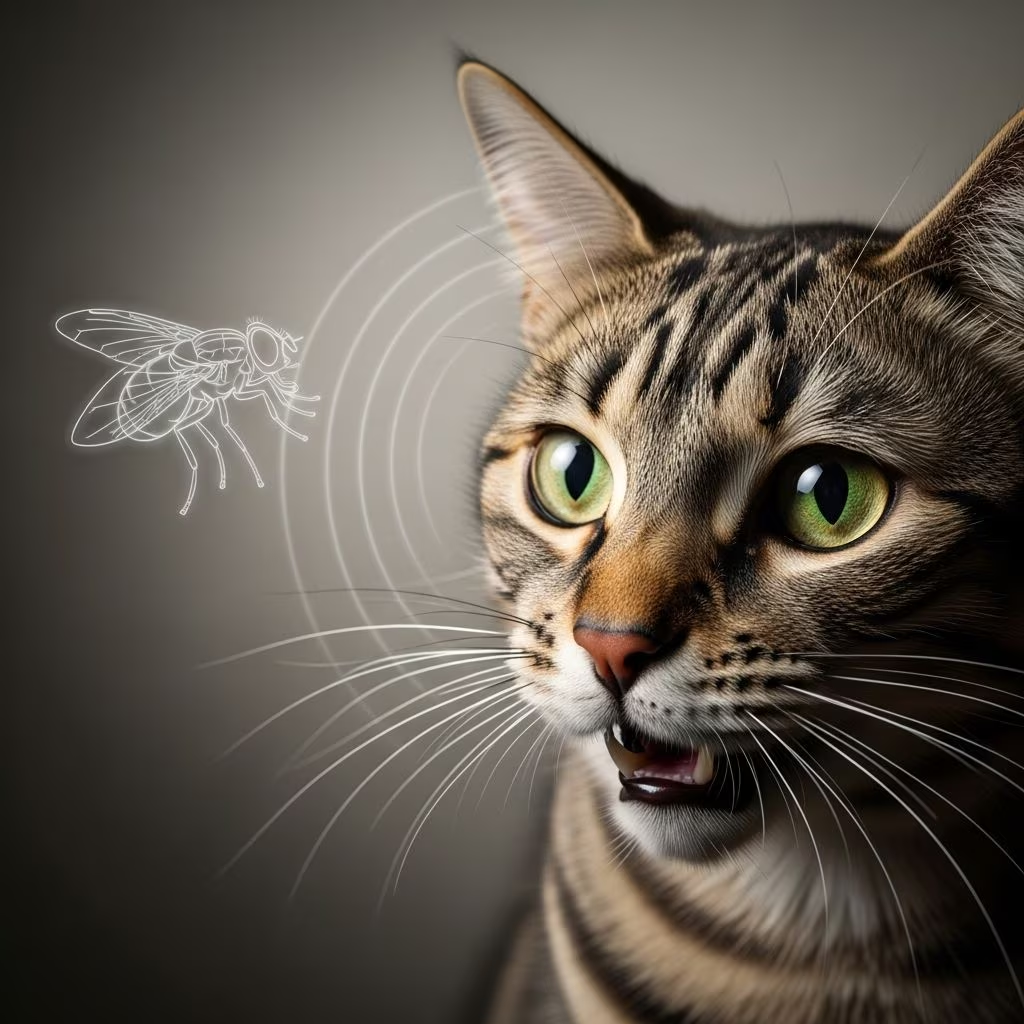
Understanding Focal Seizures and Fly-Biting in Cats
Seizures in cats can be alarming and distressing for pet owners, but understanding the different types of seizures—particularly focal seizures and the peculiar fly-biting behavior—can help you better care for your feline companion. Focal seizures are the most common type of seizure experienced by cats, and they originate from a specific location in the brain rather than affecting the entire brain at once. One distinctive manifestation of focal seizures in cats is a behavior known as fly-biting, where cats appear to snap at invisible objects or flies, often accompanied by other behavioral or physical changes. This comprehensive guide will help you understand what focal seizures are, how fly-biting relates to them, and what treatment and management options are available for your cat.
What Are Focal Seizures?
Focal seizures, also known as partial seizures, occur when abnormal electrical activity is confined to a specific region of the brain rather than spreading throughout the entire brain. Unlike generalized seizures, which affect the whole brain and typically result in loss of consciousness and full-body convulsions, focal seizures produce symptoms limited to the area of the brain experiencing the abnormal activity. This localized nature means that focal seizures in cats may present with a wide variety of clinical signs depending on which part of the brain is affected.
The characteristics of focal seizures in cats differ significantly from generalized seizures in several important ways. Focal seizures often do not have a pre-ictal phase (warning signs before the seizure) or a post-ictal phase (recovery period after the seizure). This means that a cat experiencing a focal seizure may exhibit symptoms suddenly, with minimal warning, and may recover just as quickly, appearing as though nothing unusual has occurred. The cat’s level of consciousness may or may not be affected during a focal seizure, and the duration of these episodes can vary considerably.
Types of Focal Seizures in Cats
Focal seizures in cats can be categorized into several types based on their manifestations:
Motor Focal Seizures
Motor focal seizures involve involuntary muscle contractions in specific body parts. These may include facial twitching, rhythmic head movements, or twitching of a single limb or ear. Cats may experience repeated contractions of facial muscles, mouth movements resembling chewing, or eye twitching. These physical manifestations are localized to one area of the body.
Autonomic Focal Seizures
Autonomic focal seizures affect the involuntary nervous system and may result in excessive salivation (hypersalivation), vomiting, gagging, diarrhea, or abdominal pain. These seizures involve automatic bodily functions and can be mistaken for gastrointestinal problems if not properly diagnosed.
Behavioral Focal Seizures and Fly-Biting
Behavioral focal seizures produce unusual behavioral changes in cats. The most well-known example is fly-biting, where a cat repeatedly snaps or chomps their mouth at the air as if trying to catch invisible flies. This behavior can also include tail chasing, random circling, persistent grooming or licking, or unusual running patterns. Fly-biting is considered a hallmark sign of a behavioral focal seizure and often captures the attention of cat owners due to its distinctive and unusual nature.
Psychomotor Seizures
Psychomotor seizures are a specific type of focal seizure involving the limbic system of the brain, which controls emotions and behavior. During psychomotor seizures, cats experience an alteration in awareness and consciousness. They may exhibit uncharacteristic aggression, irrational fear, unprovoked behavioral changes, or appear to be in an altered state resembling hallucination. These seizures are particularly concerning because the behavioral changes may be dramatic and out of character for the cat, potentially causing injury to themselves or others.
What Causes Focal Seizures and Fly-Biting?
Focal seizures in cats can result from various underlying causes. Understanding the potential causes is essential for proper diagnosis and treatment:
Idiopathic Epilepsy
Idiopathic epilepsy, where no specific underlying cause can be identified, is a common reason for focal seizures in cats. This condition is believed to have a genetic component and represents dysfunction in the brain’s electrical system without an identifiable structural abnormality.
Intracranial Causes
Various conditions affecting the brain itself can trigger focal seizures, including brain tumors, infections, inflammatory conditions, head trauma, or brain malformations. These structural or infectious problems can create areas of abnormal electrical activity in the brain.
Metabolic Disorders
Systemic conditions affecting the body’s metabolism can precipitate seizures, including hypoglycemia (low blood sugar), hepatic encephalopathy (brain dysfunction from liver disease), uremia (buildup of waste products from kidney disease), and electrolyte imbalances. These metabolic disturbances interfere with normal brain function.
Toxin Exposure
Exposure to certain toxins can cause seizures in cats. One particularly important toxin is permethrin, commonly found in dog flea and tick preventative products. Even small amounts of permethrin can be catastrophic in cats, as they lack certain liver enzymes that allow dogs to metabolize this compound safely. Permethrin toxicity is frequently mistaken for seizures due to the severe muscle twitches it produces.
Environmental Triggers
Stress, anxiety, and environmental changes can trigger seizures in predisposed cats. Some cats may have seizures precipitated by specific situations or stressful events.
Recognizing Seizure Phases
Understanding the three phases of seizures can help you recognize and respond appropriately to your cat’s episodes:
Pre-Ictal Phase
The pre-ictal phase is the period before the seizure begins. Unlike generalized seizures, focal seizures often do not have an obvious pre-ictal phase. However, some cats may show subtle signs such as restlessness, anxiety, or behavioral changes moments before a focal seizure begins.
Ictal Phase
The ictal phase is the actual seizure period. During this phase, focal seizures in cats may involve facial twitching, head bobbing, leg paddling (usually affecting only one or two legs), snapping or chomping movements of the mouth, vocalizations such as meowing or growling, persistent circling, or random running. Some cats may experience multiple symptoms simultaneously, while others may show only one or two signs. The ictal phase of focal seizures is typically shorter than generalized seizures.
Post-Ictal Phase
The post-ictal phase, or recovery period, is often brief or completely absent in focal seizures. This is one of the distinguishing characteristics of focal seizures—cats may recover almost immediately, appearing normal within seconds or minutes. In some cases, there may be no noticeable recovery period at all.
Diagnosis of Focal Seizures
Proper diagnosis is crucial for determining the underlying cause and appropriate treatment. Your veterinarian will use several diagnostic approaches:
Detailed History and Physical Examination
Your veterinarian will ask detailed questions about when the seizures occur, how long they last, what behaviors are exhibited, how frequently they happen, and any patterns you have noticed. A thorough physical examination helps rule out other conditions. Keeping a seizure diary with specific details about each episode is invaluable for diagnosis.
Blood Tests
Laboratory work including complete blood counts, blood chemistry panels, and thyroid function tests helps identify metabolic or systemic causes of seizures. Blood tests can reveal hypoglycemia, liver disease, kidney disease, electrolyte abnormalities, and other conditions that might trigger seizures.
Brain Imaging
Magnetic resonance imaging (MRI) or computed tomography (CT) scans provide detailed images of the brain and can identify structural abnormalities such as tumors, inflammation, or other lesions that might be causing focal seizures. These imaging studies are particularly important when seizures are suspected to have an intracranial cause.
Cerebrospinal Fluid Analysis
In some cases, analysis of cerebrospinal fluid may be recommended to check for infections or inflammatory conditions affecting the brain and spinal cord.
Treatment Options for Focal Seizures
Treatment approaches for focal seizures depend on the frequency, severity, underlying cause, and your cat’s individual response to therapy:
Addressing Underlying Causes
When focal seizures result from an identifiable underlying condition, treating that condition may resolve or significantly improve the seizures. For example, treating hypoglycemia, managing metabolic disorders, removing toxin exposure, or surgically removing a brain tumor can effectively control seizures.
Anticonvulsant Medications
For cats with frequent focal seizures or idiopathic epilepsy, anticonvulsant medications are the primary treatment. Several medications are commonly used:
Phenobarbital is a long-established anticonvulsant frequently used in cats for seizure control. It works well for many cats but requires regular blood testing to monitor levels and watch for potential liver toxicity.
Levetiracetam (Keppra) is increasingly popular for treating feline seizures because it often has fewer side effects compared to phenobarbital and may be easier to manage.
Potassium bromide is another effective anticonvulsant option, though it requires careful monitoring and may not be suitable for all cats.
Zonisamide represents another option for seizure management with a favorable side effect profile.
Your veterinarian may use medications alone or in combination, as individual cats respond differently to various anticonvulsants. Anti-convulsant therapy is typically lifelong and requires close monitoring with regular blood tests to ensure medication levels remain in the therapeutic range and to check for adverse effects.
Emergency Seizure Management
For acute seizure events, your veterinarian may recommend keeping rectal diazepam at home for emergency administration. Rectal administration of diazepam can shorten and reduce the severity of an active seizure. Injectable or intranasal benzodiazepines may also be prescribed for emergency situations.
Supportive Care
Cats with hypoglycemia, toxin ingestion, or severe systemic illness often require hospitalization with intravenous fluid therapy, and sometimes sugar (dextrose) supplementation. Kittens with hypoglycemic seizures often recover well with appropriate sugar supplementation in a hospital setting combined with parasitic control and adequate caloric intake.
Managing Your Cat During a Seizure
If your cat experiences a focal seizure, proper management during the episode is essential for safety:
- Create a safe environment: Gently move your cat away from hazards such as stairs, hard furniture, or sharp objects that could cause injury during the seizure.
- Protect your cat’s mouth: Never put your hands or face near your cat’s mouth during a seizure, as involuntary jaw clamping can cause serious injury. Cats cannot swallow their tongue despite common misconceptions.
- Provide cushioning: Place your cat on protective blankets and pillows to minimize injury from falls or striking hard surfaces.
- Avoid restraint: Do not hold or restrain your cat during a seizure, as this may cause unexpected aggression or make the cat feel more anxious.
- Monitor the duration: Keep track of how long the seizure lasts. Seizures lasting longer than two minutes or multiple seizures occurring in succession require emergency veterinary care.
- Speak softly after recovery: As the active seizure phase concludes, speak slowly, softly, and calmly to your cat. Offer small amounts of water and food only after the cat is fully alert and responsive.
Long-Term Management and Quality of Life
Managing a cat with focal seizures involves ongoing care and monitoring:
Maintaining Medication Compliance
Giving medications consistently as prescribed is crucial for seizure control. Missing doses can result in breakthrough seizures. Set reminders and establish a routine to ensure your cat receives medications on schedule.
Regular Veterinary Monitoring
Schedule regular check-ups with your veterinarian to assess your cat’s seizure control and medication effectiveness. Periodic blood tests monitor anticonvulsant levels and check liver and kidney function, particularly for cats on phenobarbital.
Seizure Diary
Continue maintaining a seizure diary documenting the date, time, duration, and characteristics of each seizure. This information helps your veterinarian evaluate whether current treatment is effective and whether adjustments are needed.
Environmental Modifications
Create a calm, stable environment for your cat with minimal stress and predictable routines. Consistent feeding times, regular activity schedules, and a peaceful home environment can help reduce seizure frequency in stress-sensitive cats.
Dietary Considerations
Prescription diets designed for brain health, containing omega-3 fatty acids, antioxidants, and specific amino acids, may support neurological function. Maintain consistent nutrition and ensure your cat has constant access to fresh water, as dehydration can exacerbate neurological issues.
Important Safety Considerations
- Never use dog flea and tick preventatives on your cat, as permethrin toxicity can mimic and actually cause seizures.
- If your cat is not responding to standard anticonvulsant medications, consider whether permethrin exposure might be the underlying problem.
- Cats with certain types of focal seizures (those involving the limbic system) may exhibit unexpected aggression during or immediately after seizures—exercise caution and allow space for recovery without restraint.
- Focal seizures can evolve into generalized seizures, so maintain close observation of your cat during episodes and report any changes to your veterinarian.
Frequently Asked Questions (FAQs)
Q: Are focal seizures in cats the same as fly-biting?
A: Fly-biting is one specific manifestation of focal seizures in cats, particularly behavioral focal seizures. Not all focal seizures involve fly-biting, and not every instance of fly-biting behavior necessarily indicates a seizure disorder. Your veterinarian can help determine whether your cat’s behavior represents seizure activity.
Q: Can focal seizures in cats progress to generalized seizures?
A: Yes, focal seizures can evolve into generalized seizures. This is why ongoing monitoring and management are important. Report any changes in seizure patterns or severity to your veterinarian immediately.
Q: How often do focal seizures occur in cats?
A: The frequency varies considerably among individual cats. Some cats may experience rare episodes, while others may have frequent seizures. Your veterinarian will help determine whether treatment is necessary based on frequency and severity.
Q: Will my cat need to take anticonvulsant medication for life?
A: In most cases of idiopathic epilepsy or chronic focal seizure disorders, anticonvulsant therapy is lifelong. However, if seizures result from a treatable underlying condition, treatment of that condition may eliminate the need for long-term anticonvulsant therapy.
Q: Are there side effects associated with seizure medications in cats?
A: Yes, all medications can have side effects. Phenobarbital can affect liver function, while other anticonvulsants may cause sedation or behavioral changes. Your veterinarian will discuss potential side effects and monitor your cat closely to minimize adverse effects.
Q: What should I do if my cat’s seizure lasts longer than a few minutes?
A: Contact your veterinarian or emergency veterinary clinic immediately. Seizures lasting longer than two minutes or multiple seizures occurring in rapid succession require emergency veterinary evaluation and treatment to prevent status epilepticus, a life-threatening condition.
Q: Can I use human seizure medications for my cat?
A: No. Always use medications prescribed specifically by your veterinarian for your cat. Dosages and formulations differ between species, and using inappropriate medications can be dangerous.
References
- Seizures in Cats — PetMD. 2025. https://www.petmd.com/cat/symptoms/seizures-cats
- Understanding Seizures in Cats — ManyPets. 2025. https://manypets.com/us/blog/seizures-in-cats/
- Seizure Management for the Small Animal Practitioner — Auburn University College of Veterinary Medicine. 2018. https://www.vetmed.auburn.edu/wp-content/uploads/2018/09/Seizure-Management.pdf
- What Should I Do If My Pet Has a Seizure? — Animal Emergency PLLC. 2025. https://ervets4pets.com/what-should-i-do-if-my-pet-has-a-seizure/
- Managing Seizures — Cornell University College of Veterinary Medicine. 2025. https://www.vet.cornell.edu/departments-centers-and-institutes/riney-canine-health-center/canine-health-information/managing-seizures
- Taking Control of Seizures in Pets — Morris Animal Foundation. 2025. https://www.morrisanimalfoundation.org/article/taking-control-seizures-pets



