

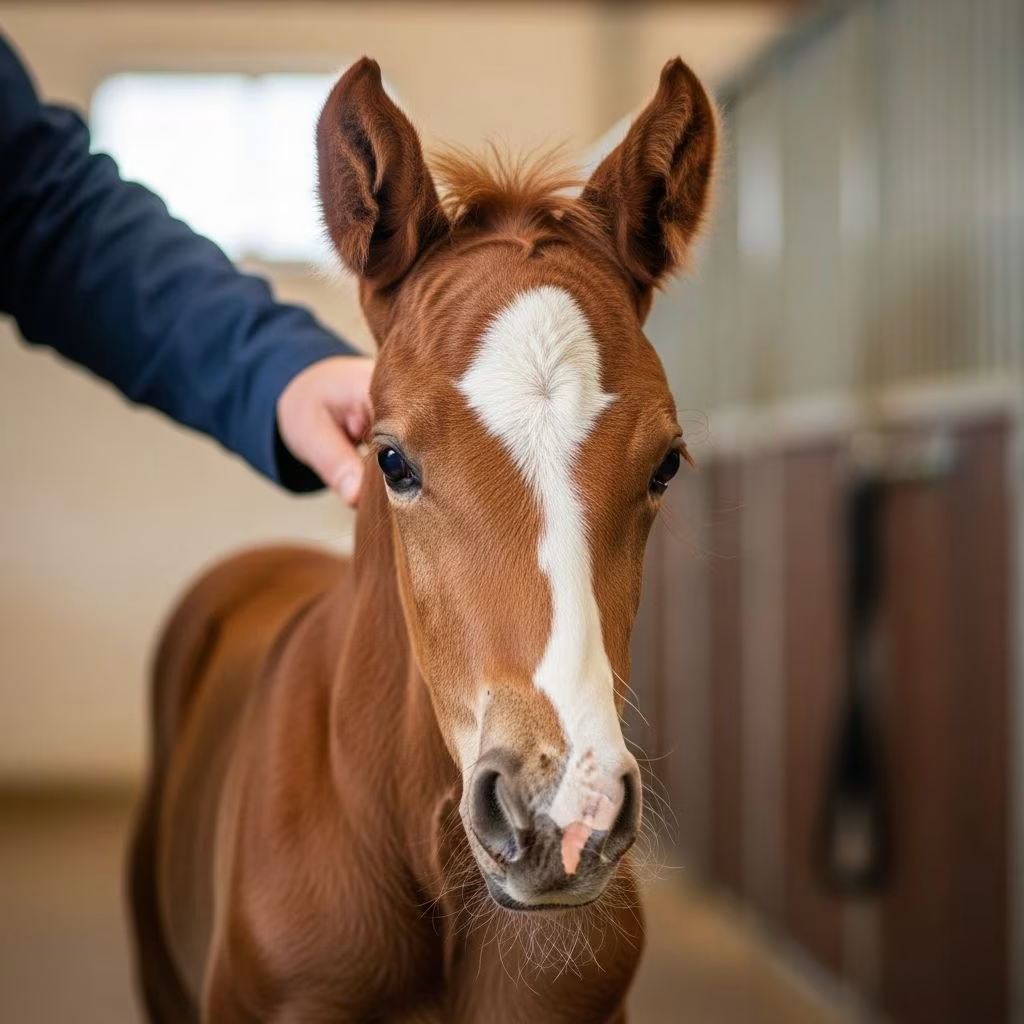
Respiratory challenges in newborn and young horses represent a significant health concern for breeders and owners. Among these, pneumonia stands out as a primary cause of morbidity and mortality, particularly in foals between 1 and 6 months of age. This condition often stems from bacterial invaders that exploit the immature immune systems of these vulnerable animals, leading to severe lung infections if not addressed promptly.
Primary Culprits Behind Foal Respiratory Distress
The most notorious pathogen responsible for foal pneumonia is Rhodococcus equi, a soil-dwelling bacterium that thrives in environments contaminated by equine feces. Foals aged 3 weeks to 5 months are especially prone, as they inhale dust-laden particles carrying the microbe during play or grazing. This intracellular pathogen targets alveolar macrophages, multiplying within them and causing destructive abscesses in the lungs.
Other bacterial agents, such as Streptococcus zooepidemicus, contribute to cases, often following viral respiratory infections or environmental stressors like weaning, transport, or overcrowding. Viral triggers weaken lung defenses, paving the way for secondary bacterial overgrowth. Aspiration pneumonia adds another layer of risk, occurring when foals inhale milk, meconium, or amniotic fluid due to swallowing difficulties, cleft palates, or improper nursing.
Recognizing the Warning Signs Early
Initial symptoms in affected foals can be subtle, mimicking general unwellness. Owners might notice persistent fever, reduced energy levels, and a soft, occasional cough. As the infection advances, respiratory distress becomes evident: rapid shallow breathing (tachypnea), audible wheezing, and increased effort during inhalation. Nasal discharge is typically minimal and clear, unlike in older horses.
- Fever often exceeds 102.5°F (39.2°C), persisting intermittently.
- Lethargy leads to reluctance to nurse or play.
- Coughing worsens with exercise or stress.
- Respiratory noises like crackles on lung auscultation.
- Advanced indicators: weight loss, diarrhea, or swollen joints signaling extrapulmonary spread.
Thoracic examination reveals uneven lung sounds, with dull areas indicating consolidation. Foals under stress may show exacerbated signs, underscoring the need for vigilant daily monitoring on endemic farms.
Diagnostic Approaches for Accurate Identification
Confirming foal pneumonia requires a multi-faceted veterinary approach. A thorough physical exam starts with auscultation and percussion to map affected lung regions. Bloodwork assesses white cell counts and inflammatory markers, while imaging—radiography and ultrasonography—visualizes abscesses, consolidations, and lymph node enlargement.
Definitive diagnosis hinges on transtracheal washes or bronchoalveolar lavage, culturing samples for R. equi and PCR testing for the VapA virulence gene. Endoscopy rules out aspiration sources like esophageal issues. Early subclinical detection via routine screening on high-risk properties can prevent progression.
| Diagnostic Tool | Purpose | Key Findings in Foal Pneumonia |
|---|---|---|
| Ultrasonography | Detect lung abscesses | Abscesses >3 cm diameter; pleural fluid |
| Thoracic Radiography | Assess consolidation | Interstitial patterns; ventral lung opacities |
| Tracheal Wash PCR | Confirm R. equi | Positive VapA gene detection |
| Blood Culture | Systemic infection check | Elevated fibrinogen; neutrophilia |
Effective Treatment Protocols
Treatment for confirmed R. equi pneumonia centers on synergistic antimicrobials: macrolides (erythromycin, azithromycin, or clarithromycin) paired with rifampin. These penetrate abscesses and macrophages effectively, requiring 4-12 weeks of therapy based on clinical and radiographic response. Foals with streptococcal infections may receive penicillin or ceftiofur initially.
Supportive care is crucial: maintain hydration via IV fluids if needed, administer NSAIDs for fever control (target rectal temp <103.5°F), and provide supplemental oxygen for hypoxemic cases. Nebulized saline and bronchodilators aid airway clearance, while anti-ulcer drugs prevent stress-induced gastric issues. Nutritional support through tube feeding ensures caloric intake during anorexia.
Monitor for complications like antibiotic-associated diarrhea or Clostridium difficile colitis in mares. Survival rates reach 70-90% with timely intervention, though severe multisystemic disease lowers prognosis.
Prevention Strategies for Farm Owners
Proactive management trumps reactive treatment on properties with R. equi history. Limit stocking density to reduce fecal-oral transmission, remove manure daily, and avoid dusty paddocks. Optimal ventilation in barns minimizes aerosolized bacteria.
Surveillance programs involve daily temperature logs, weekly ultrasounds, and pooled fecal PCR for early foal pooling. Hyperimmune plasma transfusions from vaccinated mares bolster passive immunity in high-risk neonates, though prophylactic antibiotics are discouraged due to resistance risks. Weanling stress minimization through gradual separation enhances resilience.
Key Farm Practices
- Daily manure removal from pastures and stalls.
- All-in-all-out foal grouping to break infection cycles.
- Vaccination of broodmares for plasma therapy.
- Balanced nutrition to support immune maturation.
- Quarantine new arrivals for 2-3 weeks.
Complications and Long-Term Outlook
Beyond lungs, R. equi can seed joints (physitis, synovitis), eyes (uveitis), and gut, complicating recovery. Residual lung scarring may predispose to exercise intolerance. Post-treatment, radiographic clearance guides therapy cessation. Most survivors grow into healthy adults, but recurrent farms demand ongoing vigilance.
Frequently Asked Questions (FAQs)
What is the most common age for foal pneumonia?
Primarily affects foals 1-5 months old, peaking at 3 weeks to 6 months.
Can foal pneumonia be fatal?
Yes, untreated severe cases have high mortality; early treatment yields 70-90% survival.
Is vaccination available for R. equi?
No commercial vaccine exists, but mare vaccination for hyperimmune plasma is used preventively.
How long does treatment last?
Typically 4-12 weeks, tailored to clinical improvement and imaging.
Can environmental changes prevent outbreaks?
Yes, good ventilation, low dust, and manure management significantly reduce risk.
Foal pneumonia demands swift action and informed management to protect these future equine athletes. Regular veterinary partnerships ensure the best outcomes for herd health.
References
- Rhodococcus equi Pneumonia in Foals — MSD Veterinary Manual. 2023. https://www.msdvetmanual.com/respiratory-system/respiratory-diseases-of-horses/rhodococcus-equi-pneumonia-in-foals
- Rhodococcal Pneumonia in Horses — Vetster. 2024. https://vetster.com/en/conditions/horse/rhodococcal-pneumonia
- Equine Pneumonia: Causes, Symptoms & Treatment — Mad Barn. 2023. https://madbarn.com/equine-pneumonia/
- Foal Pneumonia — Pilgrims Vets. 2021-05-01. https://www.pilgrimsvets.org.uk/about-us/blog/may-2021/foal-pneumonia
- Important Things to Know about Equine Pneumonia — Pine Ridge Equine. 2023. https://www.pineridgeequine.com/blog/important-things-to-know-about-equine-pneumonia
- Foal pneumonia (Proceedings) — DVM360. 2022. https://www.dvm360.com/view/foal-pneumonia-proceedings



