

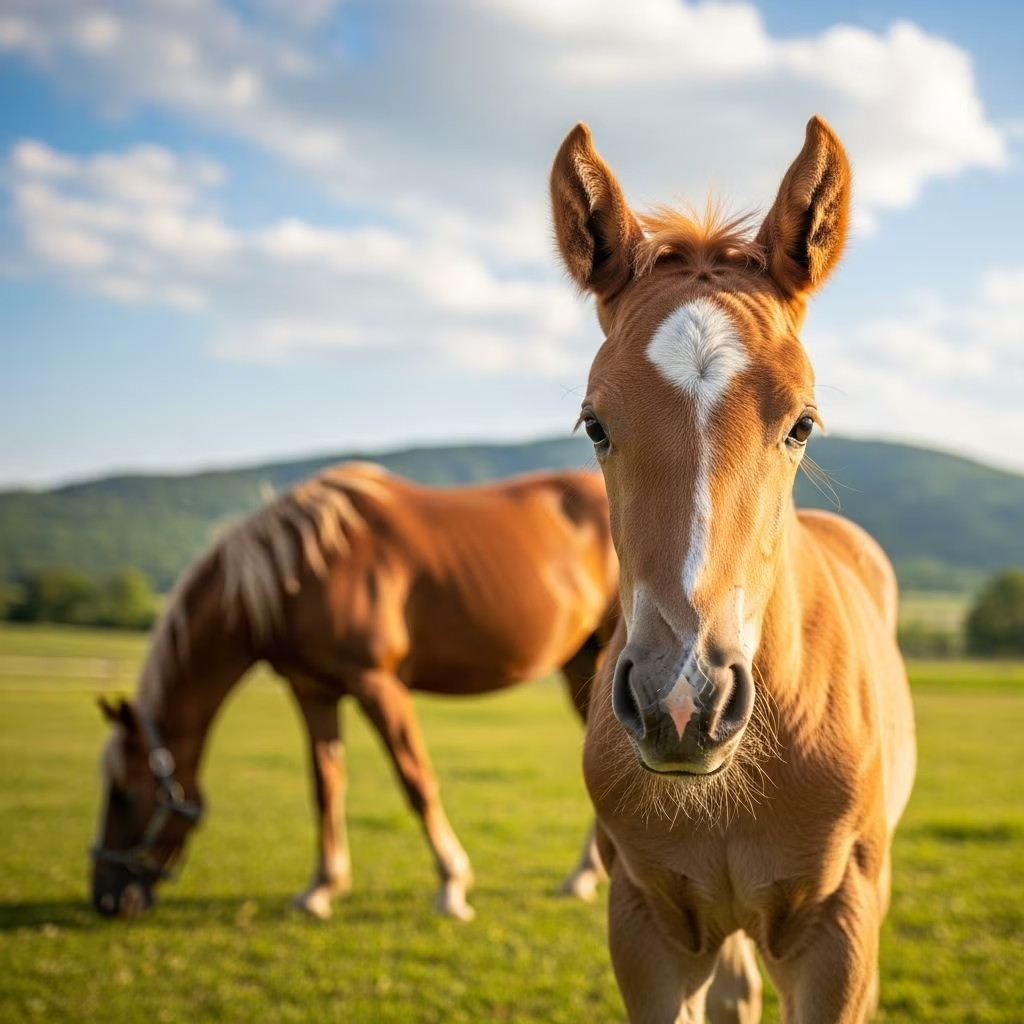
Foal heat diarrhea represents a frequent, non-threatening digestive upset in newborn foals, typically emerging between 5 and 15 days of age. This condition, characterized by loose or watery stools, stems from natural developmental processes in the foal’s immature gastrointestinal system rather than any pathological infection. Owners often worry due to the messiness and potential skin irritation it causes, but with proper monitoring and basic care, foals recover fully without medical intervention.
Understanding the Developmental Origins
The gastrointestinal tract of a newborn foal starts nearly sterile, rapidly colonizing with microbes through nursing and environmental exposure. This microbial shift, peaking around the foal’s first two weeks, disrupts normal stool consistency as beneficial bacteria establish dominance. Foals instinctively nibble on hay, grain, or even adult manure—a behavior known as coprophagy—to acquire these essential microbes, which can temporarily overload the underdeveloped colon’s absorption capacity.
Historically, this diarrhea was linked to the mare’s postpartum estrus cycle, hence the name “foal heat.” Modern research debunks this, showing no correlation with mare milk composition changes. Studies confirm that orphaned foals or those on milk replacers experience it identically, pointing squarely to the foal’s internal maturation.
Recognizing the Telltale Symptoms
Unlike severe infectious diarrheas, foal heat cases present mildly. Key indicators include:
- Loose to watery feces: Stools shift from the normal yellow, pasty newborn manure to yellow-brown, semi-liquid output, often without foul odor.
- Skin scalding: Prolonged contact with loose feces irritates the hindquarters, causing redness, hair loss, or sores around the tail and buttocks.
- Normal vitality: Foals remain bright-eyed, playful, and eagerly nursing, with stable appetite and energy levels.
Symptom duration spans 2 to 10 days, resolving as gut flora stabilizes. Fecal pH tends alkaline, with reduced volatile fatty acids, reflecting hypersecretion in the small intestine rather than inflammation.
Differentiating from Serious Conditions
Prompt distinction is crucial, as infectious diarrheas demand urgent care. Use this comparison table for clarity:
| Feature | Foal Heat Diarrhea | Infectious Diarrhea (e.g., Rotavirus, Bacteria) |
|---|---|---|
| Stool Character | Mildly loose, yellow-brown, low odor | Profuse, watery, foul-smelling |
| Foal Demeanor | Alert, nursing well | Lethargic, depressed, feverish |
| Duration | 2-10 days, self-resolves | Persistent, worsening without treatment |
| Dehydration Risk | Low if monitored | High, with sunken eyes, tacky gums |
| Treatment | Supportive only | IV fluids, antibiotics (if bacterial) |
Infectious agents like rotavirus cause colic, gas distension, and rapid dehydration, often in foals under 30 days. Salmonella or Clostridium may produce bloody stools. Always consult a vet if fever (>102°F), prolonged refusal to nurse, or sunken eyes appear.
Prevention Strategies for Proactive Owners
While unavoidable, certain practices minimize discomfort:
- Clean the perineal area multiple times daily with mild soap and water to avert scalding.
- Introduce free-choice loose salt to encourage hydration and electrolyte balance.
- Limit non-milk feed access initially, though some nibbling aids microbiome development.
- Monitor mare’s environment to reduce sand or foreign material ingestion, which can mimic or exacerbate symptoms.
Vaccinate broodmares against rotavirus (8th-10th gestational months) to prevent unrelated viral threats.
Supportive Management Without Over-Treatment
No antibiotics or antidiarrheals are needed—and they can harm by disrupting flora further. Focus on:
- Hydration support: Offer electrolyte solutions if nursing slows; vet-approved oral pastes work well.
- Skin protection: Apply petroleum jelly, zinc oxide cream, or smectite-based barriers post-cleaning to shield sensitive skin.
- Frequent checks: Assess hydration via gum color/refill time (under 2 seconds normal), skin tenting, and attitude every 4-6 hours.
Smectite clay products bind excess fluid in the gut, firming stools mildly without side effects. Severe dehydration warrants immediate vet fluids.
Long-Term Gut Health for Thriving Foals
Beyond acute episodes, foster resilience with probiotics tailored for equine neonates, supporting diverse flora. Gradual solid feed introduction post-weaning prevents relapses. Regular deworming and fecal exams catch parasites early. Healthy mares pass robust microbes via colostrum and milk, underscoring excellent broodmare nutrition.
Research highlights that foals with balanced early microbiomes grow into sturdier adults, resisting colic and tying-up issues. Track growth charts: healthy foals gain 2-3 lbs daily initially.
FAQs on Foal Heat Diarrhea
Is foal heat diarrhea dangerous?
No, it’s benign and self-limiting if the foal stays hydrated and active. Watch for dehydration signs.
Why does my foal have diarrhea if the mare isn’t in heat?
The name is misleading; it’s tied to foal gut development, not mare cycles. Orphans get it too.
When should I call the vet?
If diarrhea persists >10 days, foal is lethargic, feverish, or dehydrated (slow gum refill, dry gums).
Can diet changes trigger it?
Yes, early hay/grain nibbling contributes by altering gut secretions.
Is antibiotic treatment ever okay?
No for this condition—avoid to prevent flora disruption. Reserve for confirmed bacterial infections.
This condition underscores neonatal equine fragility, yet reassures with its predictability. Vigilant owners ensure smooth transitions to robust health.
References
- Foal Heat Diarrhea (Scours) – Signs, Causes & Treatment — Mad Barn. 2023. https://madbarn.com/foal-heat-diarrhea/
- Foal diarrhea: causes, diagnosis and treatment (Proceedings) — dvm360. 2022-05-01. https://www.dvm360.com/view/foal-diarrhea-causes-diagnosis-and-treatment-proceedings
- Diarrhea in Foals — PMC (NCBI). 2020-04-07. https://pmc.ncbi.nlm.nih.gov/articles/PMC7161402/
- Foal Diarrhoea Causes, Signs & Management — Tamworth Equine Veterinary Centre. 2023. https://tamworthequine.com.au/foal-diarrhoea/
- Diarrhoea in Foals: Causes, Types & Treatment — Foran Equine. 2024. https://foranequine.com/en-us/nutritional-hub/nutritional-article/diarrhoea-in-foals/
- Colic and Diarrhea in Foals: Symptoms and Causes — AQHA. 2023. https://www.aqha.com/-/horse-breeding-issues-colic-in-foa-2
- Foal diarrhea: What’s all the stink about? — Colorado State University Veterinary Teaching Hospital. 2022. https://vetmedbiosci.colostate.edu/vth/animal-health/foal-diarrhea/



