

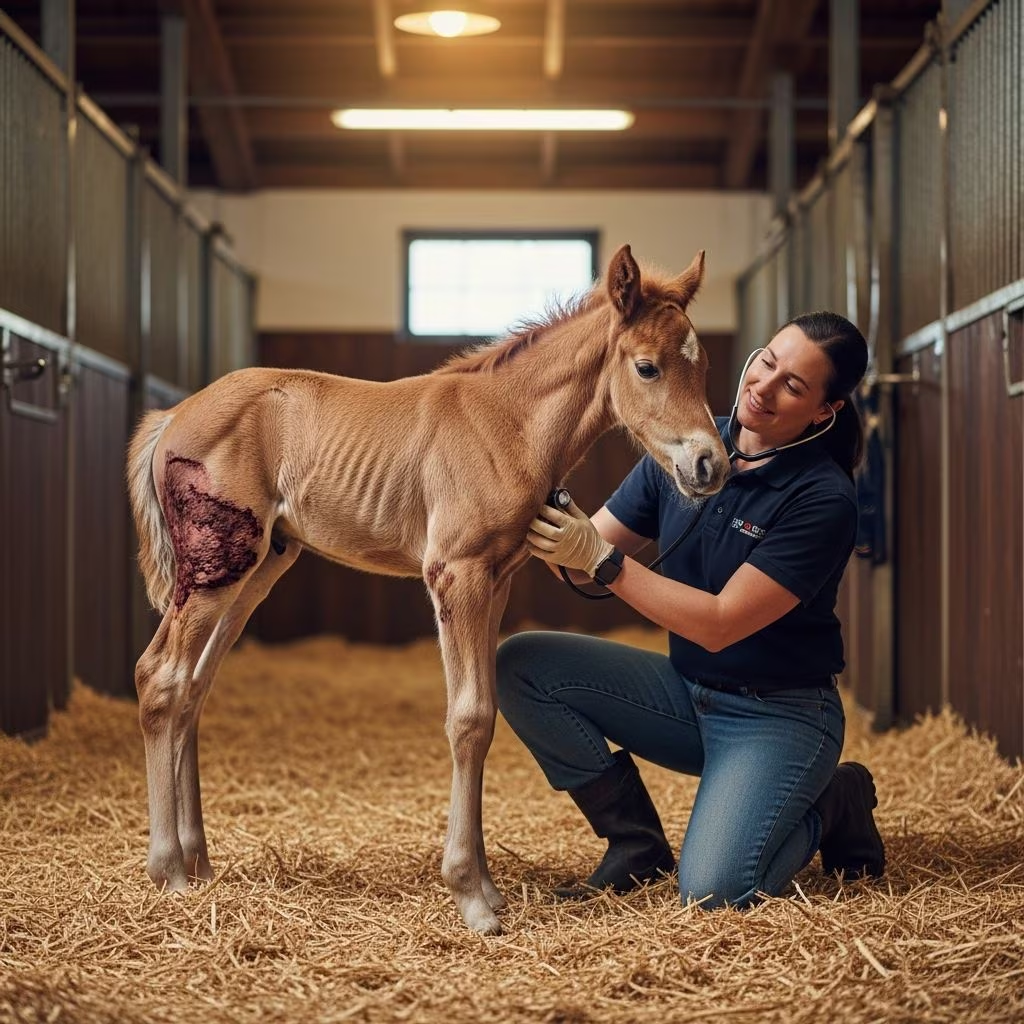
Diarrhea represents one of the most frequent health challenges encountered in neonatal and young foals, often signaling disruptions in their delicate gastrointestinal systems. While many instances resolve without intervention, prompt recognition and appropriate responses can prevent severe complications such as dehydration and sepsis. This guide delves into the multifaceted nature of this condition, equipping horse owners and veterinarians with actionable knowledge.
Understanding the Gastrointestinal Vulnerabilities of Foals
The immature digestive tract of foals, particularly those under six months, is highly susceptible to imbalances. From birth, foals rely on mare’s milk for nutrition, but transitions in diet, microbial colonization, and environmental exposures introduce risks. Key vulnerabilities include underdeveloped mucosal barriers, fluctuating gut flora, and limited colostral immunity, which collectively heighten the likelihood of diarrheal episodes.
During the first weeks of life, foals undergo rapid microbial establishment through nursing and coprophagy, processes that stabilize digestion but can temporarily loosen stools. Owners must differentiate benign fluctuations from pathological states to avoid unnecessary alarm.
Primary Infectious Triggers
Infectious agents dominate severe cases, demanding swift veterinary oversight. Viruses, bacteria, and parasites each contribute distinct patterns of illness.
Viral Pathogens Leading to Acute Outbreaks
Rotavirus stands as the predominant viral culprit, striking foals worldwide, typically between 1-3 months of age. Infected foals exhibit profound depression, fever, and profuse watery feces, leading to rapid dehydration due to impaired fluid absorption in the small intestine. Diagnosis relies on fecal ELISA tests, with supportive care—including IV fluids and electrolyte balancing—forming the cornerstone of therapy. Mare vaccination protocols yield variable efficacy, underscoring the need for hygiene in breeding facilities.
Coronavirus, though less prevalent, mirrors rotavirus in fecal shedding peaks during acute phases. Early isolation and ELISA confirmation aid containment, as immunohistochemistry confirms postmortem cases.
Bacterial Invaders and Their Systemic Impacts
Bacterial diarrhea often escalates to life-threatening sepsis, especially in neonates. Salmonella and Clostridium species disrupt gut integrity, causing bloody or mucoid feces alongside systemic signs like lethargy and colic. Clostridium difficile merits attention, detectable via rapid ELISA even in asymptomatic carriers; metronidazole provides targeted relief, independent of antibiotic history in foals.
Escherichia coli, particularly toxigenic strains, links to neonatal sepsis with secondary diarrhea, necessitating PCR for toxin gene identification. Rhodococcus equi, notorious for pneumonia, induces abdominal involvement via fecal shedding; clarithromycin-rifampin combinations achieve 90% survival with prolonged monitoring.
- Salmonella: Highly contagious; requires biosecurity measures.
- Clostridium: Responds to metronidazole; monitor coagulopathy.
- R. equi: Treat aggressively; assess pneumonia concurrently.
Non-Infectious Contributors to Loose Stools
Not all diarrhea stems from pathogens; dietary mismanagement and physiological phases play significant roles, often resolving with minimal intervention.
Nutritional Imbalances and Feeding Errors
Overfeeding milk, especially post-separation reunions, overwhelms the foal’s gut, yielding osmotic diarrhea. Orphaned foals on improper replacers—never cow’s milk—face heightened risks, compounded by ingestion of sand, dirt, or premature roughage. Lactose maldigestion arises secondary to villi damage from prior infections, manifesting as bloating and reflux.
| Cause | Symptoms | Management |
|---|---|---|
| Overfeeding | Watery feces, greediness | Reduce volume; proper replacer |
| Sand ingestion | Impaction, colic | IV fluids, mineral oil, psyllium |
| Milk replacer issues | Loose stools, poor gain | Switch to mare/goat milk equivalent |
Physiological Foal Heat Diarrhea
Occurring at 5-15 days, this benign condition coincides with gut flora maturation and dietary shifts, unrelated to mare estrus. Foals remain bright, nursing well, with alkaline, low-particle feces reflecting small intestinal hypersecretion. No antibiotics needed; perineal cleaning and barrier creams like zinc oxide prevent scalding. Orphan foals confirm its non-milk dependency.
Antibiotic-Associated and Other Disruptions
Antimicrobials alter microbiota, inciting colitis; yogurt or gastroprotectants support recovery post-discontinuation. Asphyxia at birth triggers enteritis with renal/cardiac risks, mandating conservative feeding (3-5% body weight hourly). Parasitic loads, including Cryptosporidium, occasionally mimic heat diarrhea.
Recognizing Severity: Clinical Signs and Assessment
Monitor for dehydration (sunken eyes, tacky gums), fever, anorexia, and weight loss. Systemic illness elevates urgency: foals with sepsis demand hospitalization. Fecal analysis—gross appearance, pH, microscopy—guides differentials, while bloodwork evaluates electrolytes, proteins, and infection markers. Ultrasonography detects distension or reflux.
Hypoproteinemia risks edema; plasma transfusions bolster oncotics. Early foal heat cases lack these red flags, reassuring vigilant owners.
Diagnostic Approaches for Precise Interventions
Veterinary diagnostics integrate history, exam, and labs:
- Fecal culture/PCR for bacteria/viruses.
- ELISA for rotavirus, C. difficile.
- Hematology for sepsis indicators.
- Abdominal imaging for impactions.
Distinguish primaries (e.g., rotavirus) from secondaries (e.g., sepsis-diarrhea).
Treatment Strategies: Supportive and Targeted Care
Fluid resuscitation tops priorities, via oral electrolytes for mild cases or IV for severe. Antimicrobials target confirmed pathogens: metronidazole for Clostridia, macrolides for R. equi. Nutritional support favors enteral routes; withhold solids in acute phases.
Sand impactions respond to laxatives like mineral oil/psyllium, rarely surgery. Antiulcer agents aid if gastritis suspected. Nursing—cleaning, monitoring—enhances outcomes.
Prevention: Proactive Measures for Herd Health
Biosecurity curbs infections: isolate cases, disinfect, limit visitors. Vaccinate mares against rotavirus judiciously. Deworm strategically, targeting mare peripartum. Gradual weaning, quality feeds minimize nutritional risks. Colostrum assurance fortifies neonatal defenses.
Frequently Asked Questions (FAQs)
What is the most common cause of severe diarrhea in foals?
Rotavirus infections lead most outbreaks, causing dehydration and requiring supportive therapy.
Does foal heat diarrhea need antibiotics?
No, it’s physiological and self-limits; focus on hygiene to avoid skin issues.
How do I prevent dehydration in a diarrheic foal?
Administer oral electrolytes if nursing; seek vet for IV if sunken eyes or lethargy appear.
Can orphaned foals get foal heat diarrhea?
Yes, indicating dietary/gut maturation origins over milk composition.
When should I hospitalize a foal with diarrhea?
If depressed, febrile, or dehydrated; early intervention saves lives.
Long-Term Outlook and Monitoring
Most foals recover fully with timely care, though hypoproteinemia may linger weeks. Track growth, stool consistency post-recovery. Recurrent cases warrant immunity, parasite checks.
References
- Diarrhoea in Foals: Causes, Types & Treatment — Foran Equine. 2023. https://foranequine.com/en-us/nutritional-hub/nutritional-article/diarrhoea-in-foals/
- Foal diarrhea: causes, diagnosis and treatment (Proceedings) — dvm360. 2022-10-01. https://www.dvm360.com/view/foal-diarrhea-causes-diagnosis-and-treatment-proceedings
- Diarrhea in Foals – PMC — National Center for Biotechnology Information (PMC). 2020-04-07. https://pmc.ncbi.nlm.nih.gov/articles/PMC7161402/
- Foal Heat Diarrhea (Scours) – Signs, Causes & Treatment — Mad Barn. 2024. https://madbarn.com/foal-heat-diarrhea/
- Bacterial Diarrhea in Foals – Digestive System — Merck Veterinary Manual. 2023. https://www.merckvetmanual.com/digestive-system/diarrheal-diseases-in-foals/bacterial-diarrhea-in-foals
- Foal Diarrhoea Causes, Signs & Management — Tamworth Equine Veterinary Centre. 2023. https://tamworthequine.com.au/foal-diarrhoea/
- Therapeutics in Practice — Managing Foal Diarrhea — VetFolio. 2022. https://www.vetfolio.com/learn/article/therapeutics-in-practice-managing-foal-diarrhea



