

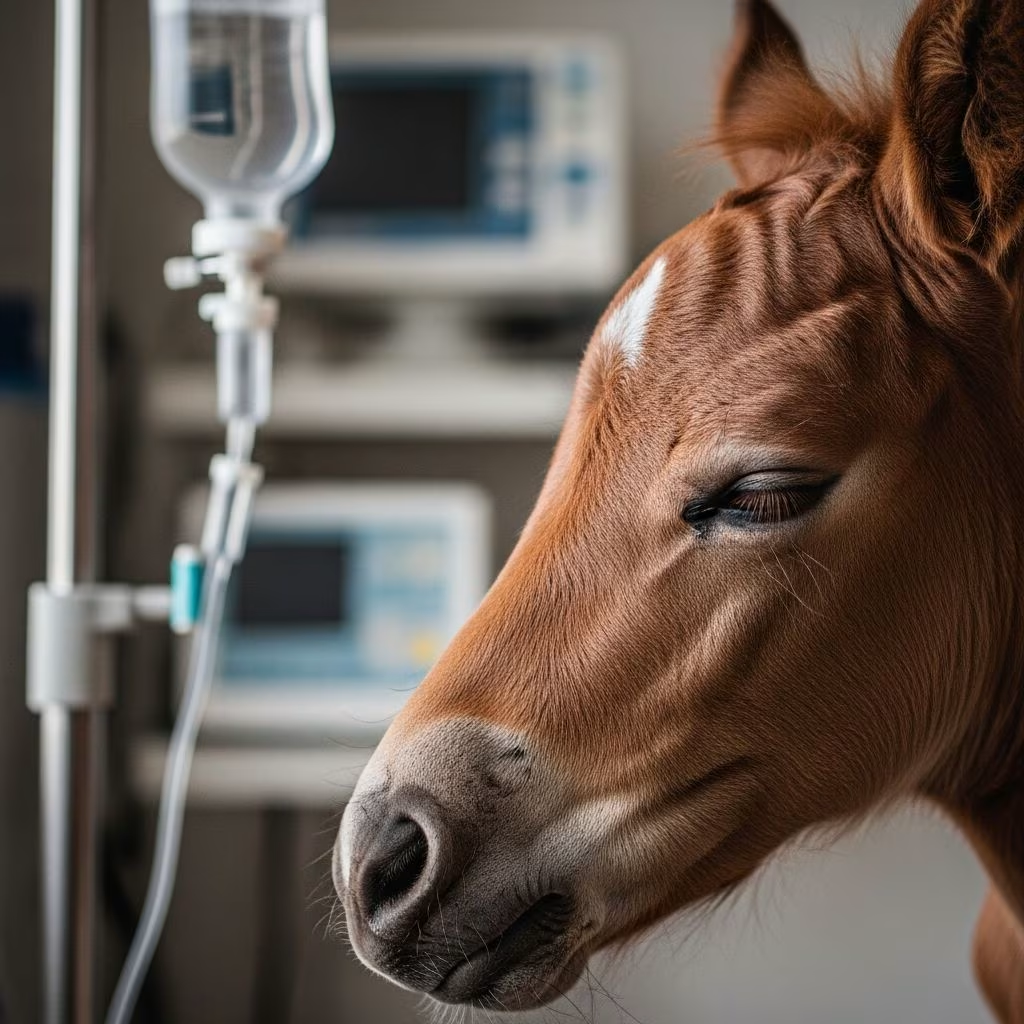
Newborn foals facing neurological challenges from conditions like neonatal encephalopathy require prompt recognition and intervention to improve survival rates. This disorder, often termed dummy foal syndrome, arises primarily from oxygen shortages during the perinatal period, leading to brain and multi-organ impacts.
Understanding the Core Mechanisms Behind Foal Neurological Distress
At the heart of neonatal encephalopathy lies a disruption in oxygen delivery to the developing foal’s tissues, particularly the brain. This hypoxic-ischemic event triggers neuronal damage through excitotoxicity, where overstimulated brain cells release excessive glutamate, causing cell death. Inflammation and altered hormone levels exacerbate the issue, as placental progestogens fail to decline post-birth, keeping the foal in a suppressed state akin to uterine dormancy.
Research highlights that cerebral ischemia combined with systemic hypoxia affects not just the central nervous system but also kidneys, heart, and gastrointestinal tract. Foals experiencing this may show varying severity based on deprivation duration and fetal maturity.
Common Triggers in the Perinatal Phase
Several events during late gestation or delivery precipitate this syndrome. Placental issues like inflammation (placentitis) or premature separation reduce nutrient and oxygen flow. Difficult labors, including dystocia or C-section deliveries, limit the natural birth canal pressure needed for hormone clearance.
- Premature umbilical cord severance: Deprives foal of up to 30% blood volume from placenta.
- Maternal factors: Endotoxemia, fescue toxicity, or severe illness impair placental function.
- Delivery trauma: Chest compression or meconium aspiration leads to respiratory compromise.
- Rapid births: Prevent hormonal ‘switch’ activation for alertness.
Affected foals represent 1-5% of births, with thoroughbreds at higher risk due to breeding practices.
Recognizing Early Warning Signs in Newborn Foals
Symptoms emerge immediately or within hours post-birth, progressing from subtle to severe. Initial normalcy can mislead owners, but vigilance is key.
| Severity Level | Key Symptoms |
|---|---|
| Mild | Slow suckling, mild lethargy, uncoordinated movements |
| Moderate | Disorientation, wandering, loss of suckle reflex, stiff limbs |
| Severe | Seizures, recumbency with flailing, barking vocalizations, blindness |
Behavioral cues include failure to bond with the mare, excessive salivation, tongue protrusion, or jaw grinding. Physical signs encompass tremors, splayed legs, and abnormal respiration.
Multi-Organ Complications Beyond the Brain
Hypoxia’s ripple effects extend widely. Gastrointestinal stasis (ileus) risks colic and ulcers; renal impairment reduces urine output; cardiac irregularities cause arrhythmias.
- Acidosis from low blood pH damages tissues further.
- Lung congestion or collapse impairs oxygenation.
- High cell counts signal inflammation or sepsis risk.
Brain pathology includes edema, lesions, and neuronal loss, yet many recover without lasting deficits due to neuroplasticity in neonates.
Diagnostic Approaches for Accurate Identification
Veterinarians rely on history, clinical exam, and exclusion of differentials like sepsis or congenital defects. No single test confirms; instead:
- Clinical scoring: Assess mentation, gait, cranial nerves.
- Lab panels: Blood gases, electrolytes, IgG for colostrum status.
- Imaging/CSF: Rule out infection; ultrasound for organ damage.
- Response to therapy: Improvement post-support aids diagnosis.
Distinguish from infections via negative cultures and rapid onset post-normal birth.
Critical Care Strategies for Optimal Recovery
Supportive therapy is cornerstone, focusing on oxygenation, seizure control, and nutrition. Foals need constant monitoring in a padded stall to prevent injury.
- Seizure management: Diazepam or phenobarbital; avoid over-sedation.
- Fluids and electrolytes: Correct acidosis, support kidneys.
- Plasma transfusion: 1-2L if failure of passive transfer; provides antibodies.
- Antibiotics: Prophylactic against secondary pneumonia.
- MST technique: Manual squeeze mimics birth pressure, altering brain waves and hormones for arousal.
Tube feeding or IV nutrition sustains energy; thermoregulation aids via warming blankets.
Prognosis and Long-Term Outlook
With intensive care, 80% recover fully, as brain lesions often spare critical areas. Duration varies from hours to 30 days; concurrent issues like sepsis worsen odds.
Owners report good athletic potential in survivors, emphasizing early vet involvement.
Prevention Tactics for Horse Breeders
Minimize risks through vigilant gestation monitoring.
- Regular placental exams via ultrasound.
- Avoid early cord clamping; allow natural placental transfer.
- Optimize mare nutrition; screen for toxicities.
- Prepare for dystocias with equine vet on call.
Post-birth, ensure colostrum intake within hours.
Frequently Asked Questions (FAQs)
What is the most common cause of dummy foal syndrome?
Hypoxic-ischemic events from birth complications or placental failure.
Can foals with neonatal encephalopathy become racehorses?
Yes, many achieve full performance potential after recovery.
How long do symptoms typically last?
From several hours to about 30 days, depending on severity.
Is plasma transfusion always necessary?
Only if IgG levels are low, confirming colostrum deficiency.
What home measures help before vet arrives?
Keep foal warm, padded, with mare access; avoid forcing standing.
Key Takeaways for Equine Caregivers
Neonatal encephalopathy demands swift, comprehensive intervention. By grasping triggers like hypoxia and hormonal imbalances, owners can collaborate with vets for better outcomes. Early signs like lethargy or poor suckling signal action; supportive therapies yield high survival.
References
- Neonatal Encephalopathy in Foals (Neonatal Maladjustment Syndrome) — Merck Veterinary Manual. 2023. https://www.merckvetmanual.com/horse-owners/brain-spinal-cord-and-nerve-disorders-of-horses/neonatal-encephalopathy-in-foals-neonatal-maladjustment-syndrome
- Equine Neonatal Encephalopathy: Facts, Evidence, and Opinions — PubMed (Vet Clin North Am Equine Pract). 2019-05-28. https://pubmed.ncbi.nlm.nih.gov/31088699/
- Dummy Foal Syndrome (Neonatal Maladjustment) in Horses — Mad Barn (equine nutrition resource). 2024. https://madbarn.com/dummy-foal-syndrome/
- Foal Health: Recognizing Neonatal Maladjustment Syndrome — Texas A&M University College of Veterinary Medicine. 2023. https://vetmed.tamu.edu/news/pet-talk/neonatal-maladjustment-syndrome/
- Neonatal Maladjustment Syndrome in Foals — UC Davis Center for Equine Health. 2024. https://ceh.vetmed.ucdavis.edu/health-topics/neonatal-maladjustment-syndrome-foals
- Practical management and treatment of foals with neonatal encephalopathy — BEVA (Equine Veterinary Education). 2023. https://beva.onlinelibrary.wiley.com/doi/10.1111/eve.13642



