

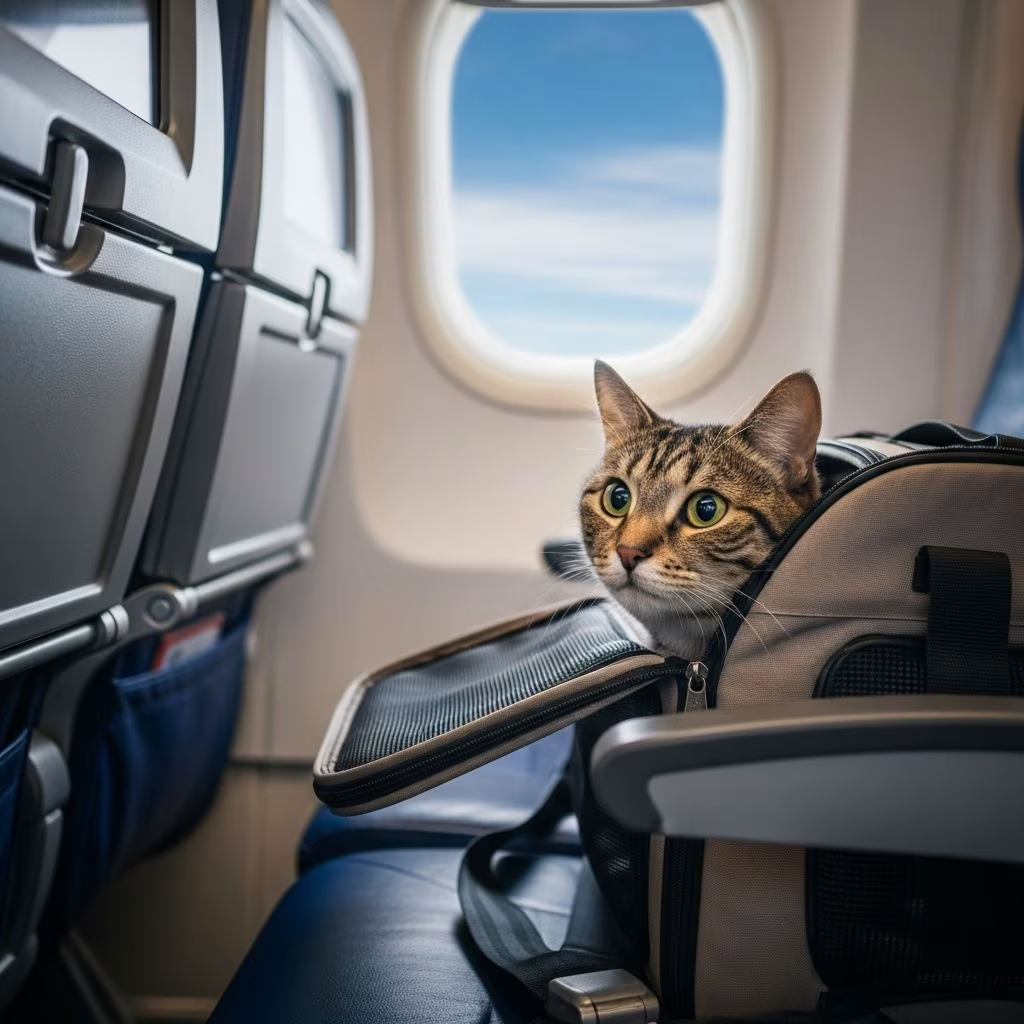
Flying with Your Cat: A Comprehensive Travel Guide
Flying with your feline companion can be a stressful experience for both you and your cat. However, with proper preparation, understanding airline policies, and implementing the right strategies, air travel with your cat can be safe and manageable. Whether you’re relocating, taking a vacation, or traveling for other reasons, this comprehensive guide will help you navigate the process of flying with your cat and ensure your pet’s comfort and safety throughout the journey.
Can Cats Fly on Airplanes?
Yes, cats can fly on airplanes with you. Most major airlines permit cats to travel as companion animals, though specific conditions and restrictions apply. Your cat’s ability to fly depends on several factors, including airline policies, your destination, your cat’s health status, and the type of carrier you use. Understanding these requirements before booking your flight is essential to avoid complications and ensure a smooth travel experience.
Airline-Specific Policies and Regulations
Each airline maintains its own set of policies regarding pet travel. Before booking your flight, research your specific airline’s requirements thoroughly. Different carriers have varying rules about:
- The number of pets allowed per flight
- The number of pets permitted per paying adult passenger
- Whether multiple pets can share a single carrier
- Minimum and maximum age requirements for pets
- Required health certificates and vaccination status
- Whether your cat counts as a carry-on or personal item
- Specific carrier dimensions and weight specifications
Major international airlines such as Air France, Lufthansa, KLM, and Iberia allow cats to travel in cabin configurations, while some budget carriers like Ryanair and EasyJet do not accept cats on board under any circumstances. Airlines such as Air Canada, American Airlines, and United Airlines also welcome cats with specific requirements.
Understanding Travel Options for Your Cat
When flying with your cat, you generally have two primary options for how your pet travels.
In-Cabin Travel
In-cabin travel is the preferred option for most cat owners and their feline companions. Your cat travels with you in the aircraft cabin in an approved soft-sided carrier that fits under the seat in front of you. This option offers several advantages: your cat remains with you throughout the flight, avoiding temperature extremes and stress associated with cargo holds, and the cost is typically lower than cargo transport. The combined weight of your cat and carrier must generally not exceed 6 to 8 kilograms (approximately 13 to 18 pounds), depending on your airline.
Hold Travel
If your cat exceeds the weight limit for cabin travel or your airline does not permit in-cabin pet transport, your cat may need to travel in the aircraft hold. In this scenario, your cat must be transported in a rigid IATA-compliant cage in a pressurized and temperature-controlled compartment. While airlines maintain safety protocols for hold transport, in-cabin travel remains the recommended option whenever possible.
Air Freight Transport
Air cargo transport represents a distinct service where your cat travels independently as live animal cargo through a freight forwarder or specialized pet transport provider. While this option offers flexibility in scheduling, it involves more complex documentation, customs clearance procedures, and higher costs. Additionally, your cat travels separately from you, which some owners find stressful.
Preparing Your Cat for Air Travel
Proper preparation significantly reduces stress for both you and your cat during the flying experience.
Health Examination and Documentation
Schedule a veterinary examination with your veterinarian before your flight, ideally 4-6 weeks in advance. Your veterinarian will ensure your cat is healthy enough to fly and can provide necessary health certificates required by airlines and destination countries. Your cat must be current on all vaccinations, particularly rabies vaccination, which is almost always required for air travel. Certain destinations may also require serological tests to confirm the effectiveness of rabies vaccination.
Microchipping and Identification
Microchipping is mandatory for air travel in many jurisdictions. Ensure your cat has a microchip implanted and that your contact information is registered with the microchip company. If your cat has a tattoo applied before July 2011 within the European Union, this may serve as an alternative form of identification in some cases. Additionally, ensure your cat wears a collar with identification tags containing your contact information.
Import and Export Permits
Depending on your destination, an import permit or health authorization may be mandatory. Traveling with your cat to countries such as the United Kingdom, Australia, or Canada requires specific documentation and compliance with import regulations. Research destination-specific requirements well in advance to avoid travel complications.
Selecting the Right Cat Carrier
The choice of carrier plays a central role in ensuring your cat’s comfort and safety during air travel.
In-Cabin Carrier Requirements
For cabin travel, your carrier must be soft-sided and airline-approved, fitting comfortably under the seat in front of you. Essential features include:
- Dimensions that comply with your airline’s specifications
- Sufficient room for your cat to stand up, turn around, and lie down
- A waterproof bottom to contain accidents
- Adequate ventilation to ensure proper airflow
- Sturdy construction to withstand baggage handling
- Comfortable bedding familiar to your cat
Hold Travel Carrier Requirements
For hold travel, your cat requires a rigid IATA-compliant cage specifically designed for aircraft transport. These carriers must meet international standards for structural integrity, ventilation, and safety to protect your cat during the flight.
Managing Costs Associated with Flying
The cost of flying with your cat varies significantly depending on your airline and whether your cat travels in cabin or cargo. Cabin travel typically costs between $100 to $200 USD per one-way flight, though some airlines charge between EUR 70 to EUR 500 per one-way trip depending on destination and airline policies. Cargo transport generally costs more but offers different scheduling flexibility. Contact your airline directly for precise pricing and payment information.
Strategies to Reduce Stress During Flight
Air travel can be stressful for cats. Implementing stress-reduction strategies helps your cat remain calm and comfortable throughout the journey.
Pre-Flight Preparation
Allow your cat to become accustomed to their carrier well before your flight date. Leave the carrier in your home for several days or weeks, placing treats and toys inside to create positive associations. Take your cat on short car rides in their carrier to acclimate them to motion and confinement.
Flight Day Considerations
Choose direct flights whenever possible and limit stopovers and transfers, as multiple transitions increase stress for your cat. Avoid traveling during periods of extreme heat or cold, as weather conditions significantly affect your cat’s wellbeing during boarding and disembarkation. Ensure your cat has access to water and that you maintain appropriate temperature control in your travel area.
During the Flight
Once seated on the aircraft, drape a blanket or jacket that smells like home over your cat’s carrier to block out excess background movement and noise. Consider requesting priority boarding when available, as boarding early allows you to settle your cat in their seat before the aircraft fills with other passengers, reducing their anxiety and helping them acclimate to the cabin environment.
Booking Your Cat’s Flight
When booking your flight, follow these essential steps to ensure proper arrangements for your cat.
Advance Reservation
Reserve your cat’s travel well in advance, as most airlines limit the number of pets per flight. Not all flights accommodate pets, and early booking ensures availability on your desired departure date.
Check-In Procedures
When traveling with pets, online check-in is typically not permitted, so plan to arrive at the airport earlier than usual to check in at the airline desk. The desk attendant will need to physically see your cat (they may remain in their carrier) and verify that you have all required documentation, such as health certificates. Forgetting required paperwork may prevent your cat from flying, similar to forgetting a photo ID.
Boarding Process
At the gate, confirm your eligibility for priority boarding, as passengers flying with animals are often permitted to board early. This early boarding allows you to settle your cat into your seat before the cabin fills with other passengers, reducing stress and making the experience more comfortable for your feline companion.
Health and Safety Considerations
Ensuring your cat’s health and safety throughout the journey requires attention to several important factors.
Vaccinations and Health Requirements
Rabies vaccination is almost always required for air travel. Verify that your cat’s vaccinations are current and that you have official documentation. Some destinations require additional vaccinations or serological testing to confirm vaccination effectiveness.
Age Restrictions
Your cat must typically be at least 12 weeks old, and in some cases 16 weeks old, before flying, depending on local regulations. Some airlines, such as Volaris, do not permit pets under 4 months old to fly.
Pregnant and Unfit Cats
Pregnant cats should not fly, as the stress and physical demands of air travel can pose risks to the mother and developing kittens. Similarly, sick, injured, or excessively anxious cats should not fly unless absolutely necessary, as air travel may exacerbate their condition.
Frequently Asked Questions
Q: Is it safe for my cat to fly on an airplane?
A: Yes, flying can be safe for cats when proper precautions are taken. Most airlines have established procedures to ensure pet welfare, whether traveling in cabin or hold. Ensuring your cat is healthy, using an appropriate carrier, and following airline and destination requirements all contribute to a safe and comfortable journey.
Q: How much does it cost to fly with my cat?
A: Cabin pet travel typically costs between $100-$200 USD per one-way flight, though some airlines charge EUR 70 to EUR 500 depending on destination and airline policies. Cargo transport generally costs more. Contact your specific airline for exact pricing.
Q: Can I take my cat in the cabin, or does it have to go in cargo?
A: If your cat and carrier combined weight does not exceed 6-8 kilograms, your cat can typically travel in the cabin with you in an approved soft-sided carrier. Only if your cat exceeds this weight limit or your airline prohibits cabin pets does your cat need to travel in cargo.
Q: What type of carrier does my cat need?
A: For cabin travel, use a soft-sided airline-approved carrier that fits under the seat in front of you with adequate ventilation and space for your cat to move. For hold travel, use a rigid IATA-compliant cage designed specifically for aircraft transport.
Q: Do I need a health certificate for my cat?
A: Yes, most airlines require a health certificate from a veterinarian confirming your cat is healthy and current on vaccinations, particularly rabies vaccination. Your destination may have additional requirements.
Q: How can I reduce my cat’s stress during the flight?
A: Choose direct flights when possible, acclimate your cat to their carrier beforehand, cover the carrier during flight with a familiar-smelling blanket, request priority boarding, and avoid extreme temperature travel times.
Q: What documentation do I need to fly with my cat?
A: You typically need a health certificate, proof of rabies vaccination, microchip documentation, and depending on your destination, an import permit or health authorization.
Q: At what age can my cat fly?
A: Most airlines require cats to be at least 12 weeks old, and in some cases 16 weeks old, before flying. Some carriers, such as Volaris, require cats to be at least 4 months old.
Conclusion
Traveling with your cat by plane requires careful organization and thorough planning at every stage, from selecting your airline to preparing your pet and ensuring all necessary documentation is in order. Rules, regulations, costs, and boarding requirements vary between airlines and countries, making it essential to verify all conditions before each journey. By following the guidelines and tips outlined in this comprehensive guide, you can maximize your cat’s comfort and safety during air travel. For complex travel arrangements or international relocations, consider enlisting the assistance of a professional pet transport service to help navigate the various requirements and formalities involved in flying with your feline companion.
References
- Traveling with a Cat on Plane: Everything You Need to Know — Air Transport Animal. 2024. https://www.airtransportanimal.com/en/traveling-with-a-cat-on-plane/
- Flying with your pet in the cabin or hold – KLM — KLM Royal Dutch Airlines. 2024. https://www.klm.com.mx/en/information/pets/reservation
- The Ultimate Guide – How to Fly With Your Cat — Your Cat Backpack. 2024. https://yourcatbackpack.com/blogs/cat-backpack-tips-and-advice/the-ultimate-guide-to-flying-with-your-cat
- 13 Tips for Flying with a Cat In Cabin — KittyCatGO. 2024. https://kittycatgo.com/13-tips-for-flying-with-a-cat-in-cabin/
- Travelling with your Pet – Air Canada — Air Canada. 2024. https://www.aircanada.com/mx/en/aco/home/plan/special-assistance/pets.html
- Pets − Travel information – American Airlines — American Airlines. 2024. https://www.aa.com/i18n/travel-info/special-assistance/pets.jsp
- Traveling with pets – United Airlines — United Airlines. 2024. https://www.united.com/en/us/fly/travel/traveling-with-pets.html



