

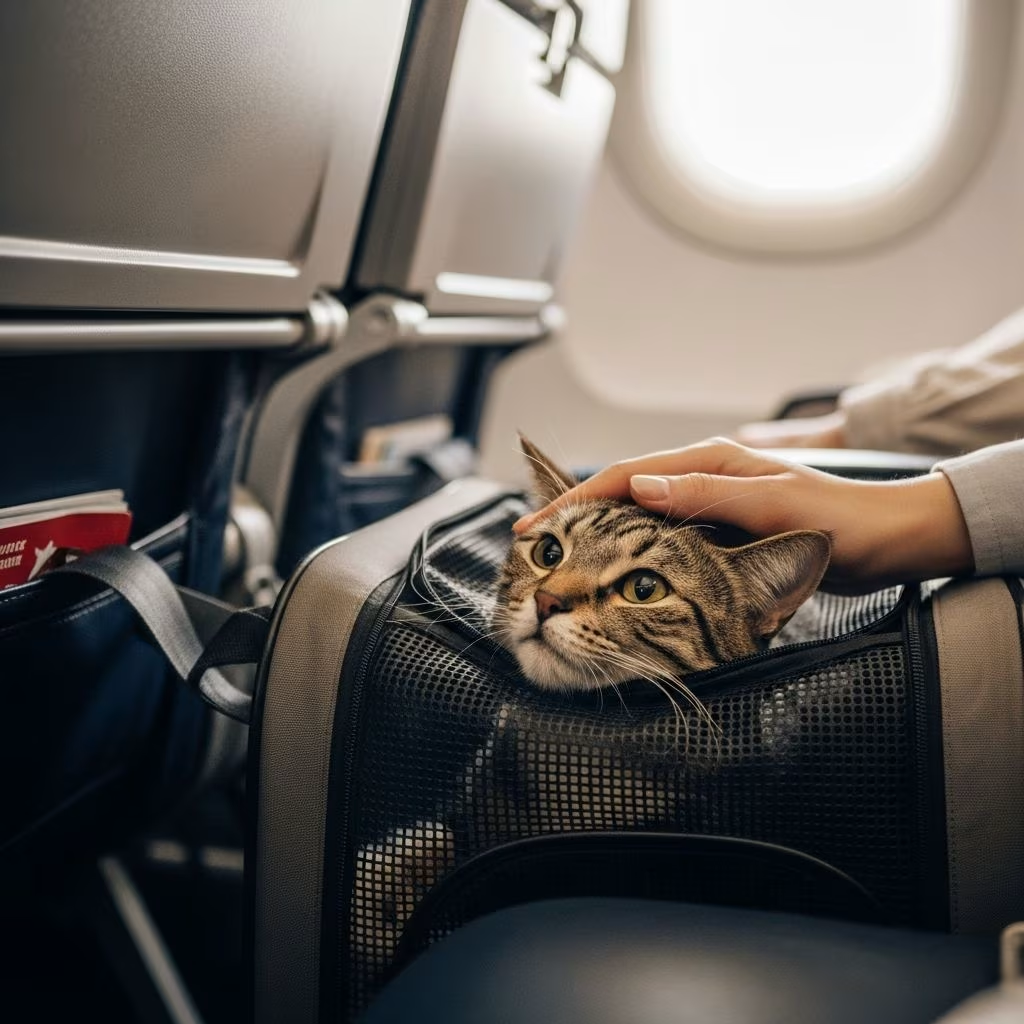
Flying with Your Cat: A Comprehensive Travel Guide
Flying with your cat can be an exciting adventure when properly planned and executed. Whether you’re relocating across the country, taking a vacation, or managing a necessary trip, air travel with your feline companion doesn’t have to be stressful. With the right preparation, knowledge of airline regulations, and calming strategies, you can ensure a safe and comfortable journey for your beloved pet. This comprehensive guide covers everything you need to know about flying with your cat.
Understanding Airline Regulations and Policies
Before booking your flight, understanding airline-specific regulations is crucial for a smooth travel experience. Airlines have varying rules regarding pet travel, and familiarizing yourself with these requirements will prevent complications at the airport.
Key Airline Requirements to Research
Different airlines maintain different policies about traveling with cats. When researching, focus on the following important regulations:
- Maximum number of pets allowed per flight
- Number of pets permitted per paying adult passenger
- Maximum pets allowed in a single carrier
- Minimum age requirements for traveling cats
- Health certificate and vaccination requirements
- Whether your cat counts as a carry-on or personal item
- Approved carrier dimensions and specifications
- Associated pet travel fees and costs
Popular Pet-Friendly Airlines
Several major airlines have established strong reputations for accommodating pet travelers. Alaska Airlines is consistently rated as one of the most pet-friendly carriers, offering both in-cabin and cargo travel options with generally lower pet fees than competitors. Delta Air Lines provides in-cabin travel for cats on most domestic and international flights, with clear pet policies and helpful resources. American Airlines allows cats in the cabin on domestic flights and selected international routes, featuring a special boarding assistance program in some airports. Southwest Airlines offers affordable pet travel exclusively in-cabin, with competitive pet fees making it popular for shorter trips. JetBlue stands out with its JetPaws® program, providing free travel guides, carrier bag tags, and loyalty rewards for traveling with pets.
Understanding Travel Options: In-Cabin vs. Cargo
Understanding the differences between in-cabin and cargo travel is essential for making the best decision for your cat’s safety and comfort.
In-Cabin Travel
In-cabin travel is the preferred option for most cat owners. When your cat travels in-cabin, they remain in an approved pet carrier positioned under the seat in front of you throughout the flight. This option keeps your cat within sight and maintains relatively consistent temperature and pressure conditions. Your cat experiences less stress by remaining near you, and you can monitor their comfort throughout the journey.
Cargo Hold Travel
Cargo hold travel should only be considered as a last resort when in-cabin options are unavailable, such as during international moves where cabin space is not permitted. Cargo holds maintain pressurized, temperature-controlled environments, but the separation from you and the unfamiliar surroundings can significantly stress your cat. Most veterinarians and cat behavior experts recommend avoiding cargo travel whenever possible.
Selecting the Right Pet Carrier
Your choice of pet carrier plays a vital role in your cat’s comfort and safety during air travel. An airline-approved carrier serves as your cat’s personal safety zone and stress-reduction tool throughout the journey.
Essential Carrier Features
A proper in-cabin pet carrier must meet specific requirements. The carrier should fit comfortably under the seat in front of you while providing sufficient room for your cat to stand up and turn around. Look for carriers with waterproof bottoms to protect against accidents, and ensure adequate ventilation to maintain proper airflow. Soft-sided carriers with collapsible designs offer practical advantages, as they can contract to fit airline seat spaces while expanding to provide comfort during ground time at the airport or in your car.
Carrier Specifications by Airline
Each airline maintains specific carrier dimension requirements. Before purchasing, contact your chosen airline for their exact specifications. Many airlines accept soft-sided carriers measuring approximately 17 x 11 x 10 inches, though dimensions vary. Popular options include the Sleepypod Air, praised for its unique design flexibility and comfort features.
Pre-Flight Preparation and Booking
Proper preparation weeks before your flight significantly impacts your cat’s travel experience. Starting early allows adequate time for vaccinations, certifications, and behavioral preparation.
Health Documentation
Ensure your cat is fully up-to-date with all vaccinations before flying. Most airlines require a current health certificate from your veterinarian, typically issued within 10 days of travel. Some destinations, particularly for international flights, may require additional documentation such as microchip records and specific vaccination timelines. Contact your airline and destination country several months in advance to determine all required health documentation.
Making Your Flight Reservation
Never simply appear at the airport with your cat. Instead, contact your airline when booking to notify them of your cat’s travel. Most airlines limit the number of pets allowed in-cabin per flight, so advance notice ensures availability. When possible, request middle seats, as they typically provide more space under the seat for your carrier. Additionally, be aware that your cat counts as one carry-on or personal item, meaning you may need to check a bag, which adds to overall travel costs.
Security Screening and Airport Procedures
The Transportation Security Administration (TSA) has specific procedures for traveling with pets that differ from standard passenger screening.
Harness Training for Security
TSA officers must remove your cat from their carrier for inspection and run the empty carrier through the scanner. A properly fitted harness and leash are essential for maintaining control during this process. Metal-free harnesses and leashes expedite the security screening process. Practice harness training with your cat weeks before travel to ensure they’re comfortable wearing one.
Gate and Boarding Procedures
When you arrive at your gate, check with the gate agent regarding priority boarding eligibility. Passengers traveling with animals often receive early boarding privileges, which allows you to settle your cat at your seat before the cabin fills with other passengers. Priority boarding also reduces your cat’s stress exposure by minimizing the chaotic boarding environment.
Essential Packing for Cat Air Travel
Packing properly ensures your cat has everything needed for a comfortable journey. Organize items by separating those that need to be checked from those requiring easy access during flight.
In-Flight Necessities
Items you’ll need readily accessible during the flight include treats for positive reinforcement, a harness and leash for security screening, a collar with updated ID tags, pee-pads to line your carrier (especially for longer flights), poop bags for bathroom accidents, and a collapsible food and water bowl. Having these items within immediate reach prevents fumbling through luggage during the flight.
Complete Travel Kit Essentials
- Medications and supplements your cat regularly takes
- Recent photo of your cat in case of emergency separation
- Vaccination and health records documentation
- Familiar toys or comfort items from home
- Enough regular food for the entire trip
- Portable litter box and litter
- Grooming supplies and cleaning materials
- Blankets or clothing with familiar scents
During the Flight: Comfort and Calming Strategies
Keeping your cat calm during the flight requires preparation and strategic comfort measures. While you cannot practice actual airplane travel, several preparation techniques help reduce stress.
Pre-Flight Preparation Activities
Gradually acclimate your cat to their carrier by placing them inside for short periods at home weeks before travel. Practice car rides of increasing length, as vehicle travel somewhat mimics airplane experiences. Take your cat on progressively longer drives to build confidence and comfort with travel environments.
In-Flight Comfort Techniques
Once seated, drape a blanket or jacket with familiar home scents over your cat’s carrier to block excess visual stimulation and reduce noise exposure. This creates a den-like environment that cats naturally find calming. Keep your cat in their carrier under the seat throughout the flight for safety. Maintain a calm demeanor yourself, as cats sense and respond to your anxiety.
Calming Aids and Solutions
Consult your veterinarian about calming aids that may help reduce your cat’s stress. Options include calming treats, pheromone sprays designed for cats, or in some cases, mild sedatives prescribed by your veterinarian. Discuss these options well in advance of your flight to determine what’s appropriate for your individual cat.
International Cat Travel: Additional Considerations
Flying internationally with your cat requires additional planning beyond domestic travel requirements.
Country-Specific Requirements
Research your destination country’s specific regulations, as many nations maintain strict quarantine rules, microchip requirements, and specific vaccination timelines. These requirements can be surprisingly complex and may require veterinary documentation obtained months in advance. Some countries require specific vaccines given within particular timeframes before travel.
Nonstop Flight Strategy
When possible, book nonstop flights for international travel, as fewer layovers mean less stress for your cat and fewer opportunities for travel complications. Nonstop flights also reduce your cat’s total travel time and exposure to stressful airport environments.
Professional Pet Relocation Services
For complicated international moves, consider working with professional pet relocation services that specialize in navigating complex paperwork, health requirements, and logistics. These services can provide peace of mind when international travel logistics become overwhelming.
United Airlines: Multi-Pet Travel
United Airlines permits up to two pets per person on most flights, though specific requirements apply. If bringing two pets, you must purchase two seats positioned next to each other. This policy differs from other carriers, so confirm United’s specific multi-pet requirements when booking.
Frequently Asked Questions
Q: Can my cat fly in-cabin or must they go in cargo?
A: Most airlines allow cats to fly in-cabin when in an approved carrier that fits under the seat. Cargo travel should only be considered if in-cabin options are unavailable or for specific international requirements.
Q: What if my cat has special health needs?
A: Consult your veterinarian before flying. They can provide necessary health certificates, recommend calming aids, and advise on any medications or special considerations your cat requires.
Q: How early should I prepare my cat for flying?
A: Begin preparations at least 4-6 weeks before your flight. This allows time for health documentation, carrier training, and behavioral acclimation to travel conditions.
Q: What should I do if my cat escapes during security screening?
A: This is why harness training is essential. Always have your cat on a harness and leash during TSA screening to prevent escape. Keep the recent photo of your cat handy in case of emergency.
Q: Are there breed-specific restrictions for flying?
A: Cats themselves don’t have breed restrictions like some dog breeds do, though larger cats like Maine Coons may require verification that your approved carrier accommodates their size.
Q: What’s the best time of day to fly with my cat?
A: Early morning or late evening flights often mean fewer passengers boarding, creating a calmer environment for your anxious cat.
References
- 13 Tips for Flying with a Cat In Cabin — KittyCatGO. Accessed November 28, 2025. https://kittycatgo.com/13-tips-for-flying-with-a-cat-in-cabin/
- Feline Flyers: Tips for a Smooth Flight with Your Cat — DogCatRanch. Accessed November 28, 2025. https://dogcatranch.com/feline-flyers-tips-for-a-smooth-flight-with-your-cat/
- How to Travel with Your Cat on an Airplane — Barbra Ignatiev. 2014-06. https://www.barbraignatiev.com/2014/06/how-to-travel-with-your-cat-on-an-airplane/
- The Ultimate Guide – How to Fly With Your Cat — YourCatBackpack. Accessed November 28, 2025. https://yourcatbackpack.com/blogs/cat-backpack-tips-and-advice/the-ultimate-guide-to-flying-with-your-cat
- Traveling with Pets — United Airlines. Accessed November 28, 2025. https://www.united.com/en/us/fly/travel/traveling-with-pets.html
- Tips for Flying with Cats — Jackson Galaxy. Accessed November 28, 2025. https://www.jacksongalaxy.com/blogs/news/tips-for-flying-with-cats



