
Fly Larvae Infestations In Animals: Expert Guide To Treatment
Comprehensive guide to understanding, diagnosing, and controlling myiasis caused by fly larvae in livestock and companion animals.
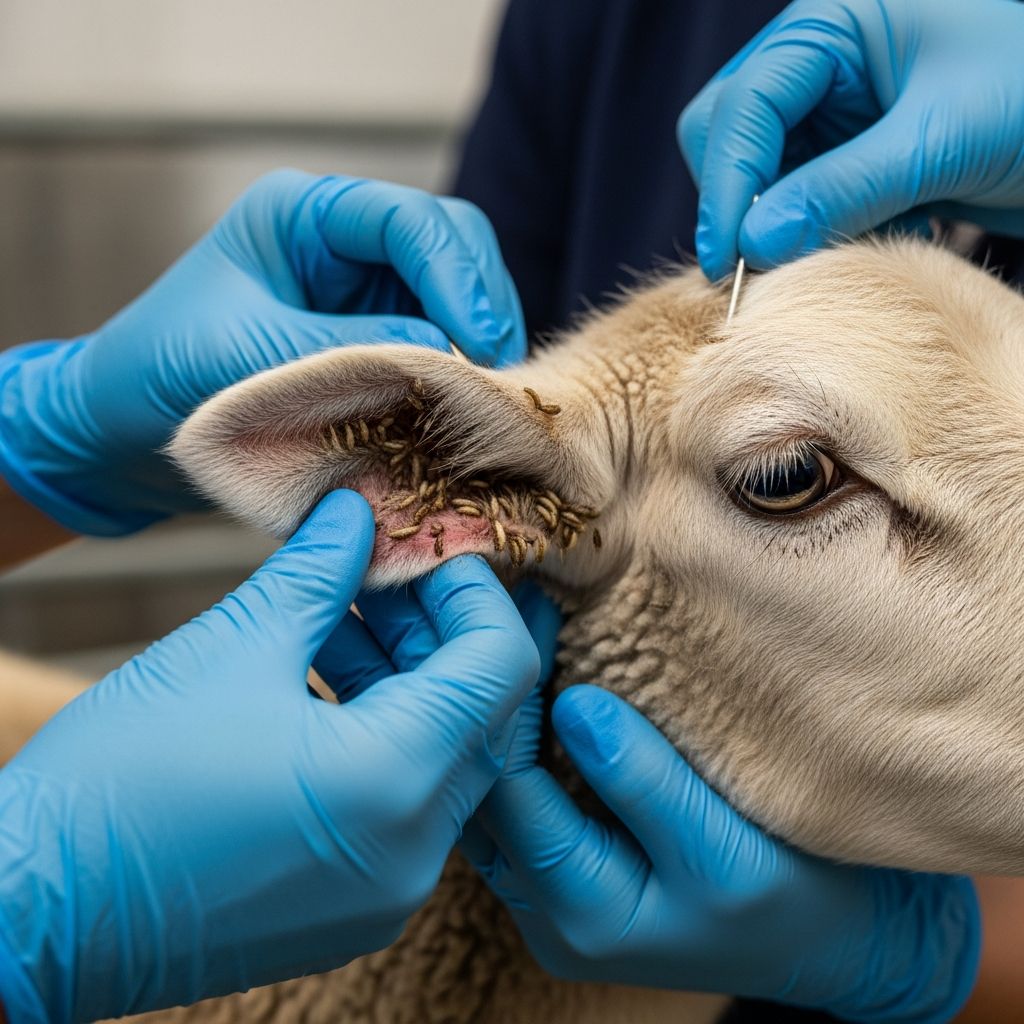
Fly larvae infestations, known scientifically as myiasis, represent a significant health threat to various animals, ranging from livestock to companion pets. This condition arises when fly larvae invade living tissues, leading to tissue damage, secondary infections, and potentially fatal outcomes if not addressed promptly. Understanding the biology of these parasites, recognizing early signs, and implementing targeted interventions are crucial for animal welfare.
Understanding the Nature of Myiasis
Myiasis occurs when the larval stage of certain dipteran flies develops within the living tissues of vertebrate hosts. These larvae feed on the host’s flesh, causing extensive damage. The condition is classified into obligatory and facultative types based on the flies’ life cycle requirements.
Obligatory myiasis involves species that must parasitize living tissue to complete development. Facultative myiasis, on the other hand, involves opportunistic flies that prefer decaying matter but can infest wounds or soiled areas on live animals.
Key Fly Species Responsible for Infestations
Several fly genera contribute to myiasis in animals. Primary culprits include blowflies like Cochliomyia hominivorax (New World screwworm), which aggressively invade wounds, and Chrysomya species. Old World screwworm, Chrysomya bezziana, burrows deeply into tissues, with larvae emerging after 7-15 days to pupate.
In dogs and cats, Wohlfahrtia magnifica is notorious, creating skin tunnels and attracting secondary flies due to foul odors. Other species, such as those causing cutaneous myiasis, target sheep wool strikes, where larvae tunnel through epidermis into subcutis, forming cavities up to several centimeters wide.
- New World Screwworm: Voracious blood feeders; up to 300 maggots per wound; fatal without treatment.
- Old World Screwworm: Single larva per cavity; common in cattle, rats, dogs.
- Blowflies (Facultative): Attracted to wounds, urine-soaked wool; rapid spread.
Clinical Manifestations and Progression
Infestations begin when adult flies deposit eggs or larvae on vulnerable sites like wounds, perianal regions, or urine/feces-contaminated skin. Hatching larvae penetrate tissues, secreting enzymes that liquefy host cells for feeding. This results in erythema, edema, ulceration, and bleeding.
Affected animals exhibit rapid weight loss, fever, lethargy, and a distinctive pungent odor from infested tissues. Severe cases involve thousands of maggots, toxemia, histolysis, shock, or secondary bacterial/fungal infections, potentially leading to death. In sheep, strikes spread quickly, compromising condition fatally if untreated.
| Species Affected | Common Sites | Symptoms |
|---|---|---|
| Sheep | Wool, breech, back | Tissue cavities, odor, weight loss |
| Cattle | Wounds, navel | Deep burrowing, blood feeding |
| Dogs/Cats | Wounds, ears | Tunnels, inflammation, anaphylaxis risk |
Diagnostic Approaches
Diagnosis relies on visual identification of creamy-white, segmented larvae in lesions. For precise species determination, extract third-stage larvae, slice caudal ends, and examine microscopically using dichotomous keys. History of travel to endemic areas or presence of breathing pores in wounds aids in identifying screwworms.
Culture and sensitivity tests on wound samples detect secondary infections. In non-endemic regions, prompt reporting prevents establishment of invasive species.
Comprehensive Treatment Strategies
Treatment demands immediate action to remove larvae, clean wounds, and prevent reinfestation. Clip hair/wool around lesions, exposing and extracting maggots manually under sedation or anesthesia to avoid bursting, which releases inflammatory proteins.
Debride necrotic tissue with antiseptics like povidone-iodine or chlorhexidine. Apply larvicidal dressings or smears. Systemic parasiticides are pivotal:
- Ivermectin: 200 mcg/kg arrests screwworms, provides 16-20 days protection.
- Nitenpyram: 100% efficacy in 6 hours against certain species.
- Isoxazolines (sarolaner, afoxolaner): Effective within 24 hours.
- Spinosad/milbemycin: Rapid expulsion in dogs.
For sheep, shear struck areas leaving a clean wool barrier, then jet high-pressure insecticides like organophosphates or cyromazine. Supportive care includes antimicrobials for infections, fluids for toxemic animals.
Prevention and Control Measures
Proactive strategies minimize risk. Maintain hygiene: clean wounds promptly, control diarrhea/urine scalding in lambs. Chemoprophylaxis via dips, sprays, or pour-ons with larvicides protects high-risk areas.
Cull chronically affected sheep. In endemic zones, monitor for screwworms and report to authorities. For pets, regular parasiticide administration and ear/face protection deter infestations.
Species-Specific Management
Livestock Considerations
In cattle and sheep, focus on breech flystrike prevention through mulesing alternatives and insecticide jetting. Eradication programs have controlled screwworms in many regions.
Companion Animals
Dogs and cats require vigilant wound care. Systemic macrocyclic lactones like moxidectin offer broad protection. Avoid fly bite dermatitis on ears via repellents.
Frequently Asked Questions (FAQs)
What is the fastest way to kill fly larvae in wounds?
Nitenpyram acts within 6 hours, achieving 100% kill rate against select species.
Can myiasis be fatal in pets?
Yes, massive infestations cause toxemia and death without intervention.
How do I identify screwworm larvae?
Look for blackish peritremes at wound surfaces; submit samples to entomologists.
Is ivermectin safe for all animals?
Dosage-specific; effective at 50-300 mcg/kg in cattle, but consult vets for collies.
How to prevent wool strike in sheep?
Regular jetting with cyromazine and hygiene management.
Long-Term Outlook and Research
Advances in parasiticides and surveillance have reduced myiasis incidence, but climate change may expand fly ranges. Ongoing eradication efforts, like those for New World screwworm, underscore integrated pest management.
References
- Facultative Myiasis-producing Flies of Animals — MSD Veterinary Manual. 2023. https://www.msdvetmanual.com/integumentary-system/flies/facultative-myiasis-producing-flies-of-animals
- Myiasis — PMC – NIH. 2012-01-01. https://pmc.ncbi.nlm.nih.gov/articles/PMC3255963/
- Larvae in dogs: How to manage myiasis — Vets and Clinics. 2023. https://vetsandclinics.com/en/library/larvae-in-dogs-how-to-manage-myiasis
- Obligatory Myiasis-producing Flies of Animals — Merck Veterinary Manual. 2023. https://www.merckvetmanual.com/integumentary-system/flies/obligatory-myiasis-producing-flies-of-animals
- Myiasis — Livestock Veterinary Entomology, Texas A&M University. 2023. https://livestockvetento.tamu.edu/insectspests/myiasis/
- Myiasis — Western College of Veterinary Medicine, University of Saskatchewan. 2023. https://wcvm.usask.ca/learnaboutparasites/parasites/myiasis.php
- New World Screwworm Myiasis — UC Davis Health Topics. 2023. https://healthtopics.vetmed.ucdavis.edu/health-topics/new-world-screwworm-myiasis
Similar Articles








Read full bio of medha deb


