

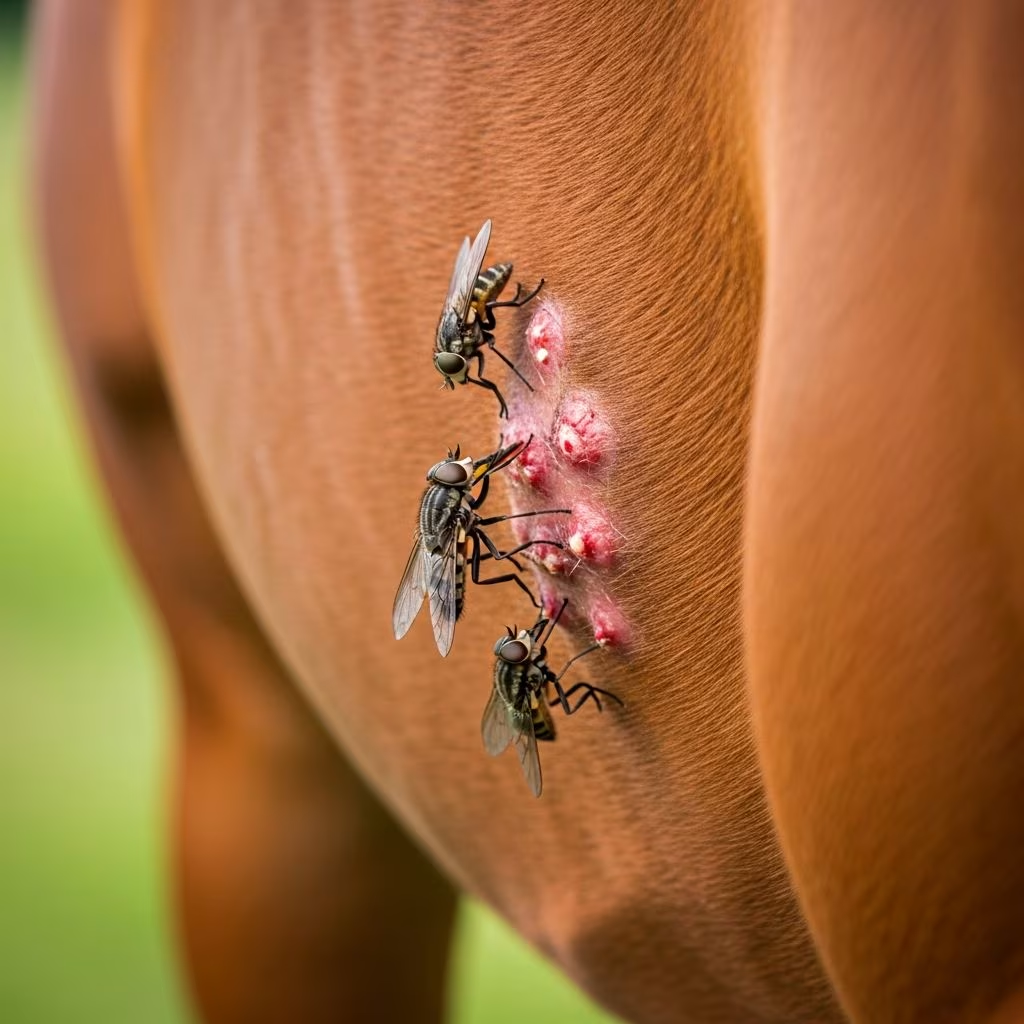
Understanding Fly Bites on Horses
Fly bites represent one of the most common nuisances that horse owners encounter, particularly during warmer months. These insects can cause significant discomfort to horses and may lead to various health complications if left unmanaged. Horses, with their large surface area and tendency to spend time outdoors in pastures and paddocks, are prime targets for flying insects including horseflies, deer flies, stable flies, and other biting insects. Understanding the nature of fly bites, how to identify them, and what steps to take when they occur is essential for maintaining your horse’s health and comfort.
What Causes Fly Bites on Horses
Flies bite horses for one primary reason: they require blood meals to survive and reproduce. Different species of flies have different feeding behaviors, but the most problematic are those that actively seek out horses for blood feeding. Horseflies and deer flies are among the most painful biters, using sharp, serrated mandibles to cut through the horse’s skin before feeding on the blood that pools in the wound. Stable flies and other smaller insects may be less painful but equally persistent. The warm months provide ideal conditions for fly breeding, with increased temperatures and moisture creating perfect environments for these insects to multiply rapidly.
Identifying Fly Bite Symptoms in Horses
Recognizing fly bite symptoms in your horse is the first step toward effective treatment. Horses will often display visible signs of discomfort when affected by fly bites:
– Excessive tail swishing and stamping of feet- Head tossing and ear pinning- Skin irritation and visible bite marks- Raised welts or bumps on the skin that may appear red or discolored- Hair loss in affected areas from continuous rubbing- Behavioral changes including restlessness and agitation- Open sores or lesions from scratching and biting at bite sites- Visible swelling, particularly around the face, legs, and ears
The severity of symptoms can vary depending on your horse’s sensitivity to insect bites and the number of flies present. Some horses develop localized reactions while others may experience more generalized responses.
Health Complications from Fly Bites
While most fly bites resolve without complications, several health issues can develop if bites become infected or if allergic reactions occur. Understanding these potential complications helps you determine when veterinary intervention is necessary.
Infection and Skin Damage
The constant scratching and biting at fly bite sites creates open wounds that are susceptible to bacterial infection. Horses may develop secondary skin infections if they break the skin barrier through repeated trauma. These infections can lead to abscess formation, cellulitis, or more serious systemic infections if not addressed promptly. Signs of infection include increased swelling, discharge of pus, heat around the affected area, and unpleasant odors emanating from the wound.
Allergic Reactions
Some horses develop hypersensitivity to insect bites, a condition sometimes referred to as “sweet itch” or insect bite hypersensitivity. Affected horses experience severe itching and can develop extensive hair loss and skin damage from their desperate attempts to relieve the itching. This condition can significantly impact a horse’s quality of life and may require ongoing medical management.
Disease Transmission
In rare cases, certain fly species can transmit diseases to horses. Equine infectious anemia, for example, can be transmitted by bloodsucking insects including horseflies and deer flies. Stable flies may transmit other bacterial pathogens. While transmission is not common, it represents another reason to implement effective fly prevention strategies.
Treatment Options for Fly Bites
Effective treatment depends on the severity of the bites and whether complications have developed. Most minor fly bites respond well to basic care measures, though more severe cases may require veterinary intervention.
Basic Wound Care
The foundation of fly bite treatment begins with proper wound care:
– Clean the affected area with mild soap and water to remove dirt and debris- Apply antiseptic spray or ointment to prevent bacterial infection- Avoid using harsh chemicals that may irritate the wound further- Keep the area dry and protected from additional insect exposure- Resist the urge to pick at or further damage the bite site
Topical Treatments
Several topical products can help manage fly bites and reduce your horse’s urge to scratch:
– Fly repellent sprays that deter insects from landing on affected areas- Medicated ointments containing antibiotic or anti-inflammatory ingredients- Soothing lotions with ingredients like aloe vera or oatmeal- Barrier creams that protect open wounds while allowing healing- Hydrocortisone creams to reduce inflammation and itching
Systemic Treatment
For horses with severe allergic reactions or widespread infection, veterinarians may recommend systemic treatments including antihistamines, antibiotics, or corticosteroids depending on the underlying cause and severity of the reaction.
Prevention Strategies for Fly Bites
Prevention is always preferable to treatment when it comes to fly bites. Implementing multiple prevention strategies creates the most comprehensive protection for your horse.
Physical Barriers and Clothing
Creating physical barriers between your horse and flying insects significantly reduces bite incidents:
– Use fly masks to protect the face and eyes- Apply fly sheets or blankets during peak fly season- Use leg wraps or boots to protect lower legs- Maintain regular grooming to keep the coat healthy and easier to monitor for bites- Consider using fly bonnets or ear nets for additional protection
Environmental Management
Reducing the fly population in your horse’s environment is a critical prevention component:
– Remove standing water where flies breed- Maintain clean facilities with regular manure removal- Store feed and bedding in sealed containers- Clean water troughs regularly- Keep pastures well-maintained with proper drainage- Remove dead vegetation and organic debris- Maintain proper sanitation in barns and paddocks- Use fans in barn areas to disrupt fly movement
Insect Repellents
Commercial fly repellents provide varying levels of protection depending on the product type and active ingredients. Options include:
– Spray-on repellents applied directly to the horse’s coat- Roll-on products for targeted application- Feed-through supplements that work from within the horse’s system- Wearable products like fly masks with repellent properties- Pasture sprays that treat larger areas
Dietary Approaches
Some evidence suggests that certain dietary supplements may help reduce a horse’s attractiveness to flies. Garlic supplements, vitamin B supplements, and other nutritional interventions have anecdotal support, though scientific evidence varies. Consult your veterinarian before implementing dietary changes specifically for fly prevention.
When to Contact Your Veterinarian
While most fly bites are minor nuisances, certain situations warrant professional veterinary attention. Contact your veterinarian if you observe:
– Signs of infection including pus, foul odor, heat, or excessive swelling- Allergic reactions with severe swelling of the face, throat, or body- Signs of disease transmission or systemic illness- Extensive hair loss and skin damage from fly bite hypersensitivity- Bites that show no improvement after several days of treatment- Behavioral changes suggesting pain or distress- Secondary complications developing from open wounds
Seasonal Considerations
Fly problems vary by season and geographic location. Peak fly season typically occurs during warm months when flies are most active. Planning your fly prevention strategy around these seasonal patterns helps maximize effectiveness. In many regions, implementing prevention measures from late spring through early fall provides adequate protection. However, in warm climates or during unusually warm years, protection may be needed year-round.
Comparing Fly Prevention Products
Different fly prevention products offer varying levels of protection and convenience:
| Product Type | Effectiveness | Duration | Ease of Use | Cost |
|---|---|---|---|---|
| Fly Masks | High for face/eyes | All season | Easy | Moderate |
| Fly Sheets | High for body | All season | Moderate | Higher |
| Spray Repellents | Moderate | Hours to days | Easy | Low to moderate |
| Feed-Through Supplements | Moderate to variable | Ongoing | Very easy | Moderate |
| Environmental Control | High overall | Ongoing | Moderate | Variable |
Frequently Asked Questions About Fly Bites on Horses
Q: How quickly do fly bites appear on horses?
A: Fly bites typically appear immediately when the fly makes contact and bites. The initial pain is usually the first sign, followed by visible swelling and welts that develop within minutes to hours.
Q: Can fly bites cause permanent damage to horses?
A: Most fly bites heal without permanent damage. However, severe infections or chronic fly bite hypersensitivity can lead to scarring and hair loss if not properly managed.
Q: Are certain horses more susceptible to fly bites?
A: Yes, some horses develop hypersensitivity to insect bites while others experience minimal reactions. Genetics, age, and prior exposure to fly allergens all influence individual susceptibility.
Q: What is the best time to apply fly prevention products?
A: Apply preventive measures before flies become prevalent. Starting in late spring and continuing through fall provides optimal protection. In warm climates, year-round prevention may be necessary.
Q: How often should I reapply fly repellent spray?
A: Most commercial fly repellent sprays require reapplication every 2-7 days or after rain, depending on the product. Follow manufacturer recommendations for best results.
Q: Is it safe to use human fly repellent on horses?
A: No, use only products specifically formulated for equine use. Human products may contain ingredients that are toxic or irritating to horses.
Q: Can I leave a fly sheet on my horse all day?
A: While fly sheets are designed for extended wear, ensure proper ventilation and monitor your horse for signs of heat stress. In extremely hot weather, provide breaks from the sheet.
References
- Horsefly Bites: Pictures, Treatment, Complications, and More — Healthgrades. 2024. https://resources.healthgrades.com/right-care/skin-hair-and-nails/horse-fly-bites
- How to treat a horsefly bite — Patient.info. 2024. https://patient.info/features/skin-conditions/how-to-treat-a-horsefly-bite
- What to Do If You Get a Horsefly Bite — Healthline. 2024. https://www.healthline.com/health/outdoor-health/horse-fly-bite
- Horsefly Bite Treatment & Pictures — Cleveland Clinic. 2024. https://my.clevelandclinic.org/health/diseases/horsefly-bite
- Horseflies: Facts and Prevention Tips — WebMD. 2024. https://www.webmd.com/a-to-z-guides/what-to-know-about-horseflies
- Insect bites and stings — National Health Service (NHS). 2024. https://www.nhs.uk/conditions/insect-bites-and-stings/



