

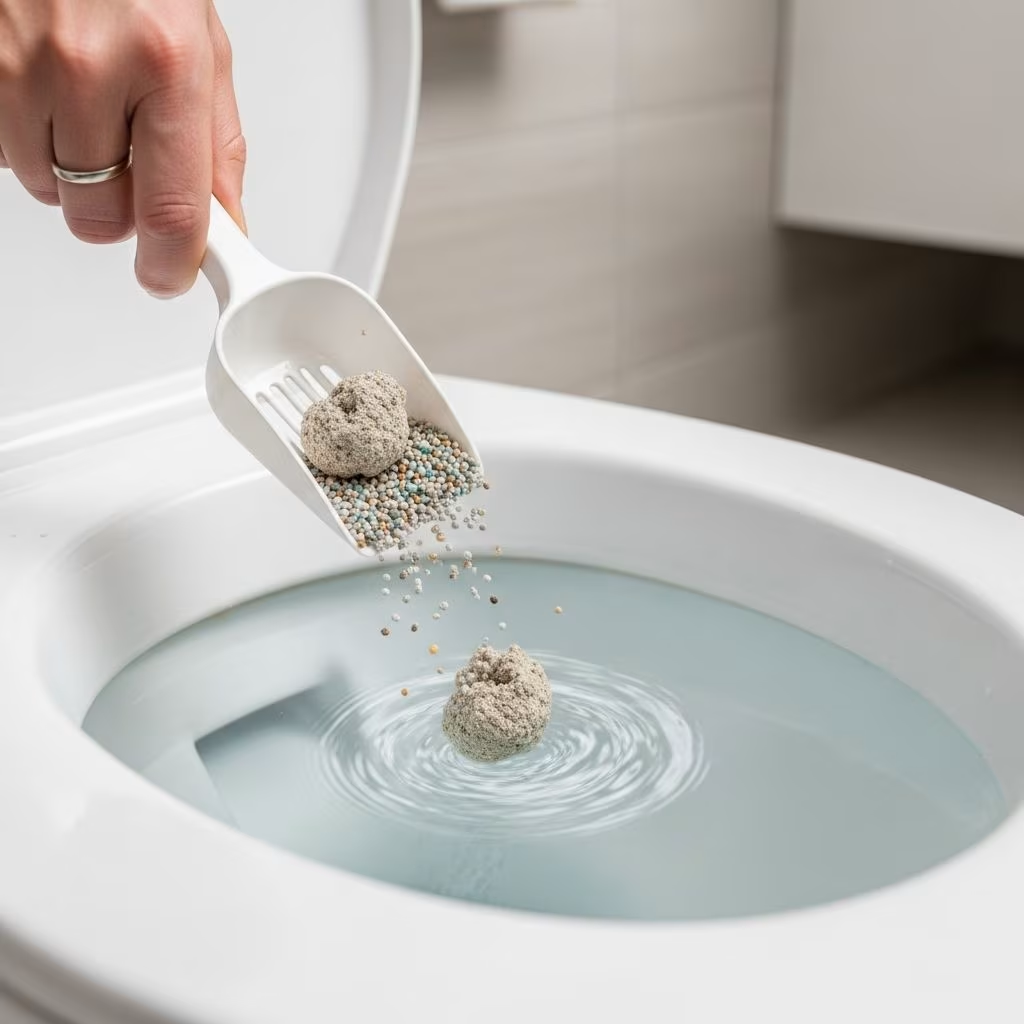
Many cat owners face the daily question of how to dispose of their pet’s waste efficiently. While flushing cat litter down the toilet might seem convenient, this common practice poses serious risks to your plumbing infrastructure, septic systems, and local ecosystems. Understanding these dangers is essential for protecting your home and the environment.
The Plumbing Crisis: How Cat Litter Damages Your Pipes
Cat litter is engineered to absorb moisture rapidly, which is ideal for controlling odors in your litter box but becomes problematic when introduced to your plumbing system. Even products marketed as “flushable” do not behave like traditional waste materials when exposed to water in your pipes.
When cat litter enters your plumbing, it begins to expand and harden as it absorbs moisture from the water flowing through your pipes. This expansion causes the litter to stick to pipe walls, creating stubborn blockages that restrict normal drainage. Over time, these accumulations become increasingly difficult to remove, often requiring professional pipe cleaning services or, in severe cases, complete pipe replacement.
The problem intensifies in homes with older plumbing systems. Vintage properties with narrow pipes, clay exterior lines, or pre-existing mineral deposits provide ideal conditions for litter to catch and accumulate. Tree root intrusions in underground pipes create additional obstacles where litter particles easily become trapped, compounding the blockage issue and potentially leading to whole-house backups.
Why “Flushable” Labels Mislead Consumers
The term “flushable” on cat litter packaging represents a marketing claim rather than a plumbing-safe standard. These products are designed to break down eventually, but not within the timeframe required for safe passage through residential plumbing systems. Testing by plumbing professionals reveals that even premium “flushable” litters clump, expand, and contribute significantly to sewer blockages.
The distinction between toilet paper—which disintegrates rapidly in water—and cat litter is crucial. Toilet paper fibers dissolve almost immediately, while litter particles maintain structural integrity long enough to accumulate inside pipes. Some studies indicate that approximately one-third of all pipe blockages linked to biodegradable products stem from so-called flushable cat litter.
Furthermore, municipal sewer systems and water treatment facilities across numerous regions explicitly advise against flushing cat litter regardless of its label. Cities including St. Louis and Nashville have issued clear guidelines discouraging this practice due to documented infrastructure damage.
The Septic System Consequence: A More Serious Problem
Homes utilizing septic tanks face substantially greater risks from flushed cat litter. Septic systems depend on carefully balanced bacterial colonies to break down waste material naturally. When cat litter enters these systems, it disrupts this delicate biological balance by introducing foreign substances that bacteria cannot effectively process.
Litter particles settle at the bottom of septic tanks, accumulating over time and reducing the tank’s effective capacity. This buildup forces the system to work harder, accelerating the tank’s deterioration and requiring more frequent pumping cycles. Field data from septic maintenance records demonstrates that households regularly flushing litter require pumping every 2.8 years, compared to the standard 4.1-year interval for households that avoid this practice.
The consequences escalate beyond simple maintenance costs. Severely compromised septic systems can overflow, contaminate surrounding soil, pollute groundwater, and require expensive repairs or complete system replacement. These failures create environmental hazards affecting not just the individual property but potentially neighboring wells and water sources.
Biodegradability Doesn’t Mean Safety
Some cat litter manufacturers highlight natural, biodegradable materials as selling points, suggesting these products are environmentally responsible choices. However, biodegradability alone does not guarantee safe disposal through plumbing systems. Tofu-based litters exemplify this distinction—while they dissolve faster than clay alternatives, they still create problems when flushed regularly.
Tofu litter particles adhere to soap residue and hair within drain pipes, forming stubborn clogs that require aggressive cleaning methods to eliminate. The incomplete breakdown of these materials in septic systems increases hydrogen sulfide corrosion within tanks and reduces bacterial waste processing efficiency by 18 to 22 percent. Even products marketed as “septic-safe” present risks when flushed in standard volumes.
Comparative Analysis: Litter Types and Flushing Impact
| Litter Type | Dissolution Rate | Pipe Adhesion Risk | Septic Safety |
|---|---|---|---|
| Traditional Clay | Non-dissolving | Severe | Never safe |
| Tofu-Based | 30 seconds – 2 minutes | Moderate | Conditional |
| Biodegradable Plant-Based | Varies by product | Low to Moderate | Risky |
The Toxoplasma Gondii Threat: A Hidden Health Hazard
Beyond physical plumbing damage, cat waste carries the parasite toxoplasma gondii, which represents a significant public health concern. This microscopic organism survives passage through standard wastewater treatment processes, entering natural water sources where it poses risks to both human and animal populations.
Municipal sewer systems and treatment facilities are not equipped to eliminate this pathogen effectively. When flushed cat litter introduces toxoplasma gondii into wastewater streams, the parasite eventually reaches rivers, coastal waters, and other environmental systems. Research indicates that approximately 40 percent of cat feces flushed down toilets still contains viable parasites capable of surviving treatment processes.
Certain populations face elevated vulnerability to toxoplasma gondii exposure. Pregnant women risk serious complications including birth defects and miscarriage if infected during pregnancy. Immunocompromised individuals, including those with HIV/AIDS or undergoing chemotherapy, face potential neurological damage and other severe health consequences. Even healthy individuals may experience complications from infection, though symptoms often go unrecognized.
Environmental Damage and Marine Life Consequences
The introduction of toxoplasma gondii into coastal waters has documented devastating effects on marine mammal populations. Scientists have traced deaths among southern sea otters directly to parasitic infection originating from cat waste entering oceanic environments. This connection prompted California to mandate warning labels on cat litter products since 2006, recognizing the environmental threat posed by flushing practices.
Beyond parasitic contamination, cat litter residue clogs municipal treatment facility filters and disrupts chemical treatment processes designed for human waste. This mechanical and chemical interference compromises the facility’s ability to produce clean water for return to local environments, creating cascading ecological damage affecting aquatic life, terrestrial ecosystems, and ultimately human water supplies.
Safe and Responsible Cat Litter Disposal Methods
The safest approach involves disposing of cat litter in household trash. This simple practice protects your plumbing, safeguards septic systems, and prevents environmental contamination. For environmentally conscious cat owners, several responsible alternatives exist:
- Trash disposal: Place used litter in sealed bags within regular garbage, minimizing odor while preventing accidental flushing
- Composting programs: Research whether local waste management facilities accept pet waste for industrial composting processes that eliminate pathogens
- Litter-specific disposal services: Some communities offer specialized pet waste collection services that safely process cat litter
- Enzyme-treated waste systems: Specialized systems designed for pet waste eliminate pathogens before disposal
Regional Regulations and Legal Considerations
Many municipalities have implemented explicit regulations against flushing cat litter. Before assuming local guidelines permit this practice, contact your water department or review city ordinances regarding what materials can enter sewer systems. Violating these regulations may result in fines or liability for plumbing damage affecting municipal infrastructure.
Homeowners with septic systems face additional obligations. Many septic system warranties explicitly void coverage if flushing cat litter causes damage, leaving repair costs entirely the homeowner’s responsibility. This financial risk alone justifies adherence to proper disposal methods.
Frequently Asked Questions
Is tofu-based cat litter truly flushable?
While tofu litter dissolves faster than clay alternatives, it still causes plumbing issues and is not recommended for regular flushing. Even biodegradable materials can create blockages in residential plumbing systems.
What happens if I’ve already flushed cat litter?
Occasional flushing may not cause immediate problems, but repeated practice accumulates residue in pipes and septic systems. Monitor for slow drains or unusual gurgling sounds, which indicate developing blockages requiring professional inspection.
Can I flush cat feces without litter?
No. Cat feces contains toxoplasma gondii and other pathogens that contaminate water supplies and harm marine life. Always dispose of feces in household trash.
How do I know if my septic system has been damaged by flushed litter?
Signs include slower drainage, persistent odors near the tank, lush vegetation in septic field areas, or sewage backup into the home. Professional septic inspections can identify damage.
Are there any situations where flushing small amounts is acceptable?
No verified safe threshold exists. Even small quantities accumulate over time, eventually causing problems. Consistent trash disposal remains the only safe approach.
Making the Environmentally Conscious Choice
Protecting your home’s plumbing and septic systems aligns with environmental stewardship. By disposing of cat litter properly, you prevent parasitic contamination of water supplies, avoid clogging municipal treatment facilities, and protect vulnerable human populations and marine ecosystems from toxoplasma gondii exposure.
This straightforward choice requires minimal effort—simply placing used litter in sealed bags within your trash—yet delivers substantial benefits to household infrastructure, community water systems, and environmental health.
References
- Why You Should Never Flush Cat Poop Down the Toilet — PNS Plumbing. https://www.pnsplumbing.com/why-you-should-never-flush-cat-poop-down-the-toilet/
- Can Tofu Cat Litter Be Flushed Safely? The Truth Revealed — Emily Pets. https://www.emilypets.com/blog/can-tofu-cat-litter-really-be-safely-flushed-down-the-toilet
- Can I Flush Cat Litter Down the Toilet? – Consequences, Fixes, and Alternatives — Hoffmann Bros. https://www.hoffmannbros.com/can-i-flush/cat-litter
- Why You Should Never Send Flushable Cat Litter Down Your Commode — FC Comfort. https://www.fccomfort.com/2022/11/07/why-you-should-never-send-flushable-cat-litter-down-your-commode/
- Is the Litter Flushable? — Kitty Poo Club Knowledge Base. https://help.kittypooclub.com/article/118-is-the-litter-flushable



