

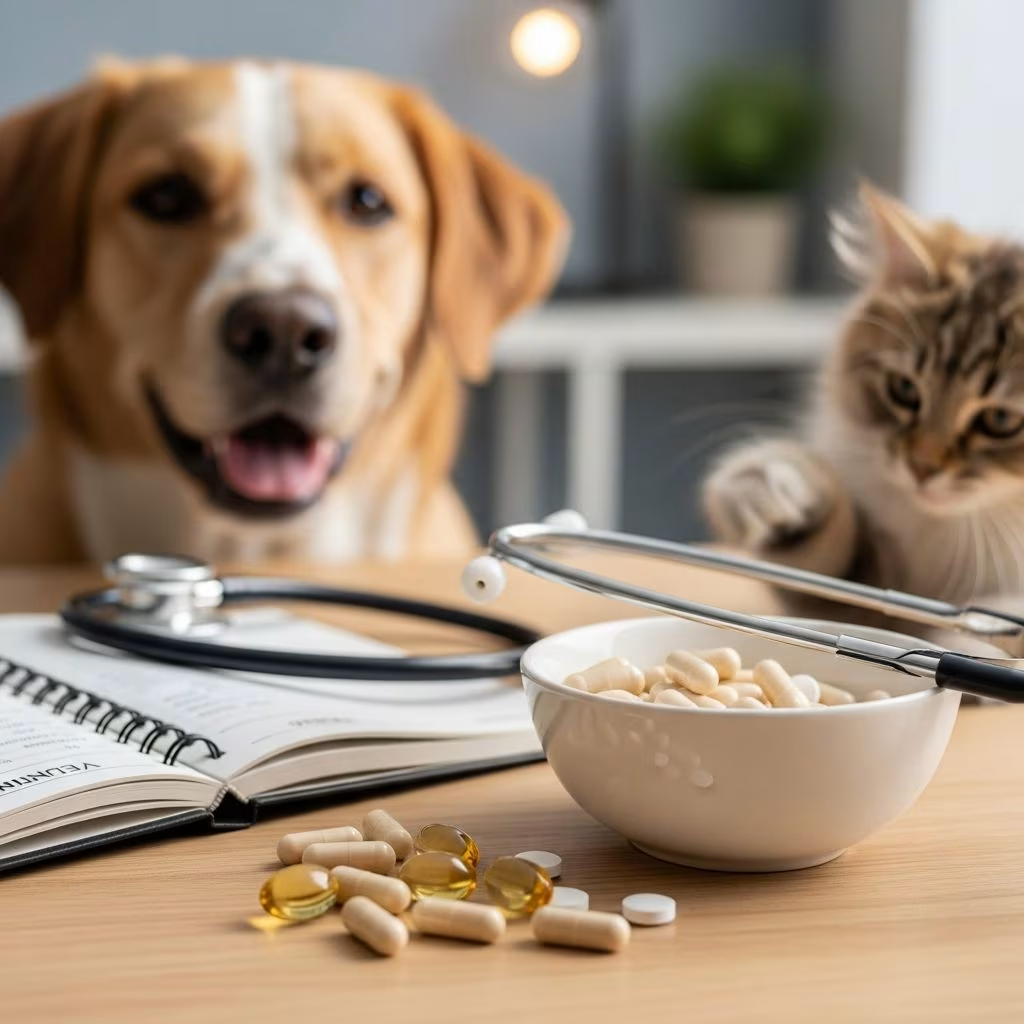
Understanding Fluoxetine for Pets
Fluoxetine is a widely prescribed medication in veterinary medicine that has become an essential tool for managing behavioral and anxiety-related issues in companion animals. This selective serotonin reuptake inhibitor (SSRI) works by increasing serotonin levels in the brain, helping to create a calming effect without causing excessive sedation in most cases. Pet owners and veterinarians have increasingly turned to fluoxetine as a safe and effective option for treating various conditions that affect their pets’ quality of life and behavior.
What is Fluoxetine?
Fluoxetine belongs to a class of medications known as selective serotonin reuptake inhibitors (SSRIs). These medications function by blocking the reabsorption of serotonin in the brain, which increases the availability of this important neurotransmitter. In veterinary medicine, fluoxetine is commonly known by its brand name Reconcile, which has been specifically formulated for dogs. The medication works similarly to how it does in humans, helping to regulate mood and behavior by maintaining optimal serotonin levels.
How Fluoxetine Works
The mechanism of action for fluoxetine involves preventing the reuptake of serotonin at the neuronal synapse. By keeping serotonin available in the space between nerve cells longer, fluoxetine allows these neurotransmitters to continue influencing mood-regulating receptors. This extended presence of serotonin helps reduce anxiety, excessive behaviors, and aggression in pets. Unlike some other classes of antidepressants, SSRIs like fluoxetine typically have a calming effect but seldom cause sedation, making them suitable for pets that need to remain alert and active during their treatment.
Conditions Treated with Fluoxetine
Veterinarians prescribe fluoxetine for a variety of behavioral and emotional disorders in pets. The most common indications include separation anxiety, obsessive-compulsive disorder (OCD), and aggression-related behaviors. Separation anxiety is particularly prevalent in dogs and can manifest as destructive behavior, excessive vocalization, and house soiling when the pet is left alone. Fluoxetine has demonstrated effectiveness in reducing the anxiety and panic that underlie these behaviors.
Beyond separation anxiety, fluoxetine is used to treat other anxiety disorders and behavioral problems. Obsessive-compulsive behaviors, such as excessive licking, pacing, or repetitive actions, often respond well to SSRI therapy. Additionally, aggression stemming from fear, anxiety, or frustration can be managed with fluoxetine, though it is typically combined with behavioral modification techniques for optimal results.
How to Administer Fluoxetine to Your Pet
Proper administration of fluoxetine is crucial for ensuring the medication’s effectiveness and your pet’s safety. Veterinarians provide specific dosing instructions tailored to each individual pet’s needs, and it is essential to follow these directions carefully.
Forms and Methods of Administration
Fluoxetine is available in multiple formulations to accommodate different pets and their preferences. The medication comes as tablets, capsules, or liquid formulations. The choice of formulation depends on your pet’s size, ability to swallow pills, and your veterinarian’s recommendation. Liquid forms should be measured carefully using the provided dosing syringe or measuring device to ensure accurate administration.
Fluoxetine is given by mouth, and your veterinarian will determine whether your pet should receive it with or without food. Many pets tolerate the medication well regardless of feeding status, but if your pet experiences vomiting when dosed on an empty stomach, you should give future doses with a meal or a treat to minimize gastrointestinal upset. Consistency in administration is important, so try to give the medication at approximately the same time each day.
Dosage Information
Fluoxetine is generally prescribed for dogs at 1 to 2 milligrams per kilogram (about 2.2 pounds) every 24 hours, according to standard veterinary dosing guidelines. Your veterinarian will calculate the appropriate dose based on your pet’s weight, age, health status, and the specific condition being treated. It is critical that you give exactly the dose prescribed and do not adjust it without veterinary guidance.
Important Administration Guidelines
Never stop giving fluoxetine abruptly unless specifically instructed by your veterinarian. Suddenly discontinuing the medication can lead to withdrawal symptoms and a rapid return of behavioral problems. If you need to stop the medication, your veterinarian will provide a gradual tapering schedule.
Do not give fluoxetine in conjunction with flea and tick collar use. Some flea and tick collars contain amitraz, which is a monoamine oxidase inhibitor (MAOI) that can interact dangerously with fluoxetine, potentially causing serotonin syndrome. If your pet has been on a flea and tick collar within the past two weeks before starting fluoxetine, alert your veterinarian, as a two-week washout period is typically recommended.
Additionally, do not give aged cheeses to your pet while using fluoxetine, as aged cheeses contain tyramine, which can cause adverse interactions with this medication.
Expected Timeline for Improvement
Pet owners should understand that fluoxetine is not a quick-acting medication. Effects can typically be seen within 4 weeks of starting treatment, but the full therapeutic benefit may take up to 8 weeks to become apparent. This extended timeline reflects how serotonergic systems gradually adapt to increased serotonin availability. During this period, it is important to continue behavioral modification techniques alongside medication use, as this combined approach yields the best results. Your veterinarian may need to run further tests to determine if the medication is working appropriately if you are not seeing expected clinical improvements after several weeks of consistent use.
Potential Side Effects
While fluoxetine is generally well-tolerated in pets, some animals may experience side effects. Understanding these potential reactions helps pet owners distinguish between expected responses and signs that warrant veterinary attention.
Common Side Effects
The most frequently reported side effects of fluoxetine in pets are sleepiness and decreased appetite. These effects are often mild and may diminish over time as the pet’s body adjusts to the medication. Other common side effects include:
- Vomiting
- Diarrhea
- Shaking or shivering
- Tremors
- Restlessness
- Panting
- Whining or excessive vocalization
- Incoordination
- Hypersalivation
- Weight loss
In cats specifically, fluoxetine may cause irritability, sleep disturbances, reduced appetite, and changes in urination and defecation habits.
Managing Side Effects
If your pet experiences gastrointestinal upset such as vomiting or diarrhea, administering the medication with food may help alleviate these symptoms. If side effects persist or become severe, contact your veterinarian immediately. Some side effects, such as restlessness or tremors, may indicate that the dosage needs adjustment or that the medication is not appropriate for your specific pet.
Risk Factors and Contraindications
Fluoxetine should not be used in certain situations where it poses significant risks to pets. Understanding these contraindications helps ensure safe and appropriate medication use.
When Fluoxetine Should NOT Be Used
Fluoxetine should not be used in pets that:
- Have a history of seizures
- Are on medications that lower the seizure threshold
- Are allergic to fluoxetine
- Are taking monoamine oxidase inhibitors (MAOIs)
- Are younger than 6 months of age
- Are showing signs of aggression (in some cases)
The seizure risk is particularly important because fluoxetine can lower the seizure threshold in susceptible animals, potentially triggering seizures or increasing their frequency in epileptic pets.
When Fluoxetine Should Be Used With Caution
Fluoxetine should be used with caution in pets that:
- Have diabetes mellitus
- Have severe liver disease
- Are pregnant or lactating
In these situations, your veterinarian will carefully weigh the benefits against the risks and may recommend alternative treatments or adjusted dosing protocols.
Drug Interactions
Fluoxetine can interact with several other medications. Most importantly, it should not be combined with monoamine oxidase inhibitors (MAOIs) such as selegiline or amitraz. If your pet has been taking an MAOI, a minimum of 14 days should pass before starting fluoxetine. Conversely, if you are discontinuing fluoxetine and planning to start another medication, allow at least 6 weeks, as fluoxetine remains in the body for several weeks after discontinuation.
Overdose and Emergencies
Overdoses of fluoxetine can cause serious complications. Signs of overdose include seizures, dilated (large) pupils, and vomiting. If you witness or suspect an overdose, contact your veterinarian or an animal poison control center immediately for further advice. Time is of the essence in overdose situations, so seek professional help without delay.
Serotonin Syndrome
An important safety consideration when using fluoxetine is the potential for serotonin syndrome, which occurs when there is excessive serotonin activity in the brain. This condition can develop if fluoxetine is combined with other serotonergic medications or MAOIs. An animal with serotonin syndrome experiences excessive effects of serotonin, and the overstimulation of serotonin receptors leads to a variety of mental and physical changes. Symptoms may include agitation, confusion, rapid heart rate, high blood pressure, dilated pupils, and muscle rigidity. This is a medical emergency requiring immediate veterinary attention.
Duration of Action and Washout Periods
Fluoxetine has moderate duration of action, meaning its effects may last for a few days after administration, although the benefits may be prolonged if your animal has decreased kidney and/or liver function. Due to its prolonged presence in the body, a significant washout period is necessary when switching medications. The manufacturer recommends waiting 6 weeks after stopping fluoxetine before giving other drugs that may cause interactions. Do not start any new drug during this time period without first checking with your veterinarian or pharmacist.
Dietary Considerations
While on fluoxetine, certain dietary items should be avoided. Most notably, aged cheeses contain tyramine, which can interact with fluoxetine and potentially cause adverse effects. Pet owners should review their pet’s diet and treat list with their veterinarian to ensure compliance with these dietary restrictions.
Frequently Asked Questions About Fluoxetine
Q: How long does it take for fluoxetine to work?
A: While some effects may be noticed within 4 weeks, it can take up to 8 weeks to see the full therapeutic benefit of fluoxetine. Patience and consistent administration are important during this adjustment period.
Q: Can I stop fluoxetine suddenly?
A: No, you should not stop fluoxetine abruptly unless instructed by your veterinarian. Gradual tapering is recommended to avoid withdrawal symptoms and a rapid return of behavioral problems.
Q: What should I do if my pet has an overdose?
A: If you suspect an overdose of fluoxetine, contact your veterinarian or an animal poison control center immediately. Symptoms of overdose include seizures, dilated pupils, and vomiting.
Q: Can fluoxetine be given with flea and tick collars?
A: No, fluoxetine should not be given in conjunction with flea and tick collar use, as some collars contain amitraz (an MAOI) which can interact dangerously with fluoxetine.
Q: Is fluoxetine safe for all ages of pets?
A: No, fluoxetine should not be used in pets younger than 6 months of age. Your veterinarian will determine age-appropriateness for your specific pet.
Q: Can fluoxetine be used in pregnant or nursing pets?
A: Fluoxetine should be used with caution in pregnant or lactating pets. Discuss the risks and benefits with your veterinarian before using this medication in these situations.
Q: What foods should be avoided while my pet is on fluoxetine?
A: Aged cheeses should not be given to pets while on fluoxetine due to the tyramine content, which can cause adverse interactions.
References
- Selective Serotonin Reuptake Inhibitors in Veterinary Behavioral Medicine — VCA Animal Hospitals. 2024. https://vcahospitals.com/know-your-pet/behavior-counseling—medications-and-consent-form
- Fluoxetine Clinical Applications and Dosing Guidelines — University of Connecticut School of Pharmacy. 2022. https://pharmacy.media.uconn.edu/wp-content/uploads/sites/2740/2022/01/HO-2-slides-per-page-Dispensing-Patient-Safety.pdf
- Fluoxetine: Administration, Side Effects, and Safety — VCA Animal Hospitals. 2024. https://vcahospitals.com/know-your-pet/fluoxetine
- Veterinary Medical Guide to Fluoxetine — Veterinary Medical Group. 2021. https://dogcatdoc.com/wp-content/uploads/2021/05/VMG-Fluoxetine.pdf
- Serotonin Syndrome in Veterinary Patients — VCA Animal Hospitals. 2024. https://vcahospitals.com/know-your-pet/serotonin-syndrome
- Separation Anxiety in Dogs: Medication Management — VCA Animal Hospitals. 2024. https://vcahospitals.com/know-your-pet/dog-behavior-problems—separation-anxiety-in-dogs—synopsis
- Merck Veterinary Manual: Fluoxetine Dosing — Merck & Co., Inc. 2024. https://www.merckvetmanual.com



