

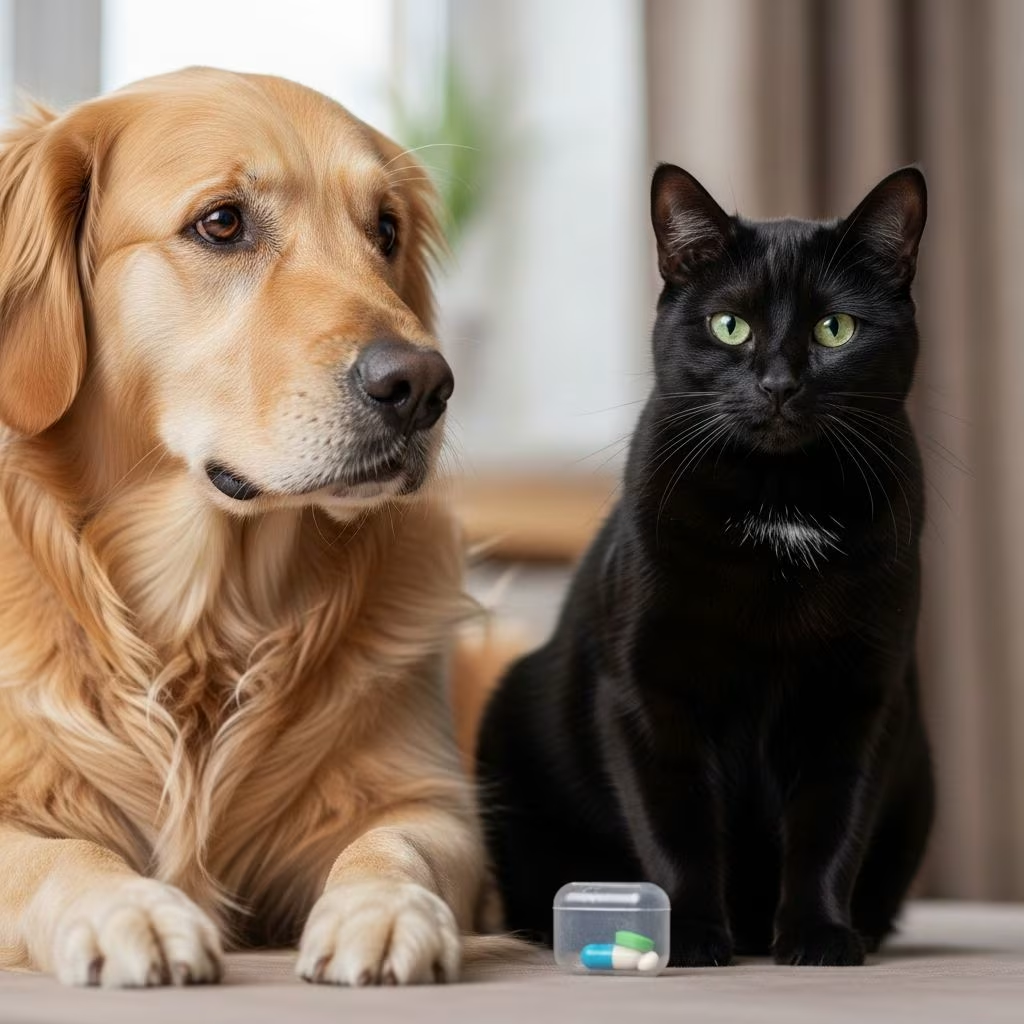
Behavioral challenges in pets can significantly impact their quality of life and the household environment. When environmental modifications and training alone prove insufficient, veterinarians often turn to pharmaceutical interventions. Fluoxetine stands as one of the most widely prescribed behavioral medications in veterinary practice, offering relief for pets struggling with anxiety, aggression, and compulsive behaviors. This comprehensive guide explores how this medication works, its applications, proper dosing, potential side effects, and important considerations for pet owners considering this treatment option.
What Exactly Is Fluoxetine and How Does It Function?
Fluoxetine is a selective serotonin reuptake inhibitor, commonly known as an SSRI, that works by increasing the availability of serotonin in the brain. In humans, this medication is marketed under the brand name Prozac, while veterinary formulations for dogs carry the brand name Reconcile. The medication functions by preventing the reabsorption of serotonin at neural synapses, allowing this neurotransmitter to remain active longer in the central nervous system.
For pets, this mechanism translates into calming and mood-stabilizing effects. By enhancing serotonin activity, fluoxetine reduces the neurochemical imbalances that contribute to anxiety-related behaviors and compulsive tendencies. The medication essentially helps pets feel more balanced and less reactive to environmental triggers that would normally provoke stress responses.
Primary Applications: What Behavioral Problems Does Fluoxetine Address?
Veterinarians prescribe fluoxetine for a diverse range of behavioral issues, though certain conditions dominate clinical practice patterns. Understanding these primary uses helps pet owners recognize whether their animal might benefit from this medication.
Separation Anxiety in Dogs
Separation anxiety represents one of the most common indications for fluoxetine in canines. Dogs with this condition experience genuine distress when separated from their owners, manifesting through destructive behaviors, excessive vocalization, house soiling, and self-harm. Fluoxetine helps reduce the underlying anxiety that drives these behaviors, making dogs more capable of tolerating alone time when combined with behavioral modification techniques.
Aggression and Anxiety-Related Behaviors
Research examining veterinary prescribing patterns reveals that anxiety ranks as the most frequently treated condition in dogs, followed by aggression. Both conditions often stem from fear or insecurity, and fluoxetine addresses the emotional foundation rather than simply suppressing outward aggression. This distinction is crucial because treating the underlying anxiety frequently results in behavioral improvement without requiring additional sedatives.
Compulsive and Obsessive Behaviors
Dogs and cats sometimes develop repetitive behaviors that indicate psychological distress rather than medical conditions. These may include excessive licking, tail chasing, or destructive behaviors that follow predictable patterns. Fluoxetine demonstrates effectiveness in reducing the compulsive drive behind these behaviors.
Feline-Specific Behavioral Issues
In cats, fluoxetine addresses distinctive behavioral patterns. Inappropriate elimination—urinating or defecating outside the litter box—represents the most common reason veterinarians prescribe this medication in felines. Additionally, cats frequently receive fluoxetine for over-grooming, anxiety, and aggression. Cats experiencing stress from household changes, multiple-pet environments, or separation anxiety often benefit from this medication.
Noise Phobias and Fear-Related Responses
Some animals develop intense fear responses to specific triggers such as thunderstorms, fireworks, or loud noises. While short-term sedatives address immediate anxiety, fluoxetine provides long-term management that gradually reduces the intensity of fear responses over time.
Dosage Guidelines: Finding the Right Amount for Your Pet
Proper dosing is essential for achieving therapeutic benefits while minimizing side effects. However, dosage varies considerably based on individual factors and the specific condition being treated.
Canine Dosing Protocols
For dogs, the typical dosage ranges from 1 to 2 milligrams per kilogram of body weight administered orally once daily. Most veterinarians standardize on once-daily dosing, though individual circumstances may warrant twice-daily administration. The medication can be given with or without food, providing flexibility in administration methods.
Feline Dosing Protocols
Cats generally receive 0.5 to 1.0 milligrams per kilogram of body weight once daily, with an average dose of approximately 5 milligrams daily. The lower dosing range reflects cats’ physiological differences compared to dogs and their generally smaller body size. Veterinarians select specific doses based on the individual cat’s weight and response to treatment.
Formulation Options
Fluoxetine is available in multiple formulations to accommodate different administration preferences and patient needs:
- Tablet form for easy administration with food
- Capsules that can sometimes be opened and mixed with food
- Liquid formulations for animals that cannot swallow tablets
- Chewable tablets (Reconcile brand for dogs)
- Topical lotion for cats that can be applied to the inner ear
The variety of formulations allows veterinarians and owners to select the most practical option for their specific pet and living situation.
Timeline for Therapeutic Effects: What to Expect
Pet owners frequently ask when they should expect to see behavioral improvements. Understanding the medication’s timeline prevents premature discontinuation and sets realistic expectations.
Fluoxetine requires a substantial period to reach full therapeutic effectiveness. Most sources indicate that 4 to 8 weeks of consistent medication administration are necessary to observe maximum benefit. However, some pets may demonstrate noticeable improvement within the first week of treatment, particularly in terms of overall anxiety levels and stress responsiveness.
This delayed onset occurs because fluoxetine works by gradually restoring neurochemical balance rather than producing immediate sedation. The medication allows the nervous system to recalibrate its serotonergic function, a process that inherently requires time. During this waiting period, concurrent behavioral modification efforts—working with a certified trainer or veterinary behaviorist—significantly enhance outcomes.
Critical Success Factor: Behavioral Modification Programs
An essential principle that veterinarians emphasize repeatedly is that fluoxetine is most effective when combined with structured behavioral modification protocols. The medication reduces anxiety levels but does not automatically teach new behaviors or eliminate learned responses. Instead, it creates a neurochemical state in which the pet is more receptive to learning and less overwhelmed by anxiety during training sessions.
This combined approach—medication plus behavior training—produces superior outcomes compared to either intervention alone. A veterinarian or certified animal behaviorist should design the behavioral component specifically for the pet’s individual issues and living situation.
Possible Side Effects and Adverse Reactions
Like all medications, fluoxetine carries potential for adverse effects. While many pets tolerate the medication well, awareness of possible side effects allows owners to monitor their animals appropriately and report concerns to their veterinarian.
Common, Generally Mild Side Effects
The most frequently reported side effects are relatively benign and often resolve as the body adjusts to the medication:
- Appetite changes (decreased or increased hunger)
- Digestive upset including vomiting or diarrhea
- Low energy or lethargy
- Changes in normal sleep patterns
- Reduced grooming activity
- Irritability or mild behavioral changes
Serious Adverse Reactions Requiring Immediate Attention
While uncommon, some adverse reactions demand immediate veterinary intervention and potential medication discontinuation:
- Seizure activity
- Worsening aggression or violent behavior
- Excessive or persistent vomiting
- Severe behavioral changes suggesting toxicity
Medical Conditions Requiring Special Consideration
Certain pre-existing health conditions necessitate caution or contraindicate fluoxetine use entirely. Veterinarians must thoroughly evaluate a pet’s medical history before prescribing this medication.
When Fluoxetine Should Be Avoided
Pets with a history of seizure disorders should generally avoid fluoxetine because the medication may lower seizure threshold. This contraindication is particularly important because some pets receive concurrent medications that also lower seizure threshold, creating compounded risk.
When Special Precautions Apply
Veterinarians recommend caution when prescribing fluoxetine to pets with:
- Liver disease or compromised liver function
- Heart conditions or cardiac disease
- Diabetes mellitus
These conditions may affect medication metabolism, potentially requiring dose adjustments or more frequent monitoring.
Regulatory Status and Approved Uses
Understanding the regulatory framework surrounding fluoxetine helps pet owners appreciate the difference between formally approved applications and common clinical uses.
The FDA has approved fluoxetine specifically for treating separation anxiety in dogs under the brand name Reconcile, administered in conjunction with behavioral modification. However, veterinarians routinely prescribe fluoxetine off-label—meaning for conditions not listed on the drug label—to treat other behavioral disorders in both dogs and cats. Off-label use is entirely legal when prescribed by a licensed veterinarian and does not indicate improper or unsafe medication use.
In cats, all fluoxetine use is technically off-label because the medication lacks FDA approval for feline patients. Despite this regulatory status, veterinarians commonly prescribe fluoxetine in cats for inappropriate elimination, anxiety, aggression, and over-grooming based on clinical experience and published veterinary literature.
Duration of Treatment: How Long Will My Pet Need This Medication?
Treatment duration varies considerably depending on the individual animal and the underlying behavioral condition.
Some dogs may require long-term, potentially lifelong treatment at the lowest effective dose that controls symptoms. Other animals demonstrate sustained behavioral improvement after several months of treatment, allowing gradual discontinuation. The decision to continue, taper, or discontinue fluoxetine should always involve veterinary guidance rather than owner-initiated changes.
Importantly, fluoxetine should never be discontinued abruptly. Stopping the medication suddenly can precipitate withdrawal symptoms and worsen the original anxiety condition. If discontinuation becomes necessary, veterinarians should supervise a gradual tapering process to allow the nervous system to readjust gradually.
Drug Interactions and Medication Considerations
Pets receiving other medications require special attention to potential interactions. Fluoxetine can interact with certain anesthetics, other psychotropic drugs, and medications that affect serotonin levels. Always inform your veterinarian of all medications and supplements your pet is currently receiving before starting fluoxetine.
Frequently Asked Questions
Can I give my dog human Prozac instead of Reconcile?
While fluoxetine is the same active ingredient in both human and veterinary formulations, veterinarians should determine the appropriate dose and formulation for your specific dog. Never give your pet human medication without explicit veterinary instruction.
How much does fluoxetine treatment cost?
Costs vary depending on whether generic or brand-name formulations are used, the pet’s size, and local veterinary pricing. Generic fluoxetine is typically significantly less expensive than branded products.
Will my pet become dependent on fluoxetine?
Fluoxetine does not create the type of physical dependency seen with benzodiazepines or narcotics. However, abrupt discontinuation can cause withdrawal effects, which is why gradual tapering is recommended.
What should I do if I miss a dose?
If you miss a dose, skip it and resume the normal dosing schedule the next day. Do not double-dose to compensate for a missed dose.
How is fluoxetine different from other anxiety medications for pets?
Fluoxetine provides long-term mood stabilization and gradual anxiety reduction, whereas short-term medications like benzodiazepines provide quick sedation for specific events. Fluoxetine is appropriate for chronic conditions, while other medications address acute anxiety situations.
Moving Forward: Discussing Fluoxetine With Your Veterinarian
If your dog or cat exhibits behavioral problems affecting quality of life, discussing pharmacological interventions with your veterinarian represents an important step in comprehensive pet care. Fluoxetine offers a well-established, evidence-based approach to managing behavioral anxiety and related conditions in companion animals.
Approach the conversation with information about your pet’s specific behavioral issues, the timeline of symptom development, any triggering factors, and previous training attempts. Your veterinarian will assess whether fluoxetine is appropriate, establish the proper dose, and coordinate behavioral modification efforts to maximize therapeutic success.
Remember that fluoxetine represents one tool in a comprehensive behavioral management approach. Combined with environmental enrichment, consistent training, and veterinary guidance, this medication can significantly improve both your pet’s wellbeing and your household harmony.
References
- The use of fluoxetine by veterinarians in small animal practice — PubMed/National Center for Biotechnology Information. 2016-05-15. https://pubmed.ncbi.nlm.nih.gov/27110371/
- Fluoxetine: Pharmacology and Clinical Use in Veterinary Medicine — Medi-Vet Pharmaceutical Resources. 2024. https://www.medi-vet.com/Fluoxetine-20-mg-Capsules-p/18555.htm
- Fluoxetine (Prozac) for Cats: Uses, Side Effects, Dosage — GoodRx Pet Health. 2024-12-10. https://www.goodrx.com/pet-health/cat/prozac-for-cats
- Fluoxetine (Prozac®, Reconcile®) for Dogs — PetMD. 2024. https://www.petmd.com/pet-medication/fluoxetine-reconcile-prozac-for-dogs
- Fluoxetine for Dogs: Uses, Side Effects, and Precautions — Toe Grips Animal Health. 2023-06-15. https://toegrips.com/fluoxetine-for-dogs/
- Fluoxetine Medication Overview — VCA Animal Hospitals. 2024. https://vcahospitals.com/know-your-pet/fluoxetine



