
Fluid Therapy Essentials: 5 Key Fluids And Protocols
Master the principles of fluid therapy to optimize patient care across clinical scenarios in veterinary practice.
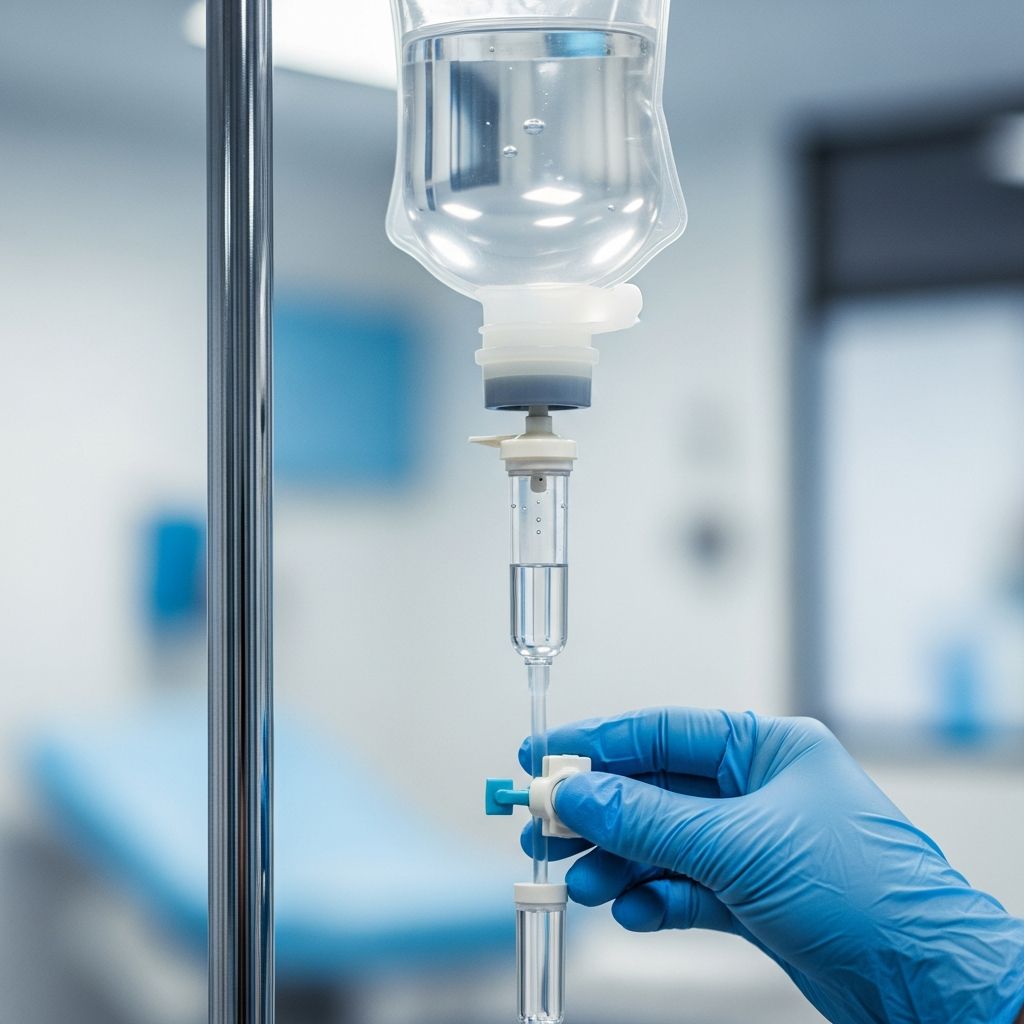
Fluid therapy stands as a cornerstone of modern veterinary care, enabling practitioners to restore balance, support vital functions, and improve outcomes in compromised patients. This intervention addresses deficits in hydration, electrolytes, and circulation essential for life.
Understanding Body Fluid Dynamics
The body maintains fluids across intracellular and extracellular compartments, with the latter divided into intravascular and interstitial spaces. Total body water constitutes about 60% of body weight in adults, varying by species, age, and health status. Disruptions from illness, trauma, or surgery necessitate precise replacement to sustain perfusion and cellular integrity.
Effective management begins with assessing distribution: intracellular fluid (roughly two-thirds) handles cellular processes, while extracellular (one-third) supports circulation and tissue spacing. Losses through vomiting, diarrhea, or hemorrhage shift this equilibrium, demanding targeted repletion.
Recognizing When Fluid Therapy is Needed
Clinical signs like sunken eyes, tacky mucous membranes, prolonged skin tenting, and lethargy signal dehydration. Quantify deficits using percentage estimates: mild (5-6%), moderate (7-10%), severe (11-15%). Shock manifests as weak pulses, cold extremities, and hypotension, requiring urgent intervention.
- Dehydration assessment: History of fluid loss plus physical exam findings.
- Shock indicators: Rapid heart rate, poor capillary refill, altered mentation.
- Ongoing losses: Measure urine output, vomiting volume, or wound drainage.
In surgical cases, anticipate needs based on procedure duration and blood loss to preempt deficits.
Types of Fluids and Their Applications
Veterinary fluid therapy relies on crystalloids for most scenarios, with colloids reserved for specific hypovolemia cases. Selection hinges on sodium content, tonicity, and buffering capacity.
| Fluid Type | Composition Highlights | Primary Uses |
|---|---|---|
| Normosol-R or Plasma-Lyte | Balanced electrolytes, acetate/gluconate buffers | Surgery, maintenance, mild acidosis |
| Lactated Ringer’s (LR) | Sodium, potassium, calcium, lactate | Resuscitation, hypovolemia, trauma |
| 0.9% Saline | Isotonic sodium chloride | Hyponatremia correction, initial boluses |
| 5% Dextrose | Hypotonic with glucose | Hypernatremia, hypoglycemia |
| Heta Starch/Colloids | Large molecules for oncotic pressure | Hypoalbuminemia, refractory shock |
Crystalloids expand intravascular volume temporarily, while balanced solutions like LR minimize hyperchloremic acidosis risks. Avoid dextrose in most adults to prevent hyperglycemia.
Calculating Fluid Requirements
Three components guide dosing: deficit correction, ongoing maintenance, and continuous losses. Deficit = dehydration % × body weight (kg) × 1000 (mL). Maintenance approximates 40-60 mL/kg/day for dogs, adjusted lower for cats (e.g., 30-40 mL/kg/day).
For a 10 kg dog at 8% dehydrated: Deficit = 0.08 × 10 × 1000 = 800 mL. Maintenance: 50 mL/kg/day = 500 mL/day. Total first 24h: 1300 mL, infused over 24 hours post-bolus if needed.
- Resuscitation bolus: 20-30 mL/kg rapidly, reassess.
- Maintenance formula: (BW_kg)^0.75 × 70 for precision.
- Adjust for species: Avian/reptile rates much lower.
Reassess every 4-6 hours, tapering as oral intake resumes.
Routes of Administration
Intravenous (IV) provides fastest access via cephalic, saphenous, or jugular veins. Use 20-22g catheters for adults, smaller for pediatrics. Subcutaneous (SC) suits mild dehydration in small animals, limited by absorption speed. Intraosseous (IO) for neonates or vascular collapse.
IV Setup Tips:
- Clip and aseptic prep.
- Secure with tape/splint.
- Flush with 2-5 mL heparinized saline hourly.
Monitoring and Adjustments
Success metrics include mucous membrane moisture, skin elasticity, heart rate normalization, urine production (1-2 mL/kg/hr), and central venous pressure if advanced. Lab checks: PCV/TS for hemoconcentration, electrolytes, lactate, acid-base status.
Overzealous therapy risks pulmonary edema, especially in cardiac/renal patients. Daily weights track net balance: aim 2-5% gain initially, then neutral.
Special Scenarios in Veterinary Practice
Critical Care and Shock
Hypovolemic shock demands 90 mL/kg bolus challenges (dogs), monitoring response. Septic cases may need vasopressors alongside.
Perioperative Management
Intraop: 5-10 mL/kg/hr maintenance plus blood loss replacement (3:1 crystalloid:whole blood). Postop: Continue until normovolemic.
Pediatric and Geriatric Considerations
Puppies/kittens: Higher maintenance (80-100 mL/kg/day), glucose-supplemented. Seniors: Conservative rates to avoid overload.
Chronic Conditions
Renal failure: Matched water restriction, monitor BUN/creatinine. Heart disease: Low-sodium fluids, diuretics if needed.
Potential Complications and Prevention
Phlebitis from prolonged catheters: Rotate sites q72h. Electrolyte derangements: Serial labs. Volume overload: Frequent auscultation for crackles.
- Hypernatremia: Slow correction <0.5 mEq/L/hr.
- Infection: Strict asepsis.
- Air embolism: Closed systems.
Individualize based on comorbidities for safety.
FAQs
What is the first step in fluid therapy?
Assess dehydration degree and type of loss via history and exam.
Can all patients receive lactated Ringer’s?
No, avoid in lactate clearance issues like liver failure; opt for Normosol.
How do I know if fluids are working?
Improved perfusion parameters, urine output, and clinical demeanor.
Is subcutaneous fluid effective for shock?
No, reserve IV/IO for emergencies; SC for maintenance.
What maintenance rate for cats?
40-60 mL/kg/day, often lower end to prevent overload.
Advancing Fluid Therapy Practices
Incorporate point-of-care ultrasound for volume status (IVC collapsibility) and dynamic markers like stroke volume variation in ICU settings. Tailored protocols reduce complications, enhancing recovery across species.
References
- IV Fluids (Intravenous Fluids): Types & Uses — Cleveland Clinic. 2023-10-19. https://my.clevelandclinic.org/health/treatments/21635-iv-fluids
- Intravenous fluid therapy – Knowledge @ AMBOSS — AMBOSS. 2024-01-15. https://www.amboss.com/us/knowledge/intravenous-fluid-therapy/
- Fluid Management – StatPearls — NCBI Bookshelf. 2023-07-17. https://www.ncbi.nlm.nih.gov/books/NBK532305/
- Intravenous fluid therapy: essential components and key… — PMC (NCBI). 2023-05-12. https://pmc.ncbi.nlm.nih.gov/articles/PMC12321458/
- Current Concepts in Fluid Therapy — MSPCA-Angell. 2022-11-08. https://www.mspca.org/waltham_services/current-concepts-in-fluid-therapy/
- Intravenous (IV) Fluids: What Are They, Types, Indications, and More — Osmosis. 2023-09-20. https://www.osmosis.org/answers/IV-fluids
Similar Articles








Read full bio of medha deb


