

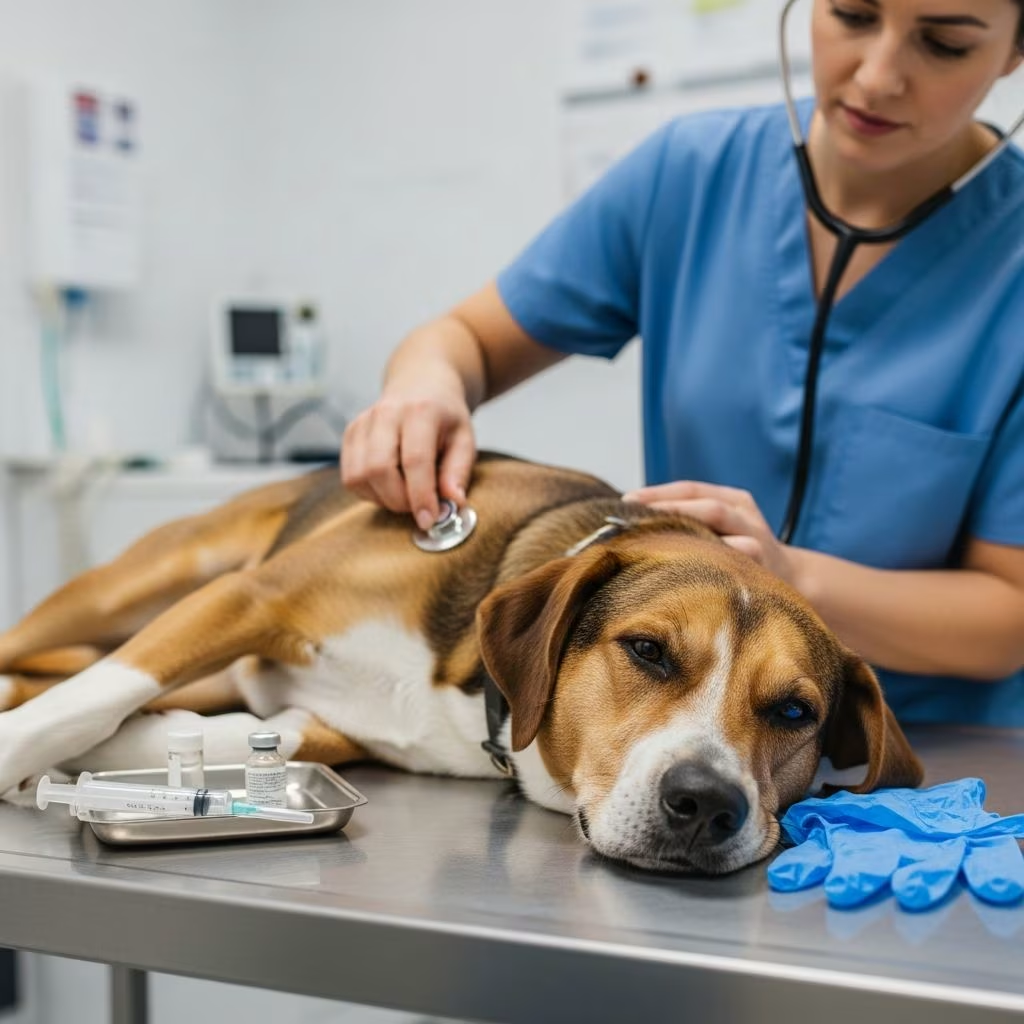
Fluid accumulation in a dog’s lungs, known as pulmonary edema, disrupts normal breathing by filling air sacs with liquid instead of oxygen-rich air. This condition demands prompt veterinary attention to address underlying issues and restore lung function.
Understanding the Basics of Lung Fluid Buildup
The lungs contain tiny air sacs called alveoli that facilitate gas exchange. When these fill with fluid, oxygen intake suffers, leading to distress. Pulmonary edema divides into two main types: cardiogenic, linked to heart dysfunction, and noncardiogenic, stemming from other factors. Early recognition improves outcomes significantly.
Cardiogenic Pulmonary Edema: Heart-Driven Fluid Accumulation
Cardiogenic edema arises when the heart fails to pump effectively, causing pressure buildup that forces fluid into lung tissues. Common culprits include hypertrophic cardiomyopathy, where heart walls thicken; valvular insufficiency, impairing blood flow; dilated cardiomyopathy, enlarging the heart chambers; and excessive dietary sodium intake exacerbating strain.
Dogs with these conditions often face recurrent episodes due to the progressive nature of cardiac disease. Monitoring becomes crucial for long-term management.
Noncardiogenic Pulmonary Edema: Diverse External Triggers
Unlike heart-related cases, noncardiogenic edema results from lung injury or systemic issues. Key triggers encompass:
- Low blood protein levels (hypoproteinemia), reducing fluid retention in vessels.
- Toxins from snakebites or chemicals that damage lung barriers.
- Smoke inhalation or near-drowning incidents flooding alveoli.
- Electrocution or airway obstructions like swallowed objects.
- Infections such as pneumonia, anemia, heartworm disease, or cancers spreading to lungs.
These can onset rapidly, requiring immediate intervention to prevent escalation.
Recognizing Warning Signs in Your Dog
Symptoms vary by severity but often include rapid, shallow breathing (tachypnea), weakness, collapse, blue-tinged gums or tongue (cyanosis), and a distended jugular vein signaling heart strain. Affected dogs may cough persistently, exhibit restlessness, or avoid exercise due to breathlessness. Physical exams often reveal crackling lung sounds.
| Symptom | Cardiogenic Indicators | Noncardiogenic Indicators |
|---|---|---|
| Rapid Breathing | Persistent, worsens with activity | Sudden onset post-trauma |
| Cyanosis | With jugular distension | After toxin exposure |
| Weakness/Collapse | Gradual progression | Acute following incident |
| Coughing | Wet, productive | Dry or absent |
Diagnostic Approaches for Accurate Identification
Veterinarians start with a thorough history and physical exam, listening for abnormal lung sounds. Chest X-rays visualize fluid patterns—cardiogenic shows a diffuse ‘bat-wing’ haze, while noncardiogenic appears patchy. Echocardiograms assess heart structure and function. Blood tests check protein levels, infection markers, and organ health. Advanced imaging like CT scans or bronchoscopy may pinpoint obstructions or tumors.
Treatment Strategies for Cardiogenic Cases
Immediate care focuses on stabilizing breathing with oxygen therapy via mask or cage. Diuretics like furosemide eliminate excess fluid rapidly. Rest minimizes heart workload. Long-term, medications such as ACE inhibitors, pimobendan, or beta-blockers support cardiac function, paired with low-sodium diets to reduce fluid retention. Regular check-ups monitor progression.
Managing Noncardiogenic Pulmonary Edema
Treatment targets the root cause: surgery removes airway blockages under sedation; antibiotics combat pneumonia; anti-inflammatories and IV fluids or colloids stabilize vascular permeability. Supportive oxygen and diuretics aid recovery. Prognosis hinges on cause severity—trauma cases often resolve faster than cancer-related ones.
Emergency Response: What to Do First
If you suspect lung fluid, rush to an emergency vet. Keep your dog calm, avoid stressing them, and note recent exposures or symptoms. Do not attempt home remedies like forcing water or medications, as they can worsen outcomes. Time is critical—delays increase complication risks.
Prevention Tips for Respiratory Health
Maintain heart health through breed-specific screenings, balanced low-sodium diets, and regular exercise. Prevent toxin exposure by securing chemicals, supervising outdoors, and using heartworm preventives. Promptly treat infections and monitor protein intake for at-risk breeds. Annual vet exams catch issues early.
- Schedule routine cardiac screenings for predisposed breeds like Dobermans or Boxers.
- Use tick/flea preventives to avoid secondary infections.
- Avoid high-altitude hikes for dogs with known heart murmurs.
- Keep emergency contacts handy for 24/7 vet access.
Prognosis and Long-Term Outlook
Cardiogenic edema carries guarded prognosis due to underlying heart disease, but managed cases allow good quality life. Noncardiogenic types often resolve fully if addressed swiftly. Recurrence depends on prevention adherence. Owners report improved vitality with diligent care.
Common Myths About Dog Lung Fluid
Myth: All breathing issues are infections. Reality: Many stem from heart problems. Myth: Home diuretics suffice. Reality: Only vets prescribe safely. Myth: Small dogs are immune. Reality: All sizes affected, toys more vulnerable to toxins.
FAQs on Pulmonary Edema in Dogs
What triggers sudden fluid in my dog’s lungs?
Sudden cases often follow trauma, toxins, or obstructions; gradual ones link to heart decline.
Can diet alone cause this?
High sodium worsens heart-related edema but rarely sole cause.
How long does recovery take?
Acute noncardiogenic: days to weeks; chronic cardiogenic: lifelong management.
Is surgery always needed?
Only for blockages or specific tumors; most respond to meds and oxygen.
What breeds are prone?
Cavaliers, Dachshunds for heart issues; smaller breeds for toxins.
Supporting Your Dog’s Recovery at Home
Post-treatment, provide a quiet space, elevate food bowls to ease breathing, and track weight daily for fluid signs. Follow med schedules strictly, report breathing changes immediately. Gradual exercise resumption prevents relapse. Nutritional supplements like omega-3s may aid inflammation under vet guidance.
References
- Treatment of Acute Low Pressure Pulmonary Edema in Dogs — National Center for Biotechnology Information (PMC). 1981-01-01. https://pmc.ncbi.nlm.nih.gov/articles/PMC370582/
- Fluid in the Lungs in Dogs — PetMD. Accessed 2026. https://www.petmd.com/dog/conditions/respiratory/fluid-lungs-dogs
- Fluid in the Lungs in Dog – Causes, Symptoms, & Treatments — VMSG-OC Veterinary Blog. 2020-11-26. https://www.vmsg-oc.com/site/blog/2020/11/26/fluid-in-dogs-lungs-internal-medicine-vet
- Fluid in a Dog’s Lungs: Causes and Treatment — Pico Rivera Vet Blog. 2022-09-15. https://www.picoriveravet.com/site/blog/2022/09/15/fluid-dog-lungs
- Dog with Fluid in Lungs: Signs, Causes, and Treatment — Petcube Blog. Accessed 2026. https://petcube.com/blog/dog-with-fluid-in-lungs/



