

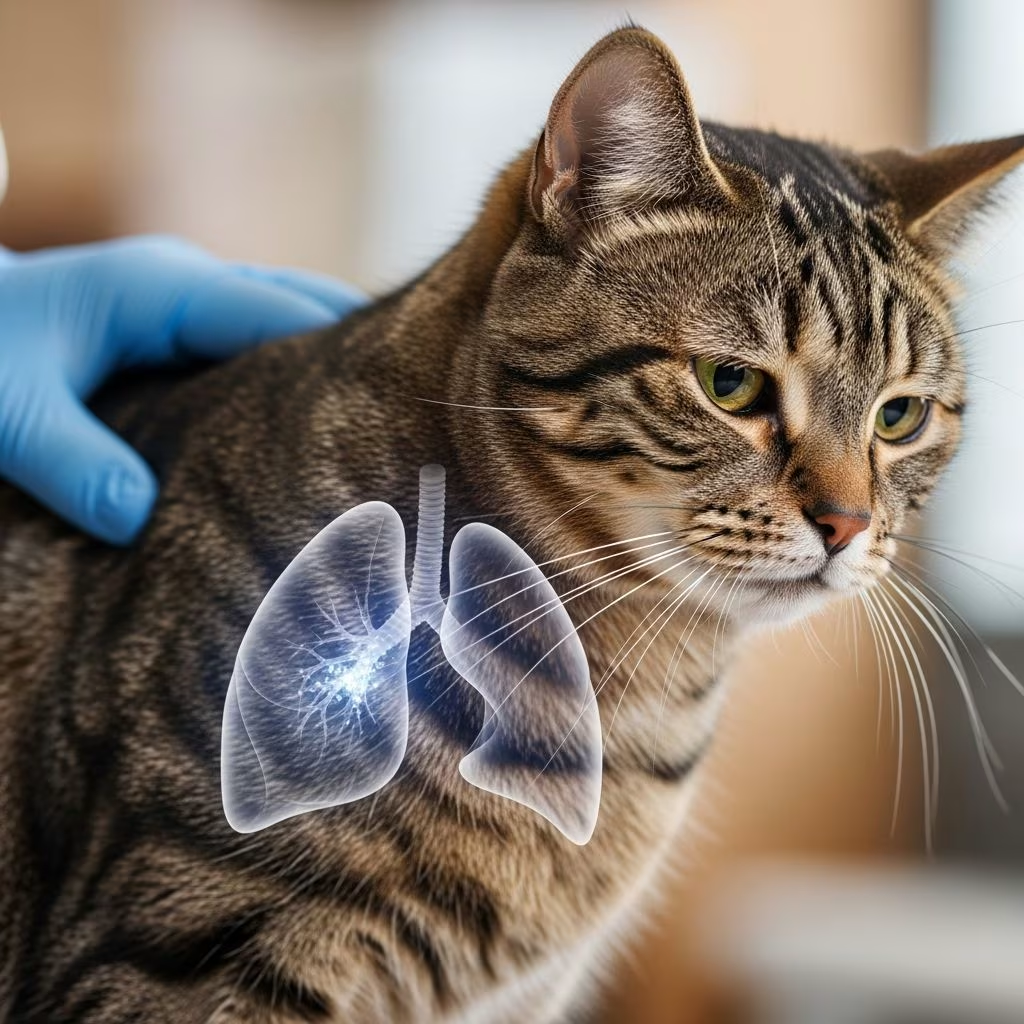
Fluid accumulation in a cat’s lungs poses a critical health threat, disrupting normal breathing and potentially leading to life-threatening complications if not addressed promptly. This condition manifests as either pulmonary edema, where fluid fills the lung tissues, or pleural effusion, involving buildup in the space surrounding the lungs. Both require immediate veterinary attention to stabilize the cat and target the root cause.
Understanding the Two Primary Types of Fluid Accumulation
Cats can experience two distinct forms of fluid-related lung issues, each with unique characteristics and implications for treatment.
- Pulmonary Edema: This occurs when fluid leaks into the air sacs (alveoli) of the lungs, impairing oxygen exchange. It often stems from high pressure in the lung’s blood vessels due to heart conditions or injury.
- Pleural Effusion: Fluid collects in the pleural space between the lung and chest wall, compressing the lungs and restricting expansion. This is frequently linked to systemic diseases like cancer or infections.
Differentiating between these is crucial, as diagnostic imaging and fluid analysis guide appropriate interventions.
Common Triggers Behind Lung Fluid in Cats
Several underlying factors can lead to fluid buildup, ranging from cardiac issues to external traumas. Identifying the trigger is key to effective management.
| Cause Category | Examples | Mechanism |
|---|---|---|
| Cardiac | Congestive heart failure, hypertrophic cardiomyopathy | Heart pump failure increases vascular pressure, forcing fluid into lungs. |
| Infectious | Pneumonia, viral infections | Inflammation damages lung vessels, allowing fluid leakage. |
| Oncologic | Lung tumors, lymphoma | Cancer disrupts normal fluid dynamics in chest cavity. |
| Traumatic | Blunt force injury, near-drowning | Direct damage to lung tissue causes leakage. |
| Other | Toxins (smoke, venom), blood clots | Systemic effects impair lung function and fluid balance. |
Heart-related causes dominate in older cats, while trauma is more common in active or outdoor felines.
Recognizing Warning Signs Early
Observant owners can spot distress signals before the situation escalates. Symptoms often appear suddenly, demanding urgent action.
- Labored breathing with rapid, shallow respirations exceeding 30 per minute at rest.
- Open-mouth breathing accompanied by crackles or wheezes.
- Coughing, lethargy, and reluctance to move or exercise.
- Blue-tinged gums or mucous membranes indicating oxygen deprivation.
- Loss of appetite, weakness, abdominal bloating, or fainting spells.
If your cat adopts an upright posture or refuses to lie down, it may be struggling against chest pressure from fluid.
Diagnostic Steps for Accurate Identification
Veterinarians employ a systematic approach to confirm fluid presence and pinpoint causes.
- Physical Exam: Listening for abnormal lung sounds like crackles or wheezes.
- Imaging: Chest X-rays reveal fluid patterns, lung compression, or heart enlargement. Post-drainage radiographs assess progress.
- Fluid Sampling: Thoracentesis extracts fluid for analysis, identifying infection, cancer cells, or blood.
- Blood Tests: Evaluate heart function, kidney health, and infection markers.
- Echocardiography: Ultrasound checks for cardiac abnormalities if heart disease is suspected.
These steps ensure tailored treatment, avoiding delays that could worsen outcomes.
Emergency and Supportive Treatments
Stabilization is the immediate priority, followed by cause-specific therapies.
- Oxygen Support: Delivered via cage, mask, or flow-by to boost oxygenation without stress.
- Fluid Drainage (Thoracentesis): Needle insertion removes pleural fluid, providing instant relief. Often repeated or paired with chest drains.
- Diuretics: Medications like furosemide expel excess fluid from lungs and body.
- Rest and Monitoring: Hospitalization in a quiet environment minimizes exertion.
Severe cases may require sedation to reduce anxiety and pain.
Addressing the Root Causes Long-Term
Once stabilized, ongoing care targets the primary issue.
- Heart medications (e.g., pimobendan) for cardiomyopathy.
- Antibiotics or antifungals for infections.
- Chemotherapy or surgery for tumors.
- Nutritional support to correct protein deficiencies.
Regular follow-ups with X-rays and bloodwork monitor recurrence risks.
Prognosis Factors and Recovery Outlook
Survival hinges on rapid intervention and underlying disease manageability. Cats with treatable infections often recover fully, while advanced cancer carries poorer odds. Early detection improves chances, with many regaining normal activity post-treatment.
Preventive Measures for Cat Owners
Proactive steps reduce risks.
- Annual vet checkups for early heart or lung issue detection.
- Keep cats indoors to avoid trauma and infections.
- Maintain ideal weight to lessen heart strain.
- Monitor for breed predispositions (e.g., Maine Coons for cardiomyopathy).
- Avoid toxins like smoke exposure.
Vaccinations and parasite control further safeguard respiratory health.
Frequently Asked Questions (FAQs)
What should I do if my cat is breathing rapidly?
Seek emergency vet care immediately, as it signals potential fluid buildup or distress.
How quickly does treatment work for pleural effusion?
Thoracentesis often brings relief within minutes, though full recovery varies.
Can cats recover from pulmonary edema caused by heart failure?
Yes, with medications and monitoring, many manage chronically.
Is fluid in lungs always fatal?
No, prompt treatment saves most cats, depending on the cause.
Should I give my cat diuretics at home?
Never; only under vet prescription to avoid dehydration.
References
- Fluid in the Lungs in Cats – PetMD — PetMD. 2023. https://www.petmd.com/cat/conditions/respiratory/c_ct_pulmonary_edema
- Fluid In and Around a Cat’s Lungs | Springfield Vet — GS Animal Hospital. 2022-10-30. https://www.gsahvet.com/site/blog/2022/10/30/fluid-cat-lungs
- Pulmonary Edema in Cats: A Detailed Overview – PetCareRx — PetCareRx. 2023. https://www.petcarerx.com/article/pulmonary-edema-in-cats-a-detailed-overview/6920
- Pleural Effusion in the Cat: A Practical Approach to Determining… — PMC (NCBI). 2024. https://pmc.ncbi.nlm.nih.gov/articles/PMC11148994/
- Pleural Effusion In Cats: Treatment, Palliative Care… — Paws at Peace. 2023. https://pawsatpeace.com/pleural-effusion-cats/
- How to Recognize Fluid in a Cat’s Lungs – PetPlace.com — PetPlace. 2023. https://www.petplace.com/article/cats/pet-health/cat-health/how-to-recognize-fluid-in-a-cats-lungs
- Pulmonary Edema in Cats – Cat Owners – Merck Veterinary Manual — Merck Veterinary Manual. 2024. https://www.merckvetmanual.com/cat-owners/lung-and-airway-disorders-of-cats/pulmonary-edema-in-cats



