Pleural Effusion In Dogs: Causes, Symptoms, Treatment
Understand pleural effusion and pneumothorax in dogs: causes, signs, diagnosis, and life-saving treatments for pet owners.
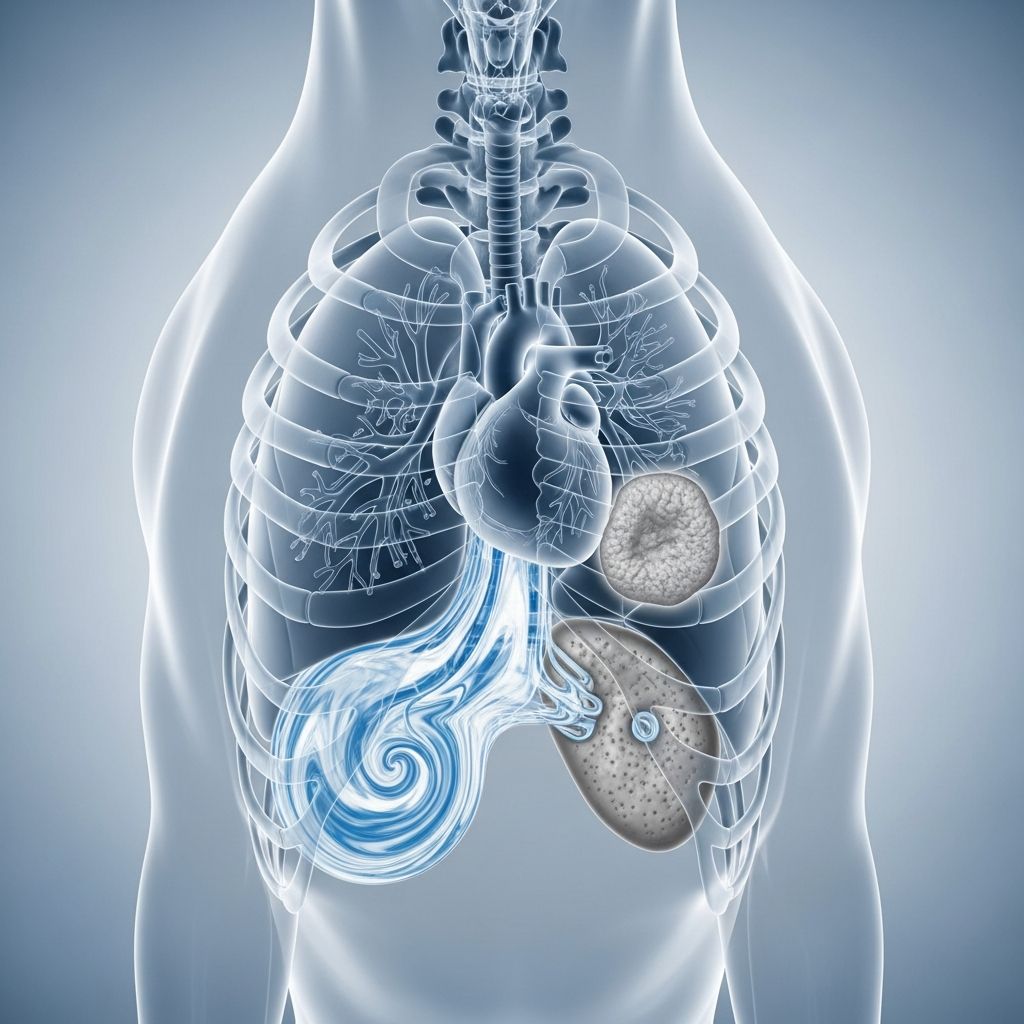
Accumulation of fluid or air in a dog’s chest cavity, known as pleural effusion or pneumothorax, restricts lung expansion and leads to severe breathing difficulties. This condition requires prompt veterinary intervention to restore normal respiration and address underlying issues.
Normal Chest Anatomy and How Problems Develop
The chest cavity, or thorax, houses the lungs and heart within a sealed space lined by the pleura, a thin membrane that produces lubricating fluid for smooth organ movement. Normally, only a small amount of this fluid exists to prevent friction during breathing. When excess fluid (pleural effusion) or air (pneumothorax) enters this space, it compresses the lungs, reducing oxygen intake and causing distress.
Several mechanisms can trigger this buildup. Increased fluid production from inflammation, leakage from damaged vessels, or impaired drainage due to low blood protein levels are common for effusions. Air entry often stems from lung punctures or esophageal ruptures. Recognizing these disruptions early can be lifesaving.
Common Triggers for Fluid Accumulation
Pleural effusion arises from diverse causes, often linked to systemic diseases. Heart conditions like congestive heart failure top the list, where elevated pressures force fluid into the chest. Cancers such as lymphoma or lung tumors obstruct vessels or produce inflammatory fluids.
- Heart disease: Responsible for many cases, leading to hydrostatic pressure imbalances.
- Cancer: Tumors like mesothelioma cause exudative effusions.
- Infections: Bacterial pneumonia or fungal invasions result in pus-filled pyothorax.
- Trauma: Chest injuries lead to hemothorax, or blood accumulation.
- Other factors: Kidney/liver failure, low albumin, hypothyroidism, or drug reactions.
Transudative effusions, low in protein and cells, stem from pressure or protein deficits, while exudative types are protein-rich from inflammation or infection.
Air Accumulation: Pneumothorax Explained
Pneumothorax occurs when air leaks into the pleural space, collapsing lungs. It divides into spontaneous (from ruptured blebs), traumatic (penetrating wounds), or tension types (one-way valve effect building pressure). Symptoms mirror effusions but progress rapidly in tension cases, risking cardiovascular collapse.
Breeds like deep-chested dogs may be prone to spontaneous pneumothorax due to lung cysts.
Recognizing Warning Signs in Your Dog
Dogs with chest buildup show respiratory compromise as the primary indicator. Rapid, shallow breaths, extended head and neck posture, and abdominal heaving signal distress. Additional signs include:
- Panting or open-mouth breathing.
- Coughing or gagging.
- Lethargy, weakness, and appetite loss.
- Cyanotic (blue) gums from oxygen deprivation.
- Abdomen swelling or restlessness.
Mild cases might lack obvious signs, detected only on exams. Acute onset post-trauma demands immediate care.
Diagnostic Approaches for Accurate Identification
Veterinarians start with physical exams, noting muffled lung sounds or heart murmurs. Imaging is crucial: radiographs reveal fluid lines or lung collapse; ultrasound confirms and guides sampling.
Thoracocentesis, needle aspiration of fluid/air, serves dual diagnostic/therapeutic roles. Analyzed fluid—color, protein, cells, bacteria—pinpoints causes: septic for infections, chylous for duct leaks, hemorrhagic for trauma.
Further tests include bloodwork (CBC, chemistry), heartworm screens, echocardiography for cardiac issues, and cultures.
Emergency and Supportive Interventions
Stabilization precedes full diagnosis. Oxygen therapy via cage or mask eases distress without expanding lungs—drainage does that. Sedation calms anxious patients pre-procedure.
Thoracocentesis removes fluid/air, yielding instant relief. Ultrasound guidance enhances safety; repeated or indwelling tubes manage recurrence. Pure blood from hemothorax can be transfused back.
Tailored Treatments for Underlying Causes
| Cause | Treatment Options |
|---|---|
| Heart Failure | Diuretics, heart meds, low-salt diet. |
| Infection (Pyothorax) | Antibiotics, drainage tubes, lavage. |
| Cancer | Chemotherapy, surgery, steroids. |
| Trauma | Fluid therapy, pain control, surgery if needed. |
| Chylothorax | Dietary fat restriction, surgery. |
Treatment targets the root: antibiotics for bacteria (guided by cultures), anti-inflammatories for sterile issues, or oncology protocols. Nutritional support aids recovery.
Long-Term Care and Prognosis
Prognosis hinges on cause—excellent for trauma with drainage, guarded for cancers. Lifelong meds manage chronic heart disease; monitoring prevents reaccumulation. Regular vet checkups, weight control, and prompt sign recognition are key.
Owners should watch for recurrence signs and adhere to therapies. Early intervention boosts survival.
Prevention Strategies for Dog Owners
- Maintain heartworm prevention and vaccinations.
- Manage chronic diseases like obesity or hypothyroidism.
- Use trauma-proof environments, especially for active breeds.
- Annual wellness exams detect issues early.
Frequently Asked Questions
What is the fastest way to help a dog with chest fluid?
Thoracocentesis provides immediate relief by draining fluid, often improving breathing on the spot.
Can pleural effusion resolve without treatment?
Rarely; it usually worsens without addressing the cause and drainage.
Is surgery always needed for pneumothorax?
No, many cases resolve with needle drainage; surgery is for persistent or spontaneous types.
How much does treatment cost?
Varies widely; diagnostics $200-1000, thoracocentesis $100-300 per session, plus cause-specific therapies.
Can diet help prevent recurrence?
Yes, low-fat for chylothorax, low-sodium for heart-related effusions.
References
- Pleural Effusion in Dogs: Causes, Symptoms, Diagnosis, and Treatment — PetCareRx. 2023-07-15. https://www.petcarerx.com/article/pleural-effusion-in-dogs-causes-symptoms-diagnosis-and-treatment/6809
- Pleural Effusion in Dogs – Causes, Symptoms, Diagnosis & Treatment — VRCC. 2023-07-15. https://www.vrcc.com/site/blog/2023/07/15/pleural-effusion-dogs
- Top 5 Causes of Pleural Effusion in Dogs — Clinician’s Brief. 2023. https://www.cliniciansbrief.com/article/pleural-effusions-fluid-lungs-chest
- Pleural Effusion in Dogs — PetMD. 2023. https://www.petmd.com/dog/conditions/respiratory/pleural-effusion-dogs
- Pleural Effusion in Pets: Causes, Diagnosis & Treatment — YouTube (Veterinary Video). 2023. https://www.youtube.com/watch?v=erBFUp2_sXc
- Pleural Effusion — Pet Health Network. 2023. https://www.pethealthnetwork.com/dog-health/dog-diseases-conditions-a-z/pleural-effusion
- Pleural Effusion in Dogs — VCA Animal Hospitals. 2023. https://vcahospitals.com/know-your-pet/pleural-effusion-in-dogs
Similar Articles








Read full bio of medha deb