

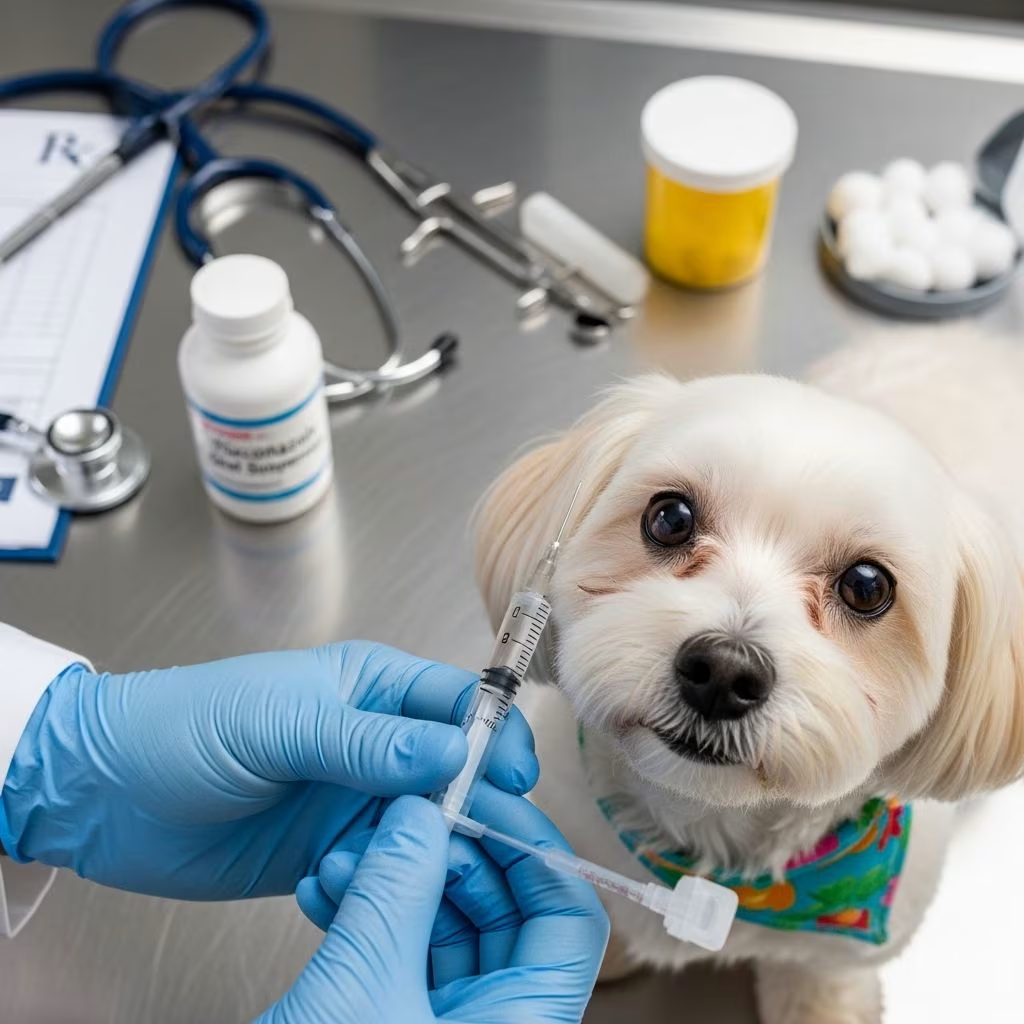
Fluconazole stands out as a key antifungal medication prescribed for dogs and cats to address a range of fungal infections that can affect their skin, respiratory system, nervous system, and other vital areas. This drug works by disrupting the protective membrane of fungal cells, preventing their growth and replication, which ultimately leads to the elimination of the infection.
Understanding Fungal Infections in Companion Animals
Fungal infections pose significant health challenges for pets, often stemming from environmental exposure to spores in soil, water, or air. In dogs, conditions like Valley Fever (coccidioidomycosis) thrive in arid regions, while cats frequently encounter cryptococcosis from bird droppings or soil. These pathogens can invade deep tissues, causing symptoms from mild itching to severe organ damage if untreated.
Common manifestations include persistent skin lesions, respiratory distress, lethargy, and in advanced cases, neurological issues. Early detection through veterinary diagnostics, such as fungal cultures or imaging, is crucial for effective management. Fluconazole’s ability to penetrate barriers like the blood-brain barrier makes it particularly suitable for central nervous system involvement.
How Fluconazole Targets Fungal Pathogens
Belonging to the azole class of antifungals, fluconazole inhibits an enzyme essential for ergosterol production, a component vital for fungal cell integrity. Without this, the fungus cannot maintain its structure, leading to cell death. Unlike some antifungals, it exhibits excellent bioavailability, achieving high concentrations in tissues including the eyes, urinary tract, and cerebrospinal fluid.
This broad distribution enhances its efficacy against disseminated infections, where fungi spread systemically. Studies and veterinary reports confirm its superiority over alternatives like ketoconazole for certain deep-seated infections due to fewer disruptions in absorption and metabolism.
Primary Conditions Treated with Fluconazole
- Blastomycosis: A systemic infection affecting lungs, skin, and bones, prevalent in river valleys.
- Cryptococcosis: Often impacts the nasal passages and brain in cats.
- Ringworm (Dermatophytosis): Superficial skin infection causing circular alopecia and scaling.
- Valley Fever (Coccidioidomycosis): Inhaled spores lead to pneumonia and dissemination in dogs.
- Candidiasis and Histoplasmosis: Yeast overgrowth or lung infections from bat guano exposure.
These conditions demand targeted therapy, as fluconazole proves ineffective against bacteria, viruses, or parasites, underscoring the need for precise diagnosis.
Dosage Guidelines for Dogs and Cats
Veterinarians tailor fluconazole dosages based on the pet’s weight, infection severity, and species-specific tolerances. Administration occurs orally via tablets, capsules, or suspensions, with or without food to minimize stomach upset.
| Species | Typical Dosage | Frequency | Duration |
|---|---|---|---|
| Dogs | 2.5-5 mg/lb (5-10 mg/kg) | Once daily | Weeks to months |
| Cats | 5 mg/lb (10 mg/kg) or 50 mg fixed | Every 12-24 hours | Weeks to months |
For Valley Fever, therapy often spans 8-12 months, with steady-state levels reached in 6-14 days. Always complete the full course to prevent resistance, even if symptoms improve early.
Administering Fluconazole Safely at Home
Pet owners play a pivotal role in successful treatment by ensuring consistent dosing. Hide tablets in pill pockets, wet food, or use a pill gun for reluctant takers. Monitor for the first few days, as initial side effects may occur but often subside.
Regular veterinary check-ins, including bloodwork, track liver function and therapeutic levels. Adjustments may be needed for pets on multiple drugs, as fluconazole can interact with anticoagulants or other azoles.
Recognizing and Managing Side Effects
While generally well-tolerated, fluconazole may cause gastrointestinal issues like vomiting, diarrhea, or appetite loss in 10-20% of cases. Rare but serious effects include liver toxicity, signaled by jaundice, lethargy, or elevated enzymes.
- Mild Reactions: Usually self-resolve; offer small meals or anti-nausea aids.
- Severe Symptoms: Contact vet immediately for dose reduction or alternatives.
- Monitoring Tips: Weekly weight checks and behavior observation.
Cats appear more resilient, but puppies, seniors, or those with pre-existing liver conditions require caution.
Special Considerations for Chronic or Systemic Cases
In immunocompromised pets, such as those with FIV/FeLV in cats or diabetes in dogs, fluconazole serves as a cornerstone for long-term suppression. Combination with topical therapies enhances outcomes for skin infections.
Environmental decontamination prevents reinfection: vacuum regularly, wash bedding in hot water, and limit outdoor exposure in endemic areas. Probiotics support gut health during treatment.
When to Seek Veterinary Intervention
Consult a vet if no improvement occurs within 1-2 weeks, symptoms worsen, or new issues arise. Diagnostic tools like PCR tests confirm fungal clearance before discontinuation.
Human formulations should never be used without veterinary approval due to concentration differences and excipient risks.
Frequently Asked Questions
How quickly does fluconazole start working in pets?
Visible improvements may appear in 1-2 weeks, but full efficacy against deep infections takes longer, often months.
Is fluconazole safe for pregnant or nursing pets?
Use only under strict veterinary guidance, as safety data is limited; alternatives may be preferred.
Can fluconazole treat nail or ear yeast infections?
Yes, its penetration properties make it effective for these localized yet stubborn issues.
What if my pet misses a dose?
Give the next dose as scheduled; do not double up to avoid toxicity.
Does fluconazole interact with common pet vaccines or heartworm preventives?
Generally no, but inform your vet of all medications for personalized advice.
Preventive Strategies for Fungal Exposure
Minimize risks by avoiding dusty soils in endemic zones, using air filters indoors, and maintaining robust immunity through balanced nutrition and routine wellness exams. Early grooming checks catch superficial signs promptly.
For multi-pet homes, isolate infected animals and treat concurrently to curb spread.
References
- Fluconazole Antifungal Treatment 200mg Tablets for Dogs & Cats — HardyPaw. 2024. https://hardypaw.com/products/fluconazole-tablets-200-mg
- Fluconazole for Cats and Dogs: Uses, Side Effects, Dosage & More — GoodRx. 2025-02-10. https://www.goodrx.com/fluconazole/what-is/pets
- Fluconazole Antifungal Tablets for Dogs and Cats — VetRxDirect. 2024. https://www.vetrxdirect.com/product/view/fluconazole-antifungal-tablets-for-dogs-and-cats-rx
- Fluconazole (Diflucan®) for Dogs and Cats — PetPlace. 2023-11-15. https://www.petplace.com/article/drug-library/drug-library/library/fluconazole-diflucan-for-dogs-and-cats
- Fluconazole 100 mg (sold per tablet) — 1800PetMeds. 2025. https://www.1800petmeds.com/dog-or-cat/rx-medication/product/fluconazole/prod11223.html
- Fluconazole for Dogs — PetMD. 2025-01-20. https://www.petmd.com/pet-medication/fluconazole
- Fluconazole Antifungal Tablets for Dogs and Cats — Allivet. 2024. https://www.allivet.com/product/fluconazole-tablet/50407.html



