

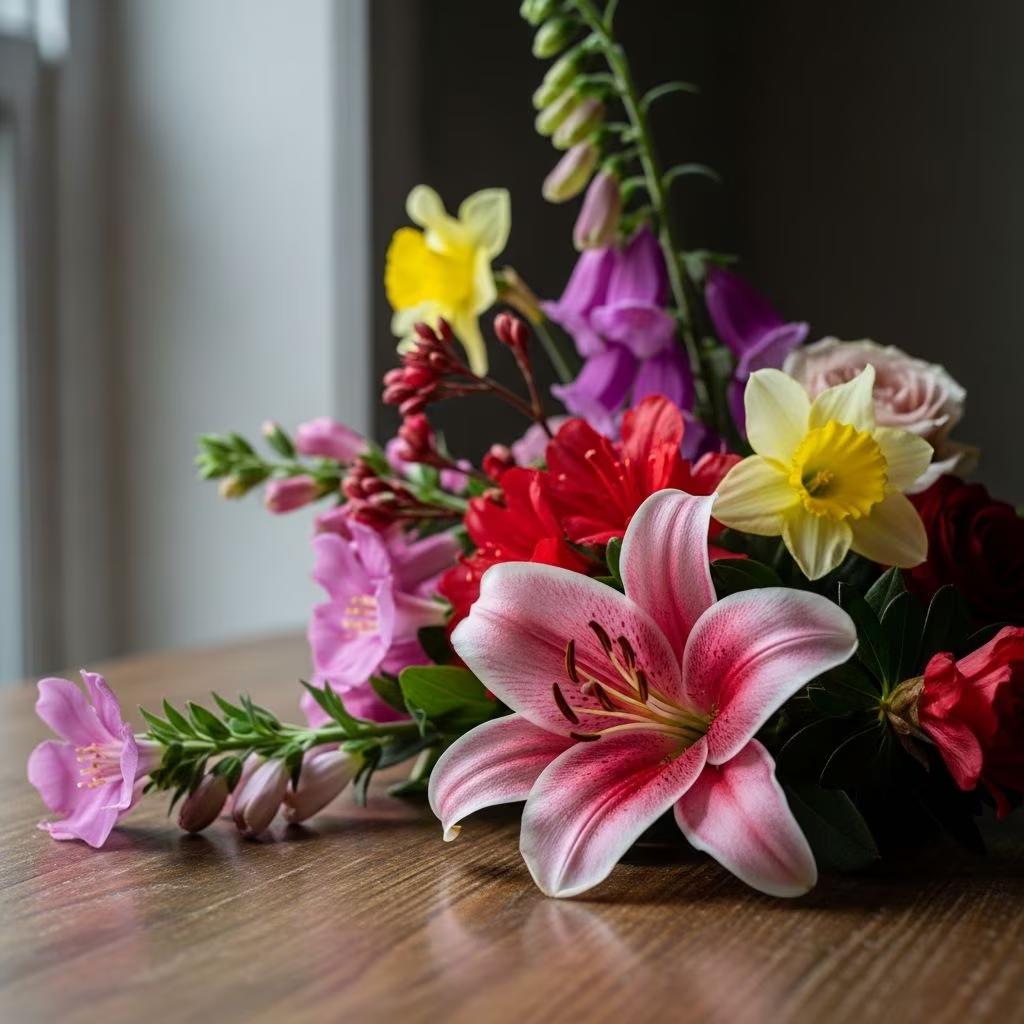
Dogs are naturally curious explorers, often sniffing and nibbling on plants during walks or in gardens. While many flowers add beauty to our homes and yards, some pose serious health risks to our canine companions. Certain flowers contain toxins that can cause vomiting, organ failure, or even death if ingested. Understanding which flowers are poisonous to dogs is crucial for pet owners to create safe environments. This comprehensive guide covers the most dangerous blooms, their symptoms, immediate actions, and safer alternatives, drawing from veterinary expertise to help you protect your dog.
Why Are Some Flowers Toxic to Dogs?
Flowers become toxic through natural compounds like alkaloids, glycosides, and cardiac toxins produced for defense against herbivores. Dogs lack the enzymes to metabolize these, leading to gastrointestinal upset, neurological issues, or cardiac arrest. Even small amounts—bulbs, leaves, or pollen—can trigger reactions. Breeds like Labradors and Cocker Spaniels are prone due to their scavenging habits, with claims data showing thousands of toxic ingestion cases annually costing hundreds per incident. Prevention starts with awareness of common culprits in gardens and homes.
Common Flowers Poisonous to Dogs
Here’s a detailed list of prevalent toxic flowers, including affected plant parts, toxins, and risks. Always err on caution: if unsure, keep dogs away.
- Lilies (Lilium species): All parts, especially pollen and bulbs, contain unidentified toxins causing kidney failure. Even water from vases is hazardous. Symptoms appear within hours.
- Tulips (Tulipa species): Bulbs hold highest concentrations of tulipalin A, a glycoside irritating the mouth and gut. Leaves and flowers milder but still risky.
- Daffodils (Narcissus species): Alkaloids like lycorine in bulbs provoke severe vomiting; flowers less potent but avoid entirely.
- Hyacinths (Hyacinthus orientalis): Calcium oxalate crystals in bulbs and leaves cause intense oral pain, drooling, and vomiting.
- Autumn Crocus (Colchicum autumnale): Colchicine in all parts leads to multi-organ failure; often mistaken for safe crocuses.
- Azaleas/Rhododendrons (Rhododendron species): Grayanotoxins in leaves and flowers disrupt heart rhythm, causing weakness and collapse.
- Foxgloves (Digitalis purpurea): Cardiac glycosides affect heart function, leading to irregular beats.
- Peonies: Paeonol causes vomiting and diarrhea.
- Bluebells (Hyacinthoides species): Toxins irritate gut and nervous system.
- Common Poppy (Papaver rhoeas): Opium alkaloids induce sedation or excitement.
Symptoms of Flower Poisoning in Dogs
Recognizing signs early can save lives. Symptoms vary by plant but often include:
- Gastrointestinal: Vomiting, diarrhea, hypersalivation, loss of appetite.
- Neurological: Tremors, seizures, lethargy, ataxia.
- Cardiovascular: Abnormal heart rate, collapse.
- Other: Oral irritation, abdominal pain, jaundice (liver/kidney damage).
Onset ranges from immediate (mouth irritants) to days (kidney toxins). Severity depends on amount ingested, dog size, and health. Labradors top ingestion lists due to curiosity.
What to Do If Your Dog Eats a Poisonous Flower
Act fast:
- Remove remnants: Prevent further ingestion; don’t induce vomiting without vet advice.
- Identify the plant: Take photo/sample for vet.
- Contact professionals: Call vet or pet poison hotline (e.g., ASPCA at 888-426-4435) immediately.
- Monitor and transport: Note symptoms; rush to clinic if severe.
Treatment may involve activated charcoal, IV fluids, anti-nausea meds, or organ support. Prognosis improves with prompt care.
Plants and Flowers Safe for Dogs
Not all greenery threatens pets. Opt for these non-toxic options:
Safe Flowers
- African violet
- Bromeliads
- Gerbera daisy
- Petunia
- Phalaenopsis orchid
- Zinnia
Safe Shrubs and Trees
- Black Hawthorn
- Magnolia Bush
- Mulberry Tree
- Parlor Palm
- Spider Plant
Preventing Poisoning in Your Garden and Home
Proactive steps ensure safety:
- Garden design: Plant dog-safe species; use barriers or raised beds.
- Supervision: Watch during walks/parks; train “leave it” command.
- Indoors: Elevate vases; avoid low shelves.
- Education: Inform family; check seasonal risks like autumn bulbs.
- First aid kit: Keep vet contacts handy.
Some plants like ivy or yew lurk in wild areas—leash dogs in unknown spots.
Seasonal Guide to Toxic Plants
| Season | Common Toxic Plants |
|---|---|
| Spring | Daffodils, Tulips, Hyacinths, Bluebells |
| Summer | Azaleas, Rhododendrons, Foxgloves, Giant Hogweed |
| Autumn | Autumn Crocus, Acorns, Conkers, Ivy Berries |
| Winter | Holly, Mistletoe, Ivy, Yew |
This table highlights peak risks; many persist year-round.
Frequently Asked Questions (FAQs)
Are all lilies poisonous to dogs?
Yes, true lilies (Lilium) are highly toxic, potentially causing kidney failure. Peace lilies milder but still irritate.
Can dogs recover from plant poisoning?
Many do with quick vet intervention; severe cases like lily ingestion have guarded prognosis.
Which dog breeds eat poisonous plants most?
Labradors, Cocker Spaniels, Cockapoos, Cavaliers, Staffies lead claims.
Is pollen from toxic flowers dangerous?
Yes, especially lilies—grooming transfers it to stomach.
What if my dog just sniffed a toxic flower?
Unlikely harm from sniffing alone, but watch for nibbling.
Conclusion: A Safe Garden for You and Your Dog
By identifying flowers poisonous to dogs and choosing alternatives, you create a haven for play. Vigilance, education, and swift action minimize risks. Consult vets for personalized advice—your dog’s health thrives on prevention.
References
- The top 12 most poisonous plants for pets — Calder Vets. 2023. https://www.caldervets.co.uk/news/the-top-12-most-poisonous-plants-for-pets/
- Which plants are poisonous to pets? — PDSA. 2024-01-15. https://www.pdsa.org.uk/pet-help-and-advice/looking-after-your-pet/all-pets/poisonous-plants
- Plants poisonous to dogs — Blue Cross. 2024. https://www.bluecross.org.uk/advice/dog/health-and-injuries/plants-poisonous-to-dogs
- Common poisonous plants and flowers toxic to dogs — Animal Friends. 2023-11-20. https://www.animalfriends.co.uk/dog/dog-blog/common-poisonous-plants-and-flowers-toxic-to-dogs/
- Toxic and Non-Toxic Plant List — Dogs — ASPCA. 2025. https://www.aspca.org/pet-care/animal-poison-control/dogs-plant-list



