
Flies And Mosquitoes Affecting Cats: Vet-Approved Prevention
Discover how flies and mosquitoes impact cat skin health, with practical prevention tips and treatment strategies for pet owners.
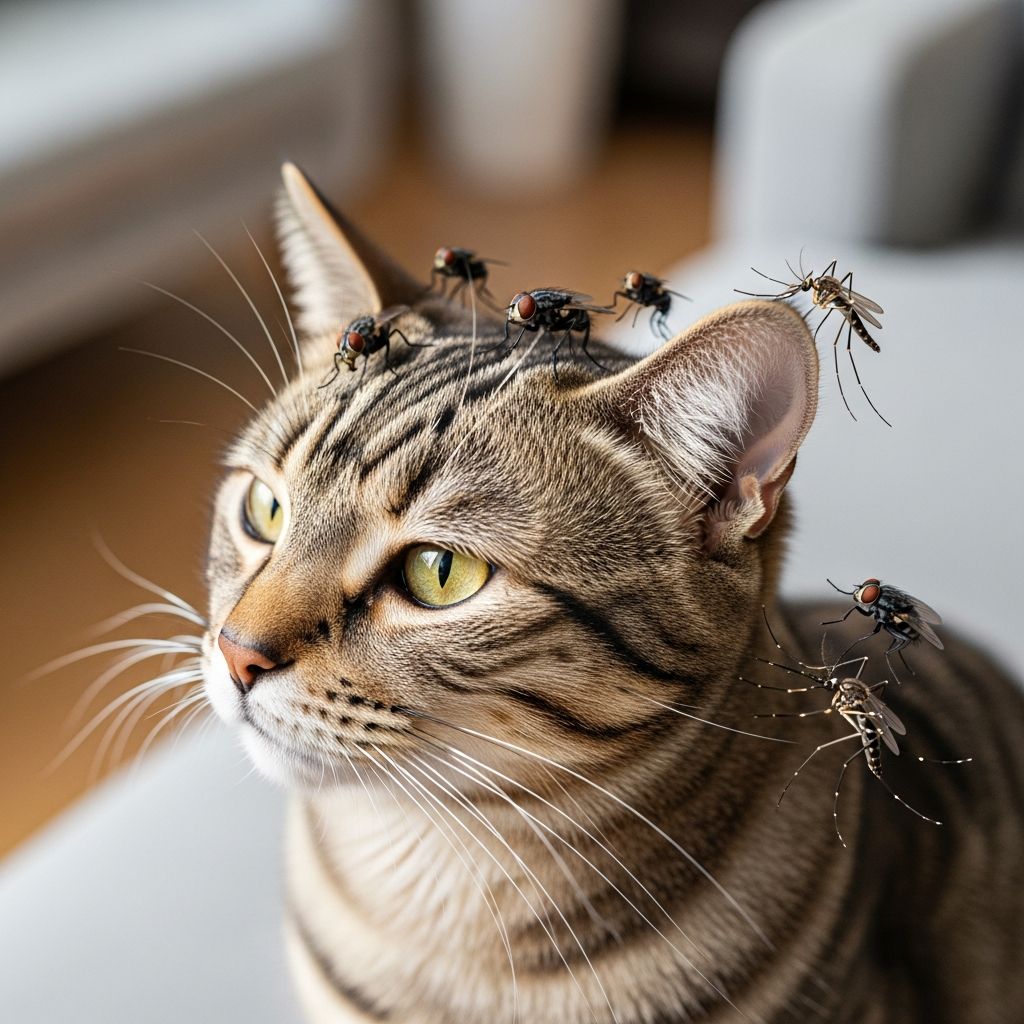
Outdoor pests like flies and mosquitoes pose significant risks to cats, particularly causing skin disorders through bites, strikes, and allergic responses. These insects can lead to painful conditions that require prompt attention from pet owners and veterinarians.
Common Skin Problems from Flying Pests
Cats encounter various flying insects that target their skin, leading to irritation and potential infections. Flies often lay eggs on soiled fur, resulting in a condition known as fly strike or myiasis, where larvae burrow into the skin. Mosquitoes, meanwhile, deliver itchy bites that can trigger hypersensitivity reactions in sensitive felines.
- Fly-related issues: Primarily affect cats with poor hygiene or wounds, causing tissue damage as maggots feed.
- Mosquito effects: Lead to raised bumps, excessive scratching, and sometimes severe swelling around bite sites.
Both types of pests thrive in warm, humid environments, making summer months high-risk periods for infestations.
Recognizing Signs of Pest Infestations
Early detection is crucial for minimizing discomfort in cats. Owners should inspect their pets regularly, especially around the rear, tail base, and face where pests congregate.
| Symptom | Cause | Common Location |
|---|---|---|
| Intense itching or licking | Mosquito bites | Ears, paws, belly |
| Foul-smelling wounds with movement | Fly strike | Rump, open sores |
| Hair loss and scabs | Secondary infections | Bite clusters |
| Restlessness at night | Mosquito activity | Face and neck |
Behavioral changes like hiding or aggression during grooming signal escalating problems. Veterinary exams, including fecal tests for related parasites, aid diagnosis.
Risks and Health Complications
Beyond immediate pain, these pests introduce deeper threats. Fly larvae can invade deep tissues, leading to systemic infections if untreated. Mosquito bites may cause eosinophilic granulomas—raised, ulcerated lesions from allergic responses.
- Severe cases result in anemia from blood loss or bacterial entry through broken skin.
- Kittens and elderly cats face higher mortality risks due to weakened immunity.
Environmental factors exacerbate issues: damp bedding fosters fly breeding, while standing water attracts mosquitoes.
Effective Prevention Strategies for Cat Owners
Proactive measures significantly reduce exposure. Maintain impeccable hygiene by trimming long fur around the hindquarters and cleaning accidents immediately.
- Daily grooming: Brush coats to remove debris and check for eggs or bites. Focus on hidden areas like armpits and groin.
- Home sanitation: Vacuum carpets, wash bedding in hot water weekly, and eliminate standing water sources.
- Indoor living: Keep cats inside during dusk and dawn when mosquitoes peak, using screens on windows.
- Repellents: Vet-approved topical treatments with safe insecticides provide broad protection against biting insects.
Year-round preventives, including collars releasing acaricides, offer continuous defense tailored to lifestyle.
Treatment Options for Active Infestations
Once pests are confirmed, swift intervention prevents worsening. For fly strike, manual removal of larvae under sedation is standard, followed by wound cleaning and antibiotics.
- Topical therapies: Spot-on applications kill remaining insects and soothe inflammation. Ingredients like fipronil target fleas but aid fly control.
- Oral medications: Systemic drugs circulate to eliminate biting pests upon contact.
- Medicated baths: Gentle shampoos dislodge eggs and larvae, repeated as needed.
Environmental treatments, such as premise sprays, break the life cycle. Consult vets for broad-spectrum options covering multiple parasites.
Special Considerations for Vulnerable Cats
Cats with diarrhea, obesity, or mobility issues are prime targets for flies due to soiled fur. Long-haired breeds like Persians require extra vigilance.
Monitor for concurrent issues like ear mites, which compound skin stress. Regular wellness checks include parasite screenings to catch problems early.
FAQs: Managing Flying Pests in Cats
Q: Can indoor cats get fly strike?
A: Yes, especially if litter habits falter or wounds go unnoticed. Hygiene is key regardless of lifestyle.
Q: Are natural repellents safe for cats?
A: Some like cedar oil may help, but many essential oils are toxic. Always vet-approve before use.
Q: How often should I apply preventives?
A: Monthly for most topicals; follow product labels and vet guidance for year-round protection.
Q: What if my cat has a severe reaction to mosquito bites?
A: Seek immediate care for antihistamines or steroids to reduce swelling and prevent granulomas.
Q: Do flea collars work against flies?
A: Some do via repellent action, but they’re not primary for flies—combine with hygiene.
Long-Term Management and Monitoring
Sustaining a pest-free environment demands routine. Schedule bi-annual vet visits for fecal and skin exams. Track seasonal risks: flies surge in heat, mosquitoes in humidity.
Owner education empowers prevention. Apps for reminders on treatments ensure consistency. Multi-pet homes require whole-house protocols to avoid reinfestation.
In summary, vigilance against flies and mosquitoes preserves cat well-being. Integrate grooming, sanitation, and vetted products for optimal results.
References
- External Parasites In Cats: Prevention, And Treatment — Beyond Pets. 2023. https://beyondpets.com/pet-health-plus/external-parasites-in-cats/
- Parasite Prevention and Treatment for Cats — Hometown Veterinarian. 2024. https://www.hometownveterinarian.com/services/cats/cat-parasite-prevention-and-treatment
- Flea and Parasite Prevention in Cats: A Guide for Every Cat Owner — Town Cats. 2023. https://www.towncats.org/flea-and-parasite-prevention-in-cats-a-guide-for-every-cat-owner/
- Pet Parasite Control — Hickory Ridge Animal Hospital. 2024. https://www.hickoryridgeanimal.com/services/wellness-prevention/pet-parasite-control
- Prevent your cat from getting parasites — VCA Animal Hospitals. 2023. https://vcahospitals.com/resources/preventive-cat/parasites/prevent-your-cat-from-getting-parasites
- External parasites — American Veterinary Medical Association (AVMA). 2024-02-01. https://www.avma.org/resources-tools/pet-owners/petcare/external-parasites
Similar Articles








Read full bio of Sneha Tete




