

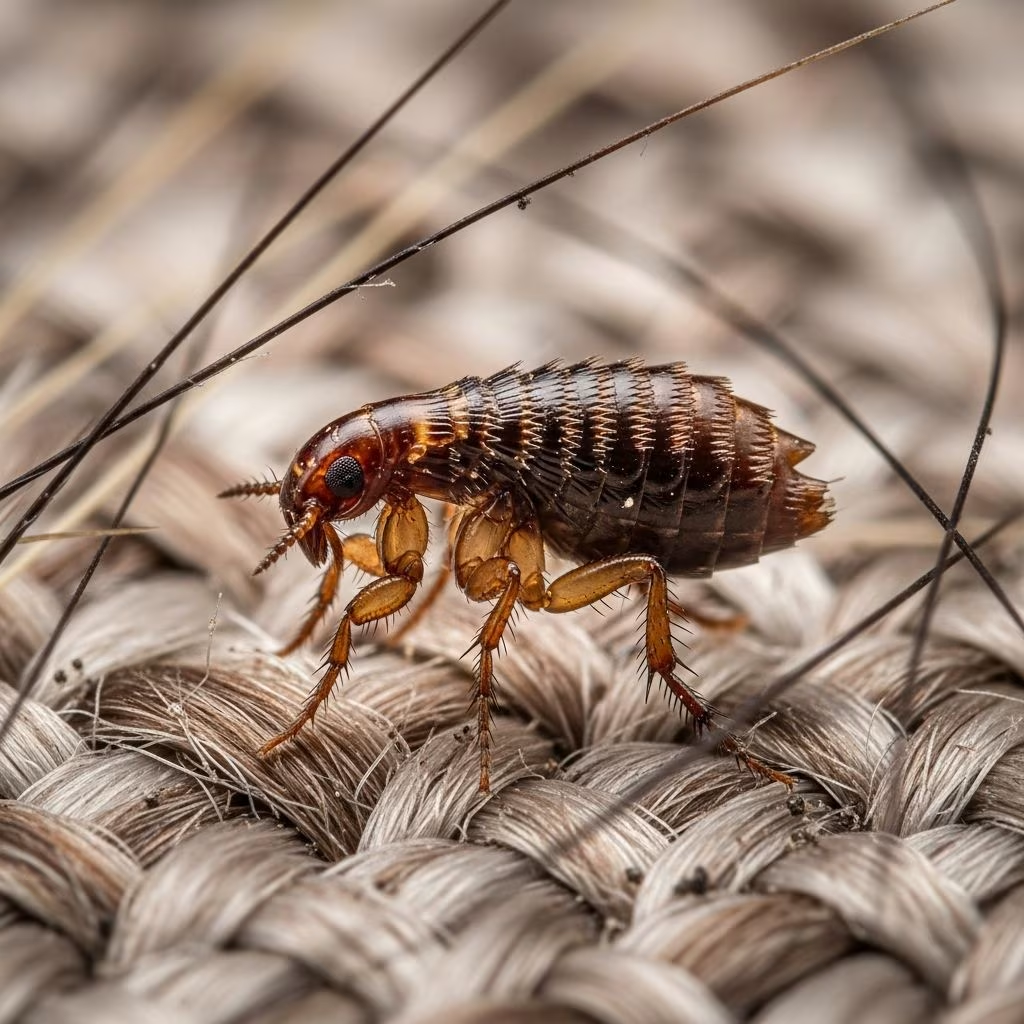
Fleas are resilient parasites that thrive by concealing themselves in strategic locations on pets and within living spaces. Understanding their preferred habitats enables pet owners to detect and eliminate infestations before they escalate. This comprehensive guide explores flea biology, key hiding areas, identification techniques, and proven control measures.
Understanding Flea Biology and Lifecycle
Fleas belong to over 2,000 species, with the cat flea (Ctenocephalides felis) being the predominant type affecting dogs, cats, and occasionally humans. These pests feature flat, reddish-brown bodies adapted for swift movement through fur and fabrics. Adults jump up to 13 inches to locate hosts for blood meals.
The flea lifecycle spans four stages: egg, larva, pupa, and adult. Females deposit eggs on hosts, but these tiny, off-white ovals dislodge easily into surroundings. Larvae develop in dark, humid spots, feeding on organic debris and adult flea feces (flea dirt). Pupae encase in cocoons, emerging as adults when sensing vibrations from potential hosts. This off-host development means 95% of a flea population resides in the environment, not on pets.
Primary Hiding Spots on Pets
Pets serve as primary hosts, offering warmth and blood access. Fleas target areas with dense fur or less disturbance for feeding and egg-laying.
- Ears and Head: Warmth and minimal grooming make ears ideal. Pets shake heads or scratch excessively here.
- Back and Spine: Along the spine, fleas burrow deep into fur. Part the hair to reveal movement or black specks of flea dirt.
- Base of Tail: Lift the tail to inspect; thin fur allows easy skin access.
- Abdomen and Groin: Thinner fur facilitates blood meals. Check belly during gentle petting.
- Neck and Hindquarters: These zones see high flea concentrations due to pet sleeping postures.
Dogs and cats exhibit similar vulnerabilities, though cat fleas prefer felines but readily infest canines.
Indoor Hiding Places in the Home
Once dislodged, flea eggs and larvae infiltrate household surfaces. Focus inspections on pet-frequented zones.
| Area | Why Fleas Hide There | Detection Tips |
|---|---|---|
| Pet Beds and Blankets | Eggs drop during sleep; fabrics trap larvae | Vacuum thoroughly; check seams for eggs |
| Carpets and Rugs | Fibers shield eggs/larvae; dark depths ideal | Run hands through pile; use magnifying glass |
| Upholstered Furniture | Soft cushions mimic host bedding | Lift cushions; inspect crevices |
| Baseboards and Cracks | Small size slips into gaps; humidity attracts | Flashlight scan; tape test for dirt |
| Hardwood Floors | Board cracks harbor eggs despite cleanliness | Check joints and edges |
Soft furnishings like throws and pillows also harbor fleas, as pets lounge there frequently.
Outdoor Flea Hotspots
Fleas extend beyond indoors, thriving in shaded, moist yards. Tall grass, leaf litter, and shaded soil provide perfect conditions. Regional data highlights prevalence: Top dog flea states include Arkansas, Florida, South Carolina, Alabama, and Oregon; for cats, Oregon, Washington, Florida, California, and Alabama lead. Semi-arid areas see fewer cases.
Inspect under decks, bushes, and pet resting spots. Larvae hide in organic matter, pupae await hosts.
Signs of Flea Infestation
Early detection prevents widespread issues. Watch for:
- Excessive Scratching: Pets lick or bite affected areas.
- Flea Dirt: Black pepper-like specks turning red when wet (digested blood).
- Visible Fleas: Tiny, fast-moving dots in fur.
- Skin Irritation: Red bumps, hair loss, or hot spots on pets; itchy bites on human ankles, legs, waist.
- Allergy Symptoms: Severe cases trigger flea allergy dermatitis.
Humans risk bites during pet contact, though fleas prefer animals.
Effective Detection Methods
Use tools for precision:
- Flea Comb: Comb fur over white paper; fleas/dirt appear.
- Magnifying Glass: Spot eggs (0.5mm ovals) on light surfaces.
- Sticky Tape Test: Press tape on fur/surfaces to capture pests.
- Vacuum Daily: Empty bag outside to remove eggs.
- White Sock Test: Walk floors in white socks; fleas jump on.
For pets, bathe with flea shampoo and follow with vet-recommended treatments.
Prevention and Control Strategies
Integrated pest management combines sanitation, treatments, and vigilance.
- Regular Grooming: Comb weekly; wash bedding hot.
- Vet Preventives: Topicals, orals, or collars kill fleas/eggs.
- Home Treatment: Insect growth regulators disrupt lifecycle; vacuum 4x/week.
- Yard Maintenance: Mow grass, remove debris; treat shaded areas.
- Professional Help: For severe cases, certified exterminators use safe methods.
Avoid over-reliance on bombs; they miss eggs/pupae. Consistency over months breaks the cycle.
FAQ
Can fleas live without a pet?
Yes, most of the lifecycle occurs off-host in environments like carpets.
Do cat fleas affect dogs?
Absolutely; cat fleas infest both species interchangeably.
How long do fleas live indoors?
Up to 1-2 years in ideal conditions without intervention.
Are flea bites dangerous to humans?
Typically itchy but can cause allergies or transmit diseases like plague in rare cases.
What’s the fastest way to check for fleas on a dog?
Use a flea comb on back, tail base, and belly over white paper.
Fleas pose ongoing challenges, but targeted inspections and proactive steps safeguard pets and homes. Stay vigilant year-round, especially in humid climates.
References
- Where Do Fleas Hide on Dogs? — Chem-Free Pest and Lawn. 2023. https://www.chemfreepestandlawn.com/blog/where-do-fleas-hide-on-dogs
- How To Find Out if You Have Fleas: 5 Hiding Places — Dewey Pest and Termite Control. 2024. https://deweypest.com/news/how-to-find-out-if-you-have-fleas-5-hiding-places/
- How To Detect Fleas and Avoid a Flea Infestation — Chewy Education. 2024. https://www.chewy.com/education/dog/flea-and-tick/detect-flea-infestation
- The Geography of Fleas — PetArmor. 2023. https://petarmor.com/blogs/pet-health/the-geography-of-fleas
- Where do fleas hide in your house? — Itch Pet. 2024. https://web2.itchpet.com/blog/post/where-do-fleas-hide-in-your-house



