Do Fleas and Ticks Spread Between Pets?
Understanding how fleas and ticks transmit between pets and protective measures.
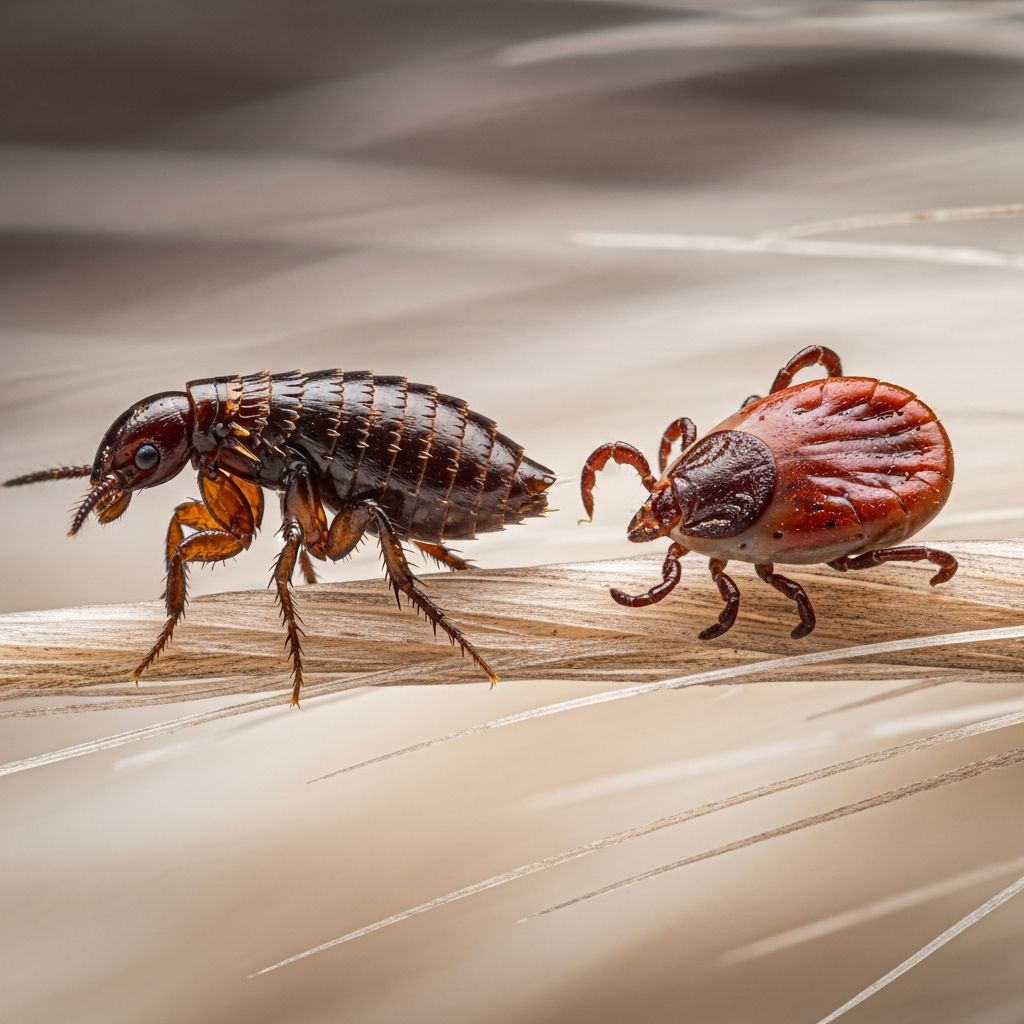
Do Fleas and Ticks Spread Between Pets? True or False
The answer is TRUE. Fleas and ticks are highly contagious parasites that readily spread between pets in the same household and environment. Understanding how these parasites transmit between animals is crucial for protecting your pets’ health and preventing infestations in your home. Whether you have cats, dogs, or multiple pets, knowing the facts about flea and tick transmission can help you implement effective prevention strategies.
How Fleas and Ticks Spread Between Pets
Fleas and ticks are parasitic pests that can easily move from one animal to another through direct contact. When an infested pet comes into contact with another animal, fleas can jump directly onto the new host, and ticks can crawl from one pet to another. This transmission happens quickly and efficiently, making it one of the primary ways infestations spread within multi-pet households.
Direct Contact Transmission
The most common method of flea and tick transmission between pets is through direct contact. Fleas are known for their remarkable jumping ability, capable of leaping long distances to find new hosts. When an infested pet is in close proximity to another animal, fleas can jump directly onto the uninfected pet. Ticks, while slower, can crawl from one pet to another during close interactions such as sleeping together, playing, or grooming one another.
Environmental Transmission
Beyond direct contact, fleas and ticks can also spread between pets through the shared environment. Flea eggs, larvae, and pupae can be present throughout your home—in carpets, furniture, bedding, and other areas where pets rest or sleep. When multiple pets share these spaces, they all become exposed to the parasite life cycle. Even if one pet is treated, untreated pets or newly acquired animals can quickly become infested by picking up parasites from contaminated environments.
Understanding the Flea and Tick Life Cycle
To fully comprehend how fleas and ticks spread between pets, it’s important to understand their life cycles. These parasites develop through multiple stages, and each stage presents opportunities for transmission to other animals.
The Flea Life Cycle
Adult fleas live, feed, and mate on the host animal’s body. However, flea eggs regularly fall off the infested pet and into the environment—including bedding, furniture, carpets, and outdoor areas. These eggs hatch into larvae that burrow deep into carpets and hidden areas of your home. The larvae then develop into pupae, which are protected within cocoons. Pre-adult fleas can remain dormant in their cocoons for weeks or even months, waiting for optimal environmental conditions to emerge as adults. When vibrations from walking or increased carbon dioxide from breathing trigger emergence, thousands of hungry fleas can suddenly appear and jump onto any available host, whether that’s your pet or another animal in the home.
The Tick Life Cycle
Ticks also have a multi-stage life cycle that contributes to their ability to spread between pets. Ticks attach to hosts to feed on blood, and during this time, they can reproduce. Ticks may fall off pets into the environment or crawl to new hosts. The various life stages of ticks—eggs, larvae, nymphs, and adults—can all potentially encounter and infest different pets in your household.
Risk Factors for Transmission Between Household Pets
Several factors increase the likelihood of fleas and ticks spreading between your pets:
– Lack of prevention: Pets not on preventive medication are highly susceptible to infestation and can quickly spread parasites to other animals in the home- Close living quarters: Pets that share sleeping areas, play areas, or frequently groom one another have greater transmission risk- Outdoor access: Pets that spend time outside are more likely to acquire fleas and ticks from wildlife and environmental sources- Incomplete treatment: Treating only one pet while leaving others untreated virtually guarantees continued transmission- Environmental contamination: Homes with established flea or tick infestations provide multiple transmission opportunities
Diseases Transmitted by Fleas and Ticks Between Pets
Beyond the physical irritation and discomfort they cause, fleas and ticks pose serious health risks by transmitting infectious diseases. When these parasites spread between pets, they can also transmit disease pathogens.
Flea-Borne Diseases
Fleas are known vectors for numerous diseases that can spread between pets:
– Murine typhus- Flea-borne spotted fever- Cat-scratch disease (bartonellosis)- Flea tapeworms- Salmonellosis- Plague- Rodent tapeworm- Hemoplasmosis- Tularemia- Dwarf tapeworm
Tick-Borne Diseases
Tick species are known to transmit specific infectious diseases that can affect multiple pets in your household:
– Lyme disease- Ehrlichiosis- Anaplasmosis- Babesiosis- Rocky Mountain spotted fever- Rickettsiosis- Tularemia- Cytauxzoonosis- Hepatozoonosis
Why All Pets in a Household Must Be Treated
If one pet in your household has fleas or ticks, it’s essential to treat all pets with appropriate preventive medication. Treating only the infested pet while leaving others unprotected will result in continued transmission and reinfestation. Veterinarians recommend continuing flea and tick prevention on all household pets for 3 to 6 months following an infestation to allow time for any remaining parasite life stages to develop into adults and be eliminated when they jump onto the treated pet.
Multi-Pet Household Strategy
The most effective approach in multi-pet homes is:
– Placing all pets on year-round preventive medication- Using veterinarian-recommended products appropriate for each pet’s species and age- Maintaining consistency with preventive treatments- Treating the home environment thoroughly- Regular monitoring and inspection of all pets
Preventing Flea and Tick Transmission Between Pets
Effective prevention is significantly easier and more cost-effective than treating an established infestation. Several strategies can prevent fleas and ticks from spreading between your pets.
Year-Round Prevention
Many veterinary professionals recommend year-round flea and tick prevention for all pets, as both parasites can survive in various climates and can live inside your home on warm pets. This is especially important in multi-pet households where transmission risk is elevated.
Available Prevention Products
Modern flea and tick prevention options include:
Topical Flea Products:– Activyl®- Advantage® II- Cheristin®Oral Flea Products:– Capstar®- Comfortis®- Sentinel®- Credelio®Topical Tick Products:– Preventic® (dogs only)Combination Products:– Frontline®- K9 Advantix® II- Bravecto®- Revolution®- Seresto® (collar)- Vectra 3D®- Effipro® Plus- Effitix®
Environmental Control
In addition to treating pets, controlling the home environment is crucial for preventing transmission between animals. Regular vacuuming of carpets, furniture, and under cushions removes flea eggs and larvae. Washing pet bedding frequently in hot water, treating outdoor areas where pets spend time, and using appropriate sprays containing growth regulators can significantly reduce environmental flea and tick populations.
Safety of Flea and Tick Prevention Products
When used as directed by a veterinarian and according to manufacturer guidelines, flea and tick prevention products are generally safe. Rarely, side effects may occur, including skin irritation at application sites, vomiting, diarrhea, or in rare cases, tremors or seizures if applied to the wrong species or overdosed.
It’s important to avoid combining different flea control products without veterinary consultation. Always inform your veterinarian about any additional parasite control products you’re using. In most cases, the risk of side effects from appropriate preventive use is significantly lower than the risk of disease from untreated flea and tick infestations.
Special Considerations for Different Pet Types
Different pets may require specific preventive approaches. Some pets, including birds, fish, amphibians, reptiles, and invertebrates, may be susceptible to certain flea control products. Never use flea control products in rooms where these sensitive pets are kept without first consulting your veterinarian.
Frequently Asked Questions About Flea and Tick Transmission
Q: Can fleas and ticks from one pet infect another pet in the same household?
A: Yes, absolutely. Fleas and ticks spread readily between pets through direct contact and shared environments. If one pet is infested, all pets in the household are at risk unless they’re on preventive medication.
Q: How quickly can fleas spread to another pet?
A: Fleas can jump onto a new host within minutes. Transmission can happen extremely quickly, especially in multi-pet households where animals interact closely.
Q: If I treat one pet for fleas, do I need to treat the others?
A: Yes, treating all pets in the household is essential. Failure to treat all pets will result in ongoing transmission and reinfestations. Veterinarians recommend treating all household pets for 3 to 6 months following an infestation.
Q: Can indoor-only pets get fleas or ticks from outdoor pets?
A: Yes. Indoor pets can become infested through contact with outdoor pets or when parasites are brought inside on clothing or other objects. This is another reason why all household pets should be on preventive medication.
Q: What’s the best way to prevent flea and tick transmission in a multi-pet home?
A: Place all pets on year-round veterinarian-recommended preventive medication, treat the home environment regularly, maintain good hygiene practices, and have regular veterinary checkups.
Q: Can I use the same flea and tick product on all my pets?
A: Not necessarily. Different products are formulated for specific species (cats vs. dogs) and age groups. Always use products recommended by your veterinarian for each individual pet’s needs.
Q: How often should I check my pets for fleas and ticks?
A: Regular daily or frequent checks are ideal, especially if you have multiple pets. Look for signs of scratching, small dark specks (flea dirt), or visible parasites, particularly around the head, neck, and tail areas.
References
- Flea and Tick Prevention — VCA Animal Hospitals. 2024. https://vcahospitals.com/know-your-pet/flea-and-tick-prevention
- Flea and Tick Control — Eastside Animal Hospital, VCA Canada. 2024. https://vcacanada.com/eastside/services/wellness-and-preventative-care/flea-and-tick-control
- Flea Control in Dogs — VCA Animal Hospitals. 2024. https://vcahospitals.com/know-your-pet/flea-control-in-dogs
- Limiting the Zoonotic Risks of External Parasites — Today’s Veterinary Nurse. 2024. https://todaysveterinarynurse.com/parasitology/limiting-the-zoonotic-risks-of-external-parasites/
- Flea and Tick Preparedness — Anti-Cruelty Society. 2024. https://anticruelty.org/pet-library/flea-and-tick-preparedness
Similar Articles








Read full bio of medha deb