

How to Get Rid of Fleas During Your Pet’s Grooming Routine
Fleas are one of the most common parasites affecting pets, and addressing them during your grooming routine can be an effective way to manage infestations. Whether you’re grooming your dog or cat at home or visiting a professional groomer, understanding the methods used to eliminate fleas is essential for maintaining your pet’s health and comfort. Professional groomers have refined techniques and products specifically designed to remove fleas while keeping your pet’s skin and coat healthy.
The grooming process for flea removal combines multiple approaches, including specialized shampoos, fine-toothed combs, and careful technique to ensure fleas are completely eliminated. This comprehensive guide explores the methods professionals and pet owners use to tackle flea infestations during grooming sessions.
Choosing the Right Flea Shampoo for Your Pet
The foundation of flea removal during grooming starts with selecting an appropriate flea shampoo. Professional groomers carefully evaluate different products based on their effectiveness and safety for the specific pet being groomed.
Flea Shampoos for Dogs
Dog flea shampoos come in various formulations, each with different active ingredients and effectiveness levels. Many professional-grade shampoos contain pesticides such as pyrethrin or permethrin, which are highly effective at killing parasites on contact. Pyrethrin is derived from chrysanthemum flowers and works by disrupting the nervous system of fleas and ticks. Products like Veterinary Formula Clinical Care Flea & Tick Shampoo utilize pyrethrins to control both fleas and ticks effectively.
Beyond synthetic pesticides, some shampoos feature natural oils that provide flea-killing properties without harsh chemicals. TropiClean Maximum Strength Natural Flea & Tick Dog Shampoo represents this category, offering a gentler alternative while still effectively eliminating parasites. When selecting a dog flea shampoo, consider your pet’s skin sensitivity, coat type, and any existing skin conditions.
Critical Safety Considerations for Cat Flea Shampoos
Choosing the right flea shampoo for cats requires extra caution and attention to safety. Cats have a unique physiology that makes them sensitive to certain chemicals commonly used in dog products. Permethrin, while highly effective for dogs, is extremely toxic to cats and can cause serious illness or death. This fundamental difference means cat owners and groomers must never use dog-formulated flea products on felines.
Professional groomers who work with cats understand this critical distinction and stock only feline-safe flea shampoos. Cats require specialized formulations that have been specifically tested and approved for feline use. When grooming your cat at home or selecting a groomer, always verify that products are labeled safe for cats to prevent potentially fatal consequences.
The Professional Grooming Process for Flea Removal
Professional groomers follow a systematic approach to flea removal that maximizes effectiveness while minimizing stress to the pet. Understanding these steps can help you replicate the process at home if needed.
Preparation and Application
The grooming process begins with selecting an appropriate flea shampoo based on the pet’s species, skin condition, and specific needs. The groomer then lathers the shampoo thoroughly over the pet’s body, being careful to avoid the face and sensitive areas. The shampoo must remain on the pet for the required contact time, typically several minutes, to allow the active ingredients to work effectively against the parasites.
Using Flea Combs During Grooming
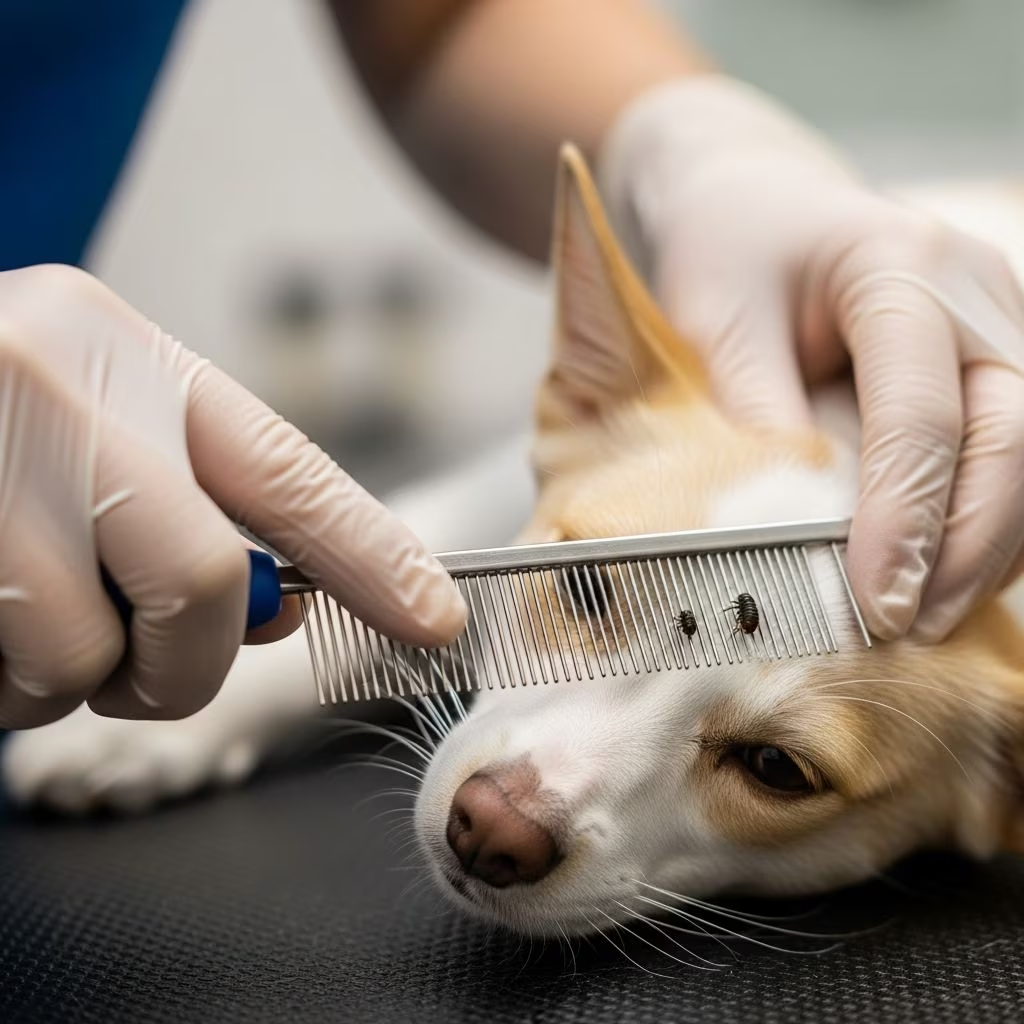
While the shampoo soaks, professional groomers often use a fine-toothed flea comb to remove fleas from delicate areas where shampoo application must be limited. The flea comb is particularly useful for the pet’s head, ears, and facial region. As the groomer combs through the coat, captured fleas can be easily rinsed down the drain, providing immediate relief and helping to verify that the treatment is working.
Fine-toothed flea combs are invaluable tools during any grooming routine. They allow for manual removal of parasites and help detect the presence of fleas and their debris (called flea dirt). Regular use of a flea comb between professional grooming sessions can significantly reduce flea populations and help monitor treatment effectiveness.
Thorough Rinsing
After the appropriate soaking time, the groomer rinses the shampoo thoroughly from the pet’s entire body. This step is crucial not only for removing the shampoo residue but also for washing away dead fleas and flea debris. Proper rinsing ensures no shampoo remains on the skin, which could cause irritation.
Grooming Services for Different Pet Types
Dog Flea Grooming Services
Professional dog grooming services for flea removal typically include a complete flea bath using specialized shampoos, thorough drying, and often include combing and inspection. Dogs generally tolerate this process well, and groomers can work efficiently on most coat types. The combination of shampoo treatment and manual removal via combing provides comprehensive flea elimination.
Cat Flea Grooming Services
Cat flea grooming services follow similar principles to dog grooming but require additional care and consideration. Cats are more sensitive to handling and stress, and they require specially formulated flea products. Professional cat groomers who offer flea baths are trained to work gently and efficiently while using only feline-safe products. The specialized approach to cat grooming ensures both effectiveness and safety.
Does Shaving Help with Flea Prevention and Detection?
Some pet owners consider shaving their dogs’ coats closely during flea season, hoping this will prevent infestations. However, the relationship between coat length and flea control is more nuanced than a simple preventive measure.
Shaving for Detection Rather Than Prevention
Shaving can actually help more with flea detection than prevention. A shorter coat makes it easier to spot fleas and flea dirt during inspections, allowing for earlier intervention. This increased visibility helps pet owners identify infestations quickly and seek treatment promptly.
The Protection Factor of Double-Coated Breeds
Interestingly, thick double-coated dogs may actually be better protected from fleas than short-haired breeds, provided they receive regular grooming and maintenance. The dense undercoat can act as a barrier that makes it harder for fleas to reach the skin. Regular brushing and grooming of double-coated breeds helps maintain this protective barrier while also removing any parasites that do attempt to infest the coat.
Regular Skin Checks and Brushing
Rather than relying on shaving, pet owners should focus on regular skin checks and consistent brushing as primary flea management strategies. These preventive measures are effective at ensuring no fleas are present on pets and allow early detection of problems. Combining regular grooming with professional flea treatments creates a comprehensive approach to flea management.
Tools and Products for Home Flea Grooming
If you prefer to groom your pet at home, having the right tools makes the process more effective and manageable.
Essential Grooming Tools
Fine-toothed flea combs: These specialized combs have teeth spaced closely enough to capture fleas and debris. They’re essential for both removing fleas and inspecting your pet’s coat for infestations.
Flea shampoos: Choose species-appropriate shampoos with proven effectiveness. Test any new product on a small area first if your pet has sensitive skin.
Grooming brushes: Regular brushes help maintain coat health and work in combination with flea combs for thorough grooming.
Product Selection Guidelines
| Product Type | Best For | Considerations |
|---|---|---|
| Pyrethrin-based shampoos | Fast-acting flea elimination in dogs | Natural origin, rapid effectiveness, safe for most dogs |
| Natural oil shampoos | Pets with sensitive skin or chemical sensitivities | Gentler formulation, still effective against parasites |
| Flea combs | Manual removal and inspection | Essential for all grooming routines, safe for all pets |
| Feline-specific products | Cat flea removal exclusively | Never use dog products on cats; always verify safety |
Step-by-Step Home Grooming for Flea Removal
Preparation Phase
Before beginning the grooming process, gather all necessary supplies including the appropriate flea shampoo, towels, a fine-toothed comb, and a basin or bathing area. Read the shampoo instructions carefully to understand the required soaking time and any safety precautions specific to the product.
Bathing and Treatment
Wet your pet thoroughly with lukewarm water, then apply the flea shampoo according to package directions. Work the shampoo into a lather across the entire body, avoiding the eyes, ears, and mouth. Allow the shampoo to sit for the time specified on the product label, typically five to ten minutes, to ensure effectiveness.
Combing During Soaking
While the shampoo is soaking, use the fine-toothed flea comb on the head, neck, and other delicate areas where you haven’t applied shampoo directly. This manual removal captures fleas and provides immediate relief while you allow the chemical treatment to work on the rest of the body.
Thorough Rinsing and Drying
After the soaking time expires, rinse your pet thoroughly with clean water until all shampoo residue is removed. Incomplete rinsing can leave irritating residue on the skin. Once rinsed, dry your pet completely using towels and, if your pet tolerates it, a pet-safe hair dryer on a low setting.
Preventing Reinfestation After Grooming
Grooming-based flea removal is effective for eliminating existing fleas, but preventing reinfestation requires additional steps. Fleas can be present in your pet’s environment, including bedding, furniture, and outdoor areas where your pet spends time.
Environmental Treatment
After removing fleas from your pet through grooming, address the home environment by washing your pet’s bedding in hot water, vacuuming thoroughly, and considering environmental flea treatments if infestations are severe. This comprehensive approach breaks the flea lifecycle and prevents reinfestation.
Ongoing Prevention
Following professional grooming or at-home treatment, maintain regular grooming schedules and consider using preventive flea treatments recommended by your veterinarian. Monthly topical treatments, oral medications, or flea collars can provide long-lasting protection between grooming sessions.
Frequently Asked Questions (FAQs)
Q: How often should I groom my pet to prevent fleas?
A: Regular grooming every 4-6 weeks helps maintain coat health and allows early detection of fleas. During peak flea season, more frequent grooming may be beneficial. Combine grooming with veterinary-recommended preventive treatments for optimal protection.
Q: Can I use dog flea shampoo on my cat?
A: Never use dog flea shampoo on cats. Many dog formulations contain permethrin, which is toxic to cats and can cause serious illness or death. Always use only feline-specific flea products when treating cats.
Q: What should I do if fleas return after grooming?
A: Reinfestation typically occurs from the environment rather than treatment failure. Wash pet bedding, vacuum thoroughly, treat your home environment, and consult your veterinarian about preventive flea medications for lasting protection.
Q: How long does it take for flea shampoo to work?
A: Most flea shampoos kill fleas on contact within minutes to an hour. However, they don’t prevent reinfestation. For long-term protection lasting weeks or months, consider preventive treatments like topicals or oral medications recommended by your vet.
Q: Is it safe to use flea grooming treatments on kittens or puppies?
A: Age-appropriate flea products exist for young pets, but consult your veterinarian before treating puppies or kittens. Your vet can recommend safe products suitable for your pet’s age and weight.
References
- Flea & Tick Treatment & Medicine for Cats — Chewy. 2025. https://www.chewy.com/b/flea-tick-404
- Flea & Tick Treatment & Medicine for Dogs — Chewy. 2025. https://www.chewy.com/b/flea-tick-381
- Do Groomers Remove Fleas? Get the 411 on Flea Grooming Services — Chewy. 2025. https://www.chewy.com/education/cat/flea-and-tick/how-to-get-rid-of-fleas-on-your-dog-or-cat-during-their-grooming-routine
- Tick & Flea Comb for Short Haired Dog & Cat, Small Pet Shedding & Grooming Tool — Chewy. 2025. https://www.chewy.com/b/flea-tick-combs-brushes-1873
- TICK MITT Microfiber Tick Remover for Dogs & Cats, Yellow — Chewy. 2025. https://www.chewy.com/tick-mitt-microfiber-tick-remover/dp/1402190



