

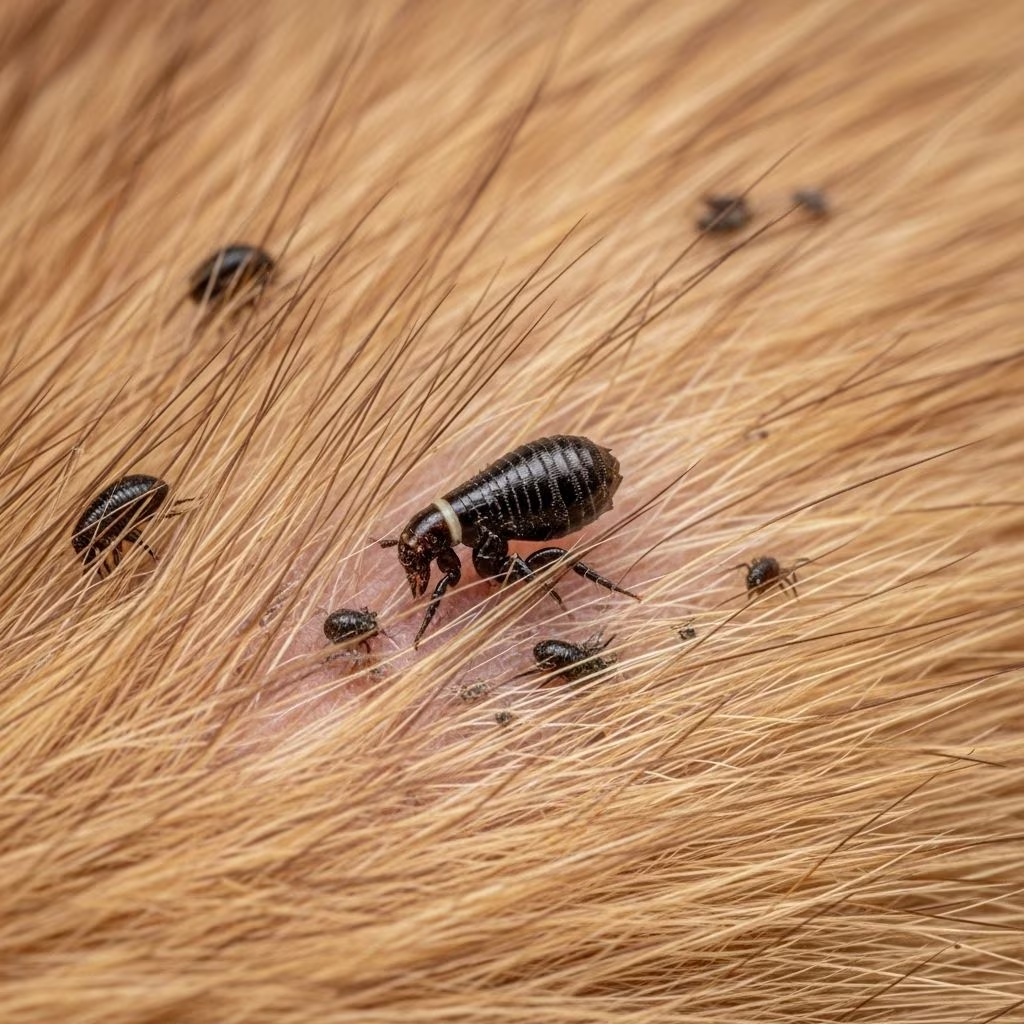
Fleas are more than just a nuisance for dogs—they represent a significant health threat that extends far beyond simple itching and discomfort. While many pet owners recognize that fleas cause irritation, fewer understand the serious medical complications these parasites can introduce to a dog’s body. Fleas act as disease vectors, transmitting various pathogens that result in conditions ranging from mild skin irritation to life-threatening illnesses. Understanding these health risks is essential for responsible dog ownership and effective preventive care.
The Direct Impact of Flea Infestations on Canine Health
When fleas infest a dog, the immediate consequences extend beyond surface-level annoyance. The parasites feed on blood, piercing the dog’s skin repeatedly and creating wounds that can become infected. This blood loss accumulates, particularly in small breeds, young puppies, or dogs with pre-existing health conditions. The continuous feeding activity causes severe irritation and triggers an inflammatory response in the skin.
Dogs infested with fleas often experience intense itching that leads to excessive scratching and self-wounding. These open sores become susceptible to secondary bacterial infections, creating a cascading health problem. The constant grooming and licking can result in hair loss, exposing additional skin to infection and further irritation.
Flea Allergy Dermatitis: The Inflammatory Response
Flea Allergy Dermatitis (FAD) represents one of the most common conditions triggered by flea exposure. This condition develops when a dog’s immune system reacts hypersensitively to proteins in flea saliva. The flea’s saliva contains chemical compounds including histamine and amino acids that trigger an allergic cascade in susceptible dogs.
Certain breeds demonstrate genetic predisposition to FAD, including Terriers, Spaniels, and Chow Chows. However, any dog can develop this condition with sufficient flea exposure. The allergic reaction causes inflammation extending beyond the bite sites, affecting large areas of the skin and creating widespread discomfort.
Clinical signs of FAD include:
- Intense itching and scratching
- Constant grooming and self-licking
- Hair loss and alopecia
- Red, inflamed skin patches
- Secondary skin infections from broken skin
- Behavioral changes related to discomfort
Parasitic Infections Transmitted Through Fleas
Tapeworm Infestations
Tapeworms represent one of the most significant parasitic threats associated with flea infestations. These long, flat, segmented worms inhabit the small intestines where they absorb nutrients from the host’s digestive tract. Fleas frequently carry tapeworm eggs, and when dogs ingest these infected fleas during grooming, the eggs mature into adult worms inside the dog’s body.
Hunting dogs and farm dogs face heightened risk of tapeworm infection due to their increased likelihood of consuming infected fleas or contaminated prey. Indoor dogs contract tapeworms through accidental ingestion of fleas during self-grooming, making comprehensive flea prevention essential for all dogs regardless of lifestyle.
Symptoms of tapeworm infection include:
- Progressive weight loss despite adequate food intake
- Anemia from nutrient absorption disruption
- Abdominal pain and cramping
- Vomiting
- Visible parasitic segments in feces or around the anal area
- Scooting behavior (dragging rear across surfaces)
Diagnosis often involves microscopic examination of stool samples and observing characteristic segments. Treatment requires prescription anthelmintic medications administered under veterinary supervision. Prevention depends on breaking the flea-to-tapeworm transmission cycle through consistent flea control.
Anemia from Blood Loss
Severe flea infestations can cause significant anemia through cumulative blood loss. Each flea consumes small amounts of blood, but large infestations result in substantial total blood volume loss. This condition becomes particularly dangerous for toy breeds, very young puppies, senior dogs, and animals already suffering from low red blood cell counts.
Dogs with flea-related anemia may exhibit lethargy, weakness, pale gums, and reduced exercise tolerance. Without intervention, unchecked anemia can progress to severe illness and potentially death in vulnerable populations. Veterinarians recommend preventative monthly medications that eliminate adult fleas and prevent larvae from developing.
Bacterial Infections Transmitted by Fleas
Bartonellosis: The Flea-Borne Bacterial Disease
Bartonella bacteria, transmitted by fleas and other parasites, causes a serious condition in dogs known as Bartonellosis. Unlike some flea-borne diseases where transmission routes are well-established, Bartonellosis in dogs shows less obvious transmission patterns, though flea involvement is increasingly recognized. The bacteria can spread through blood-to-blood contact, flea bites, or contact with infected animals.
Dogs infected with Bartonella may present with diverse and sometimes non-specific symptoms, making diagnosis challenging. Veterinarians are identifying more cases as diagnostic capabilities improve, revealing that this disease affects more dogs than previously recognized.
Symptoms of Bartonellosis may include:
- Fever
- Coughing and respiratory symptoms
- Diarrhea and gastrointestinal upset
- Vomiting
- Eye and nose irritation
- Lameness and joint pain
- Lymph node inflammation
- Liver and spleen enlargement
- Arthritis and joint problems
- Neurological signs including seizures in severe cases
Diagnosis requires blood testing to identify the bacteria, and treatment involves specific antibiotic therapy prescribed by a veterinarian. Prevention focuses on maintaining rigorous flea control and limiting contact with areas where fleas and other carriers congregate.
Understanding Disease Transmission and Risk Factors
Fleas transmit diseases through multiple mechanisms. Direct transmission occurs when infected flea saliva enters the dog’s bloodstream during feeding. Indirect transmission happens when dogs ingest infected fleas or contaminated materials. Environmental factors significantly influence transmission risk, including exposure to wildlife and lack of regular flea treatments.
Dogs with outdoor access face elevated risk of flea-borne disease exposure compared to indoor-only pets. Contact with wild animals such as rats, mice, and birds increases the likelihood of carrying fleas that harbor dangerous pathogens. Even brief outdoor exposure without protective measures can result in flea infestation and subsequent disease transmission.
Recognizing Symptoms and Seeking Veterinary Care
Early recognition of flea-related illness enables prompt treatment and prevents disease progression. Pet owners should monitor for behavioral changes, physical symptoms, and signs of discomfort. Any dog displaying sudden lethargy, loss of appetite, fever, or skin problems warrants veterinary evaluation.
Symptoms may develop gradually or appear suddenly depending on the disease and individual dog factors. Some dogs show few signs initially, even while harboring parasites or pathogens. This delayed symptom presentation makes preventive treatment more important than relying on symptoms alone to detect problems.
Prevention Strategies and Treatment Options
Comprehensive flea prevention remains the most effective approach to protecting dogs from flea-related diseases. Veterinarians can prescribe preventative medications available in multiple formulations to suit different needs and preferences.
Available prevention options include:
- Topical treatments applied monthly to the skin
- Oral medications administered as tablets or chews
- Flea shampoos for immediate relief during active infestations
- Powder formulations for targeted application
- Injectable preventatives offering extended protection
Prescription products generally provide superior efficacy compared to over-the-counter alternatives. Veterinarians can recommend products that kill adult fleas while preventing larvae from developing, breaking the reproduction cycle. Consistent monthly application or administration ensures continuous protection throughout the year.
Environmental management complements pharmaceutical prevention. Regular house cleaning, vacuuming, and washing dog bedding reduce flea populations in living spaces. Limiting contact with infested animals and contaminated environments decreases exposure risk.
Comparison of Common Flea-Related Canine Conditions
| Condition | Primary Cause | Key Symptoms | Transmission Method | Treatment Approach |
|---|---|---|---|---|
| Flea Allergy Dermatitis | Allergic reaction to flea saliva proteins | Intense itching, hair loss, inflamed skin | Direct flea bite | Antihistamines, antibiotics for secondary infections, flea prevention |
| Tapeworm Infection | Ingestion of infected fleas | Weight loss, visible segments, scooting | Ingestion of parasitic eggs | Anthelmintic medications, flea prevention |
| Flea-Related Anemia | Blood loss from multiple flea bites | Lethargy, pale gums, weakness | Cumulative blood feeding | Iron supplementation, flea elimination, supportive care |
| Bartonellosis | Bartonella bacterial infection | Fever, joint pain, lameness, neurological signs | Flea bite, blood contact | Specific antibiotics, flea prevention |
Frequently Asked Questions About Fleas and Canine Health
Can a dog die from flea infestations?
Yes, severe untreated infestations can be fatal, particularly in vulnerable dogs such as young puppies, toy breeds, or seniors. Death typically results from complications like severe anemia, systemic infection, or transmission of lethal pathogens.
How quickly do symptoms appear after flea exposure?
Symptoms vary depending on the specific disease and individual dog immunity. Some dogs show signs within days, while others may take weeks to manifest symptoms. This variability makes prevention more reliable than waiting for symptoms to appear.
Are indoor dogs protected from flea-borne diseases?
Indoor dogs still require flea prevention because fleas can enter homes on clothing, other pets, or during outdoor bathroom breaks. Additionally, humans can inadvertently bring fleas indoors on their clothing or belongings.
How often should dogs receive flea prevention?
Most veterinary-prescribed preventatives require monthly administration or application year-round. Some newer formulations offer extended protection lasting longer than one month. Veterinarians recommend maintaining consistent prevention schedules without gaps to ensure continuous protection.
Can flea-borne diseases be transmitted to humans?
Some flea-borne pathogens affect humans, including the bacteria causing flea-borne typhus and plague. Infected dogs do not directly transmit these diseases to humans, but fleas can jump between species and introduce pathogens.
Conclusion: Prioritizing Flea Prevention for Optimal Canine Health
Fleas pose far more serious threats to canine health than their irritating bites might suggest. The parasites serve as vectors for tapeworms, bacteria, and other pathogens that cause significant illness. From allergic dermatitis to life-threatening anemia and bacterial infections, flea-related diseases demand serious attention from pet owners.
Consistent, year-round flea prevention represents the most effective strategy for protecting dogs from these health complications. Working with veterinarians to select appropriate preventative medications ensures comprehensive protection tailored to individual dog needs. By understanding the serious health consequences of flea infestations, pet owners can make informed decisions that keep their dogs healthy and comfortable throughout their lives.
References
- Flea-Borne Diseases in Dogs – Symptoms, Causes, Diagnosis — Wag Walking. 2024. https://wagwalking.com/condition/flea-borne-diseases
- Ticks, Fleas, and Harboured Pathogens from Dogs and Cats in Cyprus — National Center for Biotechnology Information (NCBI/PMC). 2023. https://pmc.ncbi.nlm.nih.gov/articles/PMC9786688/
- The Health Risks of Fleas and Ticks — American Animal Hospital Association (AAHA). 2024. https://www.aaha.org/resources/the-health-risks-of-fleas-and-ticks/
- Can Fleas Make a Dog Sick? 4 Health Problems — 1st Pet Vet. 2024. https://1stpetvet.com/pet-health-information/4-health-problems-fleas-can-create-for-your-dog/
- Fleas Cause Diseases — Animal Medical Clinic. 2024. https://www.animal-medical-clinic.com/services/vet-education/blog/fleas-cause-diseases
- Flea and Tick Prevention — Cornell University College of Veterinary Medicine. 2024. https://www.vet.cornell.edu/departments-centers-and-institutes/riney-canine-health-center/canine-health-topics/flea-and-tick-prevention
- About Fleas — Centers for Disease Control and Prevention (CDC). 2024. https://www.cdc.gov/fleas/about/index.html



