Fleas in Rabbits: Signs, Risks, and Treatment Guide
Complete guide to identifying, treating, and preventing fleas in rabbits safely and effectively.
Understanding Fleas in Rabbits
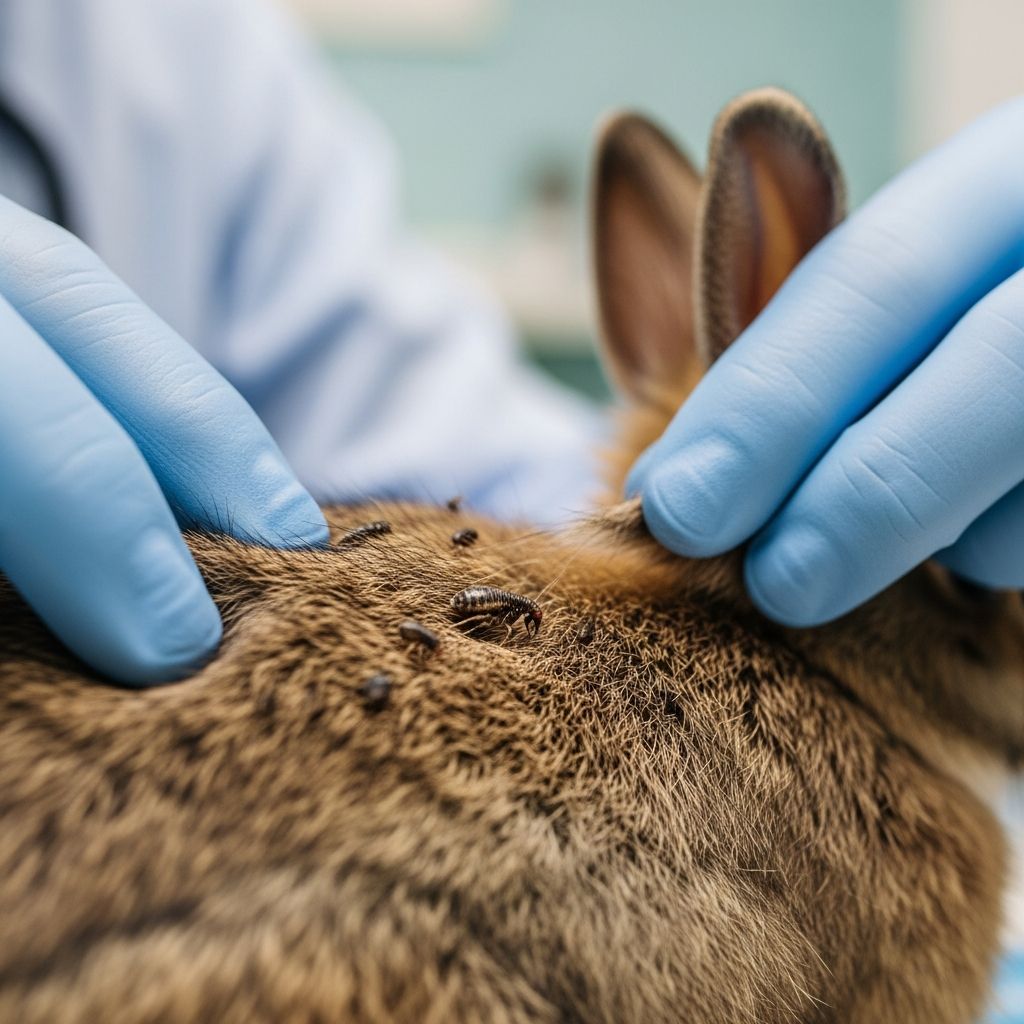
Fleas are common external parasites that affect not only cats and dogs but also rabbits. Unlike many pet health issues, flea infestations in rabbits can develop quickly and cause significant discomfort and health complications if left untreated. Rabbits can acquire fleas from various sources including contact with infested animals, wildlife, or contaminated environments. Understanding how fleas affect rabbits and recognizing early signs of infestation is crucial for maintaining your rabbit’s health and well-being.
Rabbits are particularly vulnerable to flea infestations because of their dense fur, which provides an ideal environment for fleas to hide and reproduce. Additionally, rabbits may be less able to groom themselves effectively in certain areas, making them susceptible to higher parasite loads compared to other pets. The warm environment created by a rabbit’s thick coat accelerates the flea life cycle, allowing infestations to worsen rapidly without proper intervention.
How Rabbits Get Fleas
Rabbits can acquire fleas through multiple pathways, making prevention an important part of pet care. Understanding these transmission routes helps pet owners take appropriate precautions to minimize infestation risks.
Direct Contact: Rabbits that interact with other pets, particularly cats and dogs, may contract fleas through direct physical contact. Even brief encounters with infested animals can result in flea transmission.
Environmental Exposure: Outdoor rabbits or rabbits with access to yards and gardens face higher risks of flea exposure from wildlife such as foxes, raccoons, and rodents. Wild animals commonly carry fleas and can contaminate areas where rabbits spend time.
Human Introduction: Humans can inadvertently bring fleas into the home on clothing or shoes after contact with infested animals or environments. These parasites can then transfer to household pets, including rabbits.
Contaminated Bedding and Equipment: Fleas in various life stages can persist in bedding, hay, and other rabbit supplies. Purchasing hay or bedding from contaminated sources can introduce fleas directly into your rabbit’s living space.
Recognizing Signs and Symptoms of Fleas in Rabbits
Early detection of fleas is essential for preventing severe infestations and associated health complications. Pet owners should regularly inspect their rabbits for signs of flea activity and know what symptoms warrant veterinary attention.
Behavioral Signs
Excessive Scratching and Biting: Rabbits with fleas will scratch, bite, and lick excessively at their skin, particularly around areas where fleas concentrate. Pay special attention to the spine and neck region, as fleas commonly inhabit these areas. Excessive grooming behavior may indicate irritation from flea bites.
Restlessness and Discomfort: Infested rabbits often display signs of restlessness, agitation, and general discomfort. They may have difficulty resting and appear anxious or irritable.
Physical Symptoms
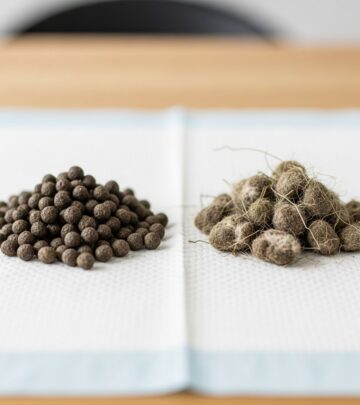
Visible Fleas and Flea Dirt: You may observe small, dark insects moving through the fur or see small black specks resembling dirt on the skin and fur. These black specks are actually flea droppings (flea dirt) consisting of digested blood. To distinguish flea dirt from regular dirt, place a speck on a white paper towel and add a drop of water; flea dirt will leave a red ring as the blood dissolves.
Hair Loss and Scaling: Rabbits infested with fleas frequently develop patchy hair loss and dandruff-like skin scaling, giving their coat a moth-eaten appearance. This occurs as rabbits intensively groom affected areas and damage hair follicles through constant scratching.
Skin Irritation and Bite Marks: Small, red bite marks or sores may appear on the skin. In some cases, these bite marks become infected, leading to secondary bacterial skin infections that require additional treatment.
Anemia in Severe Cases: Each flea takes a small blood meal during feeding. In severe infestations, particularly in young rabbits or those with compromised immune systems, the cumulative blood loss can result in anemia. Symptoms of anemia include weakness, pale gums, lethargy, and increased heart rate. In extreme cases, severe flea infestations can become life-threatening due to significant blood loss and resulting anemia.
How Veterinarians Diagnose Fleas in Rabbits
A definitive diagnosis of flea infestation requires professional veterinary examination. Your veterinarian will conduct a thorough inspection of your rabbit’s hair, fur, and skin to identify evidence of fleas and other external parasites. During the examination, the vet will look for living fleas, flea eggs, flea larvae, and flea dirt throughout the coat. A fine-toothed flea comb is an effective diagnostic tool that helps capture fleas and flea dirt, making them visible for examination.
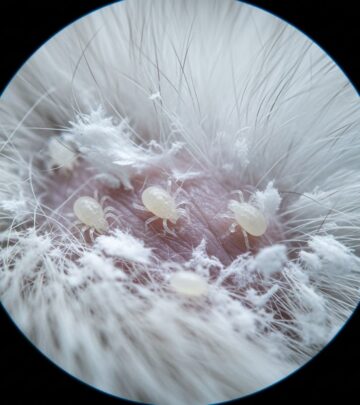
Veterinarians may also want to differentiate flea infestations from other parasitic conditions such as ear mites or skin mites, particularly if your rabbit displays symptoms of severe itching. Additionally, if your rabbit shows signs of excessive scratching, biting, or licking, your veterinarian will investigate whether these behaviors result from allergic reactions, secondary infections, or recent vaccinations rather than flea activity alone.
Regular veterinary examinations, ideally at least once annually, provide opportunities for early identification of flea problems before they become severe. Early detection allows for prompt treatment implementation and helps prevent complications such as anemia and secondary skin infections.
Treatment Options for Rabbits with Fleas
Effective flea treatment requires a comprehensive approach addressing both the infested rabbit and the home environment. Treatment protocols must also account for other animals in the household to prevent reinfection.
Prescription Flea Medications
Currently, there are no rabbit-specific drugs approved exclusively for managing fleas. All flea treatments used in rabbits are also utilized for dogs and cats, with their use in rabbits classified as “off-label.” Despite this classification, several medications have demonstrated safety and effectiveness in rabbits when prescribed by veterinarians.
Selamectin (Revolution): This topical anti-parasite medication has been used effectively and appears to be safe for rabbits. Selamectin not only treats fleas but may also address other parasites such as ear mites. Recommended dosing has been established for rabbits, making it a preferred choice for many veterinarians.
Imidacloprid (Advantage): The feline formulation of Advantage has demonstrated safety and effectiveness in rabbits. This topical treatment targets adult fleas and can be applied as directed by your veterinarian.
Application Guidelines: These topical treatments are typically applied as “spot-ons” to the skin at the back of the neck where rabbits cannot lick them off. Flea dips and shampoos are not recommended for rabbits due to stress and potential toxicity concerns. Always consult your veterinarian before applying any flea treatment, as they can determine the appropriate dosage based on your rabbit’s weight and health status.
Manual Flea Removal
Regular use of a fine-toothed flea comb helps mechanically remove fleas from your rabbit’s coat. Comb through the fur daily, particularly focusing on the neck, tail, and underbelly areas. Keep a bowl of soapy water nearby to drown any fleas you capture. While this method alone cannot completely eliminate an infestation, it serves as a valuable supplementary treatment alongside prescribed medications.
Environmental Treatment
Since fleas have a complex life cycle that includes egg, larval, and pupal stages in the environment, treating the home is essential for complete eradication.
Hutch Cleaning for Outdoor Rabbits: Thoroughly clean and disinfect the rabbit hutch, removing all bedding and debris. Use appropriate disinfectants according to label directions, ensuring the hutch is completely safe before returning your rabbit. Read warning labels carefully on any cleaning products to prevent chemical exposure.
Indoor Home Treatment: Regular vacuuming and steam cleaning help reduce fleas in carpets, furniture, and bedding. For severe infestations, consider using rabbit-safe flea sprays or food-grade diatomaceous earth around the home. Avoid harsh chemical sprays and foggers that could harm your rabbit. If using any room sprays or treatments, keep rabbits and other family members out of treated areas for at least 24 hours or as specified on the product label.
Bedding and Supplies: Wash all rabbit bedding, blankets, and fabric items in hot water to eliminate fleas at all life stages. Replace hay and straw with fresh supplies from verified flea-free sources.
Treating Other Household Pets
Because fleas affect dogs and cats equally, all animals in the household must be treated simultaneously to prevent reinfection cycles. Consult your veterinarian about appropriate flea treatments for each pet species. Avoid applying topical treatments from multiple sources simultaneously, and maintain the recommended spacing between applications as directed by your veterinarian.
Timeline for Flea Eradication
The time required to eliminate fleas depends on several factors, most importantly environmental temperature. During cooler months, the flea life cycle extends significantly, and complete eradication may take several months. In warmer seasons, eggs and pupae develop more rapidly, allowing for quicker elimination when temperatures support faster development. Consistent treatment and environmental management throughout the entire period are necessary to break the flea life cycle completely.
Prevention of Flea Infestations in Rabbits
Preventive measures significantly reduce the risk of flea infestations developing in the first place.
Year-Round Flea Prevention: Treating all animals in the household year-round with veterinary-recommended flea medications provides continuous protection. Rabbits receiving year-round flea treatment generally will not develop significant infestations.
Regular Grooming and Inspection: Brush your rabbit regularly to inspect for early signs of fleas. This allows for prompt intervention if fleas are detected before infestation becomes severe. Grooming also strengthens your ability to spot changes in coat quality or skin condition.
Environmental Hygiene: Maintain clean living spaces through regular vacuuming, washing of bedding, and replacement of hay and straw. Minimize exposure to wildlife and unknown animals that may carry fleas.
Veterinary Monitoring: Schedule regular veterinary examinations at least annually. These wellness visits provide opportunities for early detection of parasites and other health issues before they become serious problems.
Additional Health Considerations
Fleas also bite humans, causing itching and discomfort. The presence of fleas in your home represents a health concern for all household members, making prompt treatment important for human health as well as pet health. Maintaining awareness of fleas in the environment helps protect your entire family.
If your rabbit develops secondary bacterial skin infections from flea bites or intensive scratching, additional treatment may be necessary. Your veterinarian can prescribe appropriate antibiotics and may recommend topical treatments to promote skin healing.
Frequently Asked Questions About Fleas in Rabbits
Q: Can I use dog or cat flea products on my rabbit?
A: No, you should never use flea products designed for dogs or cats on rabbits without veterinary approval. Many such products contain concentrations toxic to rabbits. Always consult your veterinarian for rabbit-safe treatment options.
Q: How often should I treat my rabbit for fleas?
A: Follow your veterinarian’s specific recommendations, which typically involve monthly or every-12-week applications depending on the product. If fleas persist after initial treatment, you may need to reapply flea medications three weeks after the first dose.
Q: Can fleas cause permanent damage to my rabbit?
A: While most flea infestations resolve with proper treatment, severe infestations can cause life-threatening anemia, particularly in young rabbits. Secondary bacterial infections can also cause lasting skin damage. Prompt treatment prevents such complications.
Q: How long does it take to completely eliminate fleas?
A: Timeline varies with seasonal temperature. In cool months, elimination may take several months, while warmer seasons typically see faster results due to accelerated flea development cycles.
Q: Should I bathe my rabbit to remove fleas?
A: Bathing rabbits is not recommended as a flea treatment. Baths cause significant stress to rabbits and can lead to other health complications. Stick to veterinarian-approved topical treatments and flea combing instead.
Q: Can indoor rabbits get fleas?
A: Yes, indoor rabbits can acquire fleas through contact with other infested pets or through contaminated items brought into the home. Fleas can be introduced on human clothing or shoes.
References
- Fleas in Rabbits — VCA Animal Hospitals. 2024. https://vcahospitals.com/know-your-pet/fleas-in-rabbits
- How to Get Rid of Fleas on Rabbits — PetMD. 2024. https://www.petmd.com/rabbit/conditions/infectious-parasitic/how-get-rid-fleas-rabbits
- Fleas and Your Rabbit: Signs & Prevention — Vets for Pets. 2024. https://www.vets4pets.com/pet-health-advice/rabbit-advice/fleas-and-your-rabbit/
- How to Get Rid of Fleas on Rabbits — Ingleside Animal Hospital. 2024. https://www.ingleside.com/services/other-pets/blog/how-get-rid-fleas-rabbits
- Fleas, mites and lice in rabbits — PDSA. 2024. https://www.pdsa.org.uk/pet-help-and-advice/pet-health-hub/conditions/fleas-mites-and-lice-in-rabbits
- Fleas and rabbits — MediRabbit. 2024. http://www.medirabbit.com/EN/Skin_diseases/Parasitic/fleas/Fleas.htm
- House Rabbits and Flea Control — The Rabbit Haven. 2024. https://therabbithaven.org/house-rabbits-and-flea-control
Similar Articles







Read full bio of Sneha Tete