Fleas in Rabbits: Prevention and Treatment Guide
Complete guide to identifying, treating, and preventing fleas in rabbits safely and effectively.
Fleas in Rabbits: A Complete Guide to Prevention and Treatment
Fleas are a common external parasite that can affect rabbits of all ages and living situations. While rabbits are generally less susceptible to fleas compared to cats and dogs, they remain vulnerable to infestation, particularly in households where other pets are present. Understanding how to identify, treat, and prevent fleas is essential for maintaining your rabbit’s health and comfort. This comprehensive guide provides rabbit owners with the knowledge needed to protect their pets from flea-related complications.
Understanding Flea Infestations in Rabbits
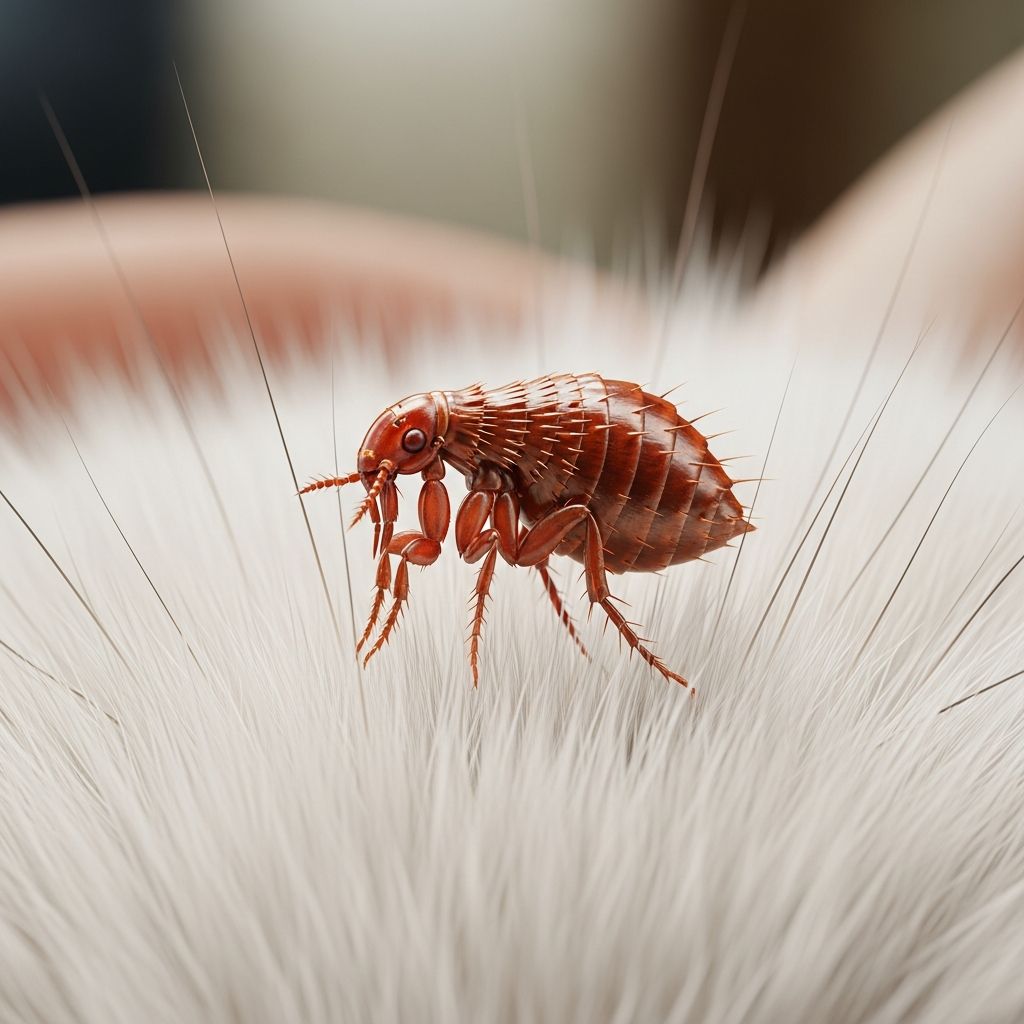
Fleas are small, wingless parasitic insects that feed on the blood of their hosts. When a flea bites a rabbit, it injects saliva that can cause significant irritation and discomfort. Even a single flea can multiply rapidly, leading to a full infestation within days. Rabbits living both indoors and outdoors are susceptible to fleas, as these parasites can be introduced through other pets, visitors, or even on clothing and shoes. Indoor rabbits may face increased risk year-round due to artificially heated environments that create ideal conditions for flea reproduction.
Recognizing the Signs of Fleas in Rabbits
Identifying fleas in rabbits requires careful observation of both physical symptoms and behavioral changes. Rabbit owners should regularly check their pet’s skin and fur for signs of infestation, as early detection is crucial for preventing complications.
Common Symptoms of Flea Infestation
Excessive scratching and biting: The most obvious sign of fleas is constant scratching, biting, and nibbling at the fur. Fleas cause intense itching due to their saliva, which triggers allergic reactions in the skin. Affected rabbits may bite at their fur so vigorously that they cause hair loss and bleeding.
Visible skin irritation: Look for redness, swelling, and irritation on the skin where fleas have bitten. Small red bite marks or sores may appear, and in some cases, secondary bacterial skin infections can develop if the affected areas become scratched open.
Spotting live fleas: To check for live fleas, part your rabbit’s fur and stroke it backwards, particularly around the neck and spine where fleas commonly congregate. Fleas are small, dark reddish-brown insects that move quickly through the fur.
Flea dirt: You may notice small black specks on your rabbit’s skin and bedding. This flea dirt is actually flea feces and is a reliable indicator of infestation.
Anemia in severe cases: Heavy flea infestations cause rabbits to lose significant amounts of blood over time. In severe infestations, particularly in young rabbits, this blood loss can lead to anemia, characterized by lethargy, weakness, and pale mucous membranes. In extreme cases, severe anemia from flea infestation can become life-threatening and requires immediate veterinary intervention.
Safe Treatment Options for Rabbit Fleas
Treating fleas in rabbits requires special care, as rabbits are highly sensitive to many common flea medications. Products formulated for dogs and cats can be toxic or even fatal to rabbits, making it essential to use only rabbit-specific treatments prescribed or recommended by a veterinarian.
Recommended Flea Treatments
Spot-on treatments: Topical or spot-on flea treatments are the most commonly recommended option for rabbits. These products are applied directly to the skin, usually at the back of the neck where the rabbit cannot lick it off. Several spot-on treatments are licensed and safe for rabbits, including imidacloprid (Advantage), permethrin (Xenex Ultra Spot On), and ivermectin (Xeno Products). Your veterinarian can recommend the most appropriate option based on your rabbit’s specific situation.
Household treatments: Environmental treatment is equally important as treating the rabbit itself. Rabbit-safe premise sprays can be used to treat areas where flea eggs and larvae may have fallen. However, it is critical to use only products labeled as safe for use around rabbits and small animals.
Treatments to Avoid
Certain flea treatment methods are unsuitable and potentially dangerous for rabbits. Flea dips, flea baths, and flea powders should never be used on rabbits, as the chemicals in these products are often toxic to them. Additionally, bathing is extremely stressful for rabbits and should be avoided whenever possible. Always consult with your veterinarian before using any flea treatment product on your rabbit.
Treating Your Rabbit’s Environment
Fleas have a complex life cycle that includes eggs, larvae, pupae, and adult stages. Many of these life stages exist in the rabbit’s environment rather than on the rabbit itself. Therefore, environmental treatment is absolutely critical to successfully eliminating a flea infestation.
Environmental Management Steps
Thorough cleaning: Clean your rabbit’s living area completely. Wash all bedding, toys, and fabrics in hot water (over 60 degrees Celsius) to destroy flea eggs and larvae. Fleas cannot survive high temperatures, making hot washing an effective non-chemical approach.
Vacuuming: Regularly vacuum all areas where your rabbit spends time, paying special attention to dark and hard-to-reach spaces where fleas hide. After each use, immediately discard the vacuum bag or empty the canister, as flea larvae can escape from used bags and reinfest your home.
Steam cleaning: Steam cleaning carpets and upholstered furniture provides an effective chemical-free method of eliminating fleas at all life stages.
Treating outdoor hutches: For rabbits housed outdoors, thoroughly clean and disinfect the hutch. Ensure the hutch is completely dry before returning your rabbit, and follow all safety label instructions on any cleaning products used.
Professional pest control: In severe infestations, professional pest control services may be necessary to completely eliminate fleas from your home.
Treating All Household Pets
Fleas readily jump between animals, so if one pet in your household has fleas, it is likely that all other pets have been exposed. Treat all cats, dogs, and rabbits simultaneously to prevent the infestation from persisting. Even a single untreated pet can reintroduce fleas into your home after successful treatment. Ensure that all other pets are kept up to date with their flea prevention treatments year-round.
Comprehensive Flea Prevention Strategy
Prevention is far more effective and less stressful than treating an active infestation. A multi-faceted prevention approach is recommended for all rabbit owners.
Prevention Guidelines
Veterinary-recommended preventatives: Use vet-recommended, rabbit-safe flea preventative products regularly throughout the year. While routine flea treatment is not necessary for all rabbits, those in households with cats and dogs should receive preventative treatment. Keeping other pets’ flea prevention current provides protection for your rabbits as well.
Maintaining a clean environment: Clean your rabbit’s bedding daily and maintain a clean, dry living space. Regular cleaning prevents the accumulation of flea eggs and larvae in the environment. Wash toys and bedding in hot water weekly.
Regular skin checks: Perform daily skin and fur inspections on your rabbit. Look for signs of fleas, irritation, or other skin problems. Early detection allows for prompt treatment before infestations become severe.
Grooming and fur care: Brush your rabbit regularly, paying special attention to areas they cannot reach themselves. Good grooming practices help you spot problems early and keep your rabbit’s coat healthy.
Managing other pets: Keep all cats and dogs in your household current with flea prevention treatments. This protects not only those pets but also your rabbit from flea exposure.
Awareness of transmission routes: Remember that fleas can enter your home through visitors, their pets, or even on clothing and shoes. Be mindful of these potential transmission routes and take appropriate precautions.
When to Contact Your Veterinarian
Contact your veterinarian immediately if you notice any signs of fleas or skin problems on your rabbit. Regular veterinary examinations, at least once yearly, help with early identification of parasites and other health issues. Your veterinarian can examine your rabbit’s hair and skin for evidence of fleas and other external parasites, then determine the most appropriate treatment based on your individual rabbit’s needs.
Special Considerations for Indoor vs. Outdoor Rabbits
While indoor rabbits have more control over their environment, they remain at risk from fleas introduced by other pets, visitors, or contaminated items. Outdoor rabbits face greater exposure to fleas, particularly during warmer months. However, indoor rabbits may face year-round flea risk due to artificially heated homes that create ideal breeding conditions for fleas. Both indoor and outdoor rabbits benefit from consistent flea prevention and regular monitoring.
Frequently Asked Questions About Rabbit Fleas
Q: Can rabbits get fleas if they live indoors?
A: Yes, indoor rabbits can get fleas. Fleas can be brought into the home by other pets, visitors, or on clothing and shoes. Additionally, the warm indoor environment creates ideal conditions for flea reproduction year-round.
Q: Why can’t I use dog or cat flea treatments on my rabbit?
A: Rabbits have unique physiology and are highly sensitive to many chemicals used in dog and cat flea treatments. These products can be toxic or fatal to rabbits. Always use only rabbit-specific treatments prescribed or recommended by your veterinarian.
Q: Is it necessary to treat my rabbit year-round for fleas?
A: Routine flea prevention is not necessary for all rabbits, particularly those not exposed to other pets. However, in households with cats and dogs, keeping those pets’ flea prevention current provides protection for your rabbit. Consult with your veterinarian about the best approach for your situation.
Q: What should I do if my rabbit has severe anemia from flea infestation?
A: Severe anemia from heavy flea infestation is a medical emergency. Contact your veterinarian immediately, as your rabbit may require supportive care, blood transfusion, or other intensive treatment.
Q: How long does it take to eliminate a flea infestation?
A: With proper treatment of both the rabbit and the environment, most infestations can be controlled within two to three weeks. However, thorough environmental cleaning and continued monitoring are essential to prevent reinfestation.
Q: Can fleas from my rabbit bite me?
A: Yes, the common fleas found in homes will bite humans, causing itchy red bumps. This is another reason why prompt flea treatment and environmental control are important for the entire household.
Q: Should I treat outdoor rabbit hutches differently?
A: Yes, outdoor hutches require thorough cleaning and disinfection. Ensure the hutch is completely dry before returning your rabbit, and use only products that are safe for use around rabbits. Professional pest control may be necessary for severe outdoor infestations.
References
- Fleas in Rabbits — VCA Animal Hospitals. 2025. https://vcahospitals.com/know-your-pet/fleas-in-rabbits
- Rabbit Fleas and Myxomatosis — British Veterinary Nursing Association (BVNA). 2025. https://bvna.org.uk/blog/rabbit-fleas-and-myxomatosis-by-hanna-buckoke/
- Fleas, Mites and Lice in Rabbits — People’s Dispensary for Sick Animals (PDSA). August 2020. https://www.pdsa.org.uk/pet-help-and-advice/pet-health-hub/conditions/fleas-mites-and-lice-in-rabbits
- Symptoms and Treatment for Rabbit Fleas — Everypaw. 2025. https://www.everypaw.com/all-things-pet/rabbit-fleas
- Fleas and Your Rabbit: Signs & Prevention — Vets for Pets. 2025. https://www.vets4pets.com/pet-health-advice/rabbit-advice/fleas-and-your-rabbit/
- Flea Advice for Rabbits: Flea Symptoms & Treatment — Medivet Group. 2025. https://www.medivetgroup.com/vet-practice-services/parasite-care/fleas/rabbit-flea-treatment/
Similar Articles








Read full bio of medha deb