

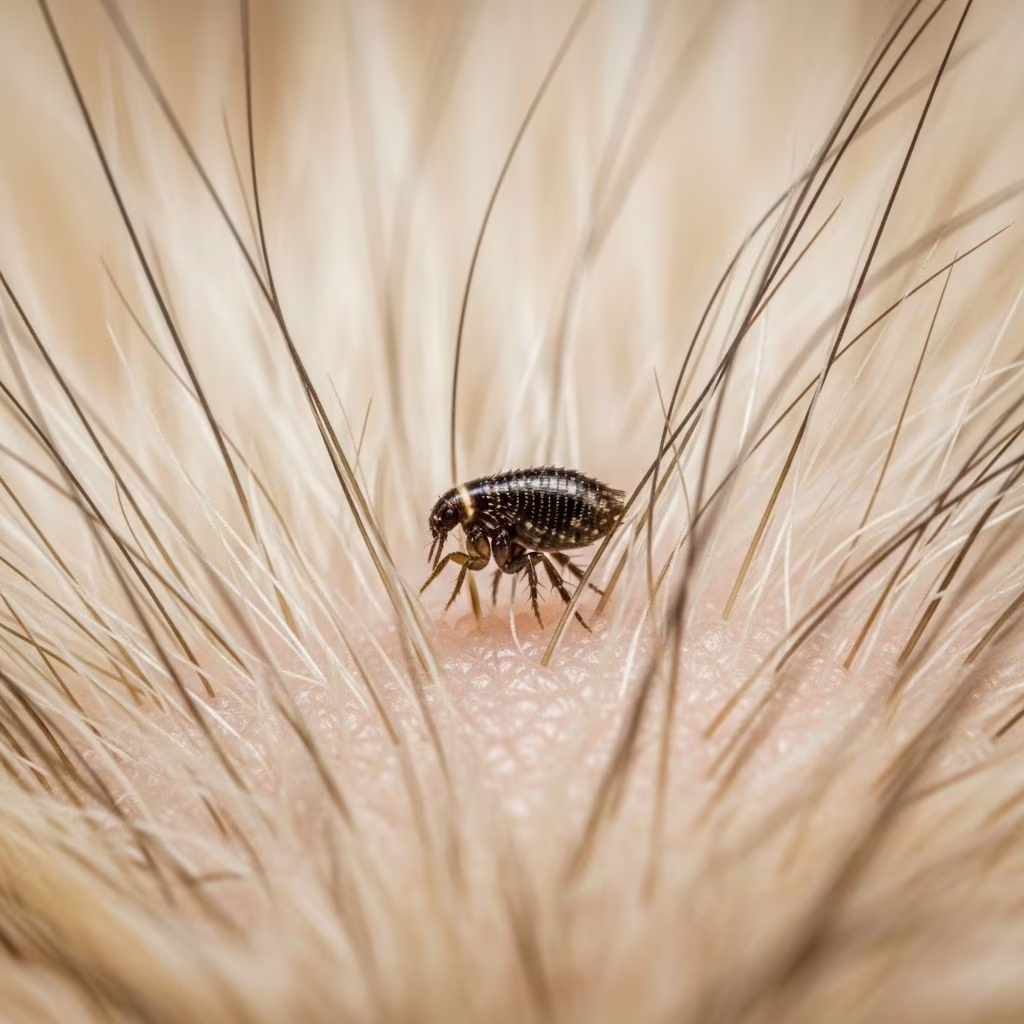
Fleas pose a significant threat to the well-being of dogs and cats, often leading to discomfort and severe skin conditions. These tiny parasites thrive in warm environments and can rapidly multiply, causing infestations that affect pets and households alike. Understanding their biology and impact is crucial for effective management.
The Biology and Life Stages of Fleas
Fleas undergo a complete metamorphosis, progressing through egg, larva, pupa, and adult stages. Adult fleas, which measure about 1-3 mm long, feed exclusively on blood from their hosts. A single female can produce up to 50 eggs daily, which fall off into the surroundings, hatching into larvae within days under favorable conditions.
Larvae feed on organic debris and flea feces, developing into pupae that encase in a protective cocoon. Pupae can remain dormant for weeks or months, emerging as adults triggered by vibrations or warmth from a passing host. This resilient life cycle explains why even a few fleas can lead to massive populations in homes.
- Eggs: Tiny, white, and sticky, often overlooked in carpets or bedding.
- Larvae: Worm-like, avoiding light, and residing in shaded areas.
- Pupae: Cocooned, highly resistant to treatments.
- Adults: Jumping insects visible on pet fur, especially around the base of the tail.
Spotting Signs of Flea Presence on Your Pet
Detecting fleas early prevents escalation. Common indicators include excessive scratching, particularly at the hindquarters, base of the tail, and abdomen. Pets may chew their skin raw, leading to hair loss in patches known as alopecia.
Flea dirt—dark specks resembling ground pepper—appears on the coat. When wet, it turns reddish-brown due to digested blood. Use a fine-tooth flea comb to check: run it through fur over white paper; black dots that smear red confirm infestation.
| Sign | Dogs | Cats |
|---|---|---|
| Intense Itching | Common on back and thighs | Often head and neck |
| Hair Loss | Symmetrical bald spots | Miliary dermatitis (crusty bumps) |
| Skin Changes | Redness, scabs | Scales, excessive grooming |
| Behavioral | Restlessness, irritability | Over-grooming to baldness |
Flea Allergy Dermatitis: When Bites Turn Toxic
Some pets develop flea allergy dermatitis (FAD), an exaggerated immune response to flea saliva proteins injected during bites. Even minimal flea exposure triggers intense inflammation. FAD affects up to 30% of allergic dogs and many cats, manifesting as severe pruritus far disproportionate to flea numbers.
Symptoms worsen seasonally but persist year-round in endemic areas. Secondary issues like bacterial infections (pyoderma) arise from self-trauma, complicating recovery. Diagnosis involves history, clinical signs, flea combing, and sometimes intradermal testing.
Immediate Steps for Flea Removal from Pets
Begin treatment on the pet promptly. Fast-killing adulticides provide quick relief. Oral options like nitenpyram offer rapid action within hours, ideal for heavy loads. Topical spot-ons containing fipronil or imidacloprid kill on contact.
For ongoing protection, isoxazolines such as afoxolaner, fluralaner, lotilaner, or sarolaner (dogs only) deliver month-long systemic control via chewables. Selamectin and spinosad suit both species, targeting adults and some immature stages.
- Bathe pets with mild soap to drown fleas, followed by combing.
- Apply vet-recommended preventives monthly.
- Treat all household animals simultaneously.
Environmental Control: Breaking the Flea Cycle Indoors
Over 95% of fleas reside off the pet in the environment. Vacuum daily: carpets, furniture, baseboards, and pet areas. Seal and discard bags outside to prevent re-infestation. Hot wash bedding weekly at 140°F (60°C).
Insect growth regulators (IGRs) like methoprene or pyriproxyfen disrupt development, killing eggs and larvae. Combine with adulticides for premises: sprays, foggers, or powders target hidden stages. Focus on high-risk zones like under furniture and pet resting spots.
Modern systemic pet treatments reduce environmental need, but severe cases benefit from professional pest services. Expect 2-3 months for full clearance due to pupal emergence.
Outdoor Flea Management Strategies
Yards harbor fleas in shaded, moist areas. Mow lawns short, remove debris, and treat with IGR sprays. Avoid overwatering. Year-round pet preventives minimize reintroduction indoors.
Symptom Relief and Supportive Therapies
Control itching with short-term glucocorticoids like prednisone (0.5-1 mg/kg/day), tapering to minimal effective dose. Alternatives include oclacitinib (Apoquel) or lokivetmab (Cytopoint) injections for longer relief without steroids.
Address infections with antibiotics like cephalexin or amoxicillin-clavulanate, guided by cultures. Medicated shampoos soothe and cleanse. Antihistamines like diphenhydramine offer variable relief; consult vets first.
Long-Term Prevention Plans
Year-round flea control prevents recurrence. Rotate products judiciously to avoid resistance. Monitor with regular vet checks. Combine pet treatments with habitat hygiene for sustained success.
- Monthly topicals/orals for pets.
- Weekly vacuuming.
- IGR premise treatments quarterly.
Special Considerations for Dogs Versus Cats
Dogs often show dorsal lumbosacral dermatitis; cats exhibit eosinophilic plaques or military dermatitis. Product safety varies: no afoxolaner/fluralaner for cats. Injectable lufenuron suits cats only.
| Aspect | Dogs | Cats |
|---|---|---|
| Common Sites | Back, tail base | Head, neck, back |
| Preferred Orals | Afoxolaner, sarolaner | Spinosad, selamectin |
| Environmental Needs | High if multi-pet home | Essential, indoor focus |
Frequently Asked Questions (FAQs)
Can one flea cause FAD?
Yes, hypersensitive pets react to a single bite due to saliva allergens.
How long until fleas are gone after treatment?
Pet fleas die quickly, but full environmental control takes 2-3 months.
Are flea collars effective?
Modern collars like those with flumethrin/imidacloprid provide 8-month protection when used correctly.
Is Benadryl safe for flea itch?
It may help mildly but consult a vet for dosing; efficacy varies in pets.
What if symptoms persist post-treatment?
Rule out other allergies or mites; seek dermatology consult.
Building a Flea-Resistant Home
Integrate habits: declutter, use washable rugs, and maintain dry yards. Educate family on spotting signs. Invest in quality preventives over cheap alternatives to ensure compliance and efficacy.
Proactive owners see fewer vet visits and healthier pets. Flea control demands consistency but yields a comfortable, itch-free companion.
References
- Flea Allergy Dermatitis in Dogs and Cats — Merck Veterinary Manual. 2023. https://www.merckvetmanual.com/integumentary-system/fleas-and-flea-allergy-dermatitis/flea-allergy-dermatitis-in-dogs-and-cats
- What Is Flea Allergy Dermatitis in Cats? Symptoms, Causes, and Treatment — PetMD. 2024-02-15. https://www.petmd.com/cat/conditions/skin/what-flea-allergy-dermatitis-cats-symptoms-causes-and-treatment
- Flea Allergy Dermatitis in Dogs — VCA Animal Hospitals. 2023. https://vcahospitals.com/know-your-pet/allergy-flea-allergy-dermatitis-in-dogs
- Guidelines for the Diagnosis and Management of Flea Allergy Dermatitis — American Animal Hospital Association (AAHA). 2022. https://www.aaha.org/resources/2022-aaha-flea-prevention-guidelines
- Flea Control in Small Animals — World Small Animal Veterinary Association (WSAVA). 2024. https://wsava.org/global-guidelines/flea-control



