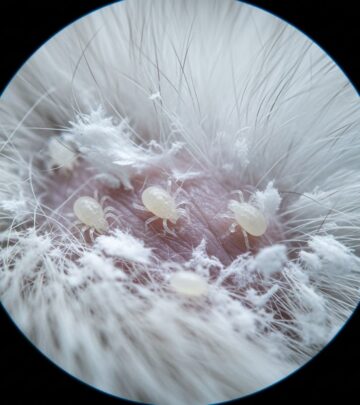
Fleas in Ferrets: Complete Guide to Prevention and Treatment
Learn how to identify, treat, and prevent flea infestations in ferrets with expert veterinary guidance.
Understanding Fleas in Ferrets
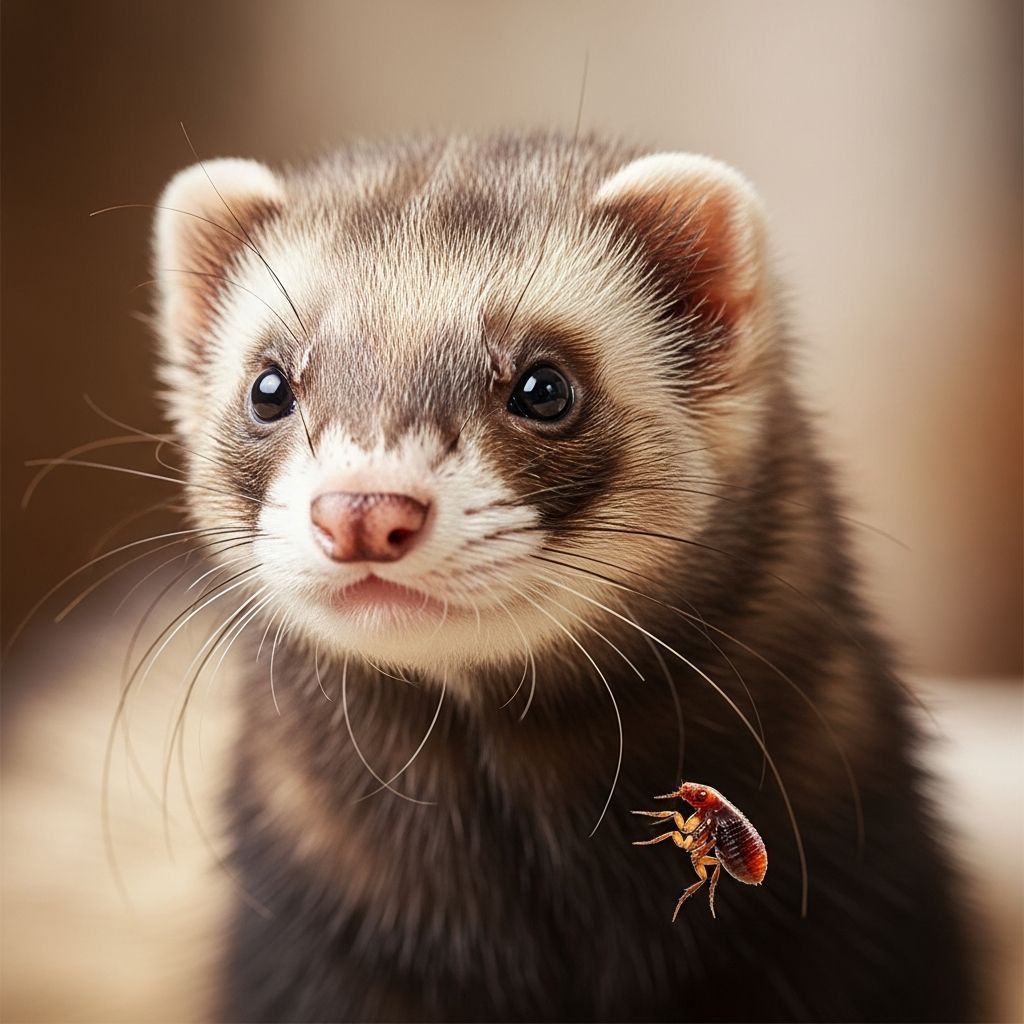
Fleas are one of the most common external parasites affecting pet ferrets, causing discomfort and potentially serious health complications if left untreated. These tiny insects not only cause itching and irritation but can also transmit diseases and lead to more severe skin conditions. Understanding the nature of flea infestations in ferrets is essential for any ferret owner looking to maintain their pet’s health and wellbeing.
Ferrets are particularly susceptible to flea infestations due to their small size and the difficulty in treating them with products designed for larger animals. What makes flea treatment in ferrets more complex is that many common flea medications used for dogs and cats can be toxic to ferrets. Therefore, specialized veterinary guidance is crucial when dealing with flea problems in these delicate pets.
Signs and Symptoms of Flea Infestation
Recognizing the signs of flea infestation in your ferret is the first step toward effective treatment. The most common indicator is persistent itching, which can range from mild to severe depending on the extent of the infestation.
Physical Indicators
If you observe your ferret scratching more frequently than usual, a flea infestation may be present. Look for these visible signs:
– Hair loss around the top of the neck and down the back, typically occurring with heavy infestations- Small red bite marks or sores on the skin- Reddened skin with hair loss particularly on the shoulders when ferrets develop flea bite sensitivity- Excessive grooming or scratching behavior- Visible fleas or flea dirt (tiny black specks) in the fur
Behavioral Changes
Beyond physical symptoms, ferrets with flea infestations may exhibit behavioral changes including restlessness, irritability, and decreased appetite. Some ferrets may become lethargic due to the discomfort caused by persistent itching and the blood loss from heavy infestations.
Complications of Flea Infestations
While fleas are primarily known for causing itching, they can lead to several serious health complications in ferrets if not properly managed.
Flea Allergy Dermatitis
Some ferrets are allergic to flea saliva, meaning they can experience a severe skin reaction to even a single flea bite. This condition, known as flea allergy dermatitis, can be extremely uncomfortable and distressing for affected ferrets. The allergic response can cause intense itching, inflammation, and secondary skin infections that require additional medical intervention.
Anemia and Weakness
Each flea takes a small blood meal when it feeds on a ferret. A large, untreated flea infestation can cause anemia (decreased red blood cell count) and weakness in ferrets. Young ferrets with heavy infestations are particularly vulnerable to becoming anemic as the cumulative blood loss from multiple flea bites adds up over time. This can lead to lethargy, reduced appetite, and overall declining health.
Secondary Bacterial Infections
Small red bite marks and sores from flea bites may occasionally develop into secondary bacterial skin infections. When ferrets scratch at flea bites excessively, they can break the skin and create entry points for bacteria. These infections can become serious and may require antibiotic treatment.
Disease Transmission
Beyond the direct effects of flea bites, fleas can transmit diseases. Bartonella, also called cat scratch disease, can be transmitted by flea feces, either through accidental ingestion or by getting into small breaks in the skin. This infection can cause a low-grade fever and swelling of the lymph nodes, symptoms often mistaken for the flu. While many cases resolve on their own, some can develop into chronic fatigue and headaches, potentially becoming debilitating.
Diagnostic Procedures
Proper diagnosis is essential before beginning treatment, as other conditions can mimic flea infestation symptoms in ferrets.
Veterinary Examination
Your veterinarian will conduct a thorough physical examination of your ferret’s fur and skin to look for evidence of fleas and other external parasites. During this examination, the vet may use a fine-toothed comb to collect samples from the ferret’s coat that can be examined under a microscope for flea presence.
Differential Diagnosis
Since itching in ferrets can result from several conditions, your veterinarian may perform additional diagnostic tests to ensure that your ferret’s pruritis (itchiness) is not due to other common diseases such as ferret adrenal gland disease or ear mites. This thorough approach ensures that the correct condition is identified and treated appropriately.
Treatment Options for Ferrets with Fleas
Treating fleas in ferrets requires careful selection of medications that are proven safe for these animals, as many standard flea treatments designed for dogs and cats can be harmful to ferrets.
Topical Anti-Parasitic Medications
Selamectin is a topical, anti-parasitic medication that is commonly recommended and effective for treating fleas in ferrets. Products containing selamectin, such as Senergy™, Advantage®, and Revolution®, appear to be safe for treating ferrets and have shown good efficacy in eliminating flea infestations. These medications are typically applied directly to the skin on the back of the ferret’s neck, where they cannot be licked off.
Comprehensive Flea Treatment
Comprehensive flea treatment with prescription products should help resolve the skin signs associated with flea infestation. Depending on the severity of the infestation and any complications that have developed, your veterinarian may recommend additional medications to keep your ferret comfortable while their skin heals.
Treatment of Secondary Infections
If your ferret has developed secondary bacterial skin infections from scratching, your veterinarian may prescribe topical or systemic antibiotics to address these infections while the flea treatment works to eliminate the parasites.
Multi-Pet Household Considerations
One of the most important aspects of flea treatment is addressing the problem in your entire household, not just your ferret.
Treating All Pets
Since fleas can affect dogs and cats, all animals in the house should be treated. If your ferret has fleas, you can be certain that any other furry pets in your home likely have them as well or are at high risk of infestation. This means treating all household pets simultaneously to prevent re-infestation cycles.
Environmental Treatment
Beyond treating individual animals, the environment must be thoroughly cleaned to remove as many adult fleas, eggs, larvae, and pupae as possible. This includes vacuuming carpets and furniture, washing bedding in hot water, and treating areas where your ferret spends the most time. All household items that have come into contact with affected ferrets should be thoroughly cleaned.
Professional Pest Control
If the flea infestation is heavy or if you have the budget available, professional pest control treatment of your home may be the most effective option. Professional exterminators have access to stronger treatments and equipment that can more effectively eliminate fleas at all life stages from your home.
Prevention Strategies
Preventing flea infestations is significantly easier and less costly than treating established infestations. Here are key prevention strategies:
Regular Veterinary Care
Regular veterinary examinations at least once a year will aid in early identification of flea infestations and proper treatment. Catching fleas early, before a heavy infestation develops, makes treatment easier and prevents complications.
Consistent Flea Prevention
Household cats and dogs should be treated with flea treatment regularly going forward to prevent future infestations. Using monthly preventative flea treatments on all pets in your home is often more cost-effective than dealing with infestations after they occur.
Environmental Maintenance
Keeping your ferret’s living environment clean, including regular washing of bedding and cleaning of living spaces, helps reduce the likelihood of flea infestations. Preventing exposure to other animals that might carry fleas is also important.
Managing Flea Infestations: Step-by-Step Approach
If you discover your ferret has fleas, follow this systematic approach:
- Contact your veterinarian immediately for a professional diagnosis and treatment plan
- Obtain prescription flea treatment specifically formulated for ferrets
- Treat your ferret according to veterinary instructions
- Treat all other pets in your household simultaneously
- Thoroughly clean your home, including vacuuming and washing all bedding
- Consider professional pest control if infestation is severe
- Schedule follow-up veterinary appointments to ensure treatment success
- Implement ongoing prevention measures to avoid future infestations
When to Seek Veterinary Care
While not all flea infestations require emergency care, certain situations warrant immediate veterinary attention. Seek professional help if your ferret shows signs of anemia (pale gums, lethargy, weakness), severe secondary skin infections, signs of disease transmission (fever, swollen lymph nodes), or if your ferret seems to be in significant distress from itching and scratching.
Frequently Asked Questions About Fleas in Ferrets
Q: Can I use dog or cat flea treatments on my ferret?
A: No. Many common flea treatments designed for dogs and cats can be toxic to ferrets. Always consult with your veterinarian before using any flea treatment on your ferret, as they can recommend products that are specifically safe and effective for ferrets.
Q: How often should my ferret receive flea treatment?
A: This depends on the specific treatment recommended by your veterinarian. Most topical treatments like selamectin are applied monthly, though your vet may adjust the frequency based on your ferret’s individual needs and your local flea situation.
Q: Can fleas be transmitted from ferrets to humans?
A: While ferret fleas may occasionally bite humans, they rarely infest human hair or cause prolonged problems. However, diseases transmitted by fleas, such as bartonella, can affect people, so prompt treatment is important for human health as well.
Q: How long does it take to eliminate a flea infestation?
A: Although an infestation can take time to eradicate completely, proper treatment usually shows significant improvement within a few weeks. Your veterinarian will help provide everything you need to get on top of fleas in both your ferret and your home.
Q: What should I do if my ferret has an allergic reaction to fleas?
A: If your ferret has flea allergy dermatitis, inform your veterinarian. Comprehensive flea treatment should resolve most symptoms, though additional medications may be needed to keep your ferret comfortable while their skin heals from the allergic reaction.
Q: Can I prevent fleas without using chemical treatments?
A: While some natural remedies exist, they are generally less reliable than veterinary-approved treatments. For ferrets especially, it’s best to use products recommended by your veterinarian, as their safety profile has been established for this species.
References
- Keep Your Ferret Flea Free — Vets4Pets. 2024. https://www.vets4pets.com/pet-health-advice/ferret-advice/fleas-and-your-ferret/
- Skin Diseases in Ferrets — VCA Animal Hospitals. 2024. https://vcahospitals.com/know-your-pet/ferrets-skin-disease
- Infectious Diseases of Ferrets — Merck Veterinary Manual. 2024. https://www.merckvetmanual.com/all-other-pets/ferrets/infectious-diseases-of-ferrets
- Fleas in Ferrets — VCA Animal Hospitals. 2024. https://vcahospitals.com/know-your-pet/fleas-in-ferrets
- Flea Control — Oklahoma State University Extension. 2024. https://extension.okstate.edu/fact-sheets/flea-control.html
- Ferret Care: How to Protect Your Ferret Against Fleas — PetMD. 2024. https://www.petmd.com/exotic/care/ferret-care-how-protect-your-ferret-against-fleas
Similar Articles







Read full bio of Sneha Tete