

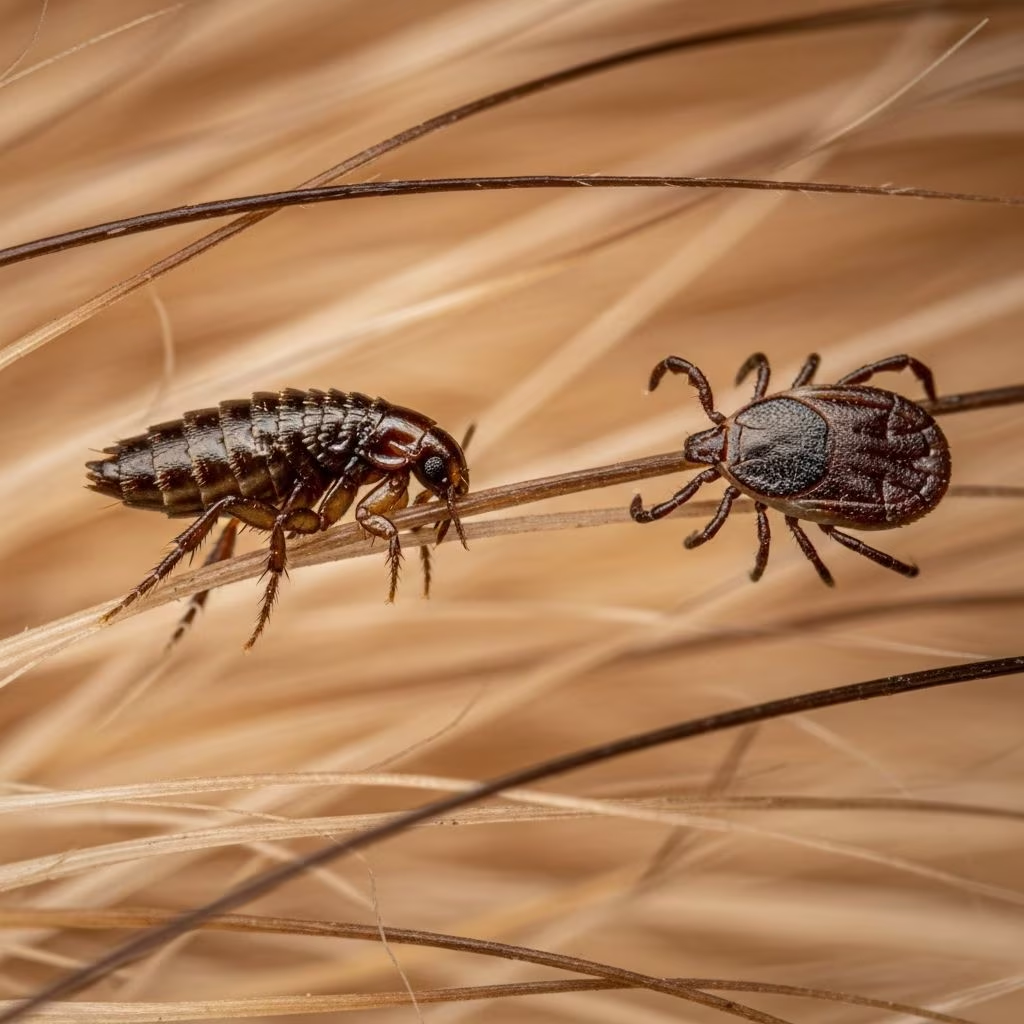
Fleas and ticks are common external parasites that affect dogs and cats, causing discomfort, skin irritation, and potentially serious diseases. These pests thrive in warm weather but can persist year-round in many regions, making consistent prevention essential for pet health.
What Are Fleas?
Fleas are small, wingless insects that feed on the blood of mammals and birds. Adult fleas live on pets, laying eggs in the environment that can lead to rapid infestations. A single flea can produce thousands of offspring, infesting homes and yards quickly. They cause itching, allergic reactions, and transmit diseases like tapeworms in pets.
Signs of Fleas on Your Pet
Detecting fleas early prevents severe issues. Common signs include:
- Excessive scratching, biting, or licking, especially around the tail base, groin, and armpits.
- Visible flea dirt: black specks that turn red when wet, indicating digested blood.
- Hair loss, red inflamed skin, or hot spots from allergic dermatitis.
- Pale gums signaling anemia in heavy infestations, particularly in kittens and puppies.
If you suspect fleas, use a flea comb to check your pet’s fur. Comb through dry fur over a white surface to spot fleas or flea dirt.
Flea Life Cycle
Understanding the flea life cycle is crucial for effective control. It includes four stages: egg, larva, pupa, and adult. Eggs fall off pets into carpets, bedding, and soil, hatching into larvae that feed on organic debris. Pupae are resilient, surviving vacuuming and treatments until triggered by warmth or vibration to emerge as adults. This cycle can complete in 2-3 weeks under ideal conditions, explaining re-infestations.
Flea Treatment
Consult your veterinarian if you suspect fleas, as all pets in the household and the environment must be treated simultaneously. A comprehensive plan includes:
- Topical or oral treatments: Veterinarian-recommended products like spot-ons (e.g., fipronil, imidacloprid) or oral meds (e.g., spinosad, lufenuron) kill adults and disrupt the life cycle.
- Shampoos, sprays, powders: For immediate relief, but less effective long-term without preventives.
- Environmental cleaning: Vacuum daily, wash bedding in hot water. For severe cases, use premise sprays or foggers—evacuate home for 4-6 hours.
- Lawn treatments: Insect growth regulators (IGRs) if pets re-infest outdoors.
Treat indoor/outdoor cats too. Never use dog products on cats, as some contain permethrin, toxic to felines.
Flea Prevention
Prevention is more effective than treatment. Key strategies:
- Monthly veterinarian-approved preventives year-round, regardless of season.
- Weekly flea combing and bedding washes.
- Keep yard free of debris: rake leaves, mow grass, remove standing water.
- Avoid wooded areas during peak flea season (spring-fall).
| Prevention Method | Pros | Cons |
|---|---|---|
| Oral Preventives | Easy to administer, systemic protection | May cause vomiting in sensitive pets |
| Topical Spot-Ons | Kills on contact, waterproof | Greasy residue, bathing restrictions |
| Collars | Long-lasting (up to 8 months) | Not for heavy infestations |
What Are Ticks?
Ticks are arachnids, not insects, that latch onto hosts to feed on blood for days. Common species include black-legged (deer) ticks, dog ticks, and brown dog ticks. They quest from grass or leaves, grabbing passing animals. Ticks transmit diseases like Lyme disease, anaplasmosis, ehrlichiosis, and in cats, cytauxzoonosis.
Signs of Ticks on Your Pet
Ticks often go unnoticed until engorged. Check pets daily after outdoor time, focusing on:
- Ears (inside/outside), head, neck, armpits, groin, between toes, tail base.
- Small bumps that feel like scabs; part fur to inspect.
- Lethargy, fever, lameness, or loss of appetite from complications.
Possible complications:
- Blood loss or anemia.
- Tick paralysis (rare, ascending weakness).
- Skin infections.
- Lyme disease: fever, joint pain, kidney issues.
- Cytauxzoonosis in cats: fatal without prompt treatment.
Tick Removal
Proper removal prevents disease transmission. Follow these steps:
- Prepare: Wear gloves. Have rubbing alcohol, tweezers, jar ready. Enlist help to restrain pet gently.
- Remove: Grasp tick close to skin with fine-tipped tweezers. Pull straight up steadily—no twisting/jerking. Avoid crushing body.
- Dispose: Submerge tick in alcohol jar for testing if needed. Clean bite with antiseptic.
- Monitor: Watch for redness, infection, or illness 2-4 weeks.
Do not use petroleum jelly, matches, or nail polish—these cause regurgitation of pathogens.
Tick Prevention
Prevent ticks with:
- Monthly preventives (many cover fleas/ticks).
- Tick collars or sprays for added protection.
- Yard maintenance: mow lawn short (<3 inches), remove leaf litter, weeds; create gravel/woodchip barriers.
- After hikes, check/tuck pant legs; avoid brushy areas.
- Vaccines for Lyme in high-risk dogs (consult vet).
Environmental Control for Fleas and Ticks
Pets aren’t the only hosts—treat the home/yard:
- Indoors: Vacuum daily (dispose bag), steam clean carpets. Use IGR sprays safe for pets.
- Outdoors: Nematodes (beneficial worms) eat flea larvae; apply beneficial nematodes in shaded moist areas.
- Seal cracks, fix leaks to deter rodents (tick hosts).
Flea foggers: Follow labels, remove pets/food, ventilate post-use.
Products for Pets: Safety First
Choose EPA/FDA-approved products. Consult vets for age, weight, health-specific recommendations. Watch for reactions: drooling, tremors—call vet or ASPCA Poison Control (888-426-4435). Rotate products sparingly to avoid resistance.
Frequently Asked Questions (FAQs)
Can indoor pets get fleas or ticks?
Yes, fleas enter via shoes/clothes; ticks via open doors. Year-round preventives are advised.
Are flea/tick products safe for puppies/kittens?
Age-specific products exist (e.g., 8 weeks+). Always vet-approved.
How often should I check for ticks?
Daily in tick season, especially after outdoors.
What if my pet reacts to flea/tick meds?
Bathe immediately, contact vet or ASPCA APCC at (888) 426-4435.
Do natural remedies work?
Limited efficacy; essential oils can be toxic. Stick to vet products.
Year-Round Protection Tips
Fleas/ticks aren’t seasonal everywhere. In warm climates, infestations occur anytime. Maintain preventives 12 months, groom regularly, and schedule vet check-ups. Early intervention saves health and money—infestations cost thousands in vet bills/treatments.
By integrating prevention, vigilant checks, and prompt treatment, you safeguard your pet’s well-being against these persistent parasites.
References
- Fleas and Ticks — ASPCA. 2023. https://www.aspca.org/pet-care/general-pet-care/fleas-and-ticks
- Keep Your Pets Safe from Fleas and Ticks — ASPCA. 2023. https://www.aspca.org/news/keep-your-pets-safe-fleas-and-ticks
- Your Guide to Preparing for Flea and Tick Season — ASPCA. 2023. https://www.aspca.org/news/your-guide-preparing-flea-and-tick-season
- Flea and Tick Prevention for Dogs — San Francisco SPCA. 2024-01-14. https://www.sfspca.org/blog/flea-and-tick-prevention-dogs/
- Using Flea Medications Safely: Top 5 Tips for Pet Parents — ASPCA. 2023. https://www.aspca.org/news/using-flea-medications-safely-top-5-tips-pet-parents
- General Pet Care — ASPCA. 2025. https://www.aspca.org/pet-care/general-pet-care



