

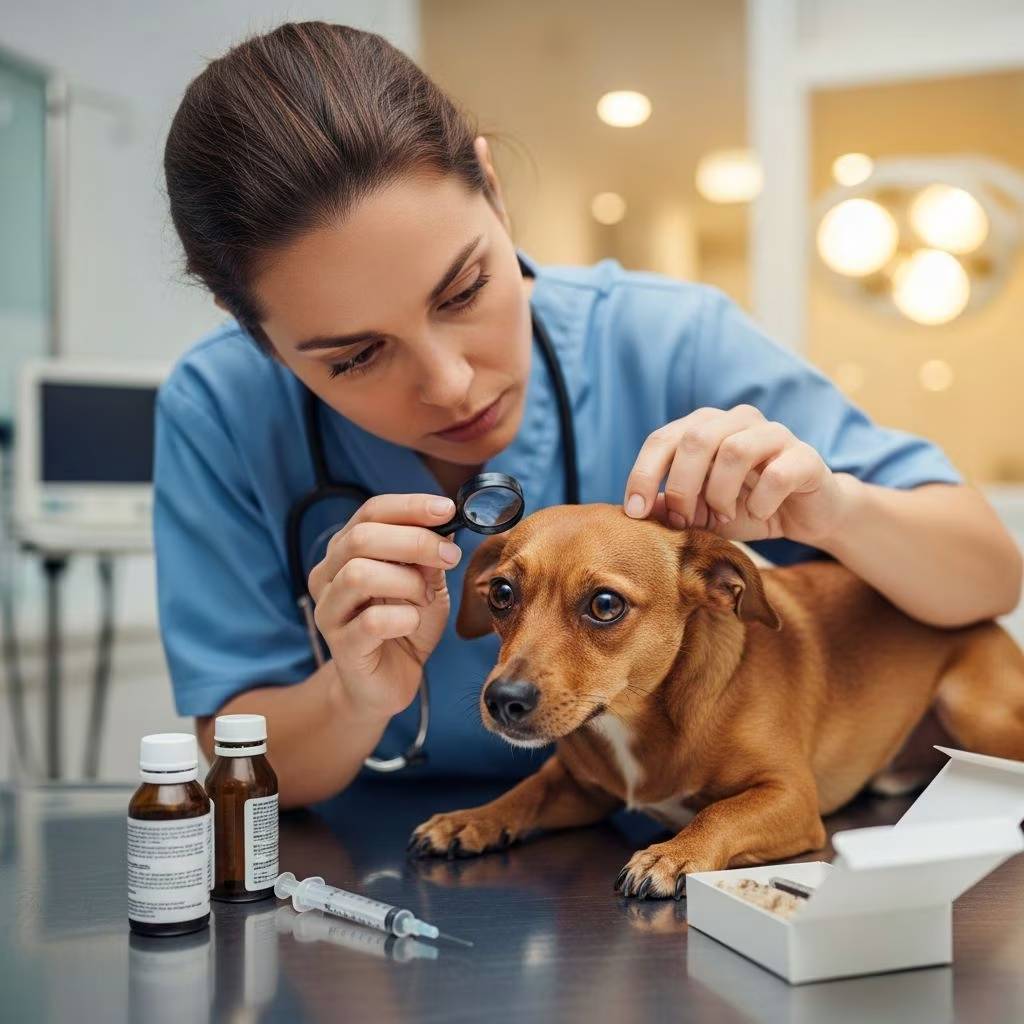
Flea and tick prevention products have become essential tools for pet owners seeking to protect their animals from parasitic infestations. However, as these treatments have grown increasingly popular, veterinarians and pet owners alike have documented a rising number of adverse reactions that warrant careful consideration. Understanding the potential risks associated with these medications enables informed decision-making about your pet’s health and safety.
The Evolution of Flea Prevention Medications
Modern flea and tick treatments represent significant advancements in parasite control, offering convenient application methods and extended protection periods. These medications fall into several categories, each utilizing different active ingredients and delivery mechanisms. The most commonly prescribed treatments today include topical spot-on products and systemic medications designed to circulate throughout an animal’s body.
Among the newer generation of treatments, isoxazoline-based products have gained substantial market share due to their effectiveness and ease of administration. These medications work by targeting the nervous systems of parasites, causing paralysis and death. However, the very mechanism that makes them effective against parasites has raised concerns about potential effects on treated animals.
Common Active Ingredients and Their Functions
Understanding how different flea treatments work provides important context for recognizing potential adverse reactions. The primary active ingredients found in contemporary flea prevention products include permethrin, fipronil, fluralaner, and other chemical compounds designed to target parasite nervous systems.
Permethrin-Based Treatments: This ingredient, discovered in 1973, disrupts the nervous systems of fleas and ticks by causing continuous nerve stimulation until the parasites can no longer function. When applied topically, permethrin is absorbed by parasites either through their outer protective layer or when they feed on treated animals. Dogs generally tolerate permethrin reasonably well, though cats demonstrate extreme sensitivity to this ingredient.
Fluralaner and Isoxazoline Products: These compounds work through a different mechanism, blocking specific nervous system receptors in parasites rather than overstimulating them. Products containing fluralaner distribute throughout the animal’s body after administration, either orally or topically. When parasites bite a treated animal and ingest the medication, they experience paralysis and death.
Recognizing Adverse Reactions: What Pet Owners Should Know
Adverse reactions to flea and tick treatments vary considerably in severity, timing, and presentation. Some reactions manifest immediately following application or administration, while others may develop gradually over days, weeks, or even months. Additionally, some pets only experience symptoms after receiving multiple doses of the medication.
Neurological Side Effects
Among the most concerning potential reactions are neurological symptoms. The FDA has issued warnings regarding isoxazoline products’ association with neurological adverse events in some dogs and cats. These reactions can include:
- Muscle tremors ranging from subtle to severe
- Seizures that may be difficult to control
- Ataxia, characterized by loss of coordination and unstable gait
- Disorientation and confusion
- Abnormal vocalizations
- Behavioral changes including aggression or personality shifts
- Sensitivity to touch or sound
In veterinary practice, these neurological manifestations have proven particularly troubling because they can persist long after the medication has been administered. Some animals experience complete recovery, while others develop chronic conditions requiring lifelong management.
Skin and Gastrointestinal Reactions
Localized skin reactions remain among the most commonly reported adverse effects. These include:
- Redness and irritation at application sites
- Itching and scratching beyond normal levels
- Hair loss surrounding the treated area
- Development of skin sores or scabs
- Dry eye conditions
Gastrointestinal disturbances occur when pets ingest portions of topically applied medications, particularly by licking the treatment site. Common symptoms include vomiting, diarrhea, excessive drooling, reduced appetite, and lethargy.
Systemic and Organ-Related Effects
While less commonly reported, more serious complications have been documented in veterinary literature and pet owner surveys. These include liver failure, kidney dysfunction, clotting disorders, internal hemorrhage, and urinary or fecal incontinence. Such severe reactions require immediate emergency veterinary intervention.
Which Pets Face Greater Risk?
Research indicates that adverse reactions affect animals in unpredictable ways, though certain populations demonstrate heightened vulnerability. Pets at elevated risk include:
- Small dog breeds and cats, which metabolize medications differently than larger animals
- Elderly pets whose organ systems may be compromised
- Young animals whose developing systems are still maturing
- Animals with pre-existing neurological conditions
- Immunocompromised pets with weakened immune function
- Animals carrying the MDR1 genetic mutation, which affects drug metabolism
- Pets with chronic diseases affecting liver or kidney function
Cats warrant special mention due to their documented heightened sensitivity to certain flea treatments, particularly those containing permethrin. Even incidental contact with treated dogs can cause serious poisoning in cats, resulting in symptoms including tremors, excessive drooling, and potentially death.
Severity Spectrum: From Mild to Life-Threatening
Mild Reactions
Many adverse reactions prove self-limiting and resolve without veterinary intervention. These mild responses include slight drooling, minor skin irritation at application sites, temporary lethargy that improves within hours, minor itching, head shaking, or mild paw licking. Pet owners can monitor these symptoms at home while maintaining contact with their veterinarian.
Moderate Reactions
More pronounced reactions warrant veterinary consultation and may require monitoring or intervention. These include persistent skin irritation with significant hair loss, continued gastrointestinal upset lasting beyond initial hours, tremors or twitching that don’t resolve quickly, and behavioral changes that concern pet owners.
Severe and Life-Threatening Reactions
Certain symptoms demand immediate emergency veterinary care. These critical signs include uncontrollable seizures, severe tremors affecting mobility, difficulty breathing, collapse or loss of consciousness, severe vomiting or diarrhea, inability to control bodily functions, and sudden behavioral aggression.
Timeline of Symptom Onset
Understanding when reactions typically appear helps pet owners monitor their animals appropriately. Toxicity symptoms associated with flea and tick preventatives can develop within 15 minutes to several hours following application or ingestion. However, some pets experience delayed reactions developing days, weeks, or months after treatment. This delayed onset complicates the process of connecting symptoms to medication exposure, particularly when multiple doses have been administered over time.
Long-Term Health Implications
Perhaps most concerning to pet owners is the potential for permanent damage from flea treatment reactions. While some animals experience complete recovery after adverse events, others develop chronic conditions requiring lifelong management. Pets may suffer from persistent seizure disorders, ongoing neurological symptoms, behavioral changes that don’t resolve, or organ damage from severe reactions.
Research suggests that repeated exposure to certain flea prevention chemicals may lead to accumulation within the body, potentially contributing to immune system suppression, liver damage, or other long-term health consequences, though manufacturers maintain their products are safe when used as directed.
Responding to Suspected Adverse Reactions
Immediate Steps
If your pet displays symptoms suggesting an adverse reaction to flea treatment, take the following actions:
- Stop further applications of the product immediately
- Remove any remaining topical treatment from the skin if possible by gentle bathing
- Contact your veterinarian with a detailed description of symptoms
- For severe or life-threatening symptoms, seek emergency veterinary care immediately
- Reach out to poison control services if directed by your veterinarian
Information to Provide Your Veterinarian
When reporting suspected reactions, provide specific details including the product name and active ingredient, application date and time, exact amount applied, your pet’s weight and age, any pre-existing health conditions, a timeline of symptom development, and a thorough description of all observed symptoms.
Prevention and Safer Alternatives
Pet owners concerned about pharmaceutical flea treatments have several options for reducing risk. These include consulting with veterinarians about alternative flea prevention methods, discussing breed-specific or age-appropriate treatments, exploring non-chemical prevention strategies such as environmental controls and regular grooming, and selecting products with longer safety track records if isoxazoline treatments are chosen.
Some veterinarians recommend using traditional treatments with extended safety data rather than newer pharmaceutical options, particularly for pets in high-risk categories. Others suggest rotating between different treatment classes to minimize accumulation risks.
Regulatory Oversight and Safety Monitoring
The FDA maintains ongoing surveillance of flea and tick prevention products, issuing warnings and fact sheets when safety concerns emerge. While the agency considers isoxazoline products safe and effective when used as directed, these warnings alert pet owners and veterinarians to potential risks requiring consideration during product selection. This regulatory balance reflects the challenge of approving products that provide significant benefits while acknowledging documented risks for some animals.
Making Informed Decisions About Flea Prevention
Choosing appropriate flea prevention involves weighing the benefits of parasite control against potential medication risks. Consultation with your veterinarian should inform this decision, particularly if your pet falls into a higher-risk category. Factors to discuss include your pet’s individual health status, breed predispositions, geographic risk factors for parasites, and available alternatives that might suit your situation.
Documentation of any adverse reactions, either observed personally or reported by other pet owners, strengthens the overall safety database for these medications. Reporting suspected adverse events to veterinary authorities contributes to ongoing safety monitoring and helps identify patterns that might warrant additional warnings or regulatory action.
Frequently Asked Questions
How quickly should I seek veterinary help after noticing adverse reaction symptoms?
Mild symptoms like slight drooling can be monitored with veterinary phone consultation, but any neurological symptoms, breathing difficulties, or severe reactions warrant emergency veterinary care. When in doubt, contacting your veterinarian immediately is always the safer choice.
Can my pet recover from flea treatment reactions?
Recovery depends on reaction severity and timeliness of treatment. Mild reactions usually resolve within days, but severe reactions may cause permanent damage. With prompt veterinary intervention, the prognosis for mild to moderate reactions is generally good.
Should I never use flea treatments again if my pet had a reaction?
Not necessarily. Different product formulations and classes may be tolerated better by your pet. Discuss alternative options with your veterinarian, who can recommend different active ingredients or delivery methods that might be safer for your specific animal.
Are all flea treatments equally risky?
Different products carry different risk profiles. Established treatments have longer safety histories, while newer formulations may have less documented experience. Your veterinarian can discuss the risk-benefit profile of specific products for your pet’s situation.
Conclusion
Flea and tick prevention represents an important aspect of pet health care, protecting animals from parasitic diseases and the complications they cause. However, recognizing that some pets experience adverse reactions to these treatments enables pet owners to make informed choices about their animals’ care. By understanding potential risks, identifying vulnerable pets, and monitoring for adverse symptoms, you can work with your veterinarian to implement flea prevention strategies that balance parasite protection with medication safety. Maintaining open communication with your veterinary team and promptly reporting any concerning symptoms ensures that your pet receives appropriate care should complications arise.
References
- Side Effects from Common Flea and Tick Products — Dr. Judy Morgan. Accessed February 17, 2026. https://drjudymorgan.com/blogs/blog/side-effects-from-common-flea-and-tick-products
- Dermatology 101: Spot-on Flea and Tick Products and Potential Adverse Reactions — Bethel Pet Hospital. Accessed February 17, 2026. https://www.bethelpethospital.com/blog/dermatology-101-spot-on-flea-and-tick-products-and-potential-adverse-reactions
- Flea and Tick Products and Their Risks — The Dog Nutritionist. Accessed February 17, 2026. https://www.thedognutritionist.com/blogs/blog/flea-and-tick-products-and-their-risks
- Flea and Tick Medicine Poisoning in Dogs — PetMD. Accessed February 17, 2026. https://www.petmd.com/dog/poisons/flea-and-tick-medicine-poisoning-in-dogs
- A survey for small animal veterinarians regarding flea and tick control pesticide products — PubMed Central. Accessed February 17, 2026. https://pmc.ncbi.nlm.nih.gov/articles/PMC3174502/
- Fact Sheet for Pet Owners and Veterinarians about Potential Adverse Events Associated with Isoxazoline Flea and Tick Products — FDA. Accessed February 17, 2026. https://www.fda.gov/animal-veterinary/animal-health-literacy/fact-sheet-pet-owners-and-veterinarians-about-potential-adverse-events-associated-isoxazoline-flea
- Dog Poisoning from Flea Medicine: Emergency Signs & How to Act — Global School of Veterinary Studies. Accessed February 17, 2026. https://gsvs.org/blog/dog-poisoning-flea-medicine-emergency-signs/
- Safe use of flea and tick preventive products — American Veterinary Medical Association. Accessed February 17, 2026. https://www.avma.org/resources-tools/pet-owners/petcare/safe-use-flea-and-tick-preventive-products



