

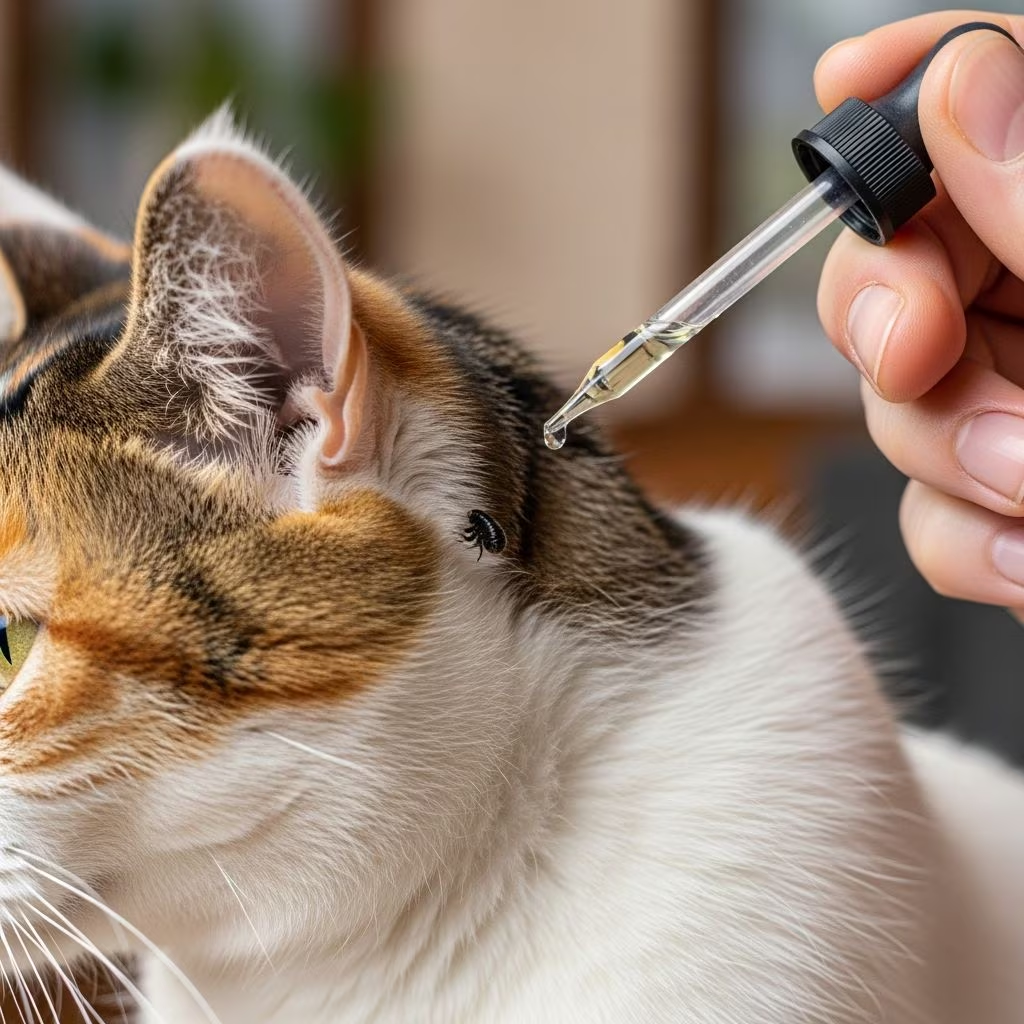
Fleas are a common external parasite affecting cats, capable of causing itching, allergies, anemia, and transmitting diseases. Effective flea treatment involves treating the cat, the home environment, and preventing reinfestation through vet-recommended products.
What Are Fleas and Why Do They Matter for Cats?
Fleas, primarily Ctenocephalides felis, are small, wingless insects that feed on cat blood. A single flea can lay up to 50 eggs daily, leading to rapid infestations. In cats, fleas cause pruritus (itching), flea allergy dermatitis (FAD), hair loss, and in severe cases, flea anemia especially in kittens. They can also transmit tapeworms and bacteria like Bartonella (cat scratch disease).
Symptoms include excessive scratching, red skin, black flea dirt (digested blood), and visible jumping insects. Early detection prevents complications; vets diagnose via flea combing or skin scrapings.
Types of Flea Treatments for Cats
Flea treatments fall into categories: topical spot-ons, oral medications, collars, shampoos, and environmental controls. Modern products like isoxazolines (fluralaner, sarolaner) and macrocyclic lactones (selamectin, moxidectin) offer broad-spectrum protection against fleas, ticks, worms, and mites.
Topical Spot-On Treatments
These liquid applications are placed on the skin at the base of the skull monthly. They spread via the cat’s oils, killing fleas on contact or ingestion.
- Revolution Plus (selamectin + sarolaner): Prevents heartworm, fleas, ticks, mites, lice, intestinal worms. Kills fleas and eggs; effective for ear mites in kittens. Monthly topical; safe from 8 weeks.
- Bravecto Plus (fluralaner + moxidectin): 3-month flea/tick control, heartworm prevention, ear mites, worms. Spot-on; takes 48 hours for ticks.
- Bravecto (fluralaner): 3 months fleas, ticks, ear mites. For cats over 9 weeks, 1.2kg.
- Advantage (imidacloprid): Fleas only; monthly, safe in pregnancy. Bathable after 48 hours.
- Frontline (fipronil): Fleas, ticks (every 2 weeks in high-risk areas). Water-fast after 48 hours; from 8 weeks.
- Profender: Spot-on for intestinal worms and lungworm.
Studies show fluralaner spot-ons achieve >99% flea reduction for 12 weeks, outperforming fipronil.
Oral Treatments
Tablets or chewables are ingested, distributing systemically. Ideal for cats hating topicals.
- Milbemax/Milpro (milbemycin + praziquantel): Worms primarily; monthly for heartworm. Hide in food; safe in pregnancy.
- Lotilaner (oral isoxazoline): 100% flea kill within 24 hours; >97% for 35 days.
Oral isoxazolines like lotilaner kill fleas rapidly via blood ingestion.
Flea Collars
Long-lasting insecticide-impregnated collars.
- Seresto (imidacloprid + flumethrin): 8 months fleas/ticks. Economical for multi-cat homes; from 10 weeks. May irritate skin.
Other Options: Shampoos and Sprays
Insecticidal shampoos provide short-term relief but don’t prevent reinfestation. Use for initial knockdown before preventatives. Avoid over-bathing to preserve spot-on efficacy.
How to Choose the Right Flea Treatment
Consult a vet for tailored advice based on age, weight, health, lifestyle (indoor/outdoor), and regional parasites. Broad-spectrum products like Revolution Plus cover fleas, ticks, worms. Consider duration: monthly vs. 3-monthly. Environmentally, systemic treatments (orals, some spot-ons) reduce residue vs. traditional topicals.
| Product | Duration | Protects Against | Age Min. | Safe in Pregnancy? |
|---|---|---|---|---|
| Revolution Plus | 1 month | Fleas, ticks, worms, mites | 8 weeks | Not tested |
| Bravecto Plus | 3 months fleas | Fleas, ticks, heartworm, mites | 9 weeks | Not established |
| Seresto Collar | 8 months | Fleas, ticks | 10 weeks | Not established |
| Advantage | 1 month | Fleas | Weaning | Yes |
| Milbemax | Per dose | Worms (heartworm monthly) | All ages | Yes |
Data adapted from veterinary comparisons.
Are Flea Treatments Safe for Cats?
Vet-prescribed products are safe when used as directed. Risks include:
- Neurologic side effects: Rare with isoxazolines (tremors, seizures in susceptible cats). FDA monitors; benefits outweigh risks for most.
- Application errors: Licking causes drooling (bitter taste). Part fur dry skin; prevent grooming 30 min post-application.
- Kittens/pregnant cats: Age/weight restrictions; Advantage, Milbemax safer.
- Overdose: Weigh accurately; multi-cat households use individually sized doses.
Studies confirm high safety: selamectin + sarolaner >99% effective with minimal adverse events.
Treating the Environment: Indoors and Outdoors
90% of fleas are in the environment (eggs/larvae/pupae). Vacuum daily, wash bedding in hot water. Use insect growth regulators (IGRs) like methoprene/lufenuron sprays or foggers sparingly—sprays better reach cracks.
- Indoors: Treat carpets, furniture; IGRs prevent maturation.
- Outdoors: Yard sprays if outdoor access; focus on shaded areas.
- Timing: Continue 1-2 months post-pet treatment to break cycle.
Preventing Flea Reinfestation Year-Round
Year-round prevention essential, even indoors—fleas survive via diapause. Monthly dosing; rotate products only under vet guidance to avoid resistance. Multi-pet homes: Treat all simultaneously.
Integrated pest management: Regular vet checks, grooming, environmental hygiene.
Frequently Asked Questions (FAQs)
What is the best flea treatment for cats?
The best depends on needs; Revolution Plus or Bravecto Plus for broad protection. Consult vet.
How often should I treat my cat for fleas?
Monthly for most spot-ons; 3-monthly for Bravecto. Consistent year-round.
Can I use dog flea products on cats?
No—toxic, especially permethrins cause seizures/death.
How do I know if my cat has fleas?
Check for itching, flea dirt, live fleas with comb. Comb over white paper; dirt turns red in water.
Are natural flea remedies safe and effective?
Limited efficacy; essential oils toxic. Stick to vet products.
Do indoor cats need flea prevention?
Yes—eggs hitchhike indoors via shoes/clothes.
Conclusion: Protect Your Cat from Fleas
Proactive flea control keeps cats healthy. Partner with your vet for safe, effective protocols combining pet treatment and environmental control. Early intervention prevents suffering and costly vet bills.
References
- Cat Flea, Worm & Tick Treatment Comparison — Walkerville Vet. 2023. https://www.walkervillevet.com.au/pet-care-advice/cats/flea-and-worm-protection-for-cats/
- Recent Advancements in the Control of Cat Fleas — PMC (NIH). 2020-10-15. https://pmc.ncbi.nlm.nih.gov/articles/PMC7600267/
- The Flea-Infested Pet: Overview of Current Products — Today’s Veterinary Practice. 2023. https://todaysveterinarypractice.com/parasitology/practical-parasitologythe-flea-infested-pet-overview-current-products/
- Fleas and Flea Control in Cats — International Cat Care. 2024. https://icatcare.org/articles/fleas-and-flea-control-in-cats



