

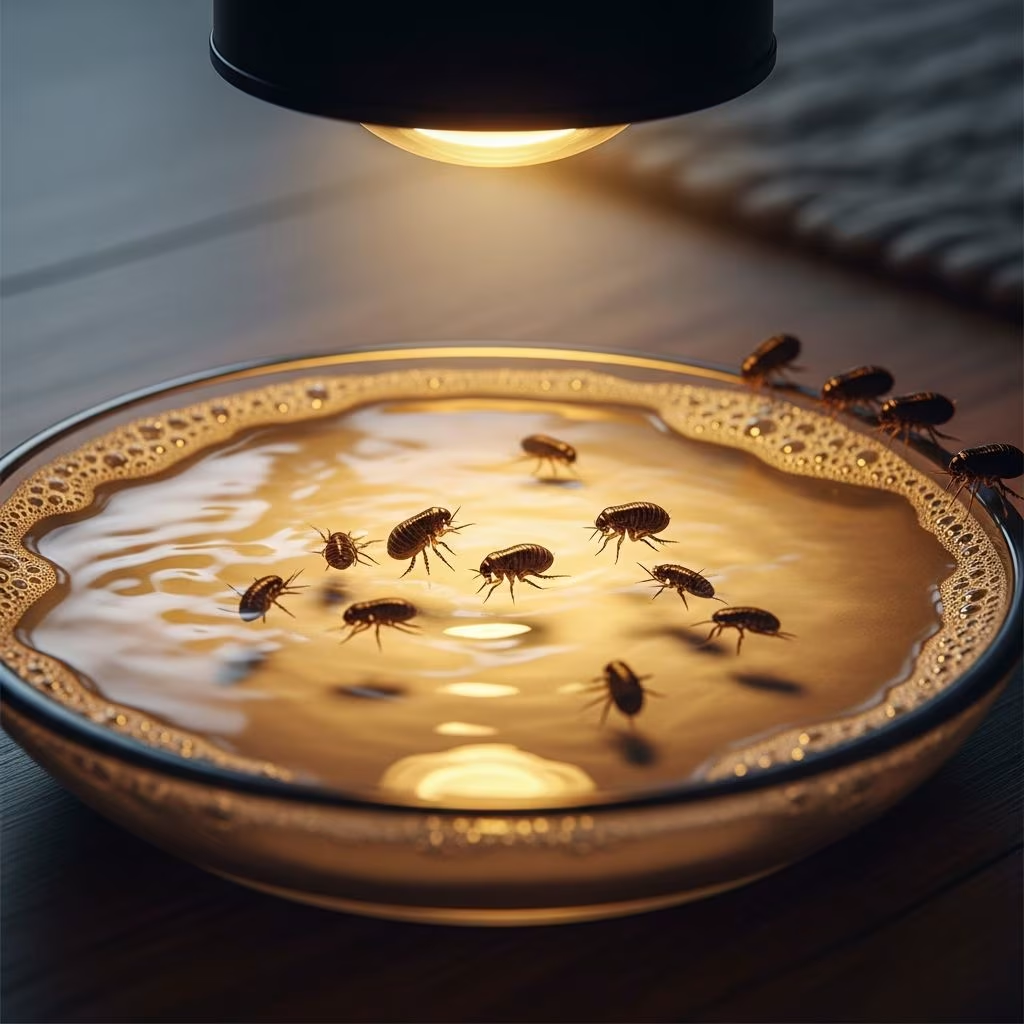
Flea traps offer a non-chemical method to capture adult fleas, primarily using light, heat, and sticky surfaces to mimic host cues, proving most effective for monitoring infestations rather than complete eradication.
The Science of Flea Attraction
Fleas, especially the cat flea Ctenocephalides felis, are drawn to specific stimuli like warmth, light, and movement that signal a potential host. Adult fleas emerge from pupae primed to seek these cues for their first blood meal, making traps that replicate them particularly appealing. Laboratory studies demonstrate that intermittent light outperforms continuous illumination, with one trap capturing up to 23 times more fleas than competitors using steady light. Green light filters further boost efficiency by aligning with fleas’ visual preferences, while added heat shows minimal impact.
In field settings, passive traps like modified Kilonzo designs with flashlights rival kerosene lamps in collecting C. felis, though active methods such as flannel drags or sock sweeps often outperform them in labs due to simulated host movement. This highlights how environmental factors influence trap success: static lab arenas limit flea stimulation, whereas real homes provide air currents and activity that enhance passive capture.
Comparing Trap Designs and Methods
Commercial traps typically feature a light source over a sticky pad, sometimes with heat. Here’s a breakdown of key types based on research:
| Trap Type | Attractant | Strengths | Lab Efficacy (C. felis) | Field Notes |
|---|---|---|---|---|
| Intermittent Light Trap (e.g., My Flea Trap) | Flashing light, optional green filter | High capture rate; superior to continuous light | Up to 23x more than others | Effective in urban/rural homes |
| Continuous Light Trap | Steady bulb | Simple, affordable | Lower yields | Basic monitoring |
| Kilonzo Trap (Flashlight) | LED or bulb, container design | Passive collection | Less than active methods | Comparable to kerosene; good for C. felis |
| Active Collection (Socks/Flannel) | Movement simulation | Targets host-seekers | Significantly higher | Best for sampling, not control |
These comparisons reveal intermittent light as a standout for passive home use, while active techniques excel in precise sampling. Purdue University data post-treatment showed traps detecting a 92.5% flea drop, underscoring their monitoring prowess.
Real-World Performance in Homes
In urban and rural households, traps like those with intermittent light consistently outperform continuous models, capturing far more fleas without chemicals—ideal for pet owners wary of sprays. Place them in high-traffic areas like living rooms or pet bedding zones, where emerging adults quest for hosts. Users report visible sticky pads providing motivation, confirming activity and treatment progress.
However, efficacy wanes in large spaces; multiple units are often needed for coverage. Field trials in Uganda’s mud huts showed Kilonzo traps with flashlights collecting C. felis effectively, even post-swabbing, proving they target questing fleas without depleting populations significantly. Unlike myths, traps don’t lure fleas from outdoors—their short-range signals (a few feet) only snag locals.
- Safe for families: No pesticides, suitable for kids’ rooms.
- 24/7 operation: Silent, continuous monitoring.
- Cost-effective intel: Guides targeted cleaning.
Limitations and Why Traps Aren’t Enough
Traps excel at adults but ignore eggs, larvae, and pupae—95% of infestations. They reduce visible adults but won’t halt reproduction without addressing the full lifecycle. Active lab methods outpace passives for C. felis, suggesting traps miss stimulated fleas. For comprehensive control:
- Treat pets with vet-approved products.
- Vacuum daily to disrupt cocoons.
- Wash bedding in hot water.
- Consider professional intervention for severe cases.
Integrate traps to track progress: declining catches signal success. Avoid unproven aids like ultrasonic devices, lacking evidence.
Optimizing Your Flea Trap Strategy
Maximize results by selecting green-filtered, intermittent-light models. Position near pet areas, at night when fleas peak. Replace sticky pads weekly. Combine with IGRs (insect growth regulators) targeting juveniles. In wildlife-prone areas, yard treatments prevent reintroduction.
DIY tips:
- Illuminate with green LED for 20-30% gains.
- Elevate slightly to mimic resting hosts.
- Monitor weekly; zero catches after 2 weeks may indicate clearance.
Common Myths Debunked
| Myth | Fact | Evidence |
|---|---|---|
| Traps attract fleas from outside | Short-range only; captures locals | Range limited to feet |
| Traps kill all fleas | Adults only; ignores lifecycle | 92.5% drop post-treatment, not solo |
| Any light works equally | Intermittent/green best | 23x superiority |
Flea Lifecycle and Trap Timing
Understanding fleas’ 3-week-to-months cycle is key. Eggs hatch in 2-14 days, larvae feed 5-15 days, pupae wait 5-14 days (or longer dormant). Traps target post-pupation adults, most active weeks 4-8 into infestation. Continuous use over months ensures overlap.
Alternatives and Complementary Methods
Beyond traps:
- Topicals/Oral meds: Prevent pet infestations.
- IGR sprays: Halt development indoors.
- Professional heat treatments: Kill all stages.
For monitoring, traps provide data no spray can match.
FAQs
How long until traps show results?
1-2 weeks for noticeable adults; full lifecycle may take months.
Are flea traps safe for pets?
Yes, chemical-free; keep away from chewing.
Do they work on all fleas?
Best for C. felis; variable on others like X. cheopis.
What’s the best location?
Pet hangouts, carpeted rooms.
Can I make my own trap?
Yes: bulb over soapy water or sticky surface; add green filter for boost.
References
- Understanding attraction stimuli of the cat flea, Ctenocephalides felis — PubMed. 2011-07. https://pubmed.ncbi.nlm.nih.gov/21787369/
- Evaluation and Modification of Off-Host Flea Collection Techniques — Journal of Medical Entomology, Oxford Academic. 2012-01. https://academic.oup.com/jme/article/49/1/210/863518
- Do Flea Traps Work? A Guide for Santa Cruz County Homes — West Pest Control (citing Purdue University). 2023. https://westpestco.com/do-flea-traps-work/
- Control Fleas on Your Pet, in Your House, and in Your Yard — Mississippi State University Extension. 2022. https://extension.msstate.edu/publications/control-fleas-your-pet-your-house-and-your-yard
- Flea Control and Prevention — University of Kentucky Entomology. 2024. https://entomology.mgcafe.uky.edu/ef602
- Flea Control Guidelines — Grover.org (local health dept). 2020. https://www.grover.org/DocumentCenter/View/5403



