
Flea and Tick Prevention and Treatment for Cats
Complete guide to protecting your cat from fleas and ticks year-round.
Why Is Flea and Tick Treatment and Prevention Important for Cats?
Flea and tick infestations represent two of the most prevalent health challenges affecting pets and their owners today. These parasites pose significant risks beyond mere discomfort, potentially transmitting diseases and causing allergic reactions in cats. Implementing a comprehensive flea and tick prevention strategy is therefore an essential component of responsible pet care.
The consequences of untreated infestations extend far beyond visible irritation. Fleas can transmit tapeworms and other serious illnesses, while ticks may carry Lyme disease and other pathogens harmful to felines. By utilizing a monthly flea and tick preventative medication, cat owners can ensure their beloved companions remain healthy, comfortable, and free from parasitic infections throughout the year.
The best approach to managing these parasites is prevention rather than treatment. By establishing a consistent preventative regimen, pet parents can eliminate the need for more aggressive intervention and reduce the likelihood of disease transmission entirely.
Choosing a Flea and Tick Treatment and Prevention Medication
With numerous combination preventatives available on the market, selecting the most appropriate product for your feline friend can feel overwhelming. The key to making an informed decision lies in consulting with your veterinarian and carefully evaluating several critical factors specific to your cat’s individual needs and lifestyle.
Application Method
The most common flea and tick treatments for cats are administered through two primary methods: oral medications in the form of chewable tablets, or topical liquids applied directly to the skin.
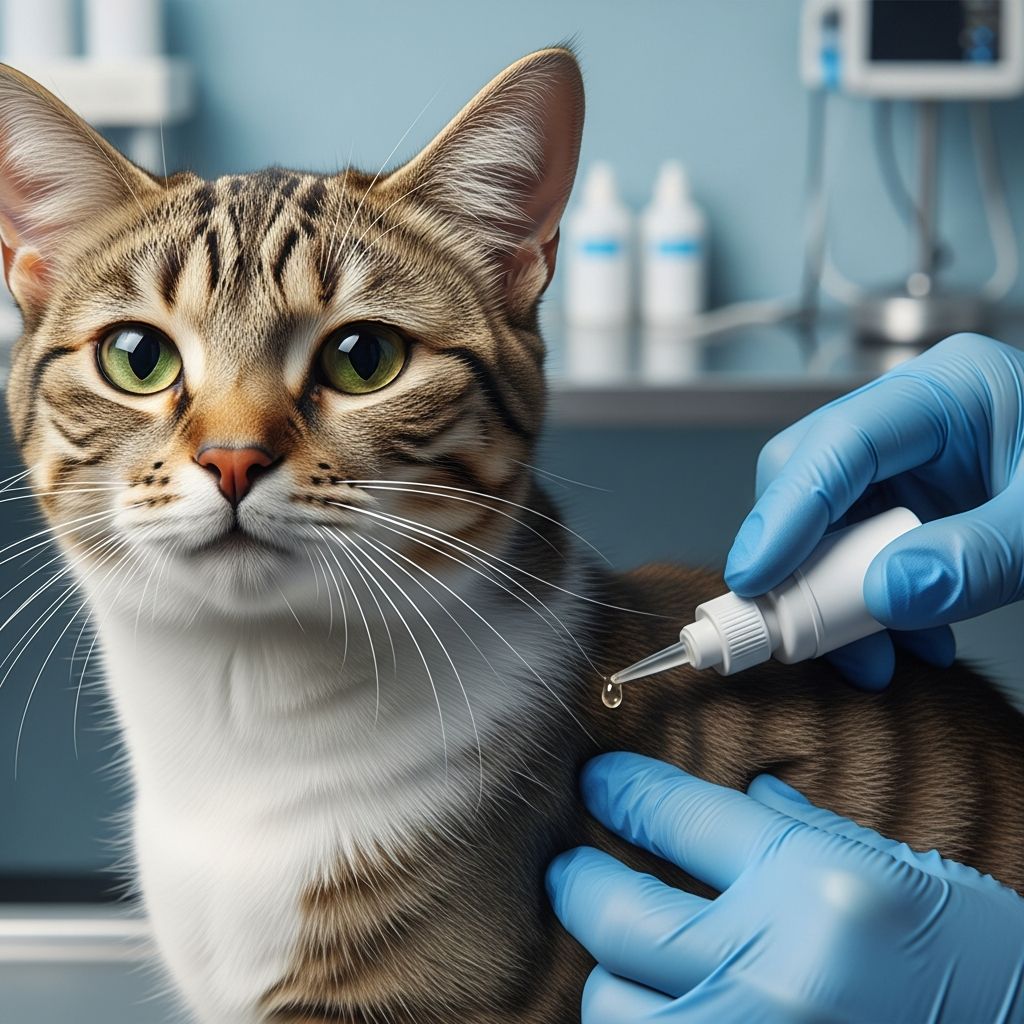
Topical Flea and Tick Products: Spot-on treatments are applied between the shoulder blades or down the back of the neck. While convenient for some households, topical products present certain considerations. They may not be ideal for homes with small children or other animals that might touch or lick the treated area before it fully dries. Additionally, topical treatments can sometimes cause a medicinal odor, transient itching, irritation, or even temporary hair loss at the application site. The effectiveness of topical treatments may also be compromised by frequent bathing or variations in your cat’s skin and coat condition.
Oral Flea and Tick Products: Chewable tablets and pills offer an alternative administration method. The primary challenge with oral treatments is ensuring your cat consumes the entire dose, which requires careful observation, particularly if your cat is resistant to the tablet’s taste. If your cat vomits after taking an oral preventative, contact your veterinarian or the medication manufacturer immediately for guidance on re-dosing and to report any potential adverse reactions. Administering oral preventatives with food may help reduce gastrointestinal upset and improve medication absorption.
Access to Outdoors
A cat’s lifestyle significantly impacts parasite exposure risk. Cats with outdoor access face substantially higher risks of encountering fleas and ticks, especially in wooded areas, thick vegetation, or untreated yards. For these outdoor or indoor-outdoor cats, consistent flea and tick prevention is particularly crucial to minimize infestation risks.
However, even strictly indoor cats remain vulnerable to flea and tick exposure. Parasites can be inadvertently brought into homes on clothing, shoes, or through contact with other animals. Therefore, indoor cats also require year-round prevention as a protective measure.
Additional Health Considerations
Before selecting a flea and tick preventative, evaluate your cat’s current health status and medical history. Avoid using these medications if your cat:
- Has previously experienced an allergic reaction to the specific drug or its components
- Is currently sick or significantly underweight
- Is pregnant, nursing, or intended for breeding purposes
Regular flea and tick checks should be incorporated into your routine, especially during warmer months when parasite activity peaks.
Over-The-Counter vs Prescription Flea and Tick Medicine
Pet parents have the option to choose between over-the-counter (OTC) and prescription-strength flea and tick preventatives, each with distinct advantages and considerations.
Over-the-Counter Products: OTC treatments do not require a veterinary relationship or prescription and are readily available online and in retail pet stores. These products typically cost less than prescription alternatives, making them an accessible option for budget-conscious pet owners.
Prescription Products: Prescription flea and tick preventatives require a veterinarian’s recommendation and generally cost more than OTC options. Despite the higher price point, most veterinarians recommend prescription products because they typically demonstrate greater effectiveness and enhanced safety profiles for feline patients.
Regardless of whether you select an OTC or prescription product, always consult with your veterinarian to verify that any chosen treatment is safe and appropriate for your individual cat. Your vet can assess your pet’s specific risk factors, health status, and other medications to recommend the most suitable option.
When Should You Use Flea and Tick Prevention for Cats?
The most important guideline regarding flea and tick prevention timing is straightforward: keep all cats on year-round prevention regardless of season, weather conditions, or geographic location within the United States. Parasites do not follow seasonal schedules, and indoor environments provide year-round protection where fleas and ticks can survive and reproduce. Consistent, uninterrupted prevention eliminates seasonal gaps that could allow infestations to establish.
Comparing Common Flea and Tick Preventatives and Treatments
| Product Type | Administration | Frequency | Effectiveness | Best For |
|---|---|---|---|---|
| Oral Chewables | Monthly tablet | Monthly | Very High | Cats that prefer pills; faster-acting solutions |
| Topical Spot-On | Applied to skin | Monthly | High | Cats that refuse tablets; multi-pet households with caution |
| Flea Collars | Worn around neck | 6-8 months | High | Long-lasting prevention; lower maintenance |
| Injectable Treatments | Veterinary injection | 6-12 months | Very High | Comprehensive coverage; cats with compliance issues |
Flea and Tick Prevention and Treatment FAQs
Q: What is the most effective flea treatment for cats?
A: Oral flea treatments are significantly more effective at killing fleas compared to topical alternatives. Oral preventatives work more rapidly because they are absorbed into the bloodstream faster than medications applied to the skin surface, allowing them to eliminate fleas more quickly and thoroughly.
Q: How do vets get rid of fleas on cats?
A: Veterinarians employ several strategies to eliminate fleas. The process typically begins with a bath using Dawn dish soap to remove existing fleas and flea dirt from the cat’s coat. Following the bath, veterinarians prescribe oral flea treatments such as Comfortis. For cats that cannot tolerate bathing, Capstar is an oral pill that kills active fleas within 24 hours and can be safely administered alongside most traditional flea treatments.
Q: Do indoor cats need flea medicine?
A: Yes, indoor cats absolutely require flea medicine. Even cats confined exclusively indoors can be exposed to fleas brought into the home on other pets, clothing, or belongings. Additionally, cats may encounter fleas during veterinary visits or professional grooming sessions, making year-round prevention essential.
Q: How do I apply flea and tick treatment to my cat?
A: Application methods vary depending on the treatment type. Topical treatments should be applied at the base of the cat’s head between the shoulders after parting the fur. Apply the full dose directly to the skin without rubbing it in. Flea collars are simply attached around the neck with approximately two fingers’ width of space between the collar and neck. Oral pills and chewables are administered directly into the mouth.
Q: How can I prevent flea and tick medicine poisoning in cats?
A: Never apply dog flea and tick medication to cats, as many dog products contain permethrin, which is extremely toxic to felines. Always follow product dosing recommendations precisely, separate cats from dogs treated with topical products for 24 hours, and store all flea and tick medications securely away from pets. If you have both cats and dogs, consult your veterinarian about dog products that do not contain permethrin.
Q: How do I stop my cat from licking flea medicine?
A: Apply spot-on products at the nape of the neck where cats cannot easily reach to lick. Note that topical treatments may require up to 24 hours to dry completely. If you have multiple pets, separate treated cats from dogs for the full 24-hour drying period to prevent cross-contamination and accidental ingestion.
Additional Prevention Strategies
Beyond pharmaceutical interventions, several complementary strategies enhance flea and tick prevention efforts. Regularly inspect your cat’s coat using a flea comb, which effectively removes fleas and allows early detection of ticks. Daily combing during peak parasite season provides an additional layer of protection and allows you to identify infestations before they become severe.
If you discover ticks on your cat, removal requires careful technique. Using tweezers, grasp the tick’s head firmly without crushing the body. Apply gentle, steady upward pressure and slowly extract the tick from the skin. Place removed ticks in rubbing alcohol for disposal or retention for potential veterinary testing if your cat subsequently becomes ill.
Maintaining a clean home environment also supports prevention efforts. Regular vacuuming, washing cat bedding frequently, and treating outdoor areas where cats spend time reduces parasite populations in your cat’s immediate environment.
Making the Right Choice for Your Cat
Selecting an appropriate flea and tick prevention product requires careful consideration of multiple factors including your cat’s age, health status, lifestyle, preferences, and your household composition. Discuss coverage needs with your veterinarian—some products protect against fleas alone while others provide comprehensive protection against fleas, ticks, heartworms, and additional parasites. Consider the medication’s duration of protection and your comfort level with administration frequency. Budget constraints matter since flea and tick prevention represents an ongoing expense; choosing a product within your financial means ensures consistent, long-term use.
Your veterinarian remains your best resource for personalized recommendations. They understand your cat’s individual health profile, can identify potential drug interactions with other medications, and can adjust treatment plans as your cat ages or circumstances change. By working collaboratively with your veterinary team and committing to consistent, year-round prevention, you ensure your feline companion enjoys optimal protection from these troublesome parasites.
References
- Flea and Tick Prevention and Treatment for Cats — PetMD. https://www.petmd.com/cat/general-health/flea-and-tick-prevention-and-treatment-cats
- 8 Best Flea and Tick Medications for Cats in 2025, Recommended by Vets — PetMD. https://www.petmd.com/cat/vet-verified/best-flea-tick-medications-cat
- Flea and Tick Medicine Poisoning in Cats — PetMD. https://www.petmd.com/cat/conditions/poisoning/neurological/flea-and-tick-medicine-poisoning-cats
Similar Articles








Read full bio of medha deb




