

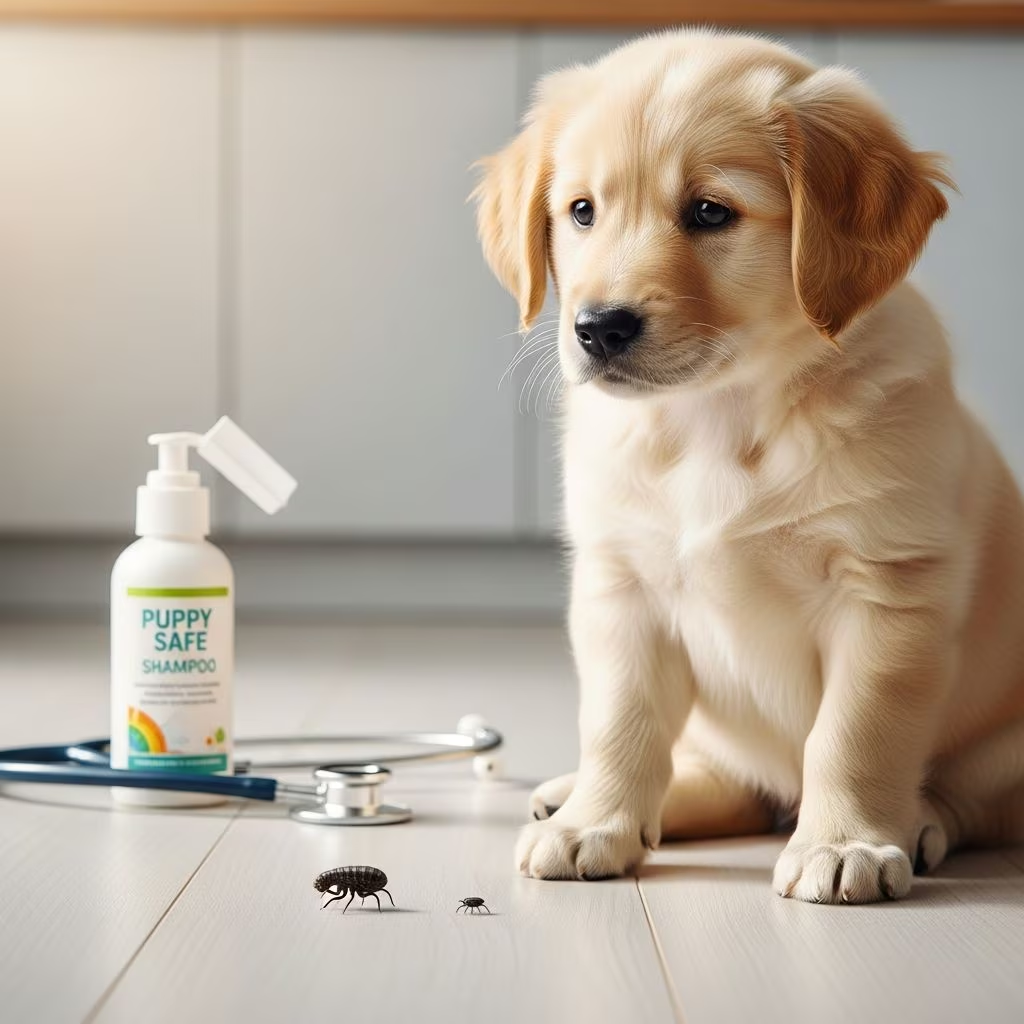
Flea and Tick Prevention for Puppies: A Complete Guide
Bringing a new puppy home is an exciting time, but it also comes with important responsibilities—including protecting your little one from fleas and ticks. These parasites are more than just annoying; they can transmit serious diseases and cause health complications for your growing pup. Understanding when and how to start flea and tick prevention is crucial for ensuring your puppy’s long-term health and wellbeing.
Fleas and ticks pose significant risks to puppies, potentially leading to tapeworms, anemia, skin infections, and disease transmission. Starting prevention early sets the foundation for a healthy, parasite-free life. This comprehensive guide covers everything puppy parents need to know about flea and tick prevention, from the appropriate age to start treatment through the best options available.
When Can You Start Flea and Tick Prevention?
One of the most common questions new puppy owners ask is when they can safely begin flea and tick prevention. The answer depends on the type of treatment and your puppy’s age and weight.
Most flea and tick preventives are safe for puppies starting around 8 weeks of age. However, some options are available earlier. For puppies as young as 4 weeks old, fast-acting treatments like Capstar can be administered daily as a short-term solution. Puppies younger than 4 weeks have very limited options and may benefit most from frequent bathing and flea combing.
For puppies between 6 and 8 weeks old, certain heartworm and flea prevention medications become available. Many combination products that treat both heartworm and fleas are safe at 6 weeks, though your veterinarian should always confirm what’s appropriate for your specific puppy. Prescription pills, chews, topical treatments, and collars like Seresto are typically recommended for puppies at least 8 weeks old and weighing enough to safely receive the medication.
Understanding Flea and Tick Prevention Options
Several effective prevention methods are available for puppies, each with unique advantages and considerations. Choosing the right option depends on your puppy’s age, weight, lifestyle, and your personal preferences.
Flea and Tick Collars
Flea collars represent a long-term prevention option that can provide protection for up to eight months. Products like the Seresto collar are designed for puppies 7 weeks of age and older, weighing up to 18 pounds. These collars work by repelling and killing fleas within 24 hours of initial application.
Advantages of flea collars include:
– Long-lasting protection (up to eight months)- No monthly administration required- Lightweight and adjustable design- Parasites don’t need to bite for the product to work
However, collars come with certain limitations: Some puppies find collars uncomfortable or attempt to chew them, which could create choking hazards or cause injuries if caught on objects. Constant chewing can weaken the collar’s effectiveness. Additionally, collars may not be as effective as other methods for severe infestations, and they require proper fit adjustment as your puppy grows.
Prescription Pills and Chews
Available in appealing flavors that puppies often find delicious, prescription pills and chews are frequently recommended for their systemic action and effectiveness. These medications work by entering the bloodstream and killing fleas or ticks upon contact, even before they bite your puppy.
Key benefits of prescription pills and chews:
– Effective and convenient administration- Kill fleas and ticks quickly- Easy to give directly or mixed with food- Provide comprehensive parasite protection
Veterinarians often recommend prescription pills and chews for puppies at least 8 weeks old and weighing enough to safely receive the medication. Products like Simparica TRIO offer broad-spectrum protection against fleas, flea larvae, chewing lice, multiple tick species, mange mites, and worms—all with a single monthly dose.
Common side effects, though generally mild, can include gastrointestinal upset, lethargy, or loss of appetite. However, these medications must be given on schedule to maintain effectiveness, requiring consistent monthly administration.
Topical Treatments
Topical flea and tick treatments are applied directly to your puppy’s skin, typically between the shoulder blades where they cannot be chewed or licked. These treatments provide weeks to months of continuous protection against fleas and ticks.
Products like Frontline Plus and Advantage Multi are popular topical options. Frontline Plus contains fipronil, which targets both ticks and adult fleas, plus S-methoprene, which prevents flea eggs from hatching and stops flea larvae growth. Advantage Multi uses imidacloprid, an ingredient that has been safely used for many years and kills fleas without requiring them to bite.
Benefits of topical treatments:
– Extended protection (up to 90 days depending on product)- Kills parasites at all life stages- Often available over-the-counter- Suitable for puppies frequently bathed or swimming
Topical treatments for puppies over 8-12 weeks old are often considered the best option for continuous protection. For younger puppies, prescription topicals may be available through your veterinarian starting at 7 weeks of age.
Fast-Acting Treatments
For puppies too young for longer-lasting prevention methods, fast-acting treatments like Capstar offer a practical interim solution. These medications can be administered daily and are safe for puppies as young as 4 weeks old. While they don’t provide the extended protection of monthly treatments, they’re valuable for managing active infestations in very young puppies.
Flea Shampoos and Home Remedies
For the youngest puppies and as supplementary treatments, flea shampoos formulated specifically for puppies can help kill adult fleas on contact and alleviate physical symptoms like itching. Regular flea combing using a fine-toothed comb is also essential, helping to remove adult fleas and their eggs from your puppy’s fur.
How to Get Rid of Fleas on Puppies
If you notice signs of fleas or ticks on your puppy, immediate action is necessary to prevent complications and discomfort.
Follow these steps to eliminate fleas:
– Bathe your puppy using a veterinarian-recommended flea shampoo to kill adult fleas on contact- Use a fine-toothed flea comb to remove adult fleas and their eggs from the fur- Wash all bedding, toys, and play areas in hot water to eliminate remaining pests and prevent reinfestation
After treating your puppy, continue regular flea combing to catch any remaining parasites. Look for flea dirt—small black specks typically found on your puppy’s belly or around the tail base—as an indicator of ongoing infestation.
Choosing the Right Prevention Method for Your Puppy
There’s no one-size-fits-all approach to flea and tick prevention. Your choice should consider several factors specific to your puppy’s individual needs:
| Factor | Best Prevention Type | Reason |
|---|---|---|
| Frequent swimming or bathing | Oral medication (pills or chews) | Not affected by water exposure |
| Budget-conscious | OTC topical treatments | Generally more affordable than prescriptions |
| Long-term convenience | Flea collar | Provides up to eight months protection |
| Severe infestations | Prescription pills/chews or topicals | More powerful and comprehensive protection |
| Very young puppies (under 8 weeks) | Flea comb, shampoo, or Capstar | Safe for youngest ages |
When selecting a preventive, also consider your puppy’s health status, breed susceptibilities, and lifestyle. Some breeds are more prone to skin sensitivities, making certain topical treatments preferable. If your puppy has flea allergies, oral medications or topicals that kill fleas without them biting might be the best choice.
Important Safety Considerations
Always check the weight requirements and age restrictions for any flea treatment before administering it to your puppy. Most products specify minimum weights and ages for safe use. Administering treatments meant for larger dogs to small puppies can result in overdosing and serious side effects.
Consult your veterinarian before starting any flea and tick prevention, especially if your puppy has existing health conditions or takes other medications. Your vet can recommend the safest, most effective option tailored to your puppy’s unique circumstances and may need to perform a heartworm test before beginning certain preventatives.
Monitor your puppy after administering any new treatment for signs of adverse reactions, including excessive drooling, vomiting, diarrhea, lethargy, or behavioral changes. Report any concerns to your veterinarian immediately.
Combining Heartworm and Flea Prevention
Many combination products treat both heartworm and fleas with a single medication, simplifying your puppy’s preventive care routine. You can safely give puppies heartworm and flea prevention medicine at the same time, and many combination products are popular with puppy parents for this convenience.
Many heartworm preventatives are safe for puppies as young as 6 weeks old, though your veterinarian must recommend and prescribe the right medication for your pet. Your vet may need to perform a heartworm test before beginning medication to ensure your puppy hasn’t already been exposed.
Regular Monitoring and Prevention Tips
Beyond medication, regular monitoring and preventive practices are crucial for keeping your puppy flea and tick-free:
– Run a flea comb regularly throughout your puppy’s coat to catch fleas early- Inspect your puppy’s skin and coat weekly for signs of parasites or bites- Watch for flea dirt, tiny black specks indicating flea presence- Keep your puppy’s living areas clean and well-maintained- Vacuum frequently, especially areas where your puppy spends the most time- Wash bedding and toys regularly in hot water- Maintain your yard by keeping grass trimmed and removing debris where ticks hide
Frequently Asked Questions
Q: At what age can puppies start flea and tick prevention?
A: Most flea and tick preventives are safe starting at 8 weeks of age. However, some fast-acting options like Capstar are available at 4 weeks, and certain prescription products may be safe as early as 6-7 weeks. Always consult your veterinarian for your specific puppy.
Q: Can I use flea treatment meant for adult dogs on my puppy?
A: No. Puppy-specific formulations exist because puppies require lower doses. Always use products formulated and dosed specifically for puppies to prevent toxicity and adverse effects.
Q: How often do I need to apply flea prevention?
A: This depends on the product. Most oral medications are given monthly, topical treatments vary from 30 to 90 days, while flea collars can provide up to eight months of protection. Always follow the product instructions.
Q: Are flea and tick preventives safe for puppies?
A: Yes, when used appropriately for your puppy’s age and weight. Always consult your veterinarian before starting any preventive medication, and monitor your puppy for any adverse reactions.
Q: What should I do if my puppy has an allergic reaction to flea prevention?
A: If you notice signs of an allergic reaction—such as excessive itching, hives, vomiting, or difficulty breathing—contact your veterinarian immediately. Discontinue the product and discuss alternative options with your vet.
Q: Can I combine different types of flea prevention?
A: Generally, no. Using multiple flea preventives simultaneously can lead to overdosing and toxicity. Always use only one preventive method at a time unless your veterinarian specifically recommends otherwise.
References
- A Guide to Flea and Tick Prevention for Puppies — Chewy. 2025. https://www.chewy.com/education/dog/flea-and-tick/flea-and-tick-for-puppies
- The Best Flea and Tick Protection for Puppies in 2025 — Business Insider. 2025. https://www.businessinsider.com/guides/pets/best-flea-treatments-puppies
- Companion Animal Parasite Council Quick Product Reference Guide — Companion Animal Parasite Council. https://www.capcvet.org/



