

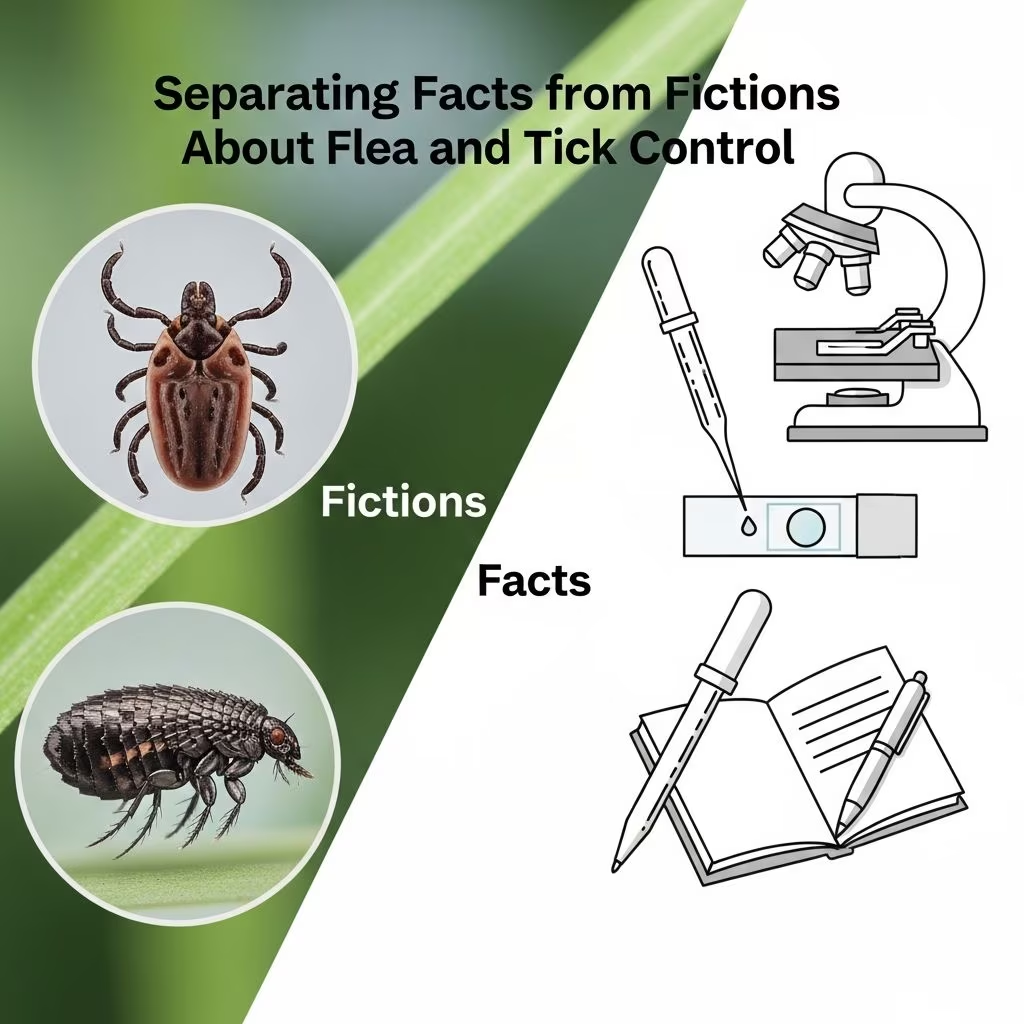
Pet ownership comes with numerous responsibilities, and protecting your furry companions from parasites stands among the most important. However, the landscape of flea and tick prevention is clouded by widespread misconceptions that can compromise your pet’s health. Many well-intentioned pet owners unknowingly follow outdated advice or rely on ineffective methods, leaving their animals vulnerable to infestations and disease transmission. This comprehensive guide addresses the most prevalent myths surrounding flea and tick control, providing scientifically-backed information to help you make informed decisions about your pet’s protection.
Understanding the Real Scope of Parasite Risk
One of the most damaging misconceptions in pet care involves the belief that parasite infestations are somehow indicative of poor home hygiene or negligent pet ownership. This myth creates unnecessary shame among pet owners and causes many to delay seeking proper prevention. In reality, fleas and ticks are completely indiscriminate parasites that affect households regardless of cleanliness standards or socioeconomic status. These pests do not distinguish between immaculate homes and cluttered ones—they simply seek out warm-blooded hosts to feed on. A perfectly maintained living space provides no protection from parasites that hitchhike indoors on your clothing, other animals, or through simple outdoor exposure during walks or yard time.
The democratic nature of parasite infestations means that virtually any pet owner can face this challenge. Understanding this reality removes the stigma and encourages proactive prevention rather than reactive treatment after infestation occurs.
Debunking the Seasonal Protection Fallacy
Perhaps the most consequential misconception in pet parasite management is the belief that flea and tick prevention can be suspended during colder months. This assumption has led countless pet owners to discontinue protective measures precisely when year-round vigilance matters most. The scientific reality tells a different story entirely.
Fleas and ticks remain active threats throughout winter months, despite lower outdoor temperatures. Rather than perishing in cold weather, these parasites employ sophisticated survival strategies. Some species become dormant, entering a state of reduced metabolism that allows them to withstand frigid conditions. Others migrate indoors, seeking warmth in your home’s heating systems, carpets, and upholstered furniture. Snow cover actually provides insulation that protects dormant ticks from lethal cold exposure. Additionally, during winter thaws when temperatures exceed 40 degrees Fahrenheit, many tick species become temporarily active and resume searching for hosts, even in snow-covered environments.
Fleas demonstrate remarkable cold tolerance as well. These parasites can survive for extended periods in protected indoor environments, and they continue reproducing in warm-blooded hosts throughout winter. A single female flea can lay thousands of eggs that develop in carpets, furniture, and other household locations, creating populations that flourish when spring arrives. This reproductive capacity means that winter infestations, if left untreated, explode into severe problems within months.
| Season | Parasite Behavior | Risk Level | Recommended Action |
|---|---|---|---|
| Spring/Summer | Peak activity and reproduction | Very High | Continue regular prevention |
| Fall | Increased outdoor exposure | High | Maintain prevention protocol |
| Winter | Dormancy and indoor migration | High | Do NOT discontinue prevention |
Safety Concerns and Modern Prevention Products
A significant barrier to consistent parasite prevention stems from pet owner concerns about the safety of protective medications. Many believe that flea and tick preventives pose toxic risks to their animals, making them hesitant to administer prescribed treatments. This misconception represents a fundamental misunderstanding of how modern veterinary pharmaceuticals function.
Contemporary flea and tick preventives have undergone rigorous testing and are considered safe for pets when used as directed. Regulatory agencies including the FDA carefully evaluate these medications for safety and efficacy before approving them for veterinary use. Veterinarians prescribe specific products based on individual pet characteristics including age, weight, health status, and lifestyle factors, ensuring appropriate dosing and compatibility.
The actual risk calculation favors prevention over avoidance. The dangers posed by untreated parasite infestations—severe itching, secondary skin infections, anemia from blood loss, and transmission of serious diseases—far exceed any risks associated with properly administered preventive medications. Pets suffering from flea allergy dermatitis experience intense discomfort and may develop life-threatening secondary bacterial infections. Tick-borne illnesses such as Lyme disease can cause chronic pain and organ damage. In contrast, modern preventive medications simply interrupt the parasite life cycle without causing harm when used appropriately.
Evaluating Traditional and Modern Prevention Methods
The evolution of flea and tick prevention has created a landscape where older methods coexist with newer, more effective options. Many pet owners continue relying on traditional approaches out of familiarity rather than evidence-based effectiveness.
Flea Collars: Limited Effectiveness
Flea collars have maintained popularity for decades due to their simplicity and perceived convenience. However, these devices provide substantially inferior protection compared to modern alternatives. Research indicates that only 28 percent of pets wearing flea collars achieve protection from flea infestations, whereas 98 percent of animals treated with topical or oral preventives receive adequate protection. This dramatic difference reflects the limitations of collar-based technology, which often provides localized protection around the neck while leaving the remainder of the body vulnerable to infestation.
Topical and Oral Preventives: Evidence-Based Solutions
Modern topical treatments applied directly to the skin and oral medications administered by mouth represent the gold standard in parasite prevention. These formulations work through multiple mechanisms, either killing parasites on contact, disrupting their nervous systems, or preventing reproduction. The high efficacy rates demonstrate why veterinarians consistently recommend these approaches over less effective alternatives.
Understanding Tick Biology and Transmission Risks
Effective tick prevention requires understanding the biological realities of these parasites and how they interact with hosts and environments. Several pervasive myths about tick behavior directly impact prevention decisions.
Tick Habitat and Acquisition Patterns
A common misconception holds that only pets spending significant time in wooded areas face tick exposure. This belief leads suburban and urban pet owners to neglect prevention, falsely assuming their locations provide natural protection. In reality, ticks live in grass, shrubbery, and brush in any geographic location—urban, suburban, or rural. These parasites establish themselves wherever suitable hosts live, regardless of whether that location features forests or city parks. Ticks engage in a behavior called “questing,” where they climb to heights of approximately three feet on vegetation and extend their front legs to latch onto passing animals or people. The myth that ticks fall from trees misrepresents their actual acquisition method, though this widespread belief likely originated from their presence in tree-dwelling areas.
Disease Transmission Timing
Another critical misconception involves the timing of disease transmission. Many pet owners assume that ticks transmit pathogens immediately upon attachment, creating the false impression that quick removal prevents all disease transmission. The actual biology is more nuanced. While ticks can carry disease-causing organisms including bacteria, viruses, parasites, and toxins, transmission typically requires sustained feeding periods. Not all ticks carry pathogens, and most tick bites do not result in disease transmission. However, this does not mean removal timing is irrelevant—prompt and proper removal minimizes transmission risks by reducing feeding duration.
Proper Tick Removal Techniques
The methods people employ to remove attached ticks significantly impact infection risk and animal safety. Numerous traditional remedies persist despite being ineffective or dangerous.
Dangerous Home Remedies
Common folklore suggests using heated matches, petroleum jelly, or nail polish to remove embedded ticks. These methods are potentially harmful to pets and should be avoided. Applying heat can burn sensitive skin and ignite pet hair, causing injury. While petroleum jelly and nail polish may eventually suffocate ticks, the extended feeding period during which these substances take effect allows disease transmission to occur—precisely the opposite of the intended outcome.
Proper Removal Protocol
Veterinarians recommend using fine-tipped tweezers to grasp the tick as close to the skin surface as possible, then pulling steadily and firmly away from the skin. This technique removes the entire tick, including mouthparts, in one motion. Avoid twisting or crushing the tick during removal, as this can cause the parasite to release infected saliva into the host. After removal, clean the bite area with antiseptic and wash hands thoroughly.
Addressing Common Misconceptions About Tick Biology
Beyond prevention and removal, several myths about tick reproduction and anatomy persist among pet owners.
The Reality of Tick Life Cycles
Ticks do not lay eggs inside or on their hosts. A single female tick can produce between 2,000 and 18,000 eggs per batch, but she deposits these in soil, leaf litter, or near host nesting areas—never on the animal itself. This distinction matters because it eliminates the fear that leaving a tick embedded will result in internal egg production. Additionally, if a tick’s mouthparts break off during removal, they cannot regrow a new body. The mouth parts simply become dead matter incapable of development or growth. These biological facts reduce the anxiety surrounding incomplete removal.
Tick Classification
Many people classify ticks as insects, but this represents a fundamental biological error. Ticks are actually parasites belonging to the same family as mites. This classification affects how we understand their behavior and vulnerability to different control methods. The arachnid classification explains why certain prevention approaches work differently for ticks than they might for true insects.
Year-Round Prevention: The Only Viable Strategy
Understanding the preceding myths and facts leads to one inescapable conclusion: year-round parasite prevention represents the only truly effective strategy. Discontinuing prevention during any season creates windows of vulnerability that parasites can exploit.
- Consult with your veterinarian to select prevention products appropriate for your pet’s age, weight, and health status
- Administer preventive medications consistently according to the prescribed schedule
- Never skip doses based on seasonal assumptions or perceived lower risk periods
- Perform regular tick checks, especially after outdoor activities in brushy or grassy areas
- Use proper removal techniques if ticks are discovered
- Maintain household cleanliness through regular vacuuming to minimize indoor flea populations
- Wash pet bedding frequently in hot water to eliminate parasite life stages
Frequently Asked Questions About Flea and Tick Prevention
Can indoor-only pets get fleas and ticks?
Yes. Indoor pets can acquire parasites when owners bring them indoors on clothing or when parasites hitchhike through open doors or windows. Additionally, indoor environments provide ideal conditions for parasite reproduction.
What should I do if my pet shows signs of flea allergy dermatitis?
Contact your veterinarian immediately. Flea allergy dermatitis can develop rapidly into severe infections requiring medical intervention beyond simple parasite prevention.
Are there natural alternatives to pharmaceutical preventives?
While various natural products exist, research supporting their efficacy remains limited compared to prescription alternatives. Discuss options with your veterinarian rather than assuming natural equals effective.
How long does it take for flea and tick preventives to work?
Most modern preventives begin working within hours of administration, though complete protection typically develops within 24-48 hours depending on the specific product and parasite type.
Making Informed Decisions About Pet Protection
Pet owners who understand the facts surrounding parasite prevention can make confident decisions that prioritize their animals’ health and comfort. Moving beyond persistent myths requires accepting that parasite risk operates year-round regardless of season, that modern preventives are safe and highly effective, and that consistent implementation provides far better outcomes than seasonal approaches or traditional methods. By working closely with veterinary professionals and basing decisions on scientific evidence rather than folklore, you can ensure your beloved companions enjoy protection from parasites and the serious diseases they transmit.
References
- 4 Common Myths About Flea and Tick Prevention DEBUNKED — Pet Lovers Club. 2024. https://petloversclub.com.au/blogs/health-info/4-common-myths-about-flea-and-tick-prevention-debunked
- The Truth About Those Tricky Ticks! — Oakland Animal Services. 2024. https://oaklandanimal.com/the-truth-about-the-tricky-ticks/
- Debunking Common Myths About Ticks and Dogs — Diamond Pet Foods. 2024. https://www.diamondpet.com/blog/health/flea-tick/6-myths-about-ticks/
- Debunking the Flea and Tick Myth — Animal Health Center of Iowa. 2024. https://animalhealthcenteria.com/debunking-the-flea-and-tick-myth/
- Myths Debunked – Dispelling Wive’s Tales — Tick Safety. 2024. https://ticksafety.com/resources/myths-debunked/



