

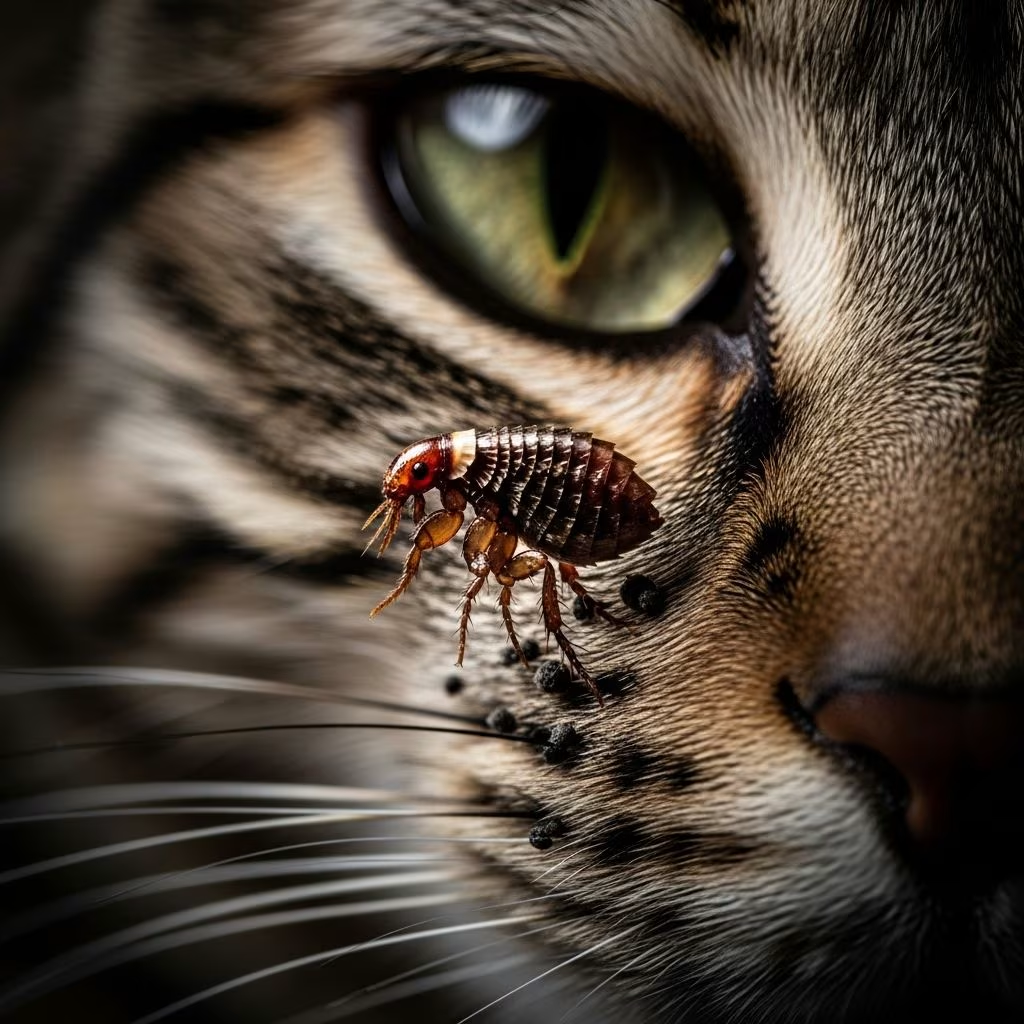
Fleas represent one of the most common external parasites affecting cats, serving as vectors for multiple serious health conditions that can compromise a feline’s well-being. These tiny insects not only cause direct discomfort through biting but also facilitate the spread of bacteria, parasites, and allergens that lead to potentially life-threatening diseases. Understanding these risks is crucial for cat owners to implement effective prevention strategies.
The Hidden Dangers of Flea Infestations in Felines
Cat fleas (Ctenocephalides felis) thrive in warm environments and can rapidly multiply, infesting homes and turning a minor nuisance into a major health crisis. A single flea can lay up to 50 eggs daily, leading to explosive population growth. Beyond itching, fleas defecate during feeding, depositing pathogens directly onto the skin, which cats ingest during grooming. This cycle transmits diseases that range from allergic reactions to severe anemias.
Environmental factors like humidity above 50% and temperatures between 70-90°F accelerate flea development from egg to adult in just two weeks. Indoor cats are not immune, as fleas hitchhike on clothing or other pets. Regular inspections of fur, especially around the tail base and groin, reveal ‘flea dirt’—dark specks that turn red when wet, confirming infestation.
Bacterial Infections Spread by Fleas
Fleas harbor bacteria that invade feline systems, causing systemic illnesses. Two primary bacterial threats stand out: bartonellosis and mycoplasma infections.
Bartonellosis: The Stealthy Carrier
Bartonella henselae, the culprit behind bartonellosis, infects fleas via blood meals from reservoir hosts like cats and opossums. Cats acquire it by ingesting contaminated flea feces during grooming. While most healthy cats remain asymptomatic carriers—potentially for over a year—the bacteria links to conditions like gingivitis, uveitis, and endocarditis. Kittens and immunocompromised felines face higher risks of fever, lymphadenopathy, and neurological issues.
This pathogen jumps species, causing cat scratch disease in humans through scratches from infected cats. The CDC notes about 40% of cats encounter Bartonella, emphasizing zoonotic potential.
Mycoplasma Haemofelis: Red Blood Cell Destroyer
Mycoplasma haemofelis attaches to erythrocytes, prompting immune-mediated hemolysis and severe anemia. Transmitted via flea bites, symptoms include lethargy, pale gums, jaundice, and fever. In extreme cases, cats require transfusions alongside doxycycline therapy. Evidence suggests zoonotic transmission to immunocompromised humans.
Differentiating from similar Mycoplasma species like M. turicensis is vital, as all flea-vectored hemoplasmas demand prompt antibiotic intervention to prevent mortality.
Parasitic Consequences of Flea Exposure
Tapeworm Infestations
Dipylidium caninum tapeworms use fleas as intermediate hosts. Cats swallow infected fleas while grooming, allowing cysticercoids to mature in the intestines. Adults attach via hook-like mouths, siphoning nutrients and causing weight loss, diarrhea, and anal itching. Rice-like segments around the anus signal infection; human transmission occurs if children ingest fleas.
Treatment involves praziquantel, but prevention hinges on flea control to break the life cycle.
Allergic and Hematological Impacts
Flea Allergy Dermatitis: Itch That Torments
Hypersensitive cats react intensely to flea saliva proteins, developing flea allergy dermatitis (FAD). Even one bite triggers miliary dermatitis—small scabs across the dorsum—leading to self-trauma, hair loss, and secondary infections. Common sites include the back, thighs, and base of tail. Chronic cases erode quality of life, with cats exhibiting restlessness and overgrooming.
Flea-Induced Anemia: A Blood Crisis
Kittens and flea-heavy adults lose blood volume through relentless bites, resulting in hemolytic anemia. Signs encompass weakness, tachycardia, pallor, and collapse. Microscopic blood loss compounds with hemoparasites, demanding supportive care like fluids and iron supplements post-flea eradication.
Zoonotic Threats: When Cat Fleas Affect Humans
Fleas bridge species, transmitting pathogens to owners. Murine typhus (Rickettsia typhi or R. felis) arises from flea feces entering bite wounds. Endemic in southern U.S., it manifests as fever, rash, and organ involvement in humans; cats act as reservoirs without symptoms.
Plague (Yersinia pestis) and cat scratch disease further underscore fleas’ role in public health, with coastal and temperate regions at higher risk.
Recognizing Symptoms: Early Warning Signs
- Behavioral Changes: Excessive scratching, biting at skin, lethargy, reduced appetite.
- Skin Indicators: Redness, bumps, alopecia, crusts, hot spots.
- Systemic Alerts: Pale mucous membranes, icterus, enlarged spleen, weight loss.
- Gastrointestinal Cues: Vomiting segments, scooting, pot-bellied appearance.
Table of Common Symptoms by Disease:
| Disease | Key Symptoms in Cats | Human Risk |
|---|---|---|
| Bartonellosis | Fever, swollen nodes, eye issues | Cat scratch disease via scratches |
| Mycoplasma | Anemia, jaundice, weakness | Possible in immunocompromised |
| FAD | Itching, hair loss, scabs | None direct |
| Tapeworms | Anal irritation, segments in stool | Ingestion of fleas |
| Anemia | Pale gums, collapse | None |
Veterinary Diagnosis and Treatment Approaches
Vets confirm fleas via combing and microscopic exam of debris. Blood tests detect hemoplasmas (PCR), Bartonella serology, or fecal floats for tapeworms. FAD diagnosis relies on history and response to flea control.
Treatments include:
- Topical/oral flea adulticides (e.g., fipronil, imidacloprid).
- Insect growth regulators for eggs/larvae.
- Antibiotics: Doxycycline for bacteria, praziquantel for worms.
- Steroids/antihistamines for FAD.
- Blood support for anemia.
Comprehensive Prevention Blueprint
Year-round flea preventatives are essential, even indoors. Options:
| Type | Examples | Duration |
|---|---|---|
| Spot-on | Frontline, Advantage | Monthly |
| Oral | Nitenpyram, lufenuron | Monthly |
| Collar | Seresto | 8 months |
Environmental control: Vacuum daily, wash bedding in hot water, use premise sprays with IGRs. Treat all pets simultaneously. Multi-pet homes demand vigilant rotation of products to avoid resistance.
Frequently Asked Questions (FAQs)
Can indoor cats get fleas?
Yes, fleas enter via shoes, bags, or visitors. Prevent with monthly topicals.
How quickly do flea diseases progress?
Anemia can onset in days for kittens; bacterial carriers persist months without symptoms.
Are flea preventatives safe for kittens?
Most approved from 8 weeks; consult vet for smallest felines.
Can humans catch tapeworms from cat fleas?
Rarely, via direct flea ingestion; hygiene prevents it.
What if my cat shows no itch but has fleas?
Asymptomatic carriers risk transmitting diseases; treat immediately.
Long-Term Strategies for Flea-Free Homes
Integrated pest management combines chemical and non-chemical tactics. Natural repellents like diatomaceous earth offer adjunct support but lack efficacy against all stages. Regular vet check-ups monitor for subclinical infections. Educating households on flea life cycles fosters proactive defense, safeguarding cats and humans alike.
In summary, fleas inflict multifaceted harm, but knowledge empowers prevention. Vigilance transforms potential tragedy into manageable routine care.
References
- Flea Bites: 4 Diseases These Parasites Can Spread — PetMD. 2023. https://www.petmd.com/general-health/flea-bites-diseases-these-parasites-can-spread
- Can Fleas Make My Cat Sick? — Properties Animal Clinic. 2024. https://propertiesanimalclinic.com/can-fleas-make-my-cat-sick/
- 4 Common Flea Diseases in Cats — Elanco. 2023. https://yourpetandyou.elanco.com/us/parasites/fleas/common-flea-diseases-in-cats
- 6 Flea Diseases in Cats and Dogs — Chewy. 2024. https://www.chewy.com/education/dog/flea-and-tick/health-problems-caused-flea-ticks
- Dangers of Flea Bites on Cats — Frontline. 2023. https://frontline.com/flea-bites-on-cats
- Flea-associated zoonotic diseases of cats in the USA — PubMed/NCBI. 2010-02-01. https://pubmed.ncbi.nlm.nih.gov/20185369/
- Fleas in Dogs and Cats — Merck Veterinary Manual. 2024. https://www.merckvetmanual.com/integumentary-system/fleas-and-flea-allergy-dermatitis/fleas-in-dogs-and-cats



