

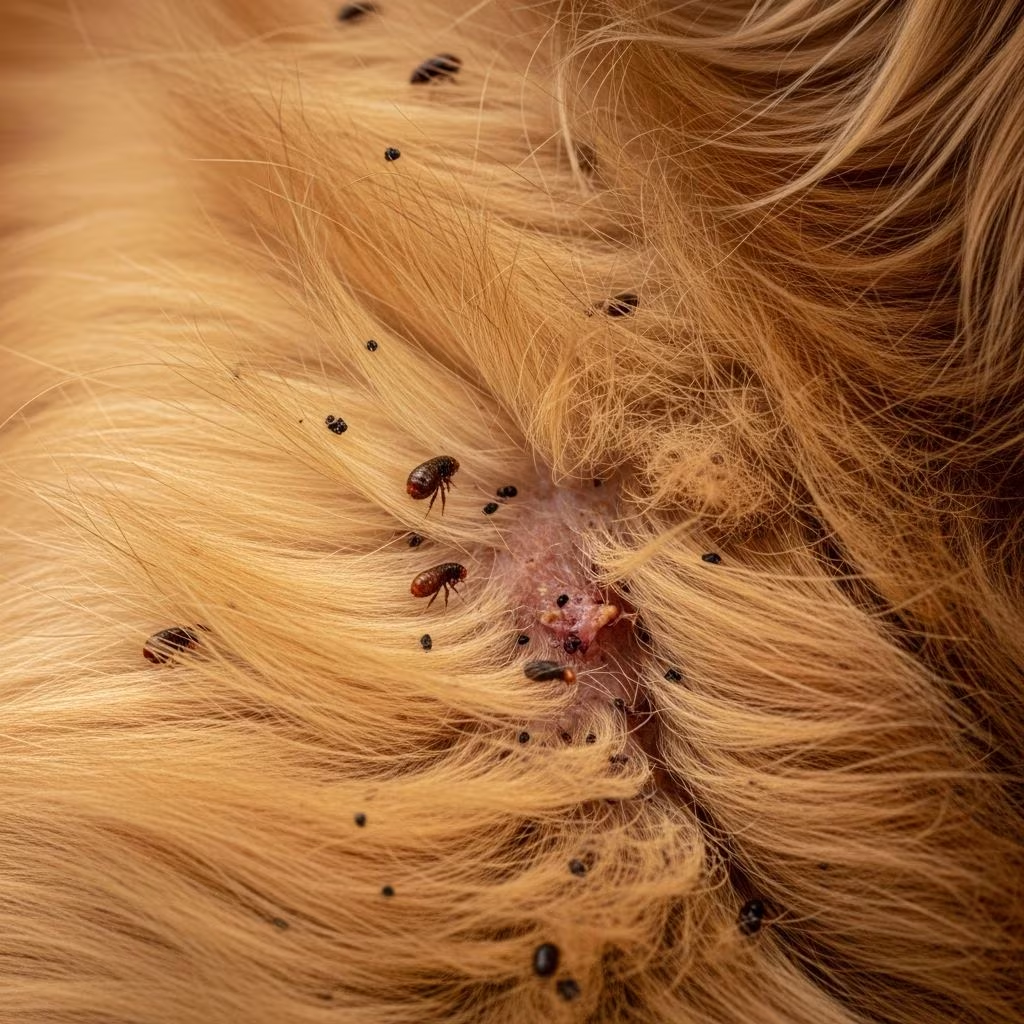
Fleas represent one of the most common external parasites affecting dogs, capable of causing discomfort, skin issues, and serious health complications if left unchecked. These tiny, agile insects thrive in warm environments and can rapidly multiply, turning a minor nuisance into a household-wide problem. Understanding their biology and implementing targeted control measures is crucial for protecting canine companions.
Recognizing the Presence of Fleas on Your Dog
Dogs infested with fleas often display subtle yet telltale signs that vigilant owners can spot early. Excessive scratching, particularly around the base of the tail, groin, and hindquarters, serves as a primary indicator, as fleas prefer these warm, hidden areas for feeding. Hair loss in patches, red inflamed skin, and small raised bumps known as flea allergy dermatitis may appear, especially in sensitive dogs. To confirm, part the fur and look for live fleas—dark, reddish-brown insects about 1-3 mm long that jump quickly when disturbed—or flea dirt, which resembles coarse black pepper but turns red when wet due to digested blood.
Behavioral changes like restlessness, biting at the skin, or lethargy can also signal infestation. In severe cases, pale gums from anemia may occur in puppies or small breeds due to significant blood loss from repeated bites. Regular checks during grooming routines help catch issues before they escalate.
Biology and Life Cycle of Fleas
The flea life cycle consists of four distinct stages: egg, larva, pupa, and adult, enabling rapid population growth under favorable conditions. Adult fleas, primarily Ctenocephalides felis (cat flea, which infests dogs too), spend most time on the host, feeding on blood multiple times daily. Females begin laying eggs 24-48 hours after their first meal, producing 20-50 eggs per day, up to 2,000 over a lifetime. These smooth, white eggs easily dislodge from the dog’s coat, falling into carpets, bedding, and cracks.
Eggs hatch in 2-14 days into larvae, worm-like creatures that avoid light and feed on organic debris and flea feces. Larvae develop over 5-20 days, then spin silken cocoons for the pupal stage, which can last 1-2 weeks or remain dormant for months, even up to a year, awaiting ideal cues like warmth, vibration, or carbon dioxide from a host. Adults emerge hungry, jumping onto dogs within minutes to feed and restart the cycle. The full cycle typically spans 3-8 weeks but can complete in as little as 12-14 days in optimal warmth (65-80°F) and humidity (75-85%). Only 5% of fleas live on the pet; 95% reside in the environment.
| Stage | Duration | Location | Key Characteristics |
|---|---|---|---|
| Egg | 2-14 days | Host & environment | Tiny, white, falls off easily |
| Larva | 5-20 days | Environment (dark areas) | Feeds on debris & feces |
| Pupa | 1-2 weeks+ (dormant possible) | Environment (cocoon) | Protected, waits for host cues |
| Adult | Weeks to months | Primarily on host | Feeds, mates, lays eggs |
Health Risks Posed by Fleas to Dogs
Beyond irritation, fleas transmit diseases and trigger allergies. Flea allergy dermatitis (FAD) arises from saliva hypersensitivity, causing intense itching, scabs, and secondary infections. Blood loss leads to flea anemia, most dangerous in young or debilitated dogs, with symptoms including weakness and rapid breathing. Fleas also vector tapeworms (Dipylidium caninum), ingested when dogs groom themselves, and bacterial agents like Bartonella (cat scratch disease) or Rickettsia species. In rare cases, myxomatosis or plague occur regionally. Prompt intervention prevents these complications.
Effective Strategies for Flea Prevention
Prevention hinges on consistent use of vet-recommended products and hygiene. Topical spot-on treatments (e.g., fipronil, imidacloprid) and oral preventives (e.g., spinosad, lufenuron) kill adults and disrupt development, applied monthly. Flea collars with insect growth regulators (IGRs) like methoprene offer extended protection. Natural options like diatomaceous earth or essential oils require caution due to potential toxicity. Year-round prevention is essential, even indoors or in cooler climates, as pupae survive winter.
- Consult a veterinarian for age-appropriate products.
- Avoid over-the-counter sprays not formulated for dogs.
- Combine treatments targeting all life stages.
Treating Active Flea Infestations
Eradicating an established infestation demands a multi-pronged approach: treat the dog, home, and yard simultaneously. Bathe the dog with mild soap to drown adults, followed by a vet-prescient adulticide. Vacuum daily—carpets, furniture, baseboards—to remove eggs and stimulate pupae emergence, disposing of bags outdoors. Wash bedding in hot water. Use IGR sprays or foggers for indoor environments, focusing on pet resting areas. For yards, apply beneficial nematodes or insecticides to shaded moist spots. Expect 2-3 months for full control due to pupal longevity.
Environmental Control Measures
Since most fleas inhabit surroundings, meticulous cleaning is vital. Steam cleaning penetrates deep into fibers, killing all stages. Professional pest control may be needed for heavy infestations. Maintain low humidity with dehumidifiers and fix leaks. Regular yard mowing and sunlight exposure deter breeding. Monitor with flea combs weekly, dipping catches in soapy water.
FAQs on Flea Management in Dogs
Can fleas live in winter?
Yes, pupae remain viable in cocoons through cold months, emerging in spring.
Are fleas contagious to humans?
Fleas bite people but prefer dogs; controlling pet infestation resolves human bites.
How soon do flea eggs hatch?
Typically 2-14 days, faster in warmth.
Is vacuuming enough without chemicals?
It reduces populations but rarely eliminates pupae; combine with treatments.
What if my dog has flea allergies?
Seek vet care for steroids or antihistamines alongside flea control.
Long-Term Flea Management Tips
Sustain a flea-free home through routine vet visits, prompt grooming, and multi-pet treatment if applicable. Educate family on avoiding stray animal contact. Track progress with flea counts. With diligence, fleas become manageable, ensuring your dog’s comfort and health.
References
- Fleas of Dogs – Dog Owners — Merck Veterinary Manual. 2023. https://www.merckvetmanual.com/dog-owners/skin-disorders-of-dogs/fleas-of-dogs
- Lifecycle of a Flea on Your Dog — Zoetis Pets. 2023. https://www.zoetispets.com/in-en/blog/dog/lifecycle-flea-dog/
- Biology of the Cat and Dog Flea — Fredericktown Animal Hospital. 2023. https://www.fredericktownanimalhosp.com/fleas.html
- Flea Life Cycle and Life Stages — Mosquito Joe. 2023. https://mosquitojoe.com/blog/flea-lifecycle/
- Life Cycle of Fleas: What Pet Parents Need To Know — Chewy. 2023. https://www.chewy.com/education/cat/flea-and-tick/life-cycle-of-fleas
- Biology and Control of Fleas — NC State Extension Publications. 2023. https://content.ces.ncsu.edu/biology-and-control-of-fleas



