

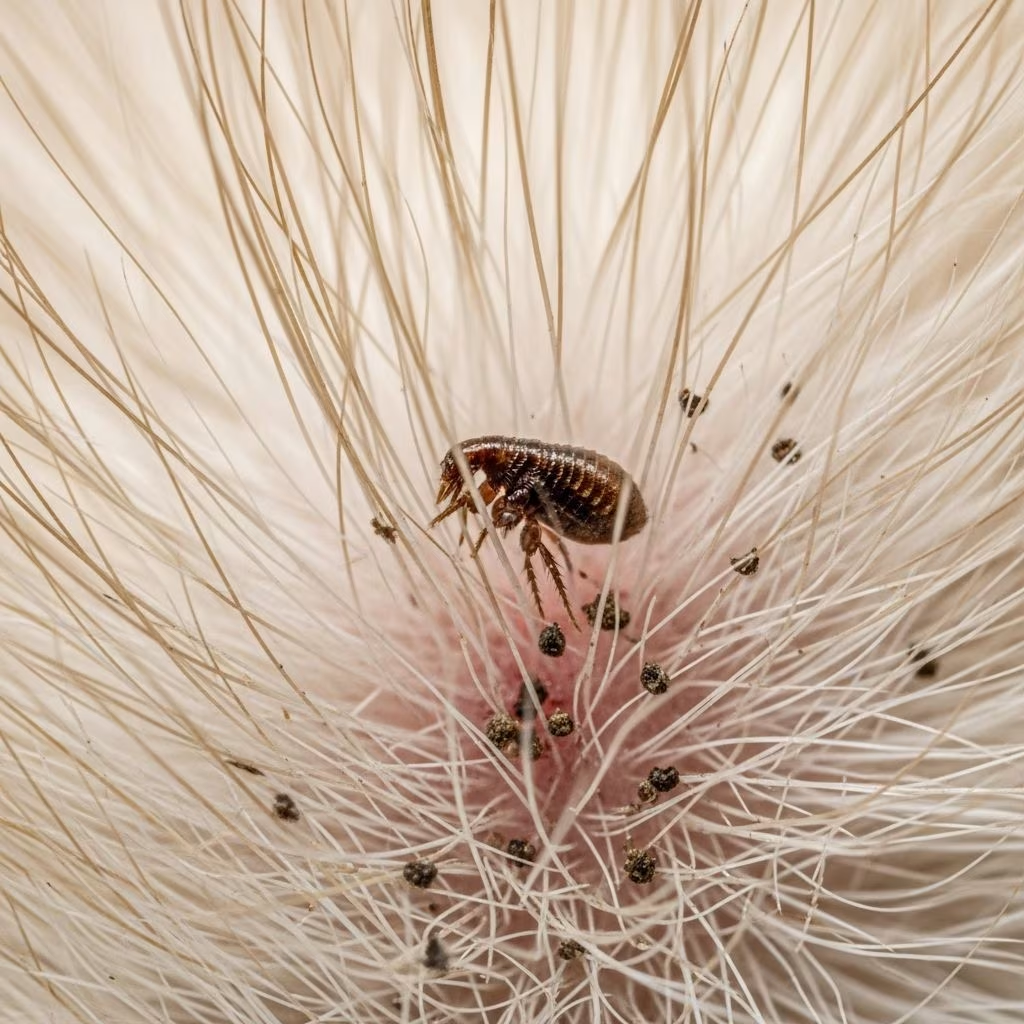
Fleas pose a persistent threat to dogs, causing discomfort, skin issues, and potential health complications. These tiny parasites feed on canine blood, multiply rapidly, and infest living spaces, making thorough intervention essential for resolution.
Understanding the Flea Life Cycle and Its Impact on Dogs
The flea life cycle consists of four stages: egg, larva, pupa, and adult. Adults jump onto dogs to feed, laying eggs that fall into the environment. Larvae feed on organic debris and flea feces, pupae remain dormant until triggered by movement or warmth, and new adults emerge to restart the cycle. This process allows infestations to persist even after treating the pet alone.
Dogs serve as ideal hosts due to their fur providing shelter and their body heat attracting emerging fleas. A single female flea can produce up to 50 eggs daily, leading to thousands in weeks. Heavy infestations risk anemia in puppies or small breeds from blood loss.
Recognizing Early Signs of Flea Presence
Dogs with fleas often exhibit behavioral changes. Common indicators include:
- Intense **scratching**, particularly around the base of the tail, neck, and thighs.
- **Licking or chewing** at skin, resulting in red, inflamed areas or hair loss.
- **Restlessness** and discomfort, with pets rubbing against furniture.
- Visible **small black specks** (flea dirt) that turn red when wet, confirming feces from digested blood.
- **Flea eggs** or larvae in bedding, appearing as tiny white grains or worm-like forms.
Skin changes progress to scabs, thickened patches, or flea allergy dermatitis in sensitive dogs, causing severe itching beyond the bite sites. Check warm, hidden areas like armpits and groin using a flea comb for confirmation.
Health Risks Beyond Itching: Diseases and Complications
Fleas transmit **tapeworm** when dogs ingest infected fleas during grooming. Larval tapeworms develop in the intestines, potentially causing weight loss and digestive issues.
Allergic reactions lead to dermatitis, with symptoms worsening over time. Secondary bacterial infections from scratching create pus-filled sores. Anemia manifests as pale gums, lethargy, and weakness, especially in young or debilitated dogs. Humans may suffer itchy bites on lower legs from household fleas.
| Symptom | Cause | Potential Complication |
|---|---|---|
| Excessive Scratching | Flea saliva irritation | Skin infections, hair loss |
| Flea Dirt | Digested blood feces | Confirms active infestation |
| Pale Gums | Blood loss | Anemia |
| Weight Loss | Tapeworm | Nutritional deficiencies |
Immediate Steps for Treating Infested Dogs
Begin with a vet visit for diagnosis and prescription options. Fast-acting oral medications like those killing adults in 30 minutes to hours provide quick relief. Monthly preventatives, oral or topical, target all life stages.
At home:
- Bathe with mild soap (e.g., Dawn) to drown adults, followed by flea combing into soapy water.
- Focus on tail base, neck, and legs; repeat daily initially.
- Apply vet-recommended topicals or collars for ongoing protection.
Avoid over-the-counter products without guidance, as some cause adverse reactions.
Comprehensive Environmental Cleanup Strategies
Pet treatment alone fails; 95% of fleas reside off the host. Disrupt the cycle through sanitation.
- Vacuum daily: Carpets, furniture, baseboards to remove eggs and stimulate pupae. Dispose of bags immediately.
- Wash fabrics: Bedding, toys, throws in hot water (>140°F) weekly.
- Steam clean: Carpets and upholstery to kill larvae.
- Indoor sprays: Use insect growth regulators (IGRs) targeting eggs/larvae; treat entire home, vacate pets during application.
Repeat vacuuming and washing for 2-3 months to cover pupal dormancy.
Outdoor Flea Management for Yards and Kennels
Fleas thrive in shaded, moist yard areas. Limit wildlife attractants like food scraps to reduce stray hosts.
- Spray IGR products in shaded spots, dog paths, and bedding areas every 14-21 days for 3-5 cycles.
- Mow grass short and rake leaves to expose eggs to sunlight.
- Year-round preventatives on pets minimize reintroduction.
Note: Sprays impact beneficial insects; use judiciously.
Preventive Measures for Flea-Free Living
Prevention outperforms cure. Administer vet-approved monthly products: orals (e.g., preventing egg hatch), topicals, or collars.
- Treat all household pets simultaneously.
- Inspect new pets or strays before introduction.
- Maintain routine cleaning year-round, as indoor heating sustains cycles.
Puppies require age-appropriate products; consult vets for safety.
Common Treatment Options Comparison
| Type | Action | Duration | Notes |
|---|---|---|---|
| Oral Fast-Act | Kills adults quickly | Hours | Rx often needed |
| Monthly Oral | Stops egg development | 30 days | Prescription |
| Topical | Kills on contact | 30 days | Water-resistant |
| Collars | Repels/kills | 8 months | OTC options |
Frequently Asked Questions (FAQs)
Can fleas live without a dog host?
Yes, eggs, larvae, and pupae survive months in environments; adults need blood meals within days.
How long until fleas are gone after treatment?
Full control takes 2-3 months due to pupal stage; consistent treatment is key.
Are flea treatments safe for puppies?
Age-specific products exist; always vet-approved to avoid toxicity.
Do indoor dogs need flea prevention?
Yes, fleas enter via visitors, vents, or packages; year-round protection advised.
What if my dog still scratches after treatment?
Check for allergies, infections, or environmental fleas; seek vet for secondary care.
Monitoring Progress and When to Seek Professional Help
Track flea comb results and skin healing weekly. Persistent signs warrant vet re-evaluation for resistance or co-infections. Severe yard issues may need pest control pros.
References
- Signs a Dog Has Fleas, Treatment and Prevention — VEG ER for Pets. 2023. https://www.veg.com/post/dog-has-fleas
- Flea Infestation in Dogs — Small Door Veterinary. 2023. https://www.smalldoorvet.com/learning-center/medical/flea-infestation-dogs
- Fleas — Better Health Channel (vic.gov.au). 2023. https://www.betterhealth.vic.gov.au/health/conditionsandtreatments/fleas
- Fleas: Advice And Treatment For Dogs — Medivet Group. 2023. https://www.medivetgroup.com/vet-practice-services/parasite-care/fleas/dog-flea-treatment/
- Fleas — Cornell University College of Veterinary Medicine. 2023. https://www.vet.cornell.edu/departments-centers-and-institutes/riney-canine-health-center/canine-health-topics/fleas
- Flea Control in Dogs — VCA Animal Hospitals. 2023. https://vcahospitals.com/know-your-pet/flea-control-in-dogs
- Getting Rid of Fleas — Centers for Disease Control and Prevention (CDC). 2023. https://www.cdc.gov/fleas/getting-rid/index.html



