

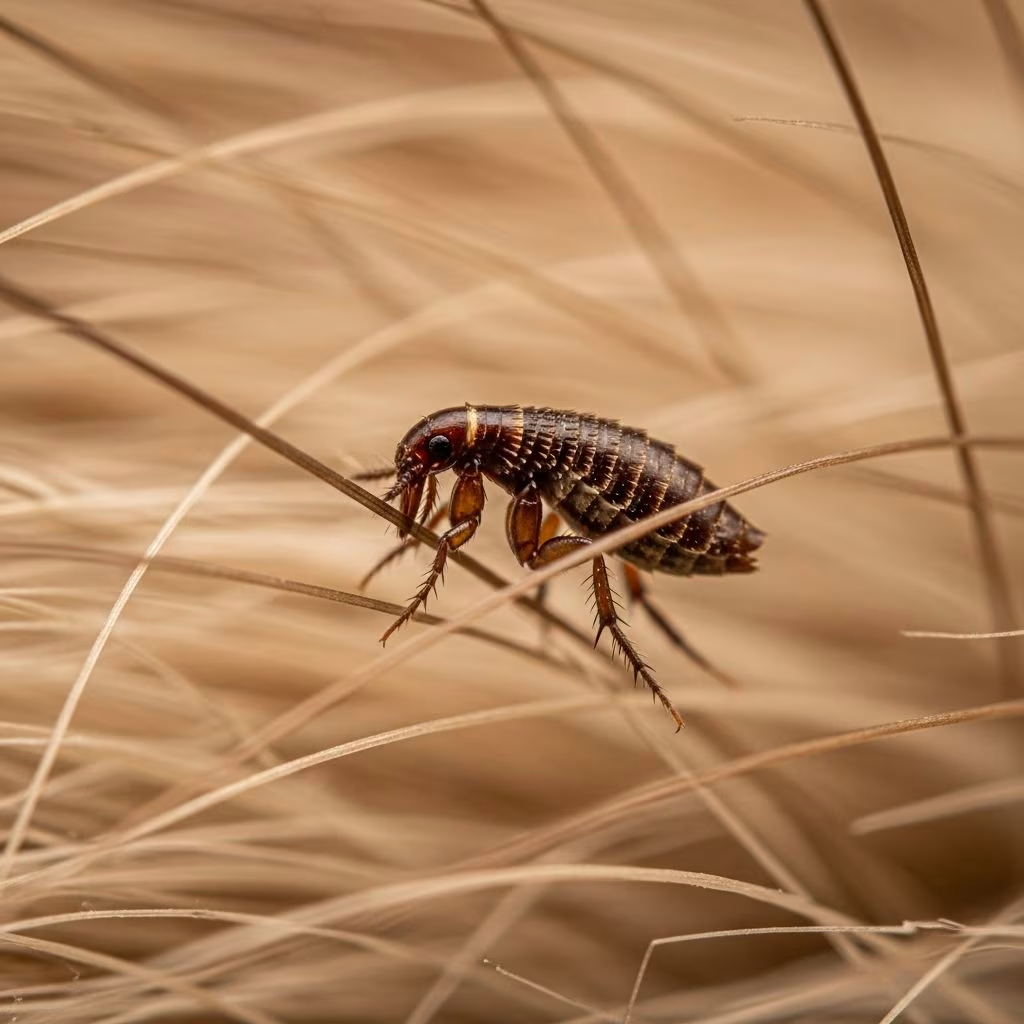
Understanding Flea Infestation in Pets
Flea infestations are one of the most common parasitic problems affecting dogs and cats worldwide. These tiny insects, belonging to the genus Ctenocephalides, are not just a nuisance—they can cause serious health complications for your beloved pets. Understanding what fleas are, how infestations occur, and the risks they pose is essential for every pet owner.
Fleas are external parasites that feed on the blood of mammals and birds. Once a flea finds a suitable host, it can complete its entire life cycle while living on your pet, making infestations particularly challenging to eliminate. The problem becomes even more complicated because fleas reproduce rapidly, with eggs falling off your pet and embedding themselves in carpets, furniture, and bedding throughout your home.
What Is a Flea Infestation?
A flea infestation occurs when fleas colonize your pet’s body and begin reproducing at an accelerated rate. What makes this condition particularly problematic is the speed at which it develops. When fleas first land on your dog or cat, they can complete their reproductive cycle remarkably quickly—within 24 to 48 hours, they have already bitten your pet to obtain a blood meal, mated, and begun laying eggs. This rapid reproduction means a small problem can escalate into a severe infestation within just a few days.
Research examining electronic health records from veterinary practices across Great Britain revealed that flea infestations are more common in younger animals. The greatest risk for flea infestation occurs in both dogs and cats below the age of one year. Additionally, certain breeds are more susceptible than others. Small terriers and toy dog breeds have double the odds for flea infestation compared to Retrievers, while in cats, Asian breeds had half the odds compared to Western European breeds.
Signs and Symptoms of Fleas
Recognizing the early signs of a flea infestation is crucial for prompt treatment. Pet owners should watch for the following indicators:
- Excessive scratching: One of the most obvious signs is your pet scratching more than usual, often to the point of causing visible discomfort.
- Flea dirt: This appears as small black specks on your pet’s skin and fur. Flea dirt is actually flea feces and consists of digested blood.
- Hair loss and bald patches: Constant scratching and grooming can lead to hair loss, particularly around the neck, tail, and hindquarters.
- Red or irritated skin: Look for inflammation, redness, or raw patches where your pet has been scratching intensely.
- Visible fleas: While fleas are small and quick-moving, you may occasionally spot them in your pet’s fur, particularly after bathing.
- Behavioral changes: Your pet may become restless, irritable, or spend excessive time grooming.
Health Risks Associated with Flea Infestations
Beyond the immediate discomfort of constant itching, flea infestations can lead to serious health complications. One of the most significant concerns is flea allergy dermatitis, an intense allergic reaction that occurs when a flea bites your pet. This condition can develop from a single flea bite in sensitive animals and causes severe scratching that often leads to secondary skin infections and hair loss.
In severe infestations, particularly in young or small animals, fleas can consume enough blood to cause anemia—a condition in which your pet lacks enough healthy red blood cells. Additionally, fleas can transmit various diseases and parasites to your pets, including tapeworms and bacterial infections. This is why it’s critical to treat flea infestations as soon as you notice the issue.
Seasonal Patterns and Risk Factors
Flea activity is not uniform throughout the year. Research analyzing veterinary data found that cases peak between July and October in dogs and between July and September in cats. However, fleas can infest pets during any season, particularly in indoor environments where temperature and humidity remain suitable for their survival.
Environmental factors also play a role in infestation risk. Areas of increased socioeconomic deprivation saw increased odds for flea infestation, suggesting that access to preventive treatment and resources for managing infestations is not equally distributed across all communities. Certain living conditions, such as proximity to wildlife or stray animals, can also increase your pet’s exposure risk.
Treatment Options for Flea Infestations
Removing fleas from your pet is a multi-step process that requires medication, bathing, and extensive home cleaning. Here’s a comprehensive approach to treating an active infestation:
Veterinary-Recommended Flea Medications
The most effective way to treat fleas is to administer medication recommended by your veterinarian. These medications come in several forms:
- Oral medications: Prescription-strength oral flea medications provide systemic treatment and often long-term prevention.
- Topical treatments: Applied directly to your pet’s skin, usually between the shoulder blades where pets cannot lick it off.
- Preventive collars: Modern flea collars release active ingredients that repel or kill fleas in the surrounding area.
Many veterinary-recommended medications contain insect growth regulators (IGRs) such as methoprene and pyriproxyfen, which prevent flea eggs and larvae from developing into adults. This dual-action approach addresses both the immediate flea population and prevents future infestations.
Flea Baths and Topical Treatments
A medicated flea bath can help get an active flea problem under control and bring your dog or cat quick relief. Medicated flea shampoos and sprays are designed to kill fleas instantly. However, you can also use gentler options like oatmeal-based shampoos, which may be less drying on the skin while still providing relief.
When bathing your pet, use a flea comb in the bath to remove any flea dirt or eggs from their coat. After every few strokes, dip the comb into soapy water to drown any fleas or eggs you’ve removed. Use the flea comb in the bathtub, where flea eggs and flea dirt can be washed down the drain rather than taking hold in your carpet.
Flea Combing
Regular use of a flea comb is essential for both treatment and monitoring. A flea comb catches fleas and flea dirt directly from your pet’s coat. For severe infestations, continue daily flea comb sessions until no more fleas or eggs are found. Set a reminder on your phone to ensure consistent daily checks during treatment.
Comprehensive Home Cleaning
Getting rid of all flea dirt, fleas, and flea eggs from your house requires several days of intensive cleaning. This is critical because flea eggs and larvae develop in the environment, not just on your pet:
- Vacuuming: Vacuum all upholstered furniture, including couches, chairs, and mattresses, as well as all floors, carpets, rugs, and baseboards to remove eggs that fall off pets and lodge in crevices.
- Waste disposal: Carefully empty the vacuum each time into a sealed bag and dispose of the waste far from your house in an outside trash bin to prevent eggs from hatching indoors.
- Pet bedding: Frequently wash any pet bedding with hot water and dry on high heat or in direct sunlight to kill eggs and larvae.
- Furniture and textiles: Wash or replace pet blankets and any other textiles your pet frequents regularly.
Yard Treatment
If your pet spends time outdoors, treating your yard may be necessary. Flea sprays are most effective for treating yards and use insecticides and insect growth regulators (IGRs) to kill fleas. Consult your veterinarian about appropriate outdoor flea treatments for your specific situation.
Prevention Strategies
The best approach to flea problems is prevention. Year-round flea prevention is recommended, even during cooler months when fleas may be less active, because indoor environments provide suitable conditions for flea survival throughout the year.
- Monthly preventive medications: Use veterinarian-recommended monthly preventive flea medication to protect your pet from parasites.
- Regular grooming: Frequent grooming with a flea comb allows you to spot early signs of infestation.
- Household hygiene: Maintain regular cleaning routines, including vacuuming and washing pet bedding.
- Limiting exposure: Reduce your pet’s contact with stray animals or wildlife that may carry fleas.
- Avoid ineffective treatments: Be wary of “natural” parasite control treatments, such as lavender or eucalyptus oils, as they may cause allergic reactions in pets and are not scientifically proven to be effective.
When to Contact Your Veterinarian
Contact your veterinarian immediately if:
- Your pet shows signs of skin infection or excessive bleeding from scratching
- Your pet develops signs of anemia, such as lethargy or pale gums
- The infestation persists despite treatment
- Your pet has an allergic reaction to flea treatment medications
- You need guidance on selecting the most appropriate flea prevention for your pet
Frequently Asked Questions About Flea Infestations
Q: How quickly can fleas infest a dog or cat?
A: A flea infestation can happen very quickly. Within 24 to 48 hours of fleas landing on your pet, they have already bitten to get a blood meal, mated, and begun laying eggs.
Q: Are flea treatments safe for all pets?
A: Most veterinary-recommended flea treatments are safe when used as directed, but individual pets may have sensitivities. Always consult your veterinarian about the best option for your specific pet, especially if they have pre-existing health conditions.
Q: Can I use natural remedies instead of prescription flea treatments?
A: While natural remedies may seem appealing, many lack scientific evidence of effectiveness and can cause allergic reactions in pets. Essential oils like lavender or eucalyptus should be avoided. Prescription treatments are generally more reliable and safer.
Q: Which pets are most at risk for flea infestation?
A: Animals below one year of age are at greatest risk for flea infestation. Small terriers and toy dog breeds have double the odds for infestation compared to Retrievers, while certain cat breeds are more susceptible than others.
Q: Why is it hard to get rid of fleas?
A: Flea eggs are tiny, numerous, and often embedded deep in carpets and furniture. They require ingredients like IGRs (insect growth regulators) to prevent development into adults. Complete elimination requires addressing both the pet and the home environment.
Q: How long does it take to completely eliminate a flea infestation?
A: Eliminating all flea dirt, fleas, and eggs from your house requires several days of intensive cleaning. Depending on the severity of the infestation, complete resolution may take 2-4 weeks with consistent treatment and cleaning.
References
- Seasonality and other risk factors for fleas infestations in domestic cats and dogs — National Center for Biotechnology Information (NCBI). 2024. https://pmc.ncbi.nlm.nih.gov/articles/PMC10946788/
- Protecting Your Pets from Fleas and Ticks — Total Veterinary Care. https://www.totalveterinarycare.com/preventative-care/protecting-your-pets-from-fleas-and-ticks/
- How To Get Rid of Fleas on Dogs — PetMD. https://www.petmd.com/dog/general-health/how-to-handle-fleas-on-dogs
- How To Get Rid of Cat Fleas — Chewy Education. https://www.chewy.com/education/cat/flea-and-tick/cat-fleas
- Fleas — Cornell University College of Veterinary Medicine. https://www.vet.cornell.edu/departments-centers-and-institutes/riney-canine-health-center/canine-health-topics/fleas
- How To Get Rid of Fleas in the Yard — PetMD. https://www.petmd.com/dog/general-health/how-to-get-rid-of-fleas-in-the-yard



