

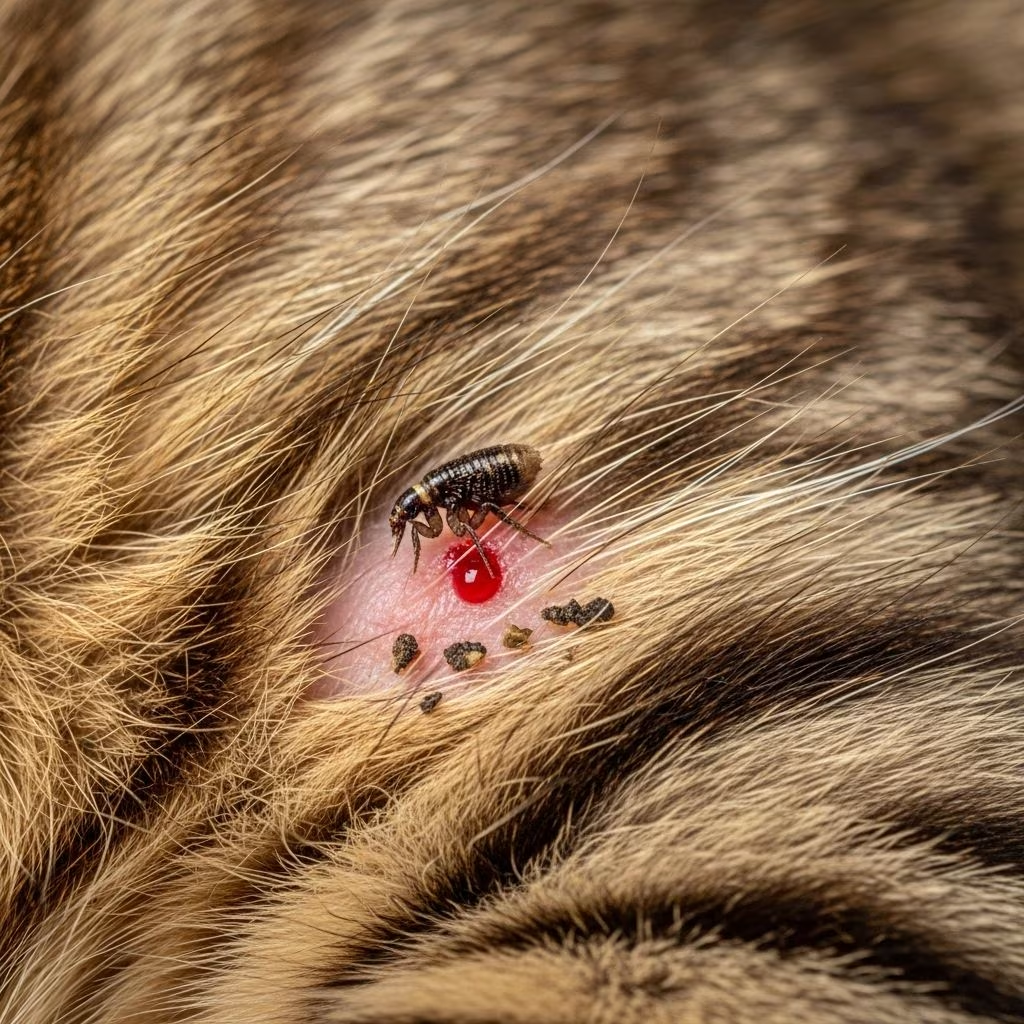
Flea infestations represent one of the most underestimated health threats to domestic cats. While many pet owners view fleas as a minor nuisance causing itching and discomfort, the reality is far more serious. When fleas reach critical population levels, they can drain sufficient blood from a cat to trigger a life-threatening condition characterized by dangerously low red blood cell counts. This condition develops rapidly and can progress from manageable to critical within days, making early recognition and intervention essential for survival.
The Mechanism Behind Flea-Related Blood Loss
Understanding how fleas create a blood loss crisis requires examining their feeding behavior and its cumulative effects on the feline body. Adult fleas are obligate blood feeders, meaning they survive exclusively on blood drawn from their hosts. Each individual flea consumes a surprisingly large quantity relative to its body size, feeding multiple times daily. In isolation, a single flea poses minimal threat to an adult cat’s circulatory system, as the body readily replaces modest blood loss through normal physiological processes.
However, when environmental conditions favor rapid flea reproduction—warm temperatures, high humidity, and access to suitable hosts—populations explode exponentially. An untreated flea infestation can involve hundreds or thousands of parasites competing for feeding opportunities on a single cat. Collectively, these parasites extract blood at a rate that overwhelms the body’s capacity to manufacture replacement red blood cells. The bone marrow, responsible for red blood cell production, cannot accelerate synthesis quickly enough to compensate for the hemorrhaging caused by parasitic feeding. This imbalance between blood loss and blood production creates the cascade of physiological dysfunction characteristic of this condition.
Certain cat populations face heightened vulnerability. Kittens whose immune and hematopoietic systems remain underdeveloped are particularly susceptible, as are senior cats with age-related physiological decline. Cats with pre-existing conditions such as feline leukemia virus, feline immunodeficiency virus, or chronic illnesses experience compounded risk. Additionally, small-breed cats or naturally lean individuals possess smaller total blood volumes, meaning proportionally greater loss threatens organ function more rapidly than in larger animals.
Clinical Manifestations and Recognition Patterns
Pet owners must develop the ability to recognize subtle and overt signs indicating their cat’s blood loss has reached dangerous levels. The earlier these signs are identified, the greater the likelihood of successful intervention.
Visible and Physical Indicators
The most reliable early warning sign involves examination of the gums and inner eyelid tissues. Healthy cat gums display a vibrant pink coloration due to robust blood perfusion through shallow capillaries. In anemic cats, this pink gives way to whiteness or pale gray, reflecting diminished hemoglobin concentration in circulating blood. Pet owners can perform this assessment themselves by gently lifting their cat’s lip and observing gum color during natural light exposure. Similarly, pulling down the lower eyelid to examine the inner conjunctival surface provides another assessment point; pale or white tissue indicates compromised oxygen-carrying capacity.
Beyond mucosal pallor, cats suffering from significant blood loss demonstrate physical weakness disproportionate to their normal resting behavior. Where healthy cats naturally conserve energy through extended rest periods, anemic cats display lethargy that goes beyond normal feline sleeping patterns. These cats struggle to jump onto furniture they previously navigated effortlessly, show reluctance to climb stairs, and appear exhausted after minimal activity. Some cats become unable to maintain stable body temperature, shivering despite warm environmental conditions.
Respiratory changes often accompany advancing blood loss, as the cardiovascular system attempts to compensate for reduced oxygen delivery. Cats may breathe more rapidly, pant without exertion, or display shallow breathing patterns reflecting cardiac compensation mechanisms. Additionally, owners may notice unexplained weight loss, reduced grooming behavior, and dull coat texture as the body redirects energy toward maintaining essential organ function.
Behavioral Modifications
Beyond physical symptoms, cats experiencing significant blood loss often exhibit pronounced behavioral shifts. Many cats increase their sleeping duration substantially, remaining in hidden locations for extended periods. Interest in play, toys, and interactive engagement diminishes markedly. Appetite suppression commonly develops, with affected cats showing indifference to preferred foods or consuming only small quantities before abandoning their dish.
Some cats display heightened sensitivity to environmental stress or handling, becoming irritable or defensive despite normally docile temperament. Others become unusually vocal, meowing excessively as if in distress. These behavioral changes reflect the profound systemic effects of oxygen deprivation on neurological function and overall wellbeing.
Direct Flea Evidence
While behavioral and physical changes provide indirect evidence of blood loss severity, direct proof of infestation includes observable parasites and their byproducts. Live fleas may be visible moving through the fur, particularly in less dense areas such as the belly, groin, and behind the ears. Flea dirt—composed of digested blood excreted by parasites—appears as pepper-like black specks scattered throughout the coat. When moistened, these specks turn reddish-brown, confirming their origin as flea feces. Small red bite marks or scabs may be visible on the skin, particularly where fleas congregate.
Emergency Presentations Requiring Immediate Intervention
Certain manifestations indicate that blood loss has progressed to immediately life-threatening levels requiring emergency veterinary intervention. Collapse or severe weakness where cats cannot stand or support their weight, extreme pallor where mucous membranes appear nearly white, rapid or labored breathing indicating respiratory distress, unconsciousness or unresponsiveness, and rapid heart rate detectable as pounding in the chest all signal critical status. Additionally, signs of internal bleeding such as dark stools, vomiting blood, or bloody urine warrant emergency care. Any cat displaying these symptoms requires veterinary attention without delay, as the margin between intervention and mortality narrows rapidly.
Diagnostic Approaches and Treatment Strategies
Veterinary evaluation of suspected flea-related blood loss begins with a comprehensive physical examination assessing gum color, heart rate, respiratory rate, body temperature, and overall condition. The veterinarian will likely recommend bloodwork including a complete blood count to quantify red blood cell levels and evaluate blood cell morphology. This testing confirms the diagnosis and determines severity, informing treatment decisions.
Treatment approaches vary based on anemia severity and the cat’s overall health status:
- Mild cases may respond to aggressive flea control measures combined with supportive care, nutritional optimization, and monitoring
- Moderate cases typically require flea elimination, supportive medications including iron supplementation or appetite stimulants, and close veterinary monitoring
- Severe cases often necessitate hospitalization, intravenous fluid administration, blood transfusions or blood substitutes, medications to stimulate red blood cell production, and intensive flea control measures
Flea elimination demands immediate action using veterinary-prescribed products specifically formulated to address multiple life stages—eggs, larvae, pupae, and adults. In severely anemic cats, topical sprays with rapid knockdown properties or specialized medicated baths may be preferred over systemic medications to minimize stress on compromised systems. Oral or injectable flea preventatives generally should be deferred until the cat stabilizes.
Environmental control receives equally critical attention. All soft furnishings, bedding, and affected areas must be thoroughly cleaned, vacuumed, and treated with appropriate insecticides, as flea eggs and pupae in the environment can perpetuate infestation cycles. Without environmental remediation, reinfection occurs rapidly despite successful parasite elimination from the cat’s body.
Supporting Recovery and Preventing Recurrence
Recovery from blood loss anemia requires extended convalescence involving proper nutrition, stress minimization, and continued monitoring. High-quality protein and iron-rich foods support bone marrow function and red blood cell regeneration. Cats should be provided quiet, undisturbed resting spaces away from household activity and other pets, as stress impairs recovery.
Owners should monitor gum color daily as an indicator of improving blood oxygen levels and maintain strict adherence to all prescribed medications and flea prevention measures. Most cats show noticeable improvement within days of treatment initiation, though complete recovery typically requires several weeks as the bone marrow reestablishes normal red blood cell production.
Long-term prevention involves year-round flea control using veterinarian-approved products appropriate for the individual cat’s age, weight, and health status. Monthly or quarterly preventative treatments maintain protective barriers against reinfestation far more effectively and safely than treating established infestations.
Frequently Asked Questions
- How quickly can flea anemia develop?
- In kittens and small cats, severe anemia can develop within days of heavy flea exposure. Adult cats with robust health may tolerate moderate infestations longer, but progression can still be rapid once population thresholds are exceeded.
- Can flea anemia be prevented entirely?
- Yes. Consistent year-round flea prevention using veterinarian-recommended products is highly effective at preventing infestation establishment and the resulting blood loss complications.
- Are certain flea treatments unsafe for anemic cats?
- Anemic cats have reduced ability to metabolize and tolerate pesticides and medications. Dipping is avoided due to systemic stress. Veterinarians select gentler alternatives when possible until the cat stabilizes.
- What is the prognosis for cats treated promptly?
- Most cats receiving early intervention show excellent recovery with full resolution of anemia within weeks. Delayed treatment significantly worsens outcomes and increases mortality risk.
Special Considerations for Multi-Cat Households
Households with multiple cats face compounded challenges, as flea populations spread rapidly through the group and environmental contamination becomes extensive. All cats in the home require treatment simultaneously, even those without visible signs, to break transmission cycles. Environmental management becomes more complex and labor-intensive but remains essential.
The Critical Importance of Preventative Care
While treatment of established blood loss anemia is possible, prevention through consistent flea control represents the most effective and humane approach. The physical stress, financial cost, and mortality risk associated with anemia far exceed the minimal investment required for preventative medications. Pet owners who maintain regular flea prevention rarely encounter this life-threatening condition, whereas those who neglect prevention risk their cats’ survival.
References
- Flea Anemia in Cats: Signs, Treatment & Prevention Guide — Coastal Veterinary Care. 2024. https://coastalveterinarycare.vet/flea-anemia-in-cats/
- Flea Disease In Pets, Flea Anemia, Flea Allergies In Dogs & Cats — Safari Veterinary Care Centers. 2024. https://www.safarivet.com/care-topics/dogs-and-cats/fleas/flea-related-disease-pet-animals/
- Flea Infestation & Anemia in Pets: Urgent Pet Care Solutions — Urgent Pet Care. 2024. https://urgentpetcare.com/flea-infestation-flea-anemia-in-pets-when-to-seek-urgent-care-in-the-bay-area/
- Flea Anemia in Dogs and Cats — FirstVet. 2024. https://firstvet.com/us/articles/flea-anemia-in-dogs-and-cats
- Anemia in Cats – Cat Owners — Merck Veterinary Manual. 2024. https://www.merckvetmanual.com/cat-owners/blood-disorders-of-cats/anemia-in-cats
- Anemia | Cornell University College of Veterinary Medicine — Cornell Feline Health Center. 2024. https://www.vet.cornell.edu/departments-centers-and-institutes/cornell-feline-health-center/health-information/feline-health-topics/anemia



