

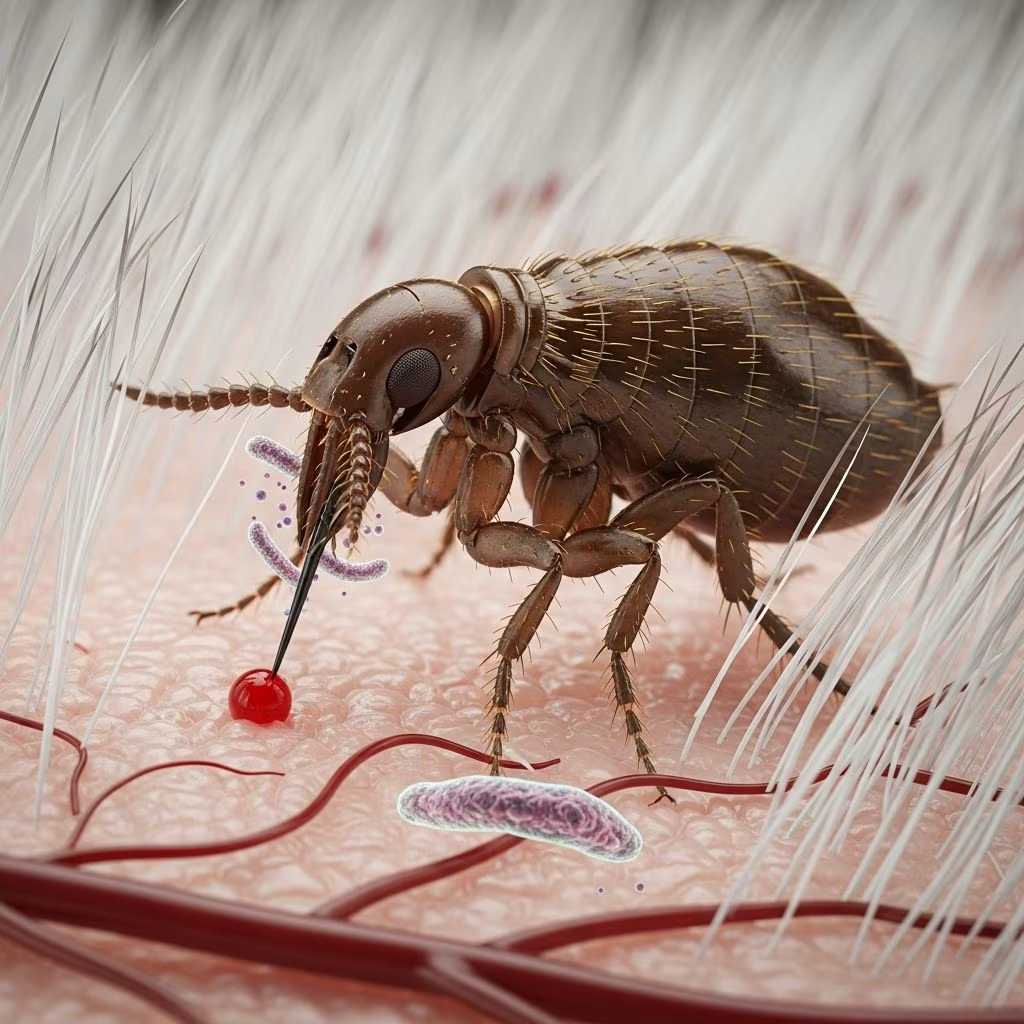
Fleas are far more than a minor inconvenience for dog owners. These small parasitic insects possess the ability to transmit a range of serious health conditions that can significantly impact your dog’s well-being. Understanding the diseases fleas carry and how they spread them is essential for protecting your canine companion from potentially life-threatening complications.
The Broader Impact of Flea Infestations
When most people think of fleas, they imagine itching and discomfort. However, the reality is considerably more complex. Fleas function as disease vectors, capable of transmitting pathogens through their saliva and feces during feeding. The severity of flea-related illness depends on multiple factors, including the extent of infestation, your dog’s age and overall health status, and the specific disease involved.
A single flea can rapidly multiply into hundreds within a short timeframe due to their accelerated reproductive cycle. This exponential growth transforms what might seem like a minor problem into a serious health crisis, particularly for vulnerable populations such as puppies, senior dogs, and small breeds.
Immune-Mediated Reactions: Flea Allergy Dermatitis
Among all flea-related conditions, flea allergy dermatitis (FAD) ranks as the most frequently encountered issue in veterinary dermatology practices. This condition represents an allergic response triggered by flea saliva, not the flea bite itself.
Dogs affected by FAD experience an exaggerated immune reaction to flea antigens. This hypersensitivity manifests through several characteristic symptoms:
- Intense itching that extends far beyond the actual bite location
- Progressive hair loss from excessive scratching
- Secondary skin infections resulting from open wounds
- Inflamed and tender skin patches
- Behavioral changes due to discomfort
The frustrating aspect of FAD is that dogs will continue suffering these symptoms indefinitely until the flea population is completely eliminated. Even a few fleas can trigger severe reactions in sensitized dogs.
Blood Loss and Oxygen Deficiency: Anemia
Heavy flea infestations pose a direct threat through blood loss. When numerous fleas feed simultaneously on a dog, they consume significant quantities of blood, leading to a reduction in red blood cell count—a condition known as anemia.
Anemia manifests through several observable signs:
- Pronounced weakness and reluctance to move
- Lethargy and excessive sleeping
- Rapid or shallow breathing patterns
- Pale or white mucous membranes (gums)
- Jaundiced appearance in severe cases
This condition demands immediate veterinary attention, as severe anemia can progress to shock and death if untreated. Puppies, elderly dogs, and toy breeds face heightened risk due to their limited blood volume reserves.
Bacterial Infections: Bartonellosis and Beyond
Emerging research indicates that bartonella bacteria can be transmitted to dogs through flea bites, though the transmission mechanism remains less clearly understood in canines compared to felines.
When dogs contract bartonellosis, they may experience:
- Fever and elevated body temperature
- Loss of appetite or nausea
- Irregular heartbeat patterns
- Gastrointestinal disturbances including vomiting and diarrhea
- Joint pain and lameness
- Neurological complications affecting brain function
A notable characteristic of bartonellosis is that many infected dogs display no observable clinical symptoms despite harboring the infection. This asymptomatic carrier state complicates diagnosis and treatment strategies.
Parasitic Intestinal Infections: Tapeworms
Fleas serve as intermediate hosts for certain tapeworm species that establish infections in the digestive tract. When dogs groom themselves or ingest fleas while playing, they may inadvertently swallow infected parasites containing tapeworm larvae.
Tapeworm infections produce distinct signs that pet owners should monitor for:
- Rice-like segments visible in stool or around the anus
- Scooting behavior (dragging the rear on the ground)
- Weight loss despite normal appetite
- Abdominal discomfort and bloating
- Diarrhea or loose stools
Detection has become more reliable with modern diagnostic techniques including antigen testing and PCR analysis. Treatment typically involves antiparasitic medications prescribed by a veterinarian.
Rickettsial Diseases: Typhus and Related Conditions
Certain flea species, particularly the Oriental rat flea and cat flea, become vectors for rickettsial bacteria after feeding on infected rodents. Rickettsia typhi, which causes murine typhus, is transmitted when infected fleas defecate while biting, allowing bacteria to enter through the wound or broken skin.
While typhus transmission to dogs is less common than to humans, the potential exists through contaminated flea feces. Dogs exposed to infected fleas may develop:
- Fever and general malaise
- Lethargy and weakness
- Loss of appetite
- Muscle and joint pain
Additionally, plague caused by Yersinia pestis remains a theoretical risk in regions where infected fleas and wild rodent populations coexist.
Comparison Table: Major Flea-Transmitted Diseases
| Disease | Transmission Method | Primary Symptoms | Treatment Approach |
|---|---|---|---|
| Flea Allergy Dermatitis | Flea saliva hypersensitivity | Itching, hair loss, skin infections | Flea elimination, antihistamines, antibiotics for infections |
| Anemia | Blood loss from feeding | Weakness, pale gums, rapid breathing | Flea control, blood transfusion if severe |
| Tapeworms | Ingestion of infected fleas | Rice-like stool segments, scooting | Antiparasitic medications |
| Bartonellosis | Flea bite inoculation | Fever, appetite loss, heart irregularities | Antibiotics (doxycycline) |
| Typhus | Infected flea feces | Fever, lethargy, joint pain | Antibiotics as prescribed by veterinarian |
Environmental and Household Considerations
Addressing flea infestations requires treating not just the dog, but the entire environment. Fleas at various life stages inhabit carpets, bedding, furniture, and outdoor areas where dogs spend time. A comprehensive approach includes:
- Regular vacuuming of carpeted areas and furniture
- Washing dog bedding in hot water weekly
- Treating yard areas where dogs spend outdoor time
- Regular cleaning of furniture and upholstered surfaces
- Professional pest control in severe infestation cases
Failure to address environmental flea populations will result in continuous re-infestation, preventing successful disease control.
Prevention Through Year-Round Protection
Modern flea prevention has evolved significantly, offering multiple administration methods and efficacy levels. Veterinarians recommend year-round protection in most climates, as fleas can survive and reproduce indoors during winter months. Available options include:
- Topical treatments applied monthly or every 6-8 weeks
- Oral medications providing month-long protection
- Injectable solutions offering extended prevention periods
- Flea collars with advanced technological designs
- Environmental sprays and premise treatments
Selection of the appropriate prevention method depends on individual dog characteristics, lifestyle factors, and regional disease prevalence.
Recognizing Serious Complications
Pet owners should seek immediate veterinary care if their dog exhibits:
- Signs of severe anemia (extreme weakness, pale gums)
- Persistent fever lasting several days
- Neurological symptoms such as seizures or disorientation
- Severe skin infection or widespread open sores
- Loss of consciousness or collapse
- Rapid weight loss despite treatment initiation
These symptoms may indicate serious complications requiring emergency intervention.
Frequently Asked Questions
How quickly can a flea infestation develop?
Fleas reproduce rapidly under favorable conditions. A single pregnant female can produce hundreds of offspring within weeks, with new generations emerging as frequently as every two to three weeks.
Can dogs recover from flea-related anemia?
With prompt treatment and flea elimination, many dogs recover from mild anemia. Severe cases may require blood transfusions and intensive veterinary support. Young and elderly dogs face higher mortality risks.
Is human infection from dog fleas possible?
Yes, certain diseases transmitted by fleas can affect humans, particularly typhus and Mycoplasma infections in immunocompromised individuals.
How often should I apply flea prevention?
Most modern preventatives require monthly application or administration. Some newer formulations provide protection for extended periods up to several months. Your veterinarian can recommend the optimal schedule for your dog.
What should I do if my dog has tapeworms?
Veterinarians prescribe specific antiparasitic medications tailored to your dog’s weight and health status. Concurrent flea treatment is essential to prevent re-infection.
Conclusion: Proactive Management is Essential
Fleas represent a significant health threat extending far beyond superficial discomfort. The diseases they transmit—from life-threatening anemia to serious bacterial infections—demand that pet owners treat flea control as a critical health priority. Through consistent year-round prevention, rapid treatment of infestations, and environmental management, dog owners can effectively protect their companions from flea-related disease. Consultation with veterinarians regarding individual risk factors and optimal prevention strategies ensures that each dog receives appropriate protection tailored to their specific circumstances.
References
- Flea Allergy Dermatitis and Disease Transmission in Dogs — Elanco Animal Health. February 2026. https://yourpetandyou.elanco.com/us/parasites/fleas/flea-diseases-in-dogs
- Flea-Borne Diseases: Typhus, Mycoplasma, and Bartonella Transmission — PetMD Editorial. February 2026. https://www.petmd.com/general-health/flea-bites-diseases-these-parasites-can-spread
- The Health Risks of Fleas and Ticks — American Animal Hospital Association (AAHA). February 2026. https://www.aaha.org/resources/the-health-risks-of-fleas-and-ticks/
- An Update on Fleas, Flea-Borne Diseases, and Flea Control — Today’s Veterinary Practice. February 2026. https://todaysveterinarypractice.com/parasitology/an-update-on-fleas-flea-borne-diseases-and-flea-control/
- Flea-Transmitted Diseases and Prevention — Hartz Mountain Corporation. February 2026. https://www.hartz.com/flea-transmitted-diseases/
- Fleas in Dogs and Cats: Integumentary System — Merck Veterinary Manual. February 2026. https://www.merckvetmanual.com/integumentary-system/fleas-and-flea-allergy-dermatitis/fleas-in-dogs-and-cats



