

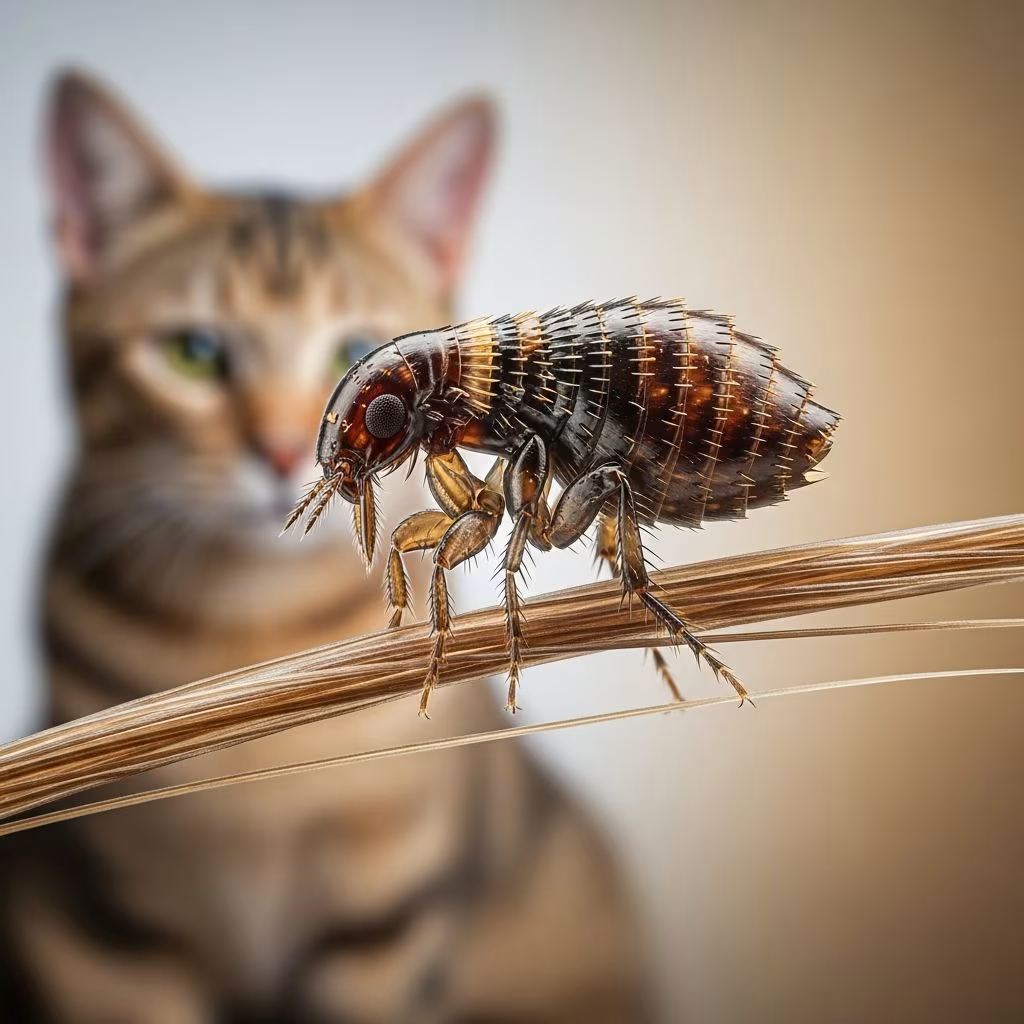
Flea infestations pose significant health threats to dogs and cats, but many common control products carry notable risks. Modern veterinary-approved treatments offer high efficacy with fewer side effects compared to older options like lufenuron-based Program.
Understanding Flea Infestations and Treatment Necessity
Fleas complete their life cycle rapidly, with adults representing only 5% of the population while eggs, larvae, and pupae infest environments. Effective control requires targeting all stages, often turning pets into ‘flea vacuums’ that kill acquired parasites and prevent reproduction.
Without intervention, fleas cause itching, allergies, anemia, and transmit diseases like Bartonella or tapeworms. Year-round prevention is essential, even in cooler climates, as indoor populations persist.
Historical Flea Control: The Program Example
Early insect growth regulators (IGRs) like lufenuron, sold as Program, aimed to disrupt flea egg and larval development by inhibiting chitin synthesis. Administered orally, it required pets to ingest fleas for effectiveness, limiting its standalone use.
While reducing flea numbers by up to 99% when combined with adulticides, Program faced scrutiny for inconsistent field performance and emerging safety concerns. Pet owners reported variable results, prompting shifts to combined insecticide-IGR formulas.
Common Side Effects Across Flea Products
Flea treatments, especially older oral IGRs, can trigger adverse reactions ranging from mild gastrointestinal upset to severe neurological events. Symptoms include vomiting, diarrhea, lethargy, tremors, and in rare cases, seizures or death.
- Gastrointestinal issues: Nausea, loss of appetite, and loose stools affect up to 10% of treated pets.
- Skin reactions: Redness, itching, or hair loss at application sites for topicals.
- Neurological signs: Hyperactivity, ataxia, or convulsions, particularly with isoxazoline-class orals.
- Rare hypersensitivity: Anaphylaxis in sensitive animals.
These effects stem from individual metabolism variations, overdosing, or interactions with other medications. Puppies, kittens, and breeds like Collies may be more susceptible.
Neurological Risks: Seizures and Beyond
High-profile cases linked products like Program to seizures in dogs, especially when combined with pyrethrins. Veterinary pharmacovigilance data highlights isoxazolines (e.g., afoxolaner, fluralaner) carrying FDA warnings for neurologic events, though incidence remains low (less than 1%).
| Product Class | Reported Risks | Efficacy Duration |
|---|---|---|
| Isoxazolines (oral/topical) | Tremors, seizures (rare) | 1-3 months |
| IGRs (lufenuron) | Vomiting, neuro signs | Monthly |
| Neonicotinoids (imidacloprid) | Mild GI upset | 1 month |
| Fipronil combos | Local irritation | 1-2 months |
Studies show newer formulations like spinetoram or sarolaner provide 99%+ flea reduction for months with minimal adverse events in controlled trials.
Modern High-Efficacy Alternatives
Recent advancements prioritize broad-spectrum, long-lasting protection. Oral isoxazolines like afoxolaner (NexGard) achieve 100% flea kill within hours, reducing environmental contamination by 99.9% over 60-90 days.
Topical options such as fluralaner spot-ons yield 99% efficacy at 12 weeks on cats, outperforming older fipronil-methoprene combos. Collars with imidacloprid-flumethrin offer 8-month coverage against fleas and ticks.
- Sarolaner + moxidectin: 99.7% flea reduction for 35 days, no eggs laid.
- Spinosad: Excellent 2-3 month kill rates in labs.
- Selamectin: Kills fleas in 24 hours, ovicidal action.
Factors Influencing Side Effect Risks
Pet age, weight, health status, and concurrent drugs amplify risks. For instance, MDR1 gene mutation in herding breeds heightens sensitivity to certain actives. Accurate dosing via vet prescription mitigates this.
Environmental factors like humidity prolong flea viability, necessitating integrated approaches: pet treatment plus premise cleaning. Vacuuming daily reduces pupae by 30%.
Safe Implementation Strategies
Veterinarians recommend year-round protocols tailored to lifestyle. Start with flea combing and bathing, then apply preventives monthly.
- Consult vet for breed-specific recommendations.
- Use prescription products over OTC for purity.
- Monitor for 48 hours post-application.
- Combine with environmental controls: wash bedding weekly, use IGR sprays indoors.
- Transition gradually if switching products.
Field trials confirm single doses of indoxacarb or fluralaner sustain 99% control for 86 days, minimizing re-exposure risks.
Integrated Pest Management for Homes
Treating pets alone fails against 95% off-host fleas. Effective programs vacuum carpets, steam clean, and apply premise IGRs like methoprene, achieving 98% home flea reduction.
Natural adjuncts include diatomaceous earth or essential oils (e.g., cedar), but these lack peer-reviewed efficacy data and may irritate pets.
When to Seek Veterinary Help
Immediate vet attention is warranted for persistent scratching, pale gums, weakness, or treatment reactions. Blood tests diagnose flea allergy dermatitis or anemia.
Annual wellness exams ensure preventives match evolving parasite resistance patterns, rare but monitored in fipronil and neonicotinoids.
FAQs on Flea Control Safety
Are flea collars safer than orals?
Collars provide steady release but risk neck irritation; orals act systemically with rare neuro risks. Efficacy is comparable at 99%.
Can pregnant pets use preventives?
Many like selamectin are safe; confirm with vet.
How soon do modern treatments kill fleas?
Within 4-24 hours for most insecticides.
Is resistance a growing issue?
Limited evidence; new actives maintain high efficacy.
What if my pet has a reaction?
Stop use, bathe, and contact vet; report to manufacturer.
Choosing the Right Prevention Plan
Assess tick exposure, indoor/outdoor access, and multi-pet homes. Broad-spectrum options covering heartworm add value. Consistent use prevents 100% of flea-related diseases in studies.
Pet owners achieving 12-month compliance report zero infestations. Budget for vet consults ensures optimal safety and efficacy.
References
- Recent Advancements in the Control of Cat Fleas — PMC (National Library of Medicine). 2020-10-15. https://pmc.ncbi.nlm.nih.gov/articles/PMC7600267/
- How you and your clients can win the flea control battle — dvm360. 2023-01-12. https://www.dvm360.com/view/how-you-and-your-clients-can-win-flea-control-battle
- The Case for Year-Round Flea and Tick Control — Companion Animal Parasite Council (.org, veterinary consensus). 2024-05-20. https://capcvet.org/articles/the-case-for-year-round-flea-and-tick-control/
- Fleas: Treatment & Prevention — Oregon Veterinary Medical Association (.org). 2022-08-10. https://www.oregonvma.org/care-health/companion-animals/health-safety/fleas-treatment-prevention
- Effective Flea And Tick Control Methods For Your Pets — Natomas Vet (.edu-affiliated clinic). 2025-03-05. https://natomasvet.com/effective-flea-and-tick-control-methods-for-keeping-your-pets-safe-and-healthy/
- Fleas — Cornell University College of Veterinary Medicine (.edu). 2024-11-18. https://www.vet.cornell.edu/departments-centers-and-institutes/riney-canine-health-center/canine-health-topics/fleas



