
Flea Control in Dogs: Complete Guide to Treatment & Prevention
Master flea control for dogs with effective treatments, prevention strategies, and environmental management techniques.
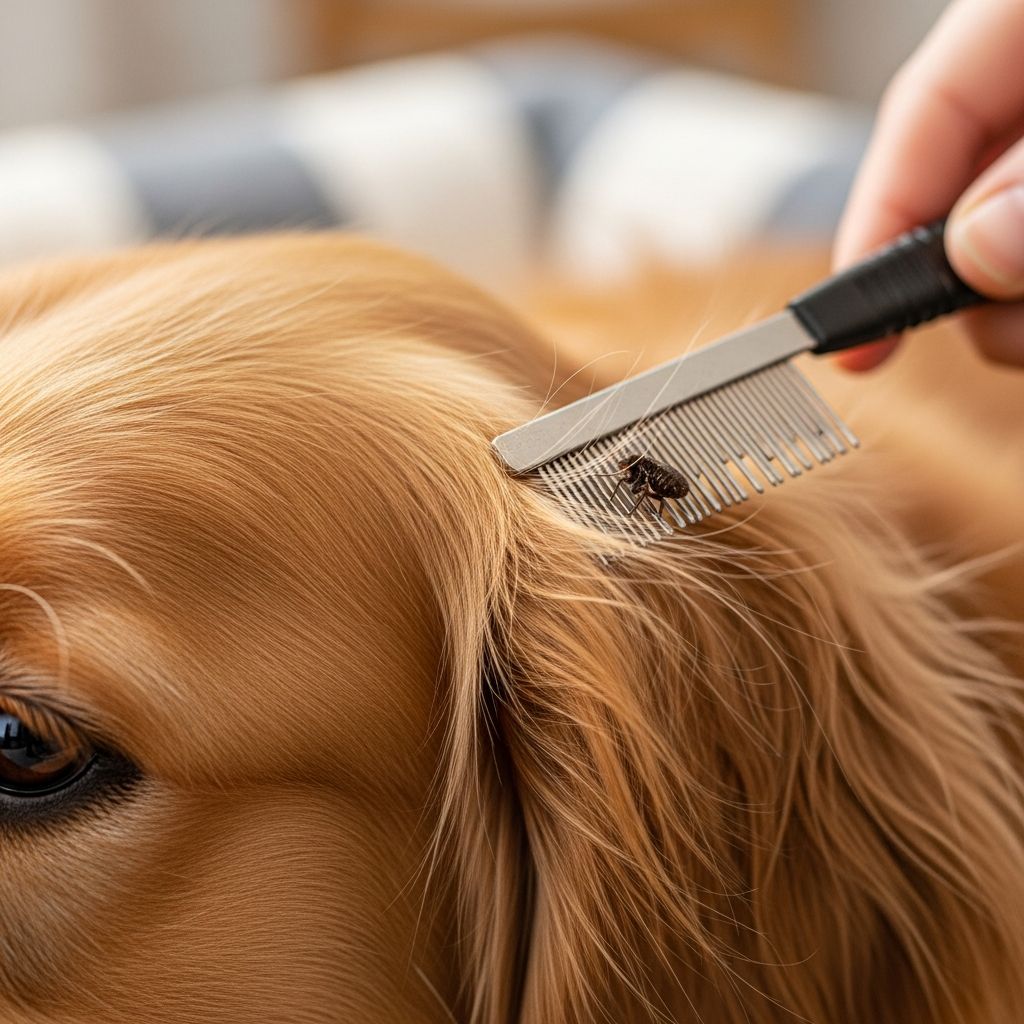
Understanding Flea Control in Dogs
Fleas are one of the most common parasites affecting dogs, causing discomfort, skin irritation, and potential health complications if left untreated. Effective flea control requires a comprehensive approach that addresses not only the adult fleas on your dog but also their eggs, larvae, and pupae throughout your home and yard. Understanding the flea life cycle and implementing a multi-faceted treatment strategy is essential for successful long-term flea management.
The Flea Life Cycle and Why It Matters
Fleas undergo a complete metamorphosis with four distinct life stages: egg, larva, pupa, and adult. Each stage requires different treatment approaches. Adult fleas represent only about 5% of the total flea population in your home, while eggs, larvae, and pupae make up the remaining 95%. This is why treating only your dog is insufficient for complete flea eradication. Understanding this cycle helps pet owners appreciate why comprehensive environmental treatment is necessary to break the reproductive chain and prevent reinfestation.
Identifying Flea Infestations in Dogs
The first step in flea control is recognizing the signs of infestation. Common indicators include excessive scratching, red or irritated skin, tiny black specks (flea dirt) in the coat, and visible fleas. To confirm a flea infestation, use a flea comb on your dog’s skin and look for flea dirt or actual fleas. Flea dirt appears as small black particles that turn reddish-brown when moistened, indicating digested blood. If you suspect fleas, contact your veterinarian immediately for professional diagnosis and treatment recommendations tailored to your dog’s specific needs.
Flea Treatment Options for Dogs
Multiple effective treatment options are available for flea control, and the best choice depends on your dog’s age, weight, health status, and lifestyle. Working with your veterinarian ensures you select the most appropriate medication with minimal risk of adverse effects.
Oral Flea Medications
Oral flea preventives come in chewable tablet form and offer rapid action against fleas. These medications typically begin working within 30 minutes to a few hours, providing quick relief from active infestations. Oral medications often provide comprehensive protection against multiple parasites beyond fleas, including ticks and intestinal worms. The convenience of monthly dosing makes oral preventives appealing to many pet owners, though some dogs may be reluctant to accept the tablets.
Topical Flea Treatments
Topical treatments, applied directly to the skin at the back of the neck or along the spine, are among the most popular flea prevention methods. These products typically take 12 to 48 hours to reach full effectiveness and should be allowed to dry completely before the dog bathes or swims. Common active ingredients in topical treatments include imidacloprid, fipronil, selamectin, and permethrin. These medications kill adult fleas and often contain additional agents like pyriproxyfen or IGRs (insect growth regulators) that prevent eggs and larvae from developing, disrupting the flea life cycle.
Flea Collars
Modern flea collars containing ingredients such as imidacloprid and flumethrin provide extended protection lasting up to eight months. Some collars kill fleas within 24 hours and ticks within 48 hours of application. Flea collars are ideal for dogs that tolerate them well and offer continuous protection without monthly applications. However, if your dog bathes or swims frequently, the efficacy may decrease, potentially requiring more frequent collar replacement.
Flea Shampoos and Sprays
Flea shampoos and sprays serve as supplementary treatments providing immediate relief during acute infestations. These products are most effective when used alongside primary flea preventives rather than as standalone treatments. While they can help manage active fleas, they do not provide the long-term protection necessary for sustained flea control.
Environmental Treatment and Home Management
Treating your home environment is absolutely critical for successful flea control. Fleas and their life stages hide in carpets, furniture, bedding, baseboards, and floor crevices, making thorough environmental treatment essential.
Sanitation and Cleaning
Begin environmental treatment by thoroughly cleaning all areas where your dog frequents. Wash all pet bedding in hot water, which kills flea eggs and pupae that are otherwise resistant to insecticides. Regular and vigorous vacuuming of carpets, floors, and upholstered furniture removes many eggs, larvae, and pupae. Before applying sprays, vacuum thoroughly and move furniture and cushions to access areas underneath, as larvae burrow deep into carpet fibers and hidden spaces. After vacuuming, immediately dispose of the vacuum bag to prevent eggs and larvae from developing inside the cleaner.
Chemical Treatment Products
Several products effectively eliminate fleas at various life stages within your home. Adulticide sprays kill adult fleas on contact, while sprays containing insect growth regulators (IGRs) prevent eggs and larvae from developing. Professional pest control services can apply insecticides throughout your home for comprehensive treatment. Focus initial treatment on the entire household, then concentrate on hot spots where your dog spends the most time—soft furniture, beds, and favorite napping areas. Pay particular attention to baseboards, floor crevices, and spaces between floorboards where larvae hide.
Treatment Timing and Sequence
For optimal results, treat your living areas and yard on the same day you treat your pet with flea medication. Vacuuming before applying sprays is beneficial because vibrations encourage newly developed fleas to emerge from pupae, making them vulnerable to the insecticide. You may need to repeat treatments to address all life stages as they emerge from protected pupae.
Outdoor Flea Control
Flea exposure outdoors is inevitable when your pet spends time outside. Taking steps to reduce this exposure prevents constant reinfestation. Ensure your dog receives a veterinary-recommended flea preventive suitable for outdoor exposure. Additionally, reduce flea populations in your yard by preventing other animals like raccoons and opossums from spending time in your outdoor spaces, as these wildlife can harbor fleas and re-inf
Long-Term Flea Prevention Strategies
Prevention is far more effective and cost-efficient than treating established infestations. Implementing consistent, year-round flea prevention protects your dog and household from reinfestation.
Monthly Preventive Medications
Monthly flea and tick medications are essential for year-round protection, particularly in warm and humid climates where fleas thrive and reproduce rapidly. Topical treatments applied monthly, oral medications administered on schedule, or flea collars replaced as needed provide consistent protection. Consistent use of these preventatives maintains a flea-free environment and safeguards your pet’s health.
Multi-Pet Household Considerations
In households with multiple pets, every animal must receive flea prevention, as a single untreated pet can reinfest the entire household. Following flea infestations, continue administering flea control to all pets for 3 to 6 months to allow time for any remaining flea life stages to complete their cycles and die. This extended prevention period is crucial for preventing recurrence.
Resistance and Product Selection
There is no evidence of fleas developing resistance to modern veterinary-recommended insecticides, especially once-a-month topical flea preventives containing sterilizing agents or IGRs in addition to adulticidal ingredients. Using products specifically formulated to target multiple life stages provides superior protection compared to single-action medications. Your veterinarian can recommend the most effective products based on current parasitic threats in your region.
Managing Flea Allergy Dermatitis
Some dogs develop flea allergy dermatitis (FAD), a hypersensitive reaction to flea saliva that causes intense itching, hair loss, and skin infections even from minimal flea exposure. If your dog shows signs of flea allergy dermatitis, prompt action is necessary to prevent further complications. Work closely with your veterinarian to implement aggressive flea prevention and possibly medical treatment to manage allergic symptoms and prevent secondary infections.
Working with Your Veterinarian
Consulting your veterinarian is essential for successful flea control. Veterinarians can properly diagnose infestations, recommend the most effective medications for your specific dog, and monitor for complications. They can also address any underlying health concerns that might complicate flea treatment and provide guidance on environmental management strategies tailored to your home and yard situation. Regular veterinary consultation ensures you’re using appropriate preventive protocols and addresses problems before they become severe.
Frequently Asked Questions
How long does it take to eliminate a flea infestation?
The timeline for complete flea elimination varies depending on infestation severity and treatment compliance. Typically, the process can take weeks to several months. Consistent medication application and thorough environmental treatment accelerate the process, while incomplete treatment extends the timeline.
Can natural flea treatments effectively control fleas?
While natural flea treatments may appeal to pet owners, most are ineffective and can pose health risks to dogs. FDA-approved veterinary products have proven efficacy and safety profiles, making them the recommended choice for reliable flea control.
What should I do if my dog keeps getting fleas despite treatment?
If your dog repeatedly develops fleas, consider whether environmental treatment is adequate, whether all household pets are being treated, and whether your yard requires treatment. Discuss with your veterinarian whether a different medication class might be more effective for your situation.
Is year-round flea prevention necessary?
In warm climates, year-round prevention is essential as fleas can survive and reproduce throughout the year. Even in cooler regions, many veterinarians recommend year-round prevention for optimal protection, as fleas can survive indoors during winter months.
How often should I vacuum to control fleas?
During active infestations, vacuum at least once weekly, ideally two to three times weekly, to remove flea eggs and larvae. Regular vacuuming also encourages pupae to emerge prematurely, making them vulnerable to insecticides. Dispose of vacuum bags immediately after each use.
Can fleas from my dog infest my home’s human residents?
Dog fleas primarily feed on canine hosts and rarely bite humans. However, controlling fleas is still important for your dog’s health and comfort, and to prevent infestations from becoming established in your home.
References
- Flea Control in Dogs — VCA Animal Hospitals. 2024. https://vcahospitals.com/know-your-pet/flea-control-in-dogs
- Getting Rid of Fleas — Centers for Disease Control and Prevention (CDC). 2024. https://www.cdc.gov/fleas/getting-rid/index.html
- The Complete Guide to Flea and Tick Prevention and Treatment for Dogs — PetMD. 2024. https://www.petmd.com/dog/general-health/flea-and-tick-prevention-and-treatment-dogs
- Your Guide to Preparing for Flea and Tick Season — The American Society for the Prevention of Cruelty to Animals (ASPCA). 2024. https://www.aspca.org/news/your-guide-preparing-flea-and-tick-season
- Fleas: Treatment and Prevention — Oregon Veterinary Medical Association. 2024. https://www.oregonvma.org/care-health/companion-animals/health-safety/fleas-treatment-prevention
- Fleas — Cornell University College of Veterinary Medicine, Riney Canine Health Center. 2024. https://www.vet.cornell.edu/departments-centers-and-institutes/riney-canine-health-center/canine-health-topics/fleas
Similar Articles








Read full bio of Sneha Tete




