

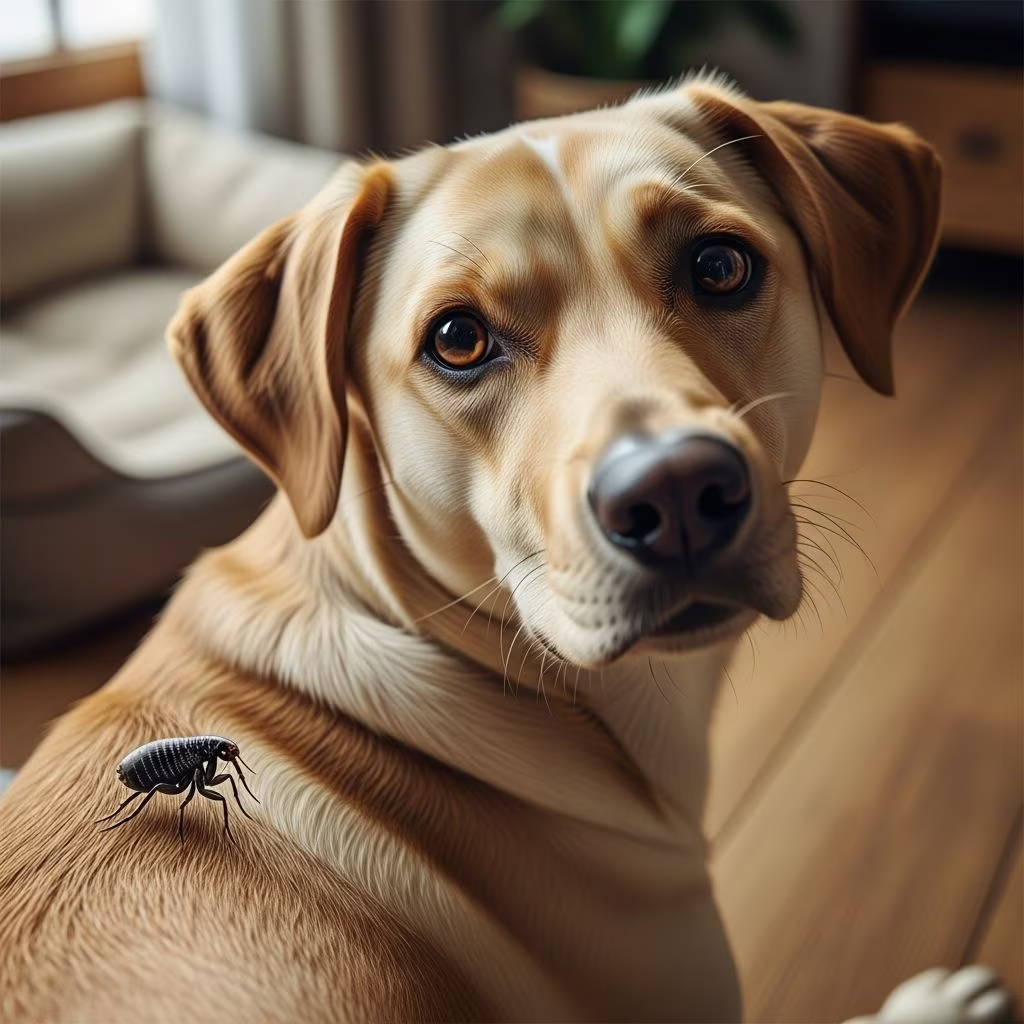
Understanding Flea Control in Dogs
Fleas are one of the most common parasites affecting dogs worldwide, causing discomfort, skin irritation, and potentially transmitting diseases. Effective flea control requires a multi-faceted approach that addresses not only your dog’s direct protection but also the home environment and outdoor spaces where your pet spends time. Understanding the flea life cycle and implementing comprehensive control measures is essential for maintaining your dog’s health and comfort.
The Flea Life Cycle: Why Complete Control Matters
To effectively control fleas, it’s crucial to understand their life cycle, which consists of four stages: eggs, larvae, pupae, and adults. Adult fleas represent only about 5% of the total flea population in an infested environment, while eggs, larvae, and pupae make up the remaining 95%. This means that treating only adult fleas on your dog leaves the majority of the flea population untreated in your home and yard. For this reason, veterinarians recommend continuing flea control treatments for all pets in the household for 3–6 months following an infestation to allow time for remaining flea life stages to be eliminated and prevent reinfestation.
Direct Pet Treatment Options
Treating your dog directly with veterinary-recommended flea preventives is the foundation of any effective flea control program. Several categories of products are available, each working through different mechanisms to eliminate fleas at various life stages.
Prescription Flea Preventives
Prescription flea preventives prescribed by veterinarians offer the most effective and comprehensive protection. These products are formulated with carefully tested ingredients and dosages appropriate for your dog’s specific weight, age, and health status. Your veterinarian can recommend the most suitable option based on your dog’s lifestyle, health history, and any potential sensitivities or contraindications with other medications your dog may be taking.
Over-the-Counter Options
While over-the-counter flea treatments are readily available at pet stores and online retailers, veterinarians generally recommend prescription alternatives due to superior efficacy and safety profiles. Prescription products have undergone more rigorous testing and quality control, ensuring consistent effectiveness and lower risk of adverse reactions.
Environmental Treatment Strategies
Treating your home environment is equally important as treating your dog directly. Since the majority of fleas exist as eggs, larvae, and pupae in your home, not on your dog, environmental control is critical for breaking the flea life cycle.
Indoor Treatment Methods
Several products and techniques are available to treat your home environment:
- Adulticide sprays — These products kill adult fleas present in your home. They are most effective when used in conjunction with other control measures.
- IGR sprays (Insect Growth Regulators) — These sprays prevent flea eggs and larvae from developing into adults, effectively breaking the reproductive cycle.
- Professional pest control services — Professional exterminators have access to commercial-grade insecticides and can provide thorough treatment of your entire home.
Strategic Application of Home Treatments
When treating your home, it’s important to target areas where fleas are most likely to concentrate. Flea eggs, larvae, and pupae tend to accumulate in specific locations, and treatment should be applied strategically rather than haphazardly throughout your home.
Begin by treating your entire household to eliminate the bulk of the flea population. Once this initial treatment is complete, concentrate on “hot spots” — areas where your dog spends significant time. These typically include soft furniture where your dog rests, pet beds, and areas of carpeting where your dog frequently naps. Pay special attention to baseboards, cracks between floorboards, and crevices in furniture, as flea larvae burrow into these protected areas where they are difficult to reach.
After hatching from eggs, flea larvae instinctively move away from light and burrow deep into carpet fibers and other protected locations. This behavior makes thorough application of treatments essential. When treating furniture and beds, remember to move cushions and furniture to spray underneath, ensuring complete coverage of areas where larvae hide.
Mechanical Removal and Sanitation
Vacuuming plays a critical role in flea control and should be performed regularly and thoroughly. Regular vacuuming removes flea eggs, larvae, and pupae from carpets and soft furnishings. Additionally, vibrations from vacuuming stimulate pupae to emerge from their protective cocoons, making them vulnerable to subsequent insecticide applications. After vacuuming, immediately dispose of the vacuum bag or empty the canister into a sealed bag to prevent captured eggs and larvae from developing inside the vacuum cleaner.
Washing pet bedding in hot water or replacing it entirely is another important sanitation measure. Hot water effectively kills flea eggs and pupae, which are extremely resistant to insecticides and other control measures. For optimal results, wash bedding at the hottest temperature safe for the fabric at least weekly during active flea control efforts.
Outdoor Flea Control
Since outdoor flea exposure is virtually inevitable when your dog spends time outside, outdoor flea control is an important complement to indoor and pet treatment strategies. Several approaches can reduce flea populations in outdoor areas where your dog frequents.
Preventing Wildlife-Harbored Fleas
One of the most effective outdoor flea control strategies is to discourage other animals such as raccoons, opossums, and feral cats from spending time in your yard. These wildlife species often carry fleas and can serve as vectors for reinfesting your property. Securing garbage cans, removing food sources, and installing fence extensions or other barriers can help discourage wildlife from using your yard.
Yard Treatment for Heavy Infestations
If your yard is heavily infested with fleas, you may consider treating outdoor areas with products containing IGRs. These outdoor treatments should be applied every 14–21 days for three to five applications to effectively interrupt the outdoor flea life cycle. Focus treatment applications on dark, shaded areas where fleas are most likely to survive, as well as areas where your dog sleeps and rest, including any outdoor bedding or shelter areas.
It’s important to note that outdoor insecticide sprays may have unintended negative effects on other insect populations in your yard, including beneficial insects. Consider this environmental impact when deciding whether to treat outdoor areas, and discuss options with your veterinarian or a local pest control professional.
Resistance and Treatment Efficacy
A common concern among pet owners is whether fleas develop resistance to flea control products. Currently, there is no documented evidence of fleas developing resistance to modern prescription flea preventives, particularly once-a-month topical treatments that combine an adulticide with a sterilizing agent or IGR. The combination approach — using products that kill adults while simultaneously preventing egg development — creates multiple barriers that prevent resistance from developing.
Most flea control failures can be attributed to inconsistent application of preventives, treating only the pet without addressing the home environment, or using substandard over-the-counter products rather than veterinary-recommended prescription alternatives. Following your veterinarian’s recommendations for product selection, dosing frequency, and comprehensive household treatment will provide the most reliable flea control.
Integrated Flea Management Approach
The most effective flea control strategy combines multiple methods targeting different aspects of the flea life cycle and different environments where fleas may be found. This integrated approach typically includes:
- Regular direct pet treatment with veterinary-recommended preventives, maintained year-round or seasonally depending on your climate and local flea prevalence
- Consistent home environmental treatment including vacuuming, hot water washing of bedding, and appropriate insecticide or IGR application
- Outdoor environment management including wildlife deterrence and yard treatment when necessary
- Extended treatment duration of 3–6 months following initial infestation to prevent recurrence
- Treatment of all household pets to prevent cross-infestation and ensure comprehensive protection
Working with Your Veterinarian
Your veterinarian is your best resource for developing an effective, safe flea control program tailored to your specific situation. Factors that influence treatment recommendations include your dog’s age and weight, health status, any existing medical conditions or medications, your local climate and seasonal flea patterns, your dog’s lifestyle and outdoor exposure, and any previous adverse reactions to flea preventives.
Schedule regular veterinary consultations to discuss flea control strategies, obtain prescriptions for preventive medications, and address any concerns about treatment efficacy or safety. Your veterinarian can also provide guidance on proper application techniques, treatment frequency, and how to respond if you suspect a flea infestation despite preventive treatment.
Frequently Asked Questions
Q: How long does it take to eliminate a flea infestation from my home?
A: Complete flea elimination typically requires 3–6 months of consistent treatment. This extended timeline accounts for the flea life cycle, particularly the pupae stage, which can remain dormant for extended periods before emerging as adult fleas. Maintaining flea control for the full recommended duration is essential for preventing reinfestation.
Q: Do I need to treat all pets in my household for fleas?
A: Yes, every pet in the household must be treated with flea preventives. Untreated pets can serve as reservoirs for flea reproduction and reinfection of treated animals and your home environment.
Q: Can I use flea treatments from one species on another?
A: No, never use flea treatments formulated for dogs on cats or other pets. Some active ingredients used in dog flea preventives, such as permethrin, are toxic to cats. Always use species-appropriate products prescribed by your veterinarian.
Q: What should I do if my dog has a severe flea allergy dermatitis?
A: Dogs with flea allergy dermatitis have exaggerated immune reactions to flea saliva, causing intense itching and skin damage from scratching. These dogs require rigorous year-round flea prevention to keep flea populations at zero. Your veterinarian may recommend additional treatments for skin irritation and inflammation in addition to aggressive flea control.
Q: Is it necessary to treat my yard if my dog has an outdoor area?
A: While outdoor flea exposure cannot be completely prevented, maintaining your dog on veterinary-recommended flea preventives provides adequate protection in most situations. Yard treatment is recommended primarily if your yard is heavily infested or if your dog has had repeated flea infestations despite preventive treatment.
Q: How effective are natural flea remedies?
A: Natural remedies such as essential oils and diatomaceous earth have limited scientific evidence supporting their effectiveness compared to prescription flea preventives. While some pet owners use these as supplementary measures, prescription products recommended by veterinarians provide more reliable and comprehensive flea control. Discuss any natural remedy options with your veterinarian before using them.
References
- Getting Rid of Fleas — Centers for Disease Control and Prevention. 2024. https://www.cdc.gov/fleas/getting-rid/index.html
- Flea Control in Dogs — VCA Animal Hospitals. https://vcahospitals.com/know-your-pet/flea-control-in-dogs
- Fleas — Cornell University College of Veterinary Medicine, Riney Canine Health Center. https://www.vet.cornell.edu/departments-centers-and-institutes/riney-canine-health-center/canine-health-topics/fleas
- The Complete Guide to Flea and Tick Prevention and Treatment for Dogs — PetMD. https://www.petmd.com/dog/general-health/flea-and-tick-prevention-and-treatment-dogs
- Your Guide to Preparing for Flea and Tick Season — ASPCA. https://www.aspca.org/news/your-guide-preparing-flea-and-tick-season
- Fleas: Treatment & Prevention — Oregon Veterinary Medical Association. https://www.oregonvma.org/care-health/companion-animals/health-safety/fleas-treatment-prevention



