

Flea Control in Cats: A Comprehensive Guide
Fleas are one of the most common parasites affecting cats, and they can cause significant discomfort, health problems, and even transmit diseases. Understanding how to effectively control fleas requires a multi-faceted approach that addresses not just your cat, but also your home environment and yard. This comprehensive guide covers everything you need to know about flea control in cats, from prevention strategies to treatment options and ongoing management.
Understanding the Flea Life Cycle
Before tackling flea control methods, it’s essential to understand the flea life cycle, as this knowledge directly impacts the effectiveness of your treatment strategy. The flea life cycle consists of four stages: egg, larva, pupa, and adult. Adult fleas are the most visible stage, but they represent only about 5% of the total flea population in your home. The remaining 95% exists as eggs, larvae, or pupae in your environment.
Eggs hatch into larvae within 3-16 days, larvae develop into pupae, and pupae emerge as adult fleas ready to infest your cat. This cycle can be completed in as little as 2-3 weeks under ideal conditions, which is why comprehensive treatment targeting all life stages is crucial for successful flea control.
Flea Treatment Options for Cats
Several effective treatment options are available for controlling fleas on cats. The key is selecting products specifically formulated for felines, as some dog flea treatments can be toxic to cats.
Topical Spot-On Treatments
Spot-on treatments, commonly known as “spot-ons,” are applied directly to the back of your cat’s neck where they cannot be licked off. These treatments spread through your cat’s natural skin oils and provide full-body protection within 24 hours of application. Popular brands include Revolution, Frontline, and Advantage II, which generally last for one month and effectively control flea populations.
Spot-on products work by killing adult fleas on contact without requiring the flea to bite your cat. Many formulations also contain insect growth regulators that prevent flea larvae from developing into adults, effectively breaking the flea life cycle. Always ensure the product is labeled for use in cats, as dog formulations may contain harmful concentrations of active ingredients.
Oral Medications
Oral flea medications are ingested by your cat and work by killing fleas when they bite your cat. These medications offer a convenient alternative for cat owners who prefer not to apply topical treatments. Products like Comfortis provide systemic flea control when administered as directed by your veterinarian.
For cats with severe infestations, your veterinarian may recommend fast-acting oral medications like Capstar, which kills live fleas over the course of 24 hours and can be safely given with most traditional flea treatments. Other oral options include insect development inhibitors like lufenuron (Program), which can be given as a pill once a month to suppress flea populations.
Flea Shampoos and Baths
Flea baths using vet-approved flea shampoos can help remove fleas and flea dirt from your cat’s coat. This approach is particularly useful for heavily infested cats and often serves as an initial step before applying other treatments. A simple bath in Dawn dish soap can also remove fleas and flea dirt, and is often the first step veterinarians recommend before administering oral flea treatments.
Treating Your Cat’s Environment
Treating only your cat while neglecting the home environment is one of the most common mistakes in flea control. Since 95% of the flea population lives in your home as eggs, larvae, and pupae, comprehensive environmental treatment is absolutely essential.
Vacuuming and Cleaning
Regular and thorough vacuuming is one of the most effective environmental control methods. Vacuum carpets, floors, and soft furnishings, paying special attention to areas where your cat spends the most time. Once larvae hatch from eggs, they burrow deep into carpets and other nooks and crannies, making them difficult to reach without proper vacuuming techniques.
Be sure to move cushions, furniture, and beds to vacuum under them, as flea larvae often hide in these protected areas. Baseboards and cracks between floorboards are also common flea breeding grounds. After vacuuming, immediately discard the vacuum bag or empty the canister outside to prevent fleas from re-infesting your home.
Washing and Laundering
Wash all cat bedding, blankets, and any other fabric items your cat uses in hot water weekly to kill fleas and flea eggs. Hot water is crucial, as it effectively destroys all flea life stages. Consider washing your own bedding as well if your cat sleeps on it, as fleas can transfer between pet and human sleeping areas.
Using Home Sprays and Treatments
Sprays containing insect growth regulators (IGRs) should be used in areas where flea eggs, larvae, and pupae are likely to accumulate. Begin by treating your entire household, then concentrate on “hot spots” – your cat’s favorite napping spots such as soft furniture, beds, and carpets.
When selecting home flea sprays, ensure they are safe for pets and follow all application instructions carefully. An IGR spray in areas your cat frequents can effectively break the flea life cycle by preventing larvae from developing into adults.
Preventing Outdoor Flea Infestations
If your cat spends time outdoors, treating your yard is an important part of comprehensive flea control. Fleas thrive in warm, shaded, and damp areas, so focus yard treatment on these locations, as fleas avoid direct sunlight.
Mow your lawn regularly and remove yard debris to eliminate flea habitats. Consider using beneficial nematodes, which kill flea larvae but do not harm beneficial insects or pets. Always use outdoor flea treatments that are safe for pets and follow all label instructions.
Year-Round Flea Prevention Plan
Implementing a consistent year-round prevention routine is the most effective way to keep your cat flea-free. This approach is far superior to treating infestations after they develop.
Monthly Prevention Routine
Establish these monthly habits to prevent flea infestations:
- Treat your cat consistently with a vet-approved flea preventative
- Wash pet bedding in hot water
- Vacuum carpets, rugs, and pet areas thoroughly
- Use an IGR spray in areas your cat frequents
- Check your cat weekly with a flea comb to catch any problems early
Regular Grooming and Monitoring
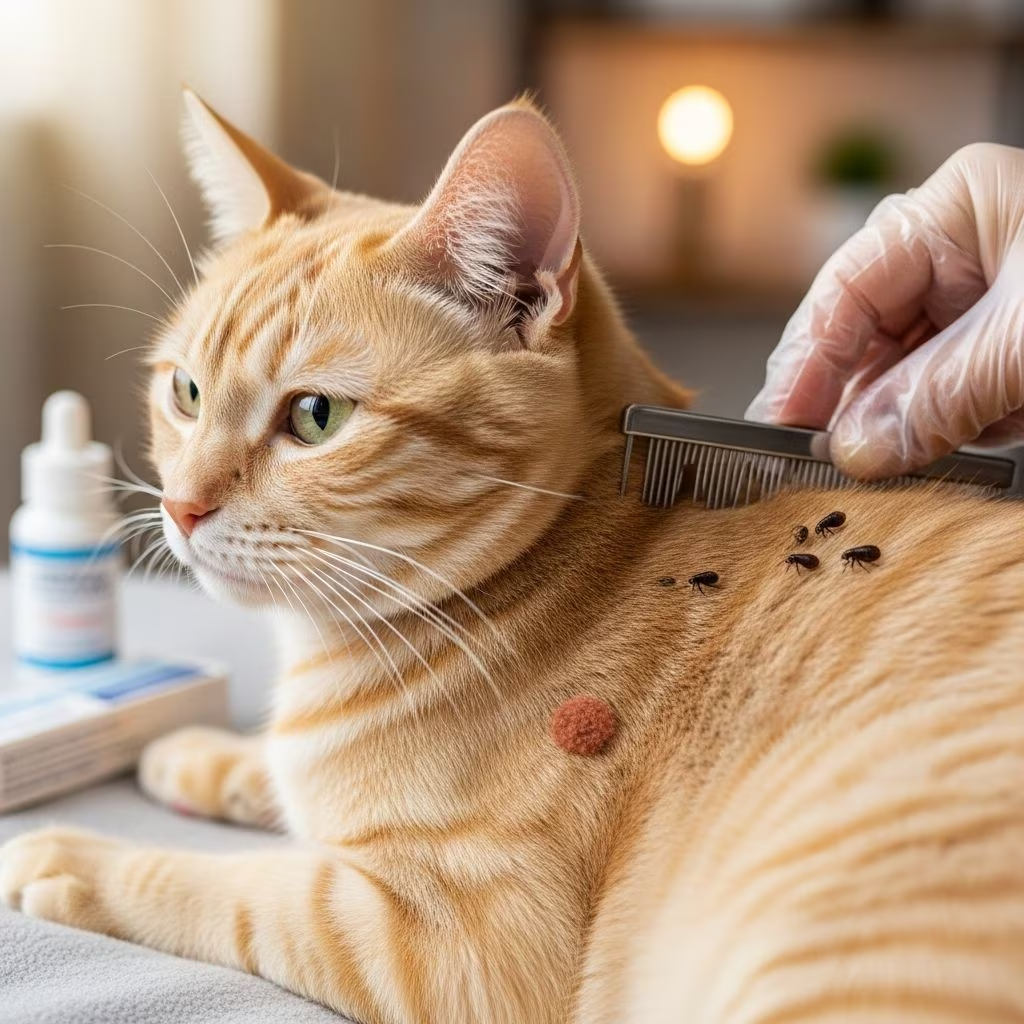
Brush your cat regularly with a fine-tooth flea comb, especially around the neck and tail where fleas congregate. Comb your cat over a white towel or paper to easily spot any fleas or flea dirt. This regular grooming not only helps remove fleas but also allows you to monitor for early signs of infestation.
When Your Cat Already Has Fleas
If you discover that your cat has a flea infestation, quick action is essential to prevent the problem from escalating.
Immediate Steps
Start by giving your cat a bath using a vet-approved flea shampoo to remove visible fleas and flea dirt. After bathing, apply a fast-acting flea treatment such as a spot-on product or oral medication to kill any remaining fleas. For severe infestations, your veterinarian may recommend additional treatments or medications.
Home Treatment
Simultaneously treat your home by vacuuming thoroughly and washing all pet bedding in hot water to eliminate fleas at all life stages. Use appropriate home flea sprays and IGRs to treat carpets, furniture, and other areas where fleas may be hiding. For comprehensive results, you may need to repeat treatments as recommended by your veterinarian.
Important Safety Considerations
Several critical safety points should guide your flea control decisions:
- Never use dog flea treatments on cats – Some dog products contain concentrations of active ingredients that are toxic to cats and can cause serious harm or death. Always use products specifically licensed for cats.
- Consult your veterinarian – Before starting any new flea treatment regimen, discuss your options with your veterinary team, especially if your cat has specific health concerns or sensitivities.
- Follow all label instructions – Always apply treatments exactly as directed to ensure safety and effectiveness.
- Avoid harsh chemicals without verification – Check that any household flea treatments are safe for pets before use.
Common Mistakes to Avoid
Understanding common flea control mistakes can help you achieve more effective results:
- Treating only the cat – Ignoring the home environment allows reinfestation to occur quickly.
- Inconsistent application – Skipping doses or treatments undermines the entire prevention strategy.
- Waiting too long to act – Small infestations can quickly become severe if not addressed promptly.
- Using inappropriate products – Applying dog treatments to cats or non-pet-safe home sprays can cause harm.
- Neglecting to treat all pets – If you have multiple pets, treat them all to prevent fleas from jumping between animals.
Natural and Complementary Approaches
While natural methods should not replace proven flea treatment products, they can support your overall flea control strategy:
- Diatomaceous earth – Sprinkle food-grade diatomaceous earth lightly on carpets to help kill flea larvae, but ensure it is the pet-safe grade.
- Essential oils – Some oils like cedarwood and lemongrass have flea-repellent properties, but always consult your veterinarian first, as some oils are toxic to cats.
- Maintain clean surroundings – Regular cleaning and reduced humidity disrupt flea breeding conditions.
- Regular grooming – Frequent brushing with a flea comb helps remove fleas and monitors for problems.
Frequently Asked Questions
Q: How often should I apply flea treatment to my cat?
A: Most monthly flea preventatives should be applied once per month as directed on the package. Some newer formulations may last longer, so consult your veterinarian about the specific product you’re using.
Q: Can I use a flea treatment meant for dogs on my cat?
A: No, never use dog flea treatments on cats. Dog formulations often contain concentrations of active ingredients that are toxic to cats and can cause serious illness or death. Always use products specifically labeled for feline use.
Q: How long does it take for flea treatment to work?
A: Most topical treatments begin working within 12-24 hours, while some oral medications work within 24 hours. However, complete eradication of fleas from your entire home may take several weeks depending on the infestation severity.
Q: Do I need to treat my home if I treat my cat?
A: Yes, absolutely. Since 95% of the flea population lives in your home as eggs, larvae, and pupae, treating only your cat will result in reinfestation. Comprehensive environmental treatment is essential for success.
Q: What should I do if my cat has a severe flea infestation?
A: Contact your veterinarian immediately. They can assess the situation and may recommend aggressive treatment strategies, multiple products, or prescription-strength medications to quickly resolve the infestation.
Q: How can I prevent fleas year-round?
A: Maintain consistent monthly flea prevention treatments, regularly vacuum and wash pet bedding, groom your cat frequently with a flea comb, and keep your cat’s environment clean and dry. Most cats benefit from year-round prevention, even in cooler months.
Q: Are there natural alternatives to chemical flea treatments?
A: While some natural methods like diatomaceous earth and certain essential oils may provide supplementary support, they should not replace proven flea treatment products. Always consult your veterinarian before using natural remedies, as some can be harmful to cats.
References
- Flea Control for Cats at Home: Your Ultimate Guide — Fleamail. 2024. https://fleamail.com.au/flea-control-for-cats-at-home/
- Fleas and Flea Control in Cats — International Cat Care. 2024. https://icatcare.org/articles/fleas-and-flea-control-in-cats
- Flea and Parasite Prevention in Cats: A Guide for Every Cat Owner — Town Cats. 2024. https://www.towncats.org/flea-and-parasite-prevention-in-cats-a-guide-for-every-cat-owner/
- The Ultimate Guide to Flea Control for Cats and Dogs: Prevention and Treatment — Savvy Pet Care. 2024. https://savvypetcare.com/the-ultimate-guide-to-flea-control-for-cats-and-dogs/
- Flea Control in Cats — VCA Animal Hospitals. 2024. https://vcahospitals.com/know-your-pet/flea-control-in-cats
- Advantage II for Cats: Safe Flea Treatment Guide — PetsCare. 2024. https://www.petscare.com/news/post/advantage-2-cats-guide
- Flea and Tick Prevention and Treatment for Cats — PetMD. 2024. https://www.petmd.com/cat/general-health/flea-and-tick-prevention-and-treatment-cats



