

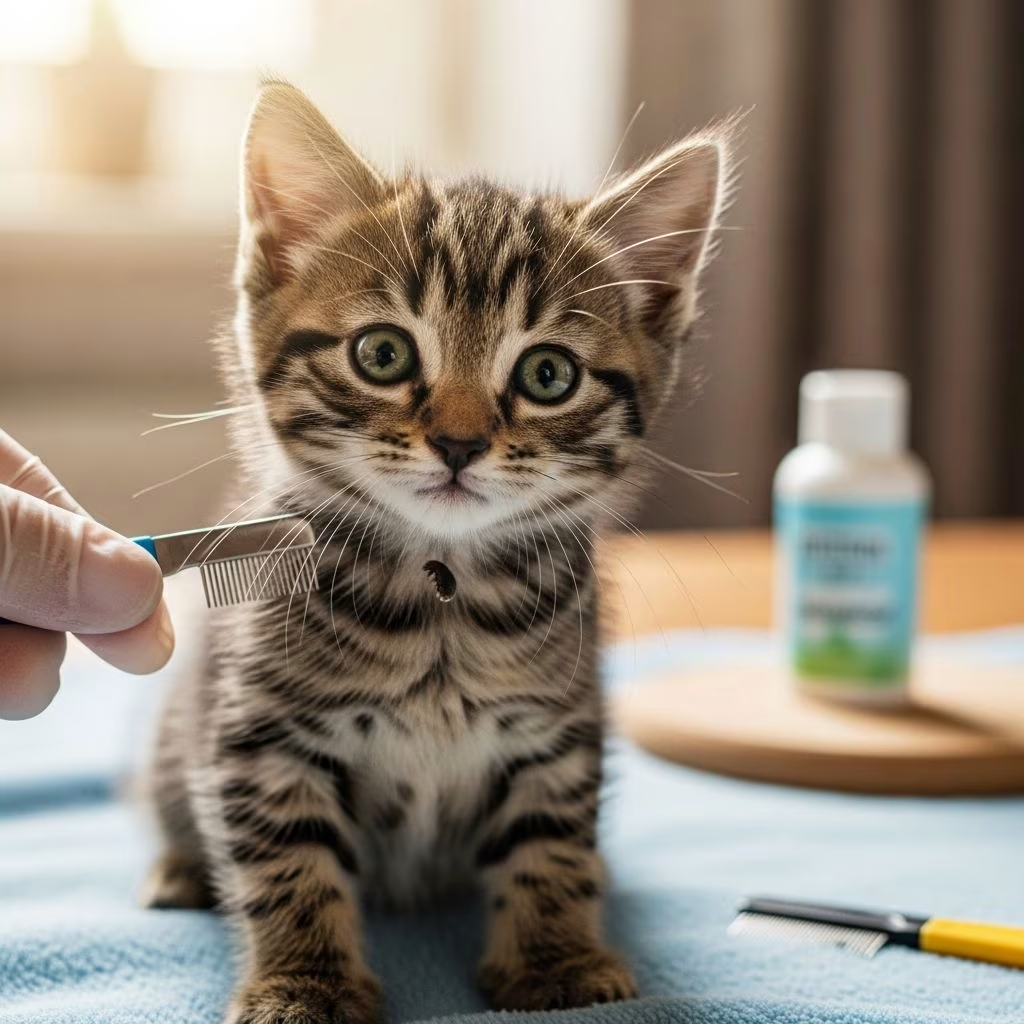
Young kittens between 4 and 12 weeks old are particularly vulnerable to flea infestations due to their small size, underdeveloped immune systems, and inability to regulate body temperature effectively. Fleas can cause severe itching, skin infections, and even life-threatening anemia in these tiny pets. This comprehensive guide outlines safe, step-by-step approaches to identify, treat, and prevent fleas, prioritizing non-chemical methods for the youngest kittens while incorporating veterinary guidance for optimal results.
Recognizing Flea Infestations in Neonatal Kittens
Fleas are tiny, fast-moving parasites that feed on a kitten’s blood, leading to rapid health decline if untreated. Early detection is crucial to avoid complications like flea allergy dermatitis or blood loss anemia, which can be fatal in kittens under 12 weeks.
- Visible signs: Look for small black specks (flea dirt) in the fur, especially around the neck, belly, and tail base. These specks turn reddish-brown when wet, indicating digested blood.
- Behavioral clues: Excessive scratching, biting at the skin, restlessness, or pale gums signaling anemia.
- Physical evidence: Live fleas jumping in the fur or eggs resembling salt grains. Use a fine-toothed flea comb over a white surface to capture and confirm them.
Unlike adult cats, young kittens show amplified symptoms because their blood volume is minimal—a heavy flea burden can drain up to 20-30% of it quickly.
Gentle Dawn-and-Dusk Bathing Protocol for Flea Removal
For kittens 4-12 weeks old, the safest initial treatment is a meticulous soapy bath using mild dish soap or baby shampoo, which drowns adult fleas and removes eggs, larvae, and dirt without harsh chemicals. This method is endorsed for neonatal kittens as it avoids systemic absorption risks.
- Prepare supplies: Lukewarm water (about 100°F or body temperature), fragrance-free dish soap (e.g., Dawn), soft towels, hairdryer on low, and a heat source like a warming pad.
- Create a flea barrier: Form a soapy ring around the neck first to trap fleas escaping upward.
- Lather thoroughly: Massage soap from neck down, focusing on armpits, groin, between toes, and tail. Let sit 2-3 minutes to suffocate fleas.
- Rinse promptly: Use clean warm water to avoid residue irritation. Complete in under 2 minutes to prevent chilling.
- Dry immediately: Towel off, then use a low-heat dryer held 12+ inches away, oscillating constantly. Ensure full dryness before returning to a warm enclosure.
- Head spot-clean: Gently wipe face with a soapy cloth, avoiding eyes, ears, nose, and mouth.
Repeat baths every 2-3 days for heavy infestations until no fleas remain, monitoring for hypothermia.
Veterinary-Prescribed Treatments for Ages 4-12 Weeks
Chemical products pose significant risks to young kittens due to immature livers and kidneys. Avoid over-the-counter sprays, collars, powders, or dog products entirely—they can cause toxicity or death.
| Age Group | Safe Options | Application | Notes |
|---|---|---|---|
| 4-8 weeks | Revolution (selamectin) for kittens <5 lbs (Rx only) | One drop at neck base post-bath; wait 72 hrs before next bath | Vet prescription required; kills fleas and prevents heartworm |
| 8-12 weeks | Advantage (imidacloprid) monthly from 2 weeks in some regions | Spot-on at shoulder blades | Consult vet for local approvals |
| All ages | Flea comb + manual removal | Daily over white paper | Supportive, not standalone |
For spot-on treatments: Part fur at the base of the skull, apply directly to skin, and prevent licking for 24 hours. Tablets or injections offer alternatives if topicals fail. Always verify kitten weight and age with a vet before use.
Environmental Decontamination: Breaking the Flea Lifecycle
Over 95% of fleas reside off the pet—in carpets, bedding, and furniture as eggs or pupae that can survive dormant for months. Treating the kitten alone leads to reinfestation.
- Daily vacuuming: Target floors, upholstery, and baseboards; dispose of bag immediately.
- Hot washing: Pet bedding at 140°F (60°C) minimum; dry on high heat.
- Spray safely: Use pet-safe flea aerosols on surfaces (remove kitten first); avoid direct pet contact. Repeat weekly for 4 weeks.
- Isolate areas: Keep kitten in a flea-free room during treatment.
Pupae hatch via vibrations and warmth, so persistence is key—full eradication takes 2-4 weeks.
Health Risks and Monitoring Post-Treatment
Fleas transmit tapeworms and bacteria, exacerbating issues in young kittens. Watch for anemia (lethargy, weakness, pale gums) requiring blood tests or supportive care like fluids.
- Post-bath: Ensure warmth (incubator or heat lamp at 85-90°F).
- Daily checks: Comb fur, monitor eating/sleeping.
- Secondary issues: Treat skin sores with vet-approved salves.
Young kittens may need iron supplements if anemic; recovery is swift with prompt intervention.
Long-Term Prevention Strategies
Once cleared, monthly preventatives maintain protection. Choose based on lifestyle:
- Topicals: Broad-spectrum like Bravecto Plus from 9 weeks (every 2 months).
- Oral: Chewables disrupting egg development.
- Integrated: Year-round use in flea-prone areas.
Treat all household pets (never dog products on cats) and pregnant mothers separately.
Frequently Asked Questions
Can I use flea shampoo on a 4-week-old kitten?
Yes, but only mild dish soap baths; avoid commercial shampoos until 12 weeks unless vet-approved.
How often should I bathe a fleaed kitten?
Every 2-3 days initially, then weekly for maintenance.
Are flea collars safe for young kittens?
No, most are ineffective and irritating; opt for vet-recommended preventatives.
What if fleas return after treatment?
Intensify home cleaning—95% of fleas are environmental. Reconsult vet.
Is Revolution safe for tiny kittens?
Yes, one drop for under 5 lbs post-bath, by prescription only.
Maintaining a flea-free environment ensures your kitten thrives into adulthood. Consult a veterinarian for tailored advice, especially for multi-pet homes or high-risk areas.
References
- Fleas – Kitten Lady — Kitten Lady. Accessed 2026. http://www.kittenlady.org/fleas
- Cat and kitten flea treatment advice – Blue Cross — Blue Cross. Accessed 2026. https://www.bluecross.org.uk/advice/cat/health-and-injuries/cat-and-kitten-flea-treatment-advice
- Flea & Tick Treatment & Medicine for Cats – Chewy — Chewy. Accessed 2026. https://www.chewy.com/b/flea-tick-404
- Kitten flea prevention – The University of Sydney — University of Sydney Vet Hospital. Accessed 2026. https://www.sydney.edu.au/vet-hospital/general-practice/new-kitten-care/kitten-flea-prevention.html
- Treating Fleas on Kittens | Healthy Habits For New Pets — Healthy Habits for Pets. Accessed 2026. https://healthyhabitsforpets.com/cat/treating-fleas-kittens



