

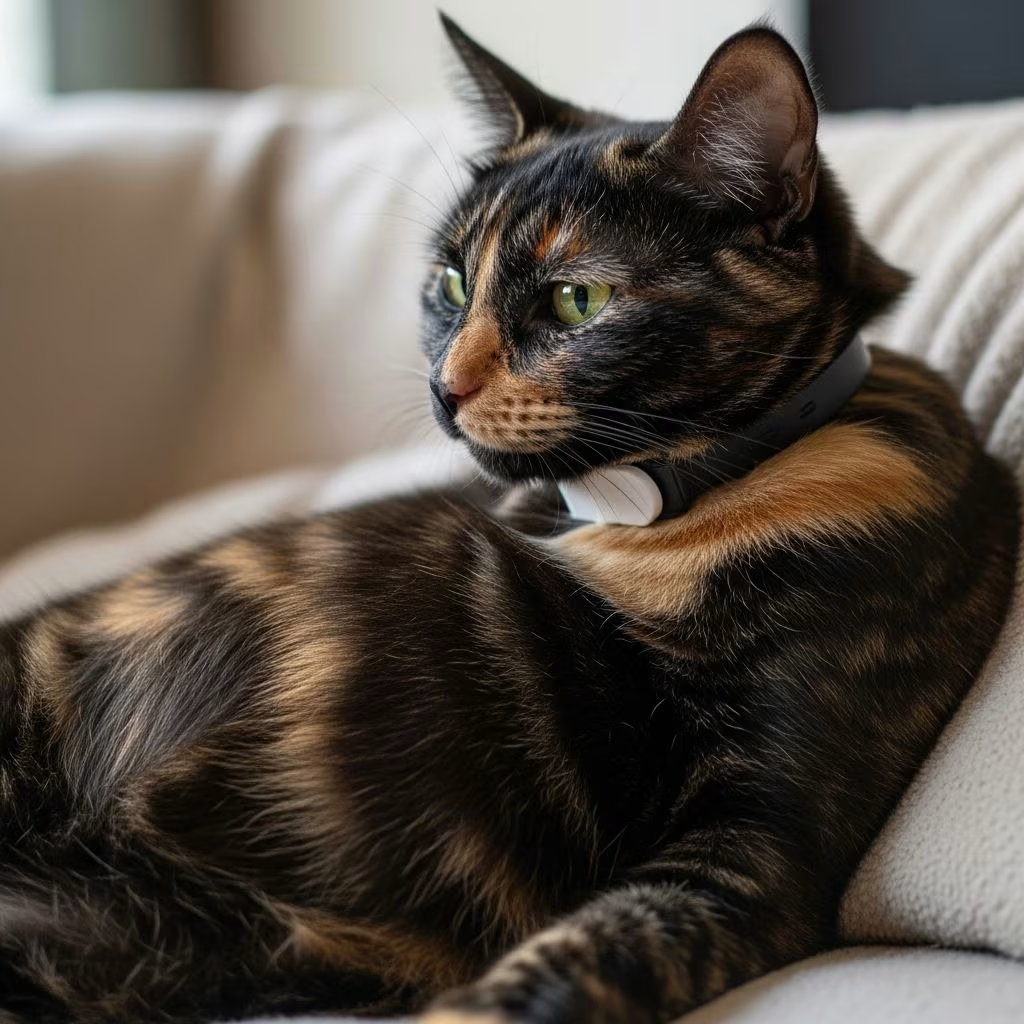
Protecting a pregnant cat from fleas requires careful consideration, as standard flea collars often lack safety data for expectant mothers and their developing kittens. Veterinary experts universally recommend consulting a professional before applying any flea control product to avoid potential harm to the queen or her litter.
Understanding Flea Collars and Their Mechanisms
Flea collars release active ingredients gradually through contact with the cat’s skin, primarily targeting the neck area where fleas gather during grooming. These substances either kill adult fleas on contact, disrupt larval development, or repel pests via scent, providing protection for up to eight months depending on the product formulation.
Modern collars improve on older versions by controlling release rates more precisely and minimizing odors, reducing irritation for the wearer. However, the insecticides involved raise concerns during pregnancy, as they could theoretically cross into the bloodstream and affect fetal development.
Key Risks of Flea Collars for Expectant Cats
The primary issue with flea collars on pregnant cats stems from insufficient testing on this vulnerable group. Most manufacturers have not conducted studies confirming safety for breeding females, leaving owners without clear guidelines.
- Chemical Absorption: Active ingredients may penetrate the skin, enter the bloodstream, and potentially reach unborn kittens via the placenta.
- Lactation Transfer: Post-birth, residues could pass into milk, exposing nursing kittens to toxins during their most sensitive growth phase.
- Physical Hazards: Collars pose entanglement risks, especially for active outdoor cats, potentially leading to injury or strangulation if lacking a breakaway feature.
- Sensitivity Increase: Pregnancy alters a cat’s immune response, heightening chances of adverse reactions like skin irritation or neurological symptoms.
Canine-specific collars amplify these dangers, containing compounds toxic to felines that can cause severe poisoning, including tremors and respiratory distress.
Why Fleas Pose a Serious Threat During Pregnancy
Fleas thrive in warm environments and multiply rapidly, with females laying up to 50 eggs daily. A heavy infestation on a pregnant cat endangers both mother and offspring: anemia from blood loss weakens the queen, while parasites transfer directly to newborns during nursing, risking fatal infestations in kittens under four weeks who cannot yet regulate body temperature or fight infections effectively.
Environmental factors exacerbate issues; fleas hide in bedding, carpets, and furniture, perpetuating cycles even after treating the cat. Proactive management prevents complications like flea allergy dermatitis, which causes intense itching and secondary infections.
Veterinary Guidelines for Flea Management in Breeding Cats
Professional advice prioritizes products with established safety profiles. Vets assess infestation severity, cat’s health history, and pregnancy stage before recommending treatments.
| Treatment Type | Safety for Pregnant Cats | Key Benefits | Potential Drawbacks |
|---|---|---|---|
| Flea Collars | Generally not recommended | Long-lasting (6-8 months) | Lack of pregnancy data; absorption risks |
| Spot-On Topicals (e.g., selamectin) | Often vet-approved | Targets fleas systemically; safe for lactation | Requires precise dosing |
| Shampoos | Short-term use possible | Gentle cleansing | No residual protection |
| Environmental Sprays | Safe for home use | Breaks flea life cycle | Must avoid direct cat contact |
Selamectin and imidacloprid-based spot-ons stand out as safer options, backed by studies showing minimal transfer risks. Prescription treatments undergo rigorous evaluation for breeding safety.
Safe Alternatives to Flea Collars for Pregnant Queens
Topical Treatments
Vet-prescribed spot-ons apply between the shoulder blades, distributing via skin oils to kill fleas without collars. These have proven effective against fleas, ticks, and worms, with low systemic absorption ideal for pregnancy.
Natural and Mechanical Methods
For mild cases, combine these low-risk approaches:
- Frequent vacuuming of living areas, focusing on cracks and upholstery, followed by hot-water laundry of fabrics.
- Diatomaceous earth (food-grade) sprinkled on floors to dehydrate fleas mechanically.
- Essential oil-free herbal rinses, like neem-based shampoos, under vet supervision.
- Regular grooming with a flea comb to physically remove pests, drowning them in soapy water.
Prescription Options
Vets may prescribe oral preventatives or injectables tested for feline reproduction, ensuring comprehensive protection without topical residues.
Special Considerations for Kittens and Lactating Mothers
Kittens under 10-12 weeks should avoid collars due to rapid growth causing tightening and unproven safety. Nursing queens face dual risks: direct exposure and milk contamination. Delay collar use on moms until kittens wean, opting for manual controls interim.
Monitor for signs of distress: excessive scratching, lethargy, vomiting, or neurological issues warrant immediate vet visits.
Step-by-Step Guide to Flea Prevention in Multi-Cat Homes
- Assess Infestation: Check for flea dirt (black specks turning red in water) and live fleas.
- Consult Vet: Discuss pregnancy status and get tailored product recommendations.
- Treat Environment: Vacuum daily, use pet-safe sprays on non-contact surfaces.
- Apply Treatment: Follow dosing precisely; supervise initial application.
- Follow-Up: Reassess in two weeks; repeat as directed.
- Prevent Reinfestation: Maintain year-round protocols, especially in flea-prone seasons.
Common Myths About Flea Control in Pregnant Cats
- Myth: All collars are interchangeable. Fact: Only feline-specific products; dog versions are poisonous.
- Myth: Pregnancy confers immunity. Fact: Hormonal changes increase vulnerability.
- Myth: Natural always means safe. Fact: Some oils toxic to cats; vet approval essential.
Frequently Asked Questions (FAQs)
Can any flea collar be used on a pregnant cat?
No, most lack testing for pregnancy; always verify with a vet and product label.
What if my pregnant cat has a severe flea problem?
Prioritize vet intervention for safe, potent treatments to avert kitten risks.
Are Seresto collars safe during feline gestation?
Not specifically tested; consult your vet for alternatives like topicals.
How do I fit a collar safely if approved?
Ensure two fingers fit under it with a quick-release clasp; supervise initially.
What’s the best flea prevention for newborn kittens?
Environmental control plus manual combing; meds start at 8 weeks per vet.
Long-Term Strategies for Flea-Free Homes
Integrate monthly preventatives post-weaning, routine home cleaning, and yard maintenance to eliminate breeding sites. Educate on flea biology: only 5% are adults on pets; 95% lurk off-host.
For multi-pet households, treat all animals simultaneously to prevent ping-ponging infestations. Seasonal vigilance peaks in warm months when fleas explode.
References
- Vet-Reviewed Facts on Flea Collars for Cats — Catster. 2023-10-15. https://www.catster.com/cat-health-care/can-you-put-flea-collar-on-pregnant-cat/
- Are Flea and Tick Collars Safe for Pregnant Cats? — HouseSit Match Blog. 2024-05-20. https://blog.housesitmatch.com/blog/flea-tick-collar-safe-for-pregnant-cats/
- Seresto Collar Safety for Pregnant Cats — Dial a Vet. 2024-02-10. https://www.dialavet.com/vet-answers/small-pregnant-cat-seresto-collar-safety-210790
- Flea Collars on Pregnant & Lactating Cats — Registered Bengals. 2023-08-05. https://registeredbengals.com/blog/flea-collars-on-pregnant-lactating-cats



