

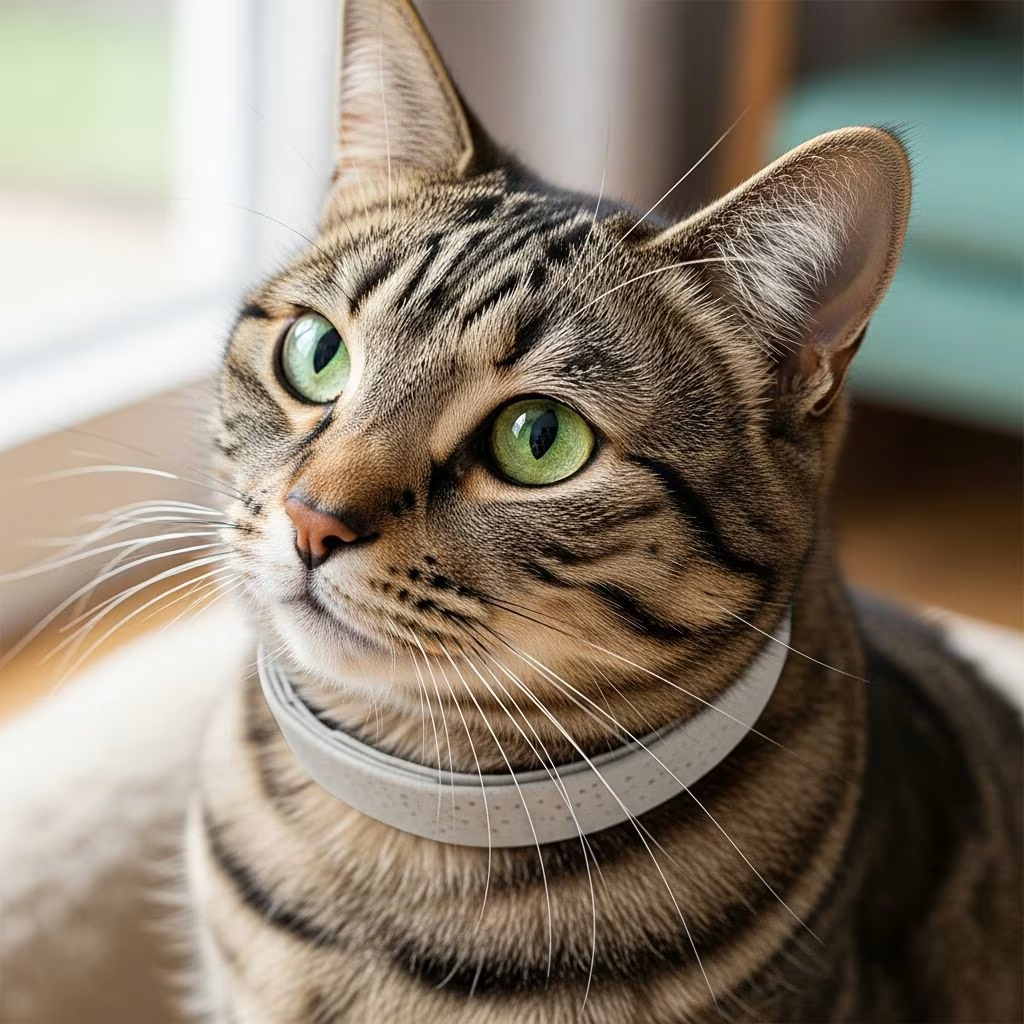
Flea collars provide a convenient method for controlling fleas and ticks on cats by slowly releasing active ingredients that spread across the pet’s body via natural skin oils. These devices offer protection lasting from several weeks to eight months, depending on the product formulation.
The Science of Flea Collar Technology
At their core, flea collars contain potent insecticides embedded in a polymer matrix. When fitted around a cat’s neck, the collar activates, diffusing chemicals like imidacloprid or flumethrin directly onto the skin and fur. These substances dissolve in the sebaceous oils produced by the cat’s skin glands, creating a protective layer that migrates from the neck to the entire body over time. Fleas and ticks encountering this residue die upon contact without needing to bite, reducing disease transmission risks such as bartonellosis or tapeworm infestations.
Traditional collars emit vapors or gases that primarily repel pests near the head and neck, offering localized defense. In contrast, advanced models like those using sustained-release polymers ensure even distribution, targeting fleas at all life stages including larvae in the environment. This dual-action approach disrupts the flea life cycle more comprehensively than contact-only methods.
Types of Flea Collars Available for Felines
Flea collars vary widely in design and efficacy. Basic models rely on pyrethrin-based toxins that create a kill zone around the collar, effective for short periods but limited in coverage. Premium options employ dual-ingredient systems: one for rapid flea knockdown and another for prolonged tick repulsion. These can safeguard cats for up to eight months, with water resistance allowing normal grooming and play.
- Contact-kill collars: Immediate action on adult fleas via skin absorption.
- Repellent collars: Emit odors or vapors deterring pests from landing.
- Larvicidal collars: Include agents that inhibit egg hatching in surroundings.
Owners must select cat-specific products, as canine formulations often contain permethrins toxic to felines, potentially causing tremors or seizures.
Duration and Reliability of Protection
Effectiveness timelines differ by product. Standard collars last 1-3 months, while innovative ones maintain potency for 7-8 months through controlled release akin to a reservoir system. Initial flea populations perish within 24-48 hours, with subsequent infestations controlled in hours.
| Collar Type | Duration | Key Features | Suitable For |
|---|---|---|---|
| Basic | 1-3 months | Localized vapor kill | Adult cats |
| Advanced (e.g., Seresto) | 7-8 months | Body-wide contact protection, waterproof | Cats over 10 weeks |
| Herbal/Ultrasonic | Varies | Natural repellents, no chemicals | Sensitive skin cats |
Frequent bathing or swimming may shorten efficacy, necessitating earlier replacement. Regular checks ensure the collar remains snug but not tight, allowing two fingers between it and the skin.
Safety Considerations for Cat Owners
While generally safe for adult cats over 10 weeks, flea collars pose risks for kittens due to delicate skin and developing systems. Veterinary consultation is essential before use, especially for pregnant, nursing, or health-compromised felines. Common side effects include localized irritation, itching, or alopecia, resolving upon removal.
Household precautions mitigate secondary exposure: prevent collar chewing, clean floors to avoid residue transfer, and supervise interactions with children. Long-term studies link certain older collars containing organophosphates to health issues like skin cancer in cats, underscoring the need for EPA-approved modern products.
Advantages Over Other Flea Control Methods
Flea collars excel in ease of use—no monthly dosing required—and cost-effectiveness for long-term prevention. Unlike oral meds risking vomiting or topicals causing greasiness, collars provide continuous, odorless coverage. They encourage active lifestyles without residue baths deterring play.
- Hands-free application.
- Targets multiple parasites including ticks.
- Environmentally stable against water and sunlight.
Potential Drawbacks and When to Avoid
Not all collars suit every cat. Cheap variants offer poor whole-body protection, fostering resistance. Cats with thick fur may experience uneven spread, and active climbers need breakaway designs to prevent strangulation. If fleas persist, integrated pest management combining collars with home treatments is advised.
Alternatives to Traditional Flea Collars
For cats intolerant to collars, spot-on treatments apply directly to the skin, absorbing systemically for 30-day protection. Oral preventatives disrupt flea reproduction internally, ideal for indoor cats. Natural options like essential oil sprays provide milder repulsion but shorter efficacy. Comprehensive strategies include vacuuming, washing bedding, and yard treatments.
| Method | Pros | Cons | Duration |
|---|---|---|---|
| Spot-on | Fast-acting, whole-body | Messy, monthly | 1 month |
| Oral | Invisible, safe for grooming | Potential GI upset | 1-3 months |
| Shampoo | Immediate kill | No prevention | Days |
Best Practices for Application and Maintenance
Fit collars snugly, trimming excess to 1-2 inches. Monitor for 48 hours post-application for reactions. Replace per manufacturer guidelines, avoiding overlap with other pesticides to prevent toxicity. Pair with environmental controls: wash fabrics weekly and use diatomaceous earth in carpets.
Common Myths About Flea Collars Debunked
- Myth: They only work near the neck. Fact: Modern collars distribute via oils body-wide.
- Myth: Safe for all ages. Fact: Not for kittens under 8-10 weeks.
- Myth: Dog collars interchangeable. Fact: Toxic to cats.
Frequently Asked Questions (FAQs)
Can flea collars be used on pregnant cats?
Consult a vet; some are approved, others not due to fetal risks.
Do flea collars kill eggs and larvae?
Advanced models aid larval control, but home cleaning is crucial.
What if my cat shows irritation?
Remove immediately and seek vet care; switch products.
Are flea collars waterproof?
Most withstand swimming and baths, but dry thoroughly.
How soon do they start working?
Existing fleas die in 24 hours; new ones in 2 hours.
Choosing the Right Flea Collar for Your Cat
Assess your cat’s lifestyle: outdoor adventurers benefit from tick protection, while indoorsy ones need basic flea control. Read labels for age/weight specs and active ingredients. Brands with veterinary backing, like those using polymer diffusion, outperform generics. Annual vet check-ups refine choices based on regional parasite prevalence.
Integrating flea collars into a holistic plan—combining with diet, grooming, and habitat management—ensures flea-free felines year-round. Proactive ownership prevents infestations turning into costly health issues.
References
- Understanding Flea Collars on Cats: How They Work and Safer Alternatives — MedicAnimal. 2023. https://medicanimal.com/blogs/pet-advice/understanding-flea-collars-on-cats-how-they-work-and-safer-alternatives
- How do flea collars work? — Hartz. 2024. https://www.hartz.com/flea-collars-work/
- How Do Flea Collars Work? — Elanco Your Pet and You. 2025. https://yourpetandyou.elanco.com/us/parasites/fleas/how-flea-collars-work
- How Do Flea Collars Work? — PetCareRx. 2024. https://www.petcarerx.com/article/how-do-flea-collars-work/133
- Do Flea Collars Work? — PetMD. 2025-01-15. https://www.petmd.com/dog/general-health/do-flea-collars-work



